
For the better part of the last decade, the global financial landscape was defined by “cheap money.” Interest rates hovered near zero, making it easy to borrow, buy homes, and scale businesses. However, the post-pandemic era brought a swift end to that regime. As inflation surged to 40-year highs, central banks—most notably the Federal Reserve in the United States—embarked on one of the most aggressive rate-hiking cycles in history.
Today, the primary question on the minds of homeowners, investors, and business owners alike is: When will rates go down? Understanding the timing and the “why” behind potential rate cuts is essential for making informed decisions about debt, savings, and long-term investments. This article explores the macroeconomic forces at play, the projected timelines for a shift, and how you can position your personal finances for the eventual transition.
The Macroeconomic Landscape: Why Rates Stayed High
To understand when rates will fall, we must first understand why they rose and why they have remained elevated. The Federal Reserve operates under a “dual mandate”: to promote maximum employment and maintain stable prices. When inflation began to spiral in 2021 and 2022, the Fed’s focus shifted almost entirely to price stability.
Inflation and the Federal Reserve’s Mandate
The Federal Reserve has a long-standing inflation target of 2%. When the Consumer Price Index (CPI) peaked near 9% in mid-2022, the central bank had no choice but to raise the federal funds rate to dampen demand. Higher rates make it more expensive for consumers to borrow for cars and homes, and for businesses to finance expansion. This cooling effect is designed to bring supply and demand back into balance. While inflation has cooled significantly from its peak, the “last mile” of reaching that 2% goal has proven stubborn, leading policymakers to adopt a “higher for longer” stance.
The Impact of Labor Markets and Wage Growth
A significant reason rates haven’t plummeted yet is the surprising resilience of the labor market. Traditionally, high interest rates lead to higher unemployment. However, the current cycle has seen consistently strong job growth and low unemployment rates. While this is good for workers, it creates a “wage-price spiral” concern for the Fed. If wages continue to rise rapidly, businesses may pass those costs on to consumers, fueling further inflation. Until the Fed sees a definitive softening in labor demand or a sustained alignment of wage growth with productivity, they are likely to remain cautious about cutting rates too soon.
Projections and Timeline: When Can We Expect a Shift?
Forecasting interest rates is notoriously difficult, as the Fed remains “data-dependent.” This means their decisions are based on real-time economic indicators rather than a fixed calendar. However, by analyzing market sentiment and the Fed’s own communications, we can form a logical projection.
Analyzing Fed Dot Plots and Market Sentiment
Every quarter, the Federal Open Market Committee (FOMC) releases the “Summary of Economic Projections,” which includes the “dot plot.” This chart shows where each official expects interest rates to be over the next few years. Recent plots suggest that while the era of hiking is likely over, the transition to cutting will be gradual.
Market participants often use the CME FedWatch Tool to track the probability of rate cuts. Historically, the market tends to be more optimistic (expecting earlier and deeper cuts) than the Fed actually delivers. Currently, the consensus suggests that the first meaningful cuts may not materialize until the latter half of the year, provided that inflation continues its downward trajectory without a sudden spike in energy prices or geopolitical disruptions.
Key Indicators to Watch in the Coming Quarters
If you are looking for signs of a rate pivot, keep your eyes on three specific metrics:
- Core PCE (Personal Consumption Expenditures): This is the Fed’s preferred inflation gauge, as it strips out volatile food and energy prices.
- The Unemployment Rate: If unemployment begins to tick up toward 4.5% or 5%, the Fed may cut rates to prevent a deep recession, prioritizing the “maximum employment” side of their mandate.
- Monthly Job Reports (NFP): A significant miss in job creation numbers is often the first “green light” the market looks for to signal an upcoming rate cut.
Strategic Shifts for Personal Finance
While the “when” remains a moving target, your financial strategy should not be static. High-interest rates present both a burden for borrowers and a golden opportunity for savers.
Optimizing Debt: Mortgages, Auto Loans, and Credit Cards
If you are carrying high-interest debt, specifically on credit cards, now is the time to prioritize repayment. With the prime rate at multi-year highs, credit card APRs often exceed 20-25%. Utilizing balance transfer cards or personal loans to consolidate debt can save thousands in interest before rates eventually decline.
For those looking at the housing market, the mantra “marry the house, date the rate” has become popular. This suggests buying a home now if you find the right property, with the intention of refinancing once rates drop. However, this strategy requires a financial cushion; you must be able to afford the current payment comfortably, as there is no guarantee of how quickly or how low rates will fall.
Maximizing Savings While Yields are Peak
On the flip side, the current environment is a boon for savers. For the first time in over a decade, cash is a viable asset class. High-yield savings accounts (HYSAs) and money market funds are currently offering yields upward of 4-5%.
To capitalize on this, consider “locking in” these rates using Certificates of Deposit (CDs). If you expect rates to go down in 12 to 18 months, opening a long-term CD now ensures you will continue to earn today’s high yields even after the Fed begins its cutting cycle. This “laddering” strategy—where you distribute savings across CDs with different maturity dates—provides a balance of liquidity and guaranteed returns.
Investing in a High-Rate (and Transitioning) Environment
Investing requires a different playbook when rates are high versus when they are falling. As we stand at the potential peak of the cycle, investors should evaluate their portfolio’s sensitivity to interest rates.
Fixed Income vs. Equities: Finding the Balance
In a low-rate environment, “TINA” (There Is No Alternative) drove investors into the stock market. Now, there is an alternative. Bonds are finally living up to their name as “fixed income.” When rates eventually fall, the price of existing bonds will rise, offering investors the potential for capital appreciation on top of their yield.
In the equity market, high rates typically pressure “growth” stocks—companies that rely on future earnings—because the present value of those future cash flows is discounted more heavily. Conversely, “value” stocks and companies with strong balance sheets and high cash flows often perform better. As we anticipate a downward shift in rates, we may see a rotation back into growth and tech sectors that benefit from lower borrowing costs.
Real Estate Strategies Before the Turn
Real estate is perhaps the most interest-rate-sensitive sector. High mortgage rates have led to a “lock-in effect,” where homeowners with 3% mortgages refuse to sell, leading to low inventory and propped-up prices despite high rates. When rates begin to drop, we can expect an explosion in both supply and demand. For investors, the goal is to identify undervalued properties now, before a surge in buyer demand drives prices even higher once financing becomes more affordable.
The Long-Term Outlook: What “Normal” Looks Like Now
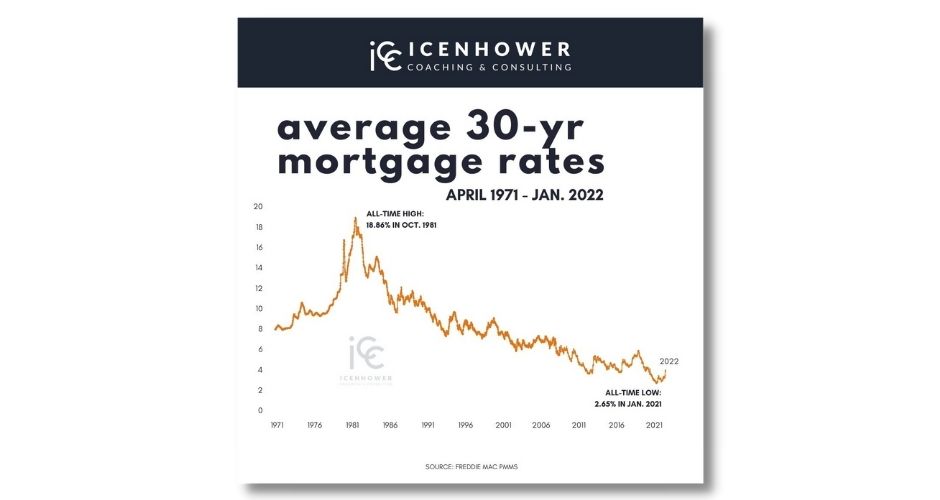
As we look toward the horizon, it is important to manage expectations. While rates will eventually go down, we are unlikely to return to the 0% rates of the 2010s anytime soon.
Moving Beyond the Zero-Bound Era
The decade following the 2008 financial crisis was an anomaly. Moving forward, “neutral” interest rates—rates that neither stimulate nor restrain the economy—are expected to be higher than they were in the previous decade. Factors such as deglobalization, the green energy transition, and shifting demographics suggest that inflation may be more volatile than in the past, requiring central banks to keep rates at more “normal” historical levels (perhaps in the 3% to 4% range).
Building a Resilient Financial Plan for Any Rate Cycle
The best financial plan is one that doesn’t rely on a specific interest rate forecast. To remain resilient:
- Maintain an Emergency Fund: Keep 3–6 months of expenses in a liquid, high-yield account.
- Diversify Your Income: Explore side hustles or online income streams that aren’t tied to interest-rate-sensitive industries.
- Keep Debt Manageable: Ensure your debt-to-income ratio remains low so that you aren’t at the mercy of fluctuating variable rates.
In conclusion, while the exact date of the first rate cut remains a topic of intense debate among economists, the consensus is that the peak is likely behind us. By understanding the triggers the Federal Reserve is looking for and adjusting your borrowing, saving, and investing strategies accordingly, you can turn a period of economic uncertainty into a period of financial growth. Whether rates stay “higher for longer” or begin a steady descent, a disciplined approach to personal finance will always be your most valuable asset.
aViewFromTheCave is a participant in the Amazon Services LLC Associates Program, an affiliate advertising program designed to provide a means for sites to earn advertising fees by advertising and linking to Amazon.com. Amazon, the Amazon logo, AmazonSupply, and the AmazonSupply logo are trademarks of Amazon.com, Inc. or its affiliates. As an Amazon Associate we earn affiliate commissions from qualifying purchases.