
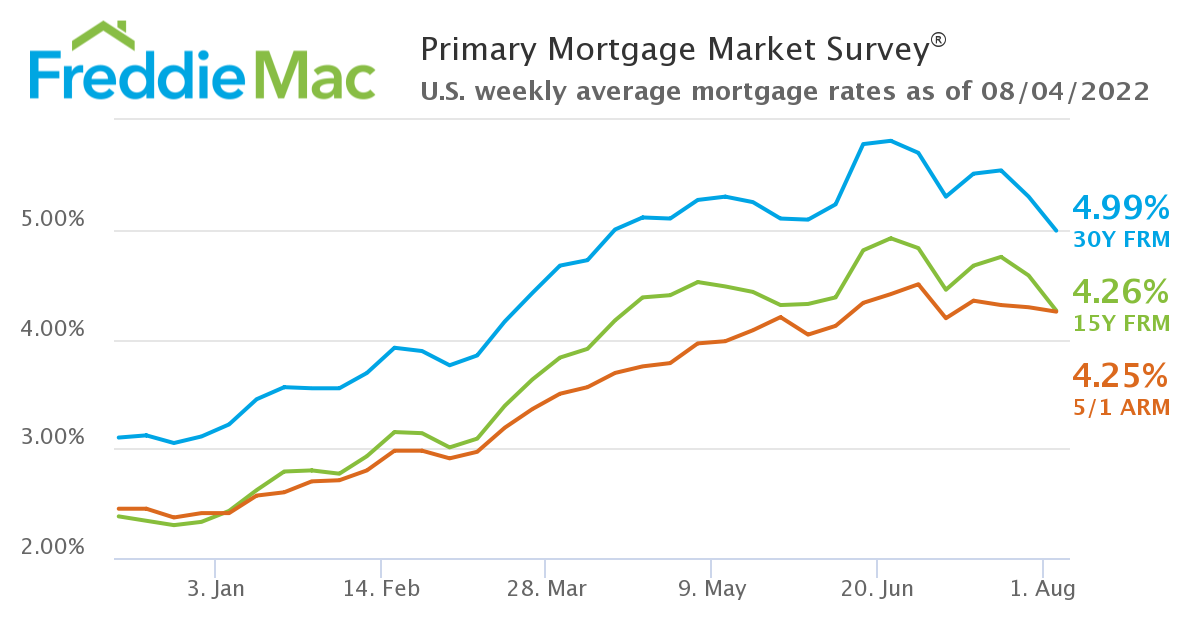
The housing market has undergone a seismic shift over the last few years, moving from the historic lows of the pandemic era to the highest interest rates seen in two decades. For prospective homebuyers and real estate investors, the psychological and financial threshold of 5% has become a beacon of hope. This figure represents a middle ground—a return to a semblance of affordability without the chaotic frenzy of sub-3% rates that fueled the 2020-2021 housing boom. However, the path to 5% is paved with complex economic indicators, Federal Reserve policy shifts, and global financial pressures. Understanding when mortgage rates might return to this level requires a deep dive into the mechanics of the bond market and the current state of the American economy.
Understanding the Economic Mechanics Behind Mortgage Rates
Mortgage rates do not exist in a vacuum. While many consumers believe the Federal Reserve sets mortgage rates directly, the reality is more nuanced. The Fed sets the federal funds rate—the interest rate at which commercial banks borrow and lend to each other overnight. While this influence trickles down to consumer debt, the primary driver for 30-year fixed-rate mortgages is the 10-year Treasury note yield.
The Role of the Federal Reserve and the Yield Spread
The relationship between the Federal Reserve and mortgage rates is one of correlation rather than direct causation. When the Fed raises its benchmark rate to combat inflation, bond yields generally rise, and mortgage rates follow suit. However, there is also the “spread” to consider. Historically, the gap between the 10-year Treasury yield and the 30-year mortgage rate is about 1.7 to 2 percentage points. Recently, this spread has widened to nearly 3 percentage points due to volatility in the secondary market and decreased demand for Mortgage-Backed Securities (MBS). For mortgage rates to reach 5%, we would likely need to see the 10-year Treasury yield drop toward 3% or see a significant compression of this spread as the market stabilizes.
Inflation and the Consumer Price Index (CPI)
The Federal Reserve’s primary mandate is price stability, and their tool for achieving this is the manipulation of interest rates. Mortgage rates remain elevated largely because inflation has proven stickier than anticipated. As long as the Consumer Price Index (CPI) remains significantly above the Fed’s 2% target, the central bank is unlikely to pivot toward aggressive rate cuts. To see a return to 5% mortgage rates, the market needs consistent evidence that inflation is cooling across all sectors, particularly in services and shelter costs. Once the “inflation dragon” is tamed, the pressure on long-term bond yields will subside, allowing mortgage lenders to offer more competitive rates.
The Impact of Quantitative Tightening
Another factor often overlooked by the general public is Quantitative Tightening (QT). During the pandemic, the Fed bought trillions of dollars in Treasury bonds and MBS to keep rates low. Now, they are letting those assets roll off their balance sheet. This reduction in demand for MBS puts upward pressure on mortgage rates. A shift in this policy—or a signal that the Fed is finished shrinking its balance sheet—would be a major catalyst in the descent toward 5%.
Current Market Trends and the Path to 5%
As we analyze the current trajectory, it is clear that the housing market is in a state of “stalled equilibrium.” Buyers are waiting for lower rates, while sellers are “locked in” to their existing 3% mortgages, unwilling to trade them for a 7% rate. This lack of inventory keeps prices high even as demand fluctuates.
Cooling Labor Markets and Economic Growth
One of the key triggers for a significant drop in interest rates is a softening labor market. Historically, the Federal Reserve begins cutting rates when unemployment starts to tick upward or when GDP growth slows significantly. If the economy enters a mild recession or a “soft landing” where growth is tepid, the demand for capital decreases, leading to lower interest rates across the board. If labor data remains “too strong,” the Fed will likely maintain a “higher for longer” stance, keeping the 5% mortgage rate goal out of reach for the immediate future.
Housing Inventory and the Lock-In Effect
The supply side of the housing market plays a critical role in how rates affect the average consumer. Even if rates drop to 6% or 5.5%, a sudden surge in demand could lead to bidding wars that offset the savings from lower interest. The “lock-in effect” occurs when homeowners refuse to move because their current mortgage rate is significantly lower than market rates. A move toward 5% would likely break this deadlock, releasing a flood of inventory as homeowners feel more comfortable moving to new properties. This increase in supply is necessary for a healthy, balanced market where 5% rates actually translate to improved affordability.
The Stability of the Secondary Market
Mortgage rates are also influenced by the health of the secondary market where loans are bundled and sold to investors. During periods of high volatility, investors demand a higher “risk premium,” which keeps rates elevated. As the economic outlook becomes more predictable, this volatility decreases, allowing the spread between Treasuries and mortgages to narrow. If the spread returns to its historical average of 170 basis points, we could see 5.5% or 5% rates even if Treasury yields remain slightly elevated.
Forecasts from Industry Experts

Predicting the exact month or year when rates hit 5% is a challenge, but industry giants like the Mortgage Bankers Association (MBA), Fannie Mae, and the National Association of Realtors (NAR) provide data-driven roadmaps.
The Mortgage Bankers Association (MBA) Outlook
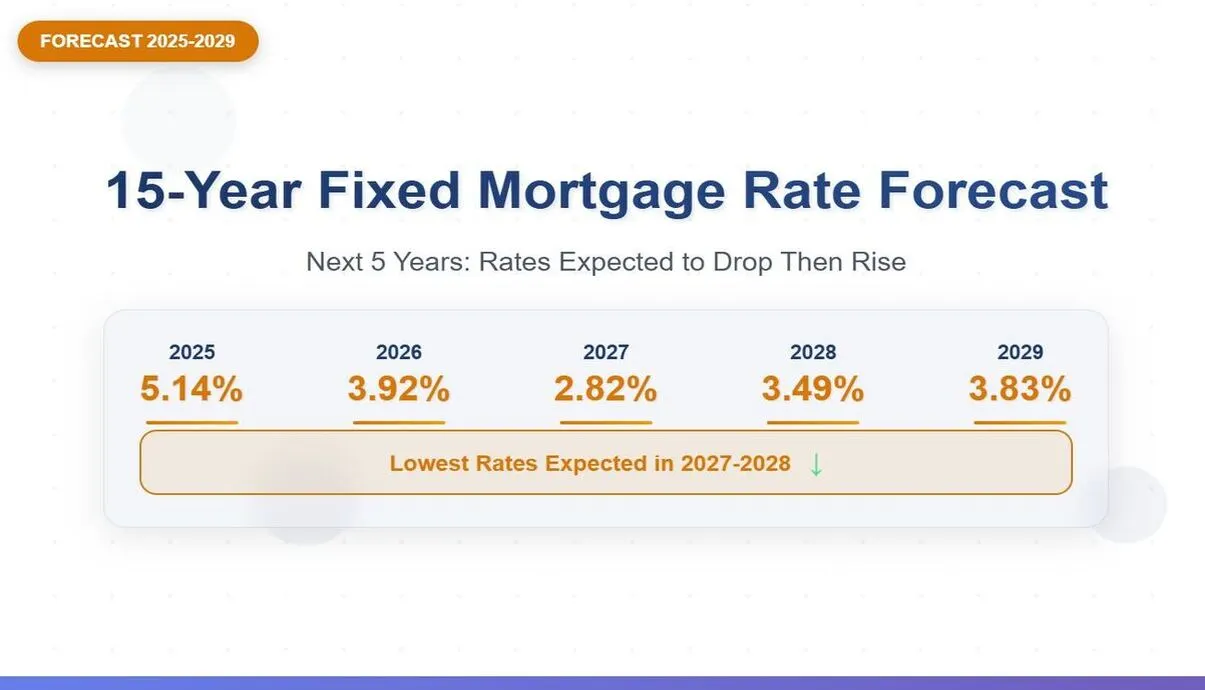
The MBA has historically been one of the more optimistic voices regarding rate declines. Their projections often suggest that as inflation stabilizes, the 30-year fixed rate will gradually descend throughout the next 24 months. According to many analysts in this camp, we might see rates dip into the high 5s by late 2025 or early 2026, provided the Fed begins a consistent cycle of rate cuts. They emphasize that the “peak” of the cycle has passed, and the long-term trend is downward.
Fannie Mae and Freddie Mac Projections
Fannie Mae tends to take a more conservative approach in its housing forecasts. Their economists monitor the “tenacity” of the housing market and the stubbornness of home prices. While they anticipate a gradual decline in rates, they warn that the 5% threshold may be elusive in the short term. Their models suggest that while we may see mid-6% rates become the new normal for a while, a drop to 5% would require a more significant economic slowdown than the US is currently experiencing.
The Reality of “Higher for Longer”
A growing consensus among Wall Street analysts is the “higher for longer” narrative. The post-2008 era of near-zero interest rates was an anomaly, not the rule. If the US economy enters a period of structural productivity growth driven by technology and AI, the “neutral rate”—the interest rate that neither stimulates nor restricts the economy—may be higher than it was in the 2010s. If this is the case, 5% may be the floor rather than a temporary stop on the way back to 3%. Most experts agree that while 5% is possible by 2025, it will require a perfect alignment of low inflation, moderate unemployment, and a stabilized bond market.
The Financial Impact of a 5% Rate on Homebuyers and Investors
Why is 5% the magic number? For most financial models, 5% represents a “tipping point” where the cost of debt becomes manageable enough to stimulate significant transaction volume.
Calculating Purchasing Power
The difference between a 7% interest rate and a 5% interest rate on a $400,000 mortgage is substantial. At 7%, the monthly principal and interest payment is approximately $2,661. At 5%, that same loan costs $2,147 per month. This $500 difference significantly alters a buyer’s Debt-to-Income (DTI) ratio, allowing them to qualify for a more expensive home or keep more of their monthly income for other expenses. For many first-time buyers, this difference is the deciding factor between entering the market or continuing to rent.
Refinancing Opportunities and the “Refi Boom”
If rates hit 5%, a massive wave of refinancing will likely occur for those who bought homes in 2023 and 2024. Homeowners who locked in rates at 7.5% or 8% stand to save thousands of dollars annually by refinancing into a 5% loan. This injection of disposable income into the economy can act as a form of stimulus, though it also means that the “velocity of money” increases, which the Fed monitors closely to ensure it doesn’t reignite inflation.
Investment Property Viability
For real estate investors, the 5% mark is critical for “cash flow” mathematics. At 7% or 8%, many rental properties fail to “pencil out,” meaning the rental income doesn’t cover the mortgage, taxes, and insurance. A 5% interest rate lowers the hurdle for entry, making buy-and-hold strategies viable again in many markets. This would likely lead to an increase in institutional and individual investment in the residential sector, further tightening inventory but stabilizing the rental market.
Strategies for Navigating High Rates While Waiting for a Drop
While waiting for 5% is a valid strategy for some, others may need to move sooner. Navigating the current environment requires a more sophisticated approach to financing than the simple “fixed-rate” mentality of previous years.
Adjustable-Rate Mortgages (ARMs) and Temporary Buydowns
In a high-rate environment, Adjustable-Rate Mortgages (ARMs) often offer a lower introductory rate for 5, 7, or 10 years. If a buyer believes rates will drop to 5% within the next few years, taking a 5/1 ARM at a lower rate and planning to refinance later can be a savvy move. Additionally, “2-1 buydowns” have become popular, where the seller pays a lump sum to lower the buyer’s interest rate by 2% in the first year and 1% in the second year. This provides immediate relief while the buyer waits for market rates to trend toward 5%.
The Strategy of “Marry the House, Date the Rate”
This popular real estate adage suggests that buyers should focus on finding the right property now and assume they can refinance later. While this carries the risk that rates may stay high for longer than expected, it allows buyers to build equity and avoid the price surges that often accompany rate drops. If mortgage rates do hit 5% in 2025, the competition for homes will likely skyrocket, potentially driving prices up and negating the savings from the lower rate.
Improving Your Credit Profile
Regardless of what the national average rate is, the best rates are reserved for those with “prime” credit scores. While the market waits for a return to 5%, prospective buyers can take this time to optimize their financial profiles. Moving from a 680 to a 760 credit score can result in a rate reduction of 0.5% to 1%, effectively giving the buyer their “own” rate cut regardless of what the Federal Reserve does. In a world where every basis point counts, personal financial discipline remains the most effective tool for achieving a 5% mortgage.
aViewFromTheCave is a participant in the Amazon Services LLC Associates Program, an affiliate advertising program designed to provide a means for sites to earn advertising fees by advertising and linking to Amazon.com. Amazon, the Amazon logo, AmazonSupply, and the AmazonSupply logo are trademarks of Amazon.com, Inc. or its affiliates. As an Amazon Associate we earn affiliate commissions from qualifying purchases.