
For service members and their families, understanding the intricacies of military pay is not merely a matter of curiosity; it’s a cornerstone of financial stability. Unlike civilian employment where paychecks might follow a weekly or bi-weekly rhythm with little deviation, military compensation involves a unique blend of regular pay cycles, special allowances, and potential variables that demand a proactive approach to financial management. This article delves deep into when military personnel can expect to receive their earnings, the factors that influence their paychecks, and crucial strategies for navigating potential disruptions to ensure robust financial security throughout their service.
The question “when will military get paid?” is more complex than a simple date on a calendar. It encompasses a sophisticated system designed to compensate individuals for their dedication, often in challenging circumstances, and requires a firm grasp of the Defense Finance and Accounting Service (DFAS) processes, personal financial planning, and the various resources available to service members.
Decoding the Standard Military Pay Cycle
At its core, military pay adheres to predictable schedules, but these schedules vary based on service component and individual status. Understanding these cycles is the first step toward effective budgeting and financial planning.
Active Duty Pay Schedule: Bi-Monthly Regularity
For active duty service members across all branches – Army, Navy, Air Force, Marine Corps, and Space Force – the standard pay cycle is bi-monthly. This means pay is typically disbursed twice a month:
- Mid-Month Pay (1st-15th): This payment, often referred to as “mid-month” or “advance pay,” covers the first half of the current month’s earnings. It is usually deposited on or around the 15th of the month.
- End-of-Month Pay (16th-31st): This payment covers the latter half of the month and includes any remaining balances, deductions, or allowances. It is typically deposited on or around the 1st of the following month.
It’s important to note that if the 1st or 15th falls on a weekend or a federal holiday, pay is usually deposited on the preceding business day. For instance, if the 15th is a Saturday, pay would be processed on Friday the 14th. This “early pay” system helps service members avoid delays, but it also means they need to be mindful of managing funds for a slightly longer period until the next scheduled deposit.
Reserve and National Guard Pay: Drill Weekends and Annual Training
Reserve and National Guard members operate under a different pay structure, reflecting their part-time or episodic service.
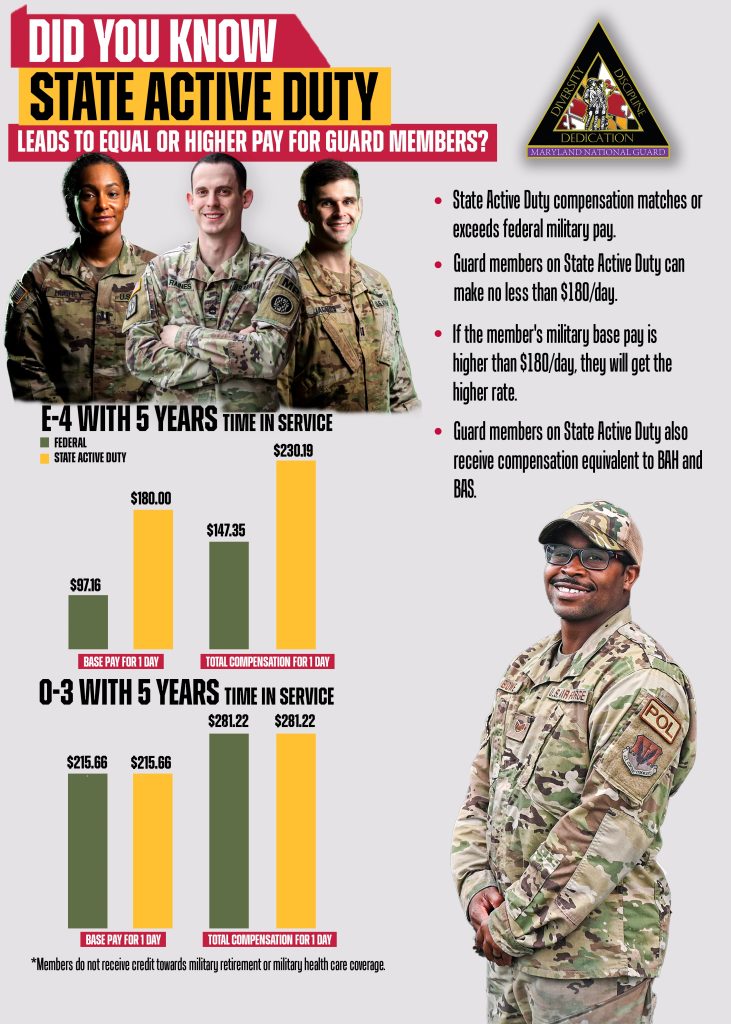
- Drill Pay: Compensation for drill weekends (typically one weekend a month) is usually processed and paid within 1-5 business days following the completion of the drill period. The exact timing can vary by unit and administrative processing efficiency. Often, members are paid for multiple drill periods (e.g., all four days of a typical drill weekend) in a single lump sum.
- Annual Training (AT) Pay: For longer periods of active duty, such as Annual Training, members are generally paid on a similar bi-monthly schedule to active duty personnel, or as a single lump sum shortly after the completion of the training period, depending on the length and specific orders.
- Active Duty for Training (ADT) / Mobilization: When Reservists or National Guard members are activated for longer periods (e.g., ADT, mobilization, or deployments), their pay structure shifts to mirror that of active duty service members, receiving bi-monthly payments for the duration of their orders.
Retired and Survivor Benefit Plan (SBP) Payments
Retired service members and beneficiaries receiving Survivor Benefit Plan (SBP) payments also have a distinct schedule. These payments are typically made on the 1st of each month. Similar to active duty pay, if the 1st falls on a weekend or holiday, the payment is usually processed on the preceding business day. This consistent schedule is crucial for retired personnel who often rely on these payments as a primary source of income.
Key Dates and Deadlines: A Calendar Overview
While the 1st and 15th are primary pay dates, service members should familiarize themselves with the official DFAS pay calendar, which is updated annually. This calendar provides precise dates, including early payment days due to weekends or holidays, helping individuals plan their finances accurately. Regularly checking MyPay and understanding the pay cycle ensures there are no surprises.
Factors Influencing Your Military Paycheck
The base pay for military members is just one component of their overall compensation. A multitude of factors contribute to the final amount that lands in a service member’s bank account, making each paycheck a unique reflection of their service.
Rank, Time in Service, and Geographic Location (BAS, BAH, COLA)
- Base Pay: This is determined by a service member’s rank (e.g., E-4, O-3) and their total years of service. As rank increases and time in service accrues, base pay rises. The annual pay charts are publicly available and updated each year.
- Basic Allowance for Subsistence (BAS): This allowance is intended to offset the cost of a service member’s food. It’s a flat monthly rate that doesn’t vary by rank, though officers and enlisted members receive slightly different amounts, and it can be prorated if a member is frequently receiving meals provided by the government (e.g., in a dining facility).
- Basic Allowance for Housing (BAH): This allowance provides compensation for housing costs when government-provided housing isn’t available. BAH rates are based on rank, dependency status (with or without dependents), and the cost of living in a specific geographic location (ZIP code). These rates are updated annually and can fluctuate significantly depending on where a service member is stationed.
- Cost of Living Allowance (COLA): For service members stationed in high-cost areas within the continental U.S. (CONUS COLA) or overseas (OCONUS COLA), an additional allowance may be provided to help offset the increased cost of goods and services compared to the average U.S. economy.
Special Pays and Allowances: From Hostile Fire to Family Separation
Beyond the basic allowances, a wide array of special pays and allowances exist to compensate service members for specific skills, hazardous duties, or challenging living conditions. These can significantly boost a paycheck:
- Hazardous Duty Incentive Pay (HDIP): For duties involving unusual risks (e.g., flying, parachuting, diving).
- Hostile Fire Pay/Imminent Danger Pay (HFP/IDP): For service in designated combat zones or areas of imminent danger.
- Family Separation Allowance (FSA): Paid to service members with dependents when they are deployed or assigned to a duty station for more than 30 days without their family.
- Assignment Incentive Pay (AIP): For specific assignments, often in high-demand roles or challenging locations.
- Special Duty Assignment Pay (SDAP): For enlisted personnel in specific special duty assignments that require advanced skills or unique responsibilities.
- Hardship Duty Pay (HDP): For duty performed in designated hardship locations.
These special pays are often taxable, while most allowances (like BAH, BAS, FSA) are non-taxable, further complicating the calculation of net pay.
Deductions and Allotments: Understanding Your Net Pay
While gross pay can seem substantial, various deductions and allotments reduce the take-home amount:
- Federal and State Income Tax: Withholding based on W-4 elections.
- Social Security and Medicare (FICA): Mandatory payroll taxes.
- Thrift Savings Plan (TSP): Contributions to the government’s 401(k)-style retirement plan.
- SGLI (Servicemembers’ Group Life Insurance): Premiums for life insurance.
- Dental and Vision Insurance: Premiums for optional coverage.
- Medical Care (Tricare): Premiums for certain Tricare plans.
- Allotments: Voluntary deductions for savings, rent, car payments, or other expenses, automatically sent to third parties.
Understanding these deductions is crucial for reconciling gross pay with net pay and for effective budgeting.
The Impact of PCS Moves and Deployments
Permanent Change of Station (PCS) moves and deployments introduce additional complexities to military pay. Travel allowances, Dislocation Allowance (DLA), Temporary Lodging Expense (TLE), and per diem rates become part of the compensation package. However, administrative processes during these transitions can sometimes lead to temporary pay disruptions if not handled meticulously by both the service member and their administrative unit.
Navigating Potential Pay Disruptions and Delays
While military pay is generally reliable, unexpected events or administrative hiccups can occasionally lead to delays or errors. Being prepared for such eventualities is a critical aspect of financial readiness.
The Specter of Government Shutdowns and Continuing Resolutions
One of the most significant potential disruptors to military pay is a federal government shutdown. In recent history, shutdowns have raised concerns about whether service members would receive their paychecks on time.
- During a shutdown: Without appropriations legislation, DFAS may be unable to process payments. However, Congress has often passed legislation (e.g., the Pay Our Military Act) to ensure service members continue to be paid during shutdowns, or pay is issued retroactively once funding is restored.
- Continuing Resolutions (CRs): These are temporary measures to fund the government, often at previous year’s levels. While they typically prevent a full shutdown, they can create uncertainty and delay new programs or pay raises if not enacted promptly.
Financial counselors often advise building an emergency fund sufficient to cover at least a month’s expenses specifically to buffer against potential pay delays during such political impasses.
Administrative Errors and How to Address Them
Despite best efforts, administrative errors can occur, leading to incorrect pay. These might include:
- Incorrect BAH/COLA rates: Especially after a PCS move.
- Missing special pays: Not being paid for a hazardous duty or special assignment.
- Incorrect deductions: Errors in SGLI, TSP, or other allotments.
- Failure to stop/start pay: During transitions like separation, retirement, or extended leave.
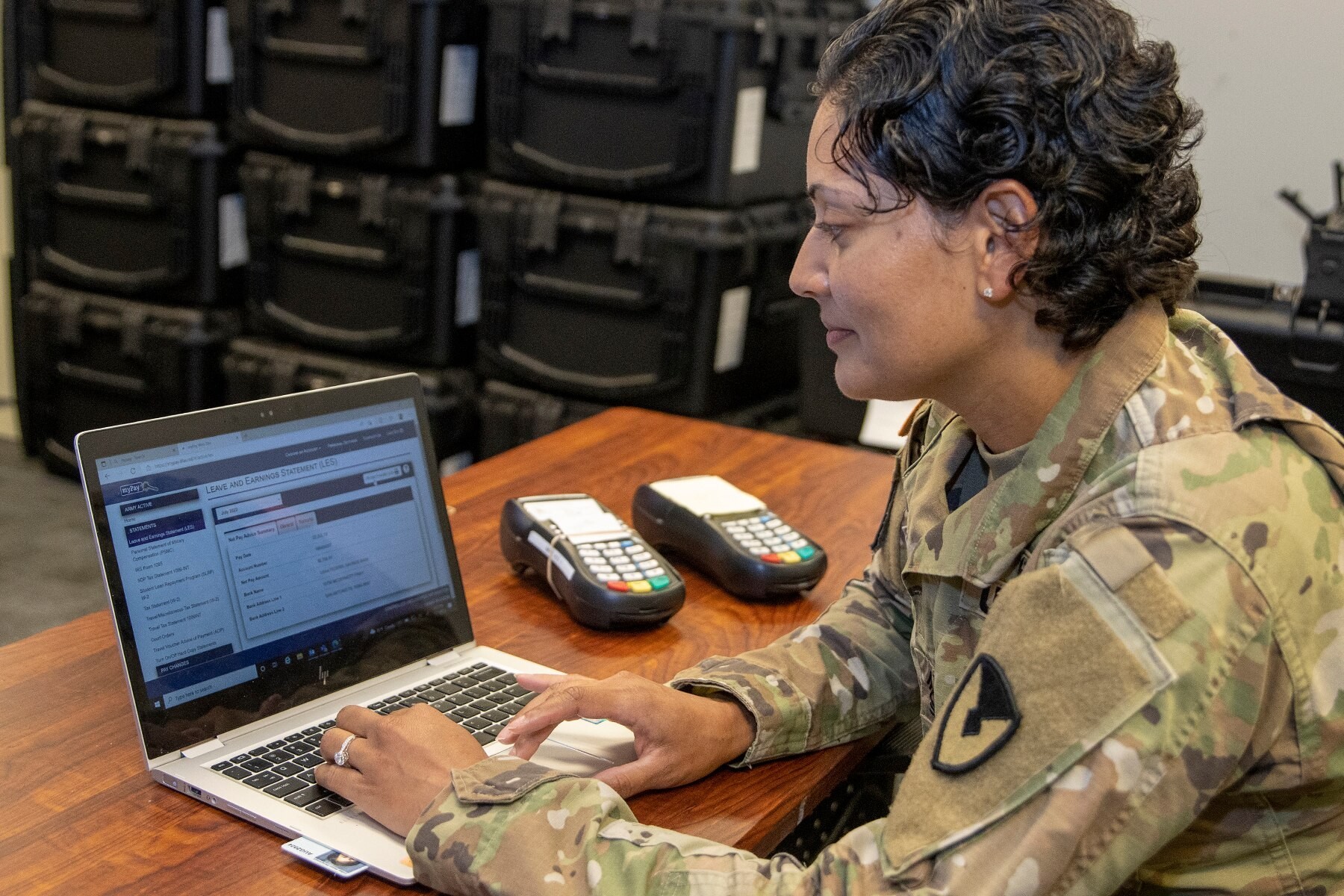
Service members should regularly review their Leave and Earnings Statement (LES) – typically available on MyPay – for accuracy. If an error is identified, the immediate course of action is to contact their unit’s finance office or administrative personnel. Keeping meticulous records of orders, pay stubs, and correspondence is vital for resolving discrepancies.
The Role of DFAS and MyPay in Tracking Your Earnings
The Defense Finance and Accounting Service (DFAS) is the organization responsible for paying all U.S. military personnel, retirees, and annuitants.
- MyPay: This is the essential online portal for service members. It allows individuals to view and print their LES, change tax withholdings, update bank account information, manage allotments, and access other important pay-related documents. Checking MyPay regularly, ideally shortly after each pay deposit, is the most effective way to monitor pay and catch potential errors promptly.
- DFAS Customer Service: For issues that cannot be resolved at the unit level, DFAS offers direct customer support. However, patience is often required, as call volumes can be high.
Emergency Financial Planning for Unexpected Gaps
Given the potential for pay disruptions, developing a robust emergency financial plan is paramount.
- Emergency Fund: Aim to have at least 3-6 months’ worth of essential living expenses saved in an easily accessible, interest-bearing account. This fund acts as a crucial buffer against unexpected pay delays, medical emergencies, or unforeseen expenses.
- Contingency Budget: Understand what expenses are absolutely essential (housing, food, utilities, transportation) versus discretionary (entertainment, dining out) to prioritize spending if income is temporarily reduced.
- Access to Military Aid Societies: Organizations like the Army Emergency Relief (AER), Navy-Marine Corps Relief Society (NMCRS), and Air Force Aid Society (AFAS) provide financial assistance (interest-free loans or grants) to service members and their families during financial crises, including pay disruptions.
Proactive Financial Management for Service Members
Beyond understanding when they get paid, service members must actively manage how they use their pay to build long-term financial security. Military service provides unique opportunities and challenges that necessitate tailored financial strategies.
Building a Robust Budget: Living Within Your Means
Budgeting is the bedrock of all personal finance. For military families, understanding fluctuating allowances (like BAH changing with location) and potential special pays makes budgeting slightly more complex but no less vital.
- Track Income and Expenses: Use budgeting apps, spreadsheets, or pen and paper to meticulously record all money coming in and going out.
- Differentiate Needs vs. Wants: Prioritize essential expenses first.
- The 50/30/20 Rule: A popular guideline where 50% of income goes to needs, 30% to wants, and 20% to savings and debt repayment.
- Automate Savings: Set up automatic transfers from checking to savings accounts immediately after pay hits.
The Importance of an Emergency Fund
As highlighted in navigating disruptions, an emergency fund is non-negotiable. For military families facing frequent moves, deployments, and potential pay delays, this fund provides peace of mind and prevents reliance on high-interest loans in times of need. Aim for 3-6 months of living expenses, keeping it separate from your regular checking account.
Smart Debt Management Strategies
High-interest debt can quickly erode financial stability. Service members should focus on:
- Avoiding Consumer Debt: Be wary of credit cards, payday loans, and buy-now-pay-later schemes that can lead to a debt spiral.
- Prioritizing Debt Repayment: Use strategies like the “debt snowball” (paying off smallest debts first) or “debt avalanche” (paying off highest interest debts first).
- Leveraging the SCRA (Servicemembers Civil Relief Act): This act provides protections, including a 6% interest rate cap on pre-service debt, which can significantly reduce interest payments.
Leveraging Military Financial Resources and Education
The military is committed to the financial well-being of its personnel and offers an array of free resources:
- Personal Financial Managers (PFMs) and Financial Counselors: Available on most installations, these certified professionals provide free, confidential advice on budgeting, debt management, investing, and retirement planning.
- Military Aid Societies: Beyond emergency assistance, these societies often offer financial education and counseling.
- Military OneSource: A comprehensive resource providing information and access to non-medical counseling, financial planning, and other services 24/7.
- Command Financial Specialists (CFS): Peer-to-peer educators within units who can offer basic financial guidance and refer members to professional resources.
Ensuring Your Long-Term Financial Well-Being in Uniform
Military service isn’t just a career; it’s a foundation for a future. Strategic financial planning during active duty significantly impacts post-service success.
Maximizing Retirement Savings: TSP and Beyond
The Blended Retirement System (BRS) now includes automatic and matching contributions to the Thrift Savings Plan (TSP), the government’s equivalent of a 401(k).
- Contribute Consistently: Aim to contribute at least 5% of your base pay to receive the full government match.
- Understand Investment Options: Learn about the various TSP funds (G, F, C, S, I, L Funds) and choose an allocation that aligns with your risk tolerance and time horizon.
- Start Early: Compounding interest is a powerful tool; the sooner you start, the more your money grows.
Consider additional retirement vehicles like Roth IRAs, especially given the tax-exempt status of many military allowances, which can make Roth contributions particularly advantageous.
Planning for Post-Service Transition
For many, military service is a stepping stone. Financial planning for separation or retirement should begin years in advance.
- Transition Assistance Program (TAP): Utilise TAP resources, which include financial planning modules, to prepare for civilian employment, benefits, and budgeting without military allowances.
- Education and Skill Development: Invest in education or certifications that will enhance civilian job prospects.
- Budget for the Unknown: Understand that civilian salaries might differ, and benefits (like healthcare) will change, requiring careful financial adjustments.

The Role of Financial Literacy in Career Progression
Financial literacy isn’t just about personal well-being; it’s also a leadership trait. Commanders want financially stable troops who can focus on their mission without the distraction of personal financial woes. Cultivating strong financial habits and continuously educating oneself about personal finance can contribute to career success and overall quality of life.
In conclusion, knowing “when will military get paid” is merely the entry point to a broader understanding of military financial life. By mastering the pay cycles, understanding the factors influencing their earnings, preparing for potential disruptions, and adopting proactive financial management strategies, service members can build a robust foundation for enduring financial security, both during their time in uniform and well into their civilian lives.
aViewFromTheCave is a participant in the Amazon Services LLC Associates Program, an affiliate advertising program designed to provide a means for sites to earn advertising fees by advertising and linking to Amazon.com. Amazon, the Amazon logo, AmazonSupply, and the AmazonSupply logo are trademarks of Amazon.com, Inc. or its affiliates. As an Amazon Associate we earn affiliate commissions from qualifying purchases.