
The question of when home interest rates will drop is one that echoes across countless households, real estate offices, and financial planning sessions. It’s a query laden with significant financial implications, shaping decisions for first-time homebuyers, existing homeowners contemplating a refinance, and investors eyeing the property market. After a period of historically low rates that fueled a robust housing boom, the subsequent surge driven by inflation and aggressive monetary policy has left many feeling the pinch. Understanding the intricate web of economic factors influencing these rates, deciphering expert predictions, and strategizing effectively are crucial for navigating this dynamic landscape.
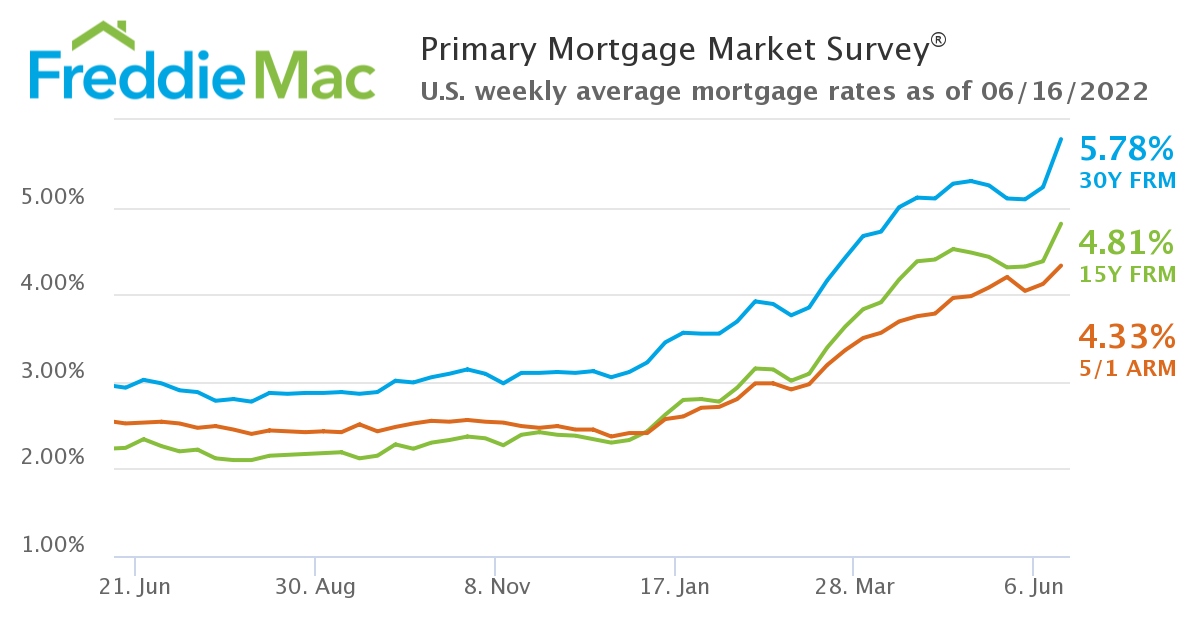
This article will delve into the core economic forces at play, explore what financial experts are forecasting, and provide actionable strategies for both current homeowners and prospective buyers as we collectively await the anticipated—or hoped-for—descent in borrowing costs.
Understanding the Economic Forces Driving Home Interest Rates
Home interest rates, particularly those tied to mortgages, are not arbitrary figures. They are deeply interconnected with broader economic trends and central bank policies. To anticipate when they might fall, we must first grasp the foundational elements that dictate their current trajectory.
The Federal Reserve’s Role: Monetary Policy and the Federal Funds Rate
At the heart of interest rate movements in the United States lies the Federal Reserve (the Fed). As the nation’s central bank, the Fed’s primary tools for influencing the economy are monetary policy decisions, most notably the setting of the federal funds rate. This is the target rate for overnight borrowing between banks. While not directly a mortgage rate, changes to the federal funds rate cascade through the financial system, affecting everything from savings account yields to credit card APRs and, critically, mortgage rates.
When the Fed raises the federal funds rate, it makes borrowing more expensive for banks, which then pass on those higher costs to consumers and businesses. This is typically done to combat inflation by cooling down economic demand. Conversely, when the Fed lowers this rate, it aims to stimulate economic activity by making borrowing cheaper. The current high-rate environment is largely a result of the Fed’s aggressive tightening cycle, initiated to tame persistent inflation. A sustained drop in home interest rates would most likely require the Fed to signal a shift towards cutting the federal funds rate.
Inflation’s Grip: Why Price Stability Matters
Inflation—the rate at which the general level of prices for goods and services is rising, and subsequently, purchasing power is falling—is perhaps the most significant single factor driving the Fed’s decisions and, by extension, mortgage rates. When inflation is high and persistent, lenders demand higher interest rates to compensate for the erosion of their future returns. If a lender gives you a loan today and inflation significantly reduces the value of money by the time you repay it, their real return is diminished. Therefore, they price in an inflation premium.
The Fed’s target inflation rate is typically around 2%. Until inflation demonstrably and consistently moves back towards this target, the Fed is unlikely to significantly ease its monetary policy. Key inflation indicators include the Consumer Price Index (CPI) and the Personal Consumption Expenditures (PCE) price index. A consistent downward trend in these metrics, signaling that inflationary pressures are subsiding, will be a critical prerequisite for interest rate drops.
Labor Market Health: Employment and Wage Growth
The health of the labor market is another crucial piece of the economic puzzle. A strong labor market, characterized by low unemployment and robust wage growth, is often seen as a double-edged sword in the context of interest rates. On one hand, it reflects a healthy economy, which might allow the Fed to maintain higher rates without triggering a recession. On the other hand, rapid wage growth can contribute to inflationary pressures, as consumers have more disposable income and businesses face higher labor costs, which they may pass on through higher prices.
The Fed closely monitors employment figures, wage growth, and job openings data. A slight softening in the labor market—for instance, a gradual increase in unemployment without a sharp spike, or a moderation in wage growth—could signal to the Fed that the economy is cooling sufficiently to warrant a less restrictive monetary policy, paving the way for rate cuts.
Global Economic Landscape and Geopolitical Events
While domestic factors are paramount, the global economic landscape and geopolitical events also cast a shadow over interest rates. International demand for U.S. Treasury bonds, which indirectly influence mortgage rates, can be affected by economic performance in other major economies or shifts in investor sentiment due to global instability. For example, during times of global uncertainty, investors often flock to safe-haven assets like U.S. Treasuries, which can push down their yields and, consequently, long-term interest rates like mortgages. Conversely, a strong global economy might pull capital elsewhere, putting upward pressure on U.S. rates. Wars, trade disputes, and supply chain disruptions can all have ripple effects that either exacerbate or alleviate inflationary pressures, thus influencing the Fed’s calculus and the future path of rates.
Decoding Expert Predictions: What the Forecasts Say
Predicting the precise timing and magnitude of interest rate drops is notoriously challenging, even for the most seasoned economists. However, by examining the consensus among financial institutions and monitoring key economic indicators, we can gain a clearer understanding of the probabilities and potential timelines.
Consensus Among Financial Institutions and Economists
The general consensus among leading financial institutions, such as Fannie Mae, Freddie Mac, the Mortgage Bankers Association, and major Wall Street banks, often points towards a gradual moderation of mortgage rates, rather than a sharp plunge. Most forecasts suggest that while rates may not return to their pandemic-era lows anytime soon, we are likely past the peak of the current tightening cycle.
Many economists project that the latter half of the current year, or early next year, could see the beginning of modest rate cuts by the Federal Reserve, provided inflation continues its downward trend. This would, in turn, put downward pressure on 30-year fixed mortgage rates. However, the exact timing remains contingent on incoming economic data. The prevailing sentiment is for a slow, cautious approach from the Fed, rather than an aggressive pivot.
Key Indicators to Watch: CPI, PPI, and PCE
For anyone closely watching interest rates, understanding which economic reports to monitor is crucial.
- Consumer Price Index (CPI): Released monthly, the CPI measures the average change over time in the prices paid by urban consumers for a market basket of consumer goods and services. It’s a headline inflation gauge.
- Producer Price Index (PPI): Also a monthly release, the PPI measures the average change over time in the selling prices received by domestic producers for their output. It’s often seen as a leading indicator of consumer inflation.
- Personal Consumption Expenditures (PCE) Price Index: This is the Fed’s preferred inflation gauge. It measures the prices of goods and services purchased by consumers and is considered more comprehensive than CPI because it accounts for changes in consumer behavior and substitution effects.
Consistent reports showing these indices cooling, especially the core PCE (which strips out volatile food and energy prices), will be the strongest signals for the Fed to consider easing policy.
Historical Context: Lessons from Past Rate Cycles
History offers valuable perspective but rarely an exact blueprint. Past rate cycles show that while rates can move quickly, the Fed often takes a measured approach to both increases and decreases. Periods of high inflation followed by aggressive tightening have historically led to recessions, which eventually prompt the Fed to cut rates to stimulate recovery. The current situation is unique in some aspects, but the underlying mechanisms of inflation fighting remain. A key takeaway is that sustained rate drops typically require clear evidence of economic deceleration and inflation under control, not just a single positive data point.
The Nuance of “Dropping”: A Gentle Descent or a Steep Decline?
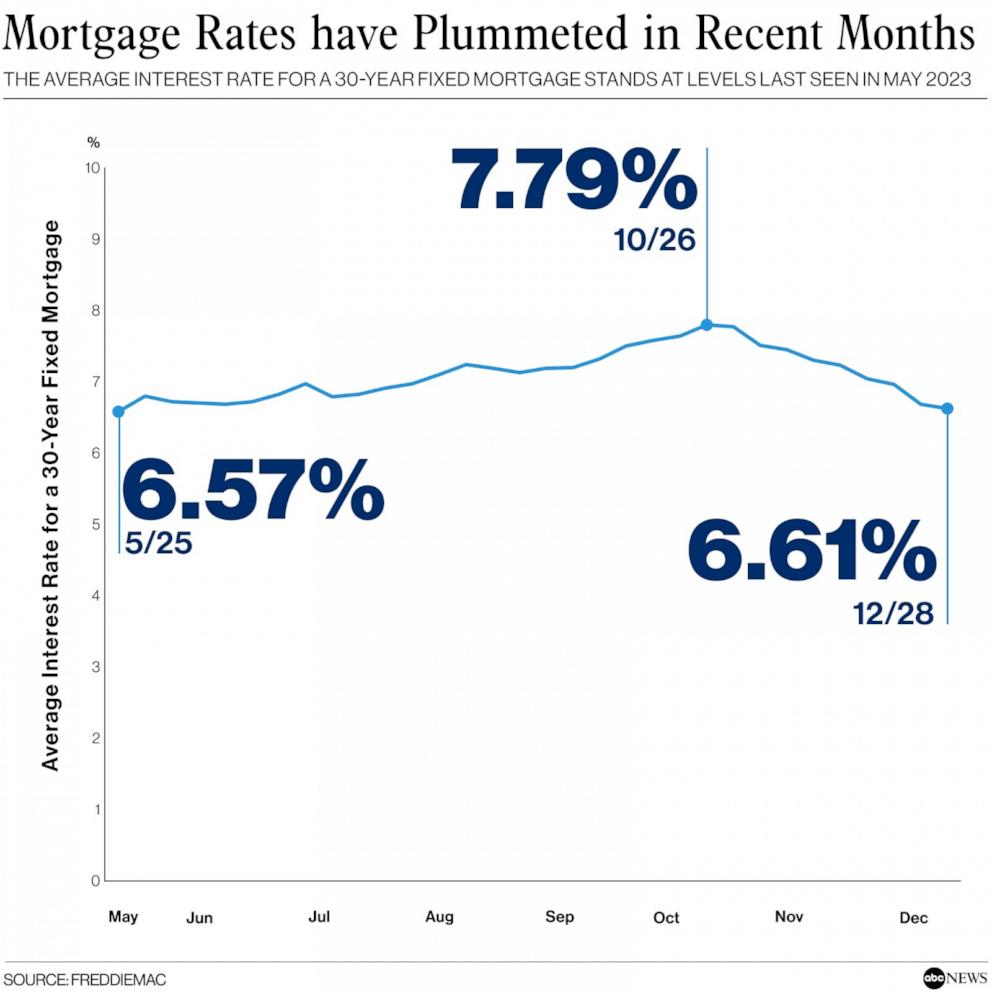
It’s important to temper expectations regarding the magnitude of any rate drop. While “drop” might evoke images of a sharp decline, the more likely scenario, according to most forecasts, is a gradual and moderate decrease. A return to the sub-3% rates seen during the pandemic is highly improbable in the near to medium term, given the current economic fundamentals. Instead, a move from the 7% range down to the 5-6% range would be considered a significant and positive shift for many. The market tends to price in expectations, so a modest decline might already be partially factored into current rates.
Strategies for Homeowners and Prospective Buyers in a Shifting Rate Environment
Given the uncertainty surrounding the timing and extent of future rate drops, both current homeowners and prospective buyers need proactive strategies to navigate the current environment effectively.
For Current Homeowners: Refinancing Opportunities and HELOCs
- Refinancing: For homeowners locked into higher interest rates, a drop in rates presents a prime refinancing opportunity. Even a reduction of 0.5% to 1% could result in significant monthly savings over the life of the loan. Monitoring rates diligently and having your financial documents ready will allow you to act quickly when favorable rates emerge. Consider a “rate-and-term” refinance to lower your interest rate or change your loan term.
- Home Equity Line of Credit (HELOC): If you have substantial equity in your home, a HELOC can be an effective tool. While HELOC rates are typically variable and tied to the prime rate (which moves with the federal funds rate), they can be useful for home improvements, debt consolidation, or other large expenses. Be mindful of the variable nature and how future rate movements could impact your payments.
- Recasting: Some lenders offer loan recasting, especially after a large principal payment. This doesn’t change your interest rate but recalculates your payments based on the new, lower principal, potentially reducing your monthly outlay.
For Prospective Buyers: Timing the Market vs. Long-Term Goals
- Don’t Try to Time the Absolute Bottom: Waiting for the absolute lowest interest rate might lead to missed opportunities, as predicting the precise bottom is impossible. Instead, focus on affordability within your budget. If a slightly higher rate today still allows you to meet your long-term housing goals and financial stability, it might be better to proceed than to indefinitely postpone.
- Focus on Affordability and Budgeting: Use online mortgage calculators to understand how different interest rates impact your monthly payments. Factor in all costs of homeownership, including property taxes, insurance, and maintenance, into your budget.
- Explore Adjustable-Rate Mortgages (ARMs) with Caution: While fixed-rate mortgages offer predictability, ARMs can offer lower initial interest rates. If you are confident you will move or refinance before the adjustable period begins, or if you believe rates will drop significantly, an ARM might seem attractive. However, understand the caps and potential for future payment increases.
- Get Pre-Approved: A pre-approval demonstrates to sellers that you are a serious buyer, and it locks in an interest rate for a specific period, protecting you if rates tick up slightly while you search.
ARM vs. Fixed-Rate Mortgages: Re-evaluating Choices
The choice between a fixed-rate mortgage and an adjustable-rate mortgage (ARM) becomes particularly pertinent in a volatile rate environment.
- Fixed-Rate Mortgage: Offers stability with a consistent monthly principal and interest payment for the life of the loan. This is ideal for those who prioritize predictability and plan to stay in their home for the long term.
- Adjustable-Rate Mortgage (ARM): Typically starts with a lower interest rate for an initial fixed period (e.g., 5, 7, or 10 years), after which the rate adjusts periodically based on a chosen index. ARMs can be advantageous if you anticipate moving or refinancing before the fixed period ends, or if you expect rates to fall significantly before the adjustment. However, they carry the risk of substantially higher payments if rates rise. Given the current rate environment, the spread between ARM and fixed rates might be less appealing, making the risk less justifiable for many.
Building Financial Resilience: Emergency Funds and Debt Management
Regardless of rate movements, a strong financial foundation is paramount. Maintain a robust emergency fund (3-6 months of living expenses) to cushion against unforeseen circumstances. Prioritize paying down high-interest debt, as this frees up cash flow and improves your debt-to-income ratio, which can be beneficial when applying for a mortgage or refinancing. A strong credit score also ensures you qualify for the best available rates.
The Path Forward: Beyond the Immediate Rate Drop
Looking beyond the immediate question of when rates will drop, it’s essential to consider the broader implications for the housing market and long-term financial planning.
Housing Market Dynamics: Supply, Demand, and Affordability
Even if interest rates decline, the housing market faces other challenges, notably inventory shortages and affordability issues. A drop in rates could stimulate demand, but if supply remains constrained, home prices might continue to appreciate, offsetting some of the benefits of lower borrowing costs. Local market conditions—population growth, job markets, and zoning regulations—will play a significant role in how these dynamics unfold. Affordability, measured by the ratio of home prices to median incomes, remains a critical concern that extends beyond just interest rates.
The Impact on Real Estate Investment
For real estate investors, lower interest rates generally translate to higher property valuations and improved cash flow, making investments more attractive. However, investors also need to factor in potential increases in property taxes, insurance, and maintenance costs. The balance between rental yields and borrowing costs is crucial. A competitive market driven by lower rates could also mean higher purchase prices, demanding careful due diligence and a focus on long-term capital appreciation and rental income sustainability.
Long-Term Financial Planning Amidst Rate Volatility
The past few years have underscored the unpredictable nature of interest rates and their profound impact on personal finance. For individuals and families, this emphasizes the importance of robust, long-term financial planning. This includes regularly reviewing your budget, understanding your debt profile, building diverse investment portfolios, and setting realistic financial goals that account for potential market volatility. While waiting for rates to drop is a valid short-term focus for housing decisions, a holistic financial strategy will always be the most resilient approach.
In conclusion, while the precise timing of a significant drop in home interest rates remains elusive, the consensus points towards a potential easing in the coming months or the next year, provided inflation continues its descent and the labor market shows signs of moderation. It is unlikely to be a return to the extreme lows of the recent past, but even a modest reduction could provide substantial relief. For those navigating the housing market, a blend of informed patience, proactive financial planning, and a clear understanding of personal affordability will be the keys to making sound decisions, irrespective of the fluctuating economic tides.
aViewFromTheCave is a participant in the Amazon Services LLC Associates Program, an affiliate advertising program designed to provide a means for sites to earn advertising fees by advertising and linking to Amazon.com. Amazon, the Amazon logo, AmazonSupply, and the AmazonSupply logo are trademarks of Amazon.com, Inc. or its affiliates. As an Amazon Associate we earn affiliate commissions from qualifying purchases.