
The closing bell of a stock exchange is more than just an end to the trading day; it’s a symbolic marker, a pause in the relentless flow of capital, and a moment that dictates strategic decisions for millions of investors worldwide. Understanding when stock markets close, and why, is fundamental for anyone participating in or observing the financial world. It impacts everything from individual trading strategies and risk management to the operational logistics of global financial institutions. Far from being a simple timestamp, market closing times are intertwined with historical practices, regulatory frameworks, technological advancements, and the very psychology of market participants.
In an increasingly interconnected global economy, where news breaks at any hour and capital can theoretically move across borders instantaneously, the concept of a “closing time” might seem anachronistic. Yet, defined trading hours remain a cornerstone of traditional financial markets. They provide structure, allow for the consolidation of information, facilitate the settlement of trades, and offer a period of reflection away from the immediate pressures of live market action. This article delves into the intricacies of stock market closing times, exploring the standard schedules, the factors that influence them, the activities that continue “after the bell,” and what it all means for investors navigating the complex landscape of global finance.
Understanding Standard Market Operating Hours
The stock market, in its traditional sense, operates within clearly defined hours, a practice rooted in the pre-digital era when physical trading floors determined the pace and accessibility of transactions. These hours are not arbitrary; they are carefully established to balance market efficiency, investor access, and the practicalities of trade settlement and oversight.
Major Global Exchanges and Their Schedules
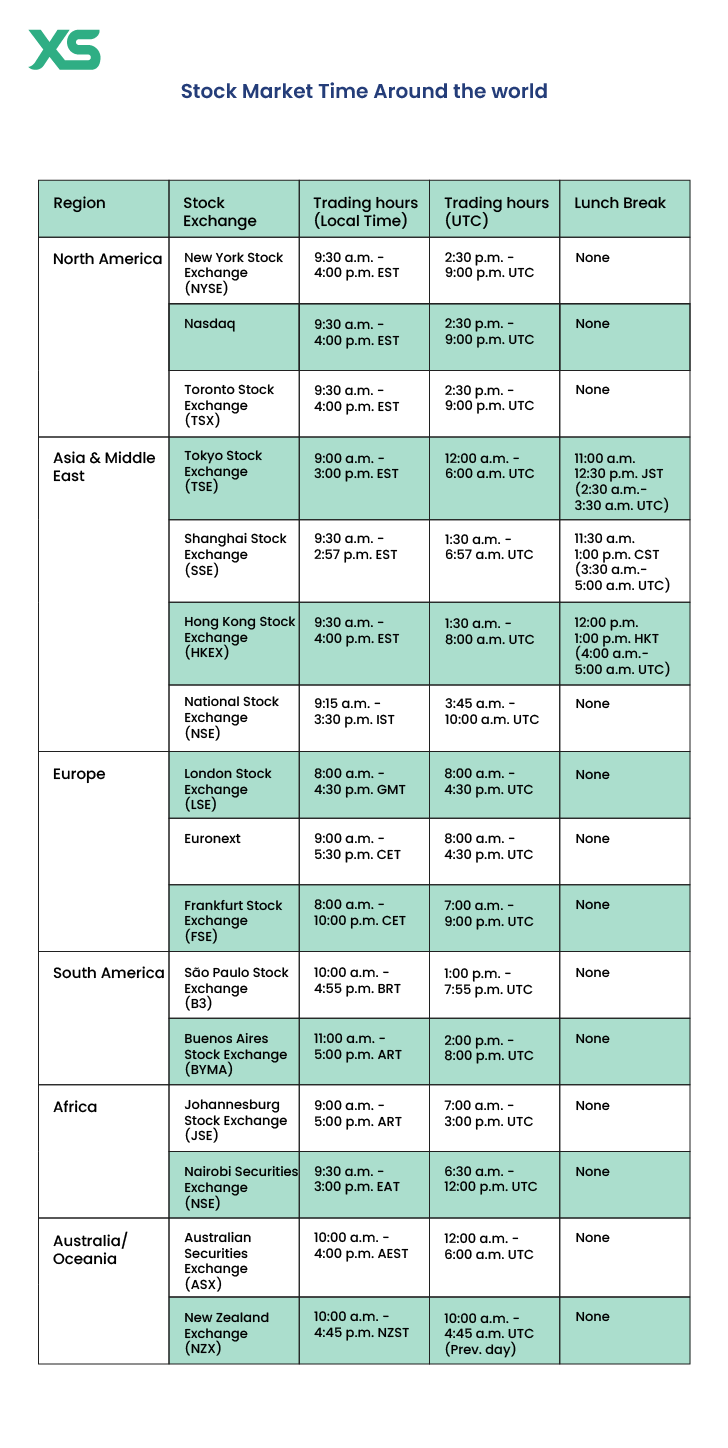
While the adage “the market never sleeps” holds true for the aggregate global financial system, individual stock exchanges adhere to specific opening and closing times. These schedules often reflect local business hours and time zones, leading to a staggered, 24-hour cycle of market activity across the globe.
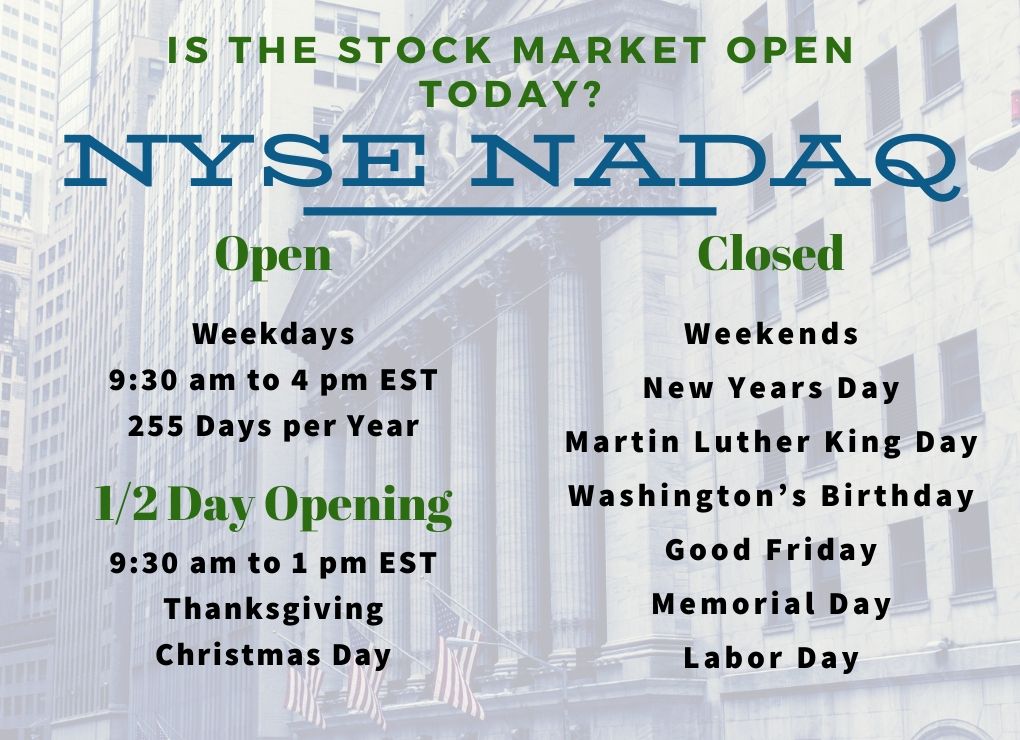
- North America: The New York Stock Exchange (NYSE) and Nasdaq, the two largest exchanges in the United States, operate from 9:30 AM to 4:00 PM Eastern Time (ET) on weekdays. This seven-and-a-half-hour window is considered the “regular trading session.” Similarly, the Toronto Stock Exchange (TSX) in Canada follows a 9:30 AM to 4:00 PM ET schedule.
- Europe: European exchanges generally have longer trading days. The London Stock Exchange (LSE) trades from 8:00 AM to 4:30 PM Greenwich Mean Time (GMT), while Euronext markets (Paris, Amsterdam, Brussels, Lisbon) typically run from 9:00 AM to 5:30 PM Central European Time (CET). The Frankfurt Stock Exchange (Xetra) operates from 9:00 AM to 5:30 PM CET.
- Asia: Asian markets vary. The Tokyo Stock Exchange (TSE) has a morning session (9:00 AM to 11:30 AM JST) and an afternoon session (12:30 PM to 3:00 PM JST), with a lunch break. The Shanghai Stock Exchange (SSE) and Shenzhen Stock Exchange (SZSE) in China also have similar split sessions (9:30 AM to 11:30 AM CST and 1:00 PM to 3:00 PM CST). The Hong Kong Stock Exchange (HKEX) operates from 9:30 AM to 12:00 PM HKT and 1:00 PM to 4:00 PM HKT.
These times are crucial because they define the period of highest liquidity and, typically, the tightest bid-ask spreads for most securities.
Regular Trading Sessions vs. Extended Hours
The “regular trading session” is what most investors refer to when discussing market hours. However, modern electronic trading systems have blurred these lines, giving rise to “extended-hours trading,” which includes pre-market and after-hours sessions.
- Pre-Market Trading: This typically occurs before the official opening bell, often starting as early as 4:00 AM ET for US markets. During this period, investors can place trades based on news that broke overnight or before the market officially opened.
- After-Hours Trading: This takes place after the official closing bell, usually extending until 8:00 PM ET or later for US markets. Major corporate earnings announcements or significant geopolitical events often occur after regular hours, making these sessions critical for immediate market reaction.
While these extended hours offer flexibility, they are characterized by lower liquidity, wider bid-ask spreads, and increased volatility, making them riskier environments for less experienced investors.
The Rationale Behind Defined Hours
The existence of defined trading hours, despite technological capabilities for 24/7 operations, serves several key purposes:
- Order and Stability: Fixed hours provide a structured environment, allowing for orderly opening and closing procedures, and preventing continuous, chaotic trading that could lead to burnout for market participants and regulators.
- Information Processing: The “down-time” between sessions allows market participants to digest news, analyze data, and prepare trading strategies without the immediate pressure of a live market. This period is vital for fundamental analysis and informed decision-making.
- Trade Settlement: While largely automated today, the processes of clearing and settling trades (ensuring that buyers receive their shares and sellers receive their funds) still require administrative and technical processes that are often more efficient when the market is not actively trading.
- Regulatory Oversight: Regulators rely on defined hours to monitor market activity, detect anomalies, and enforce rules. A continuous market would present significant challenges for real-time oversight.
These reasons highlight why, even with technological advancements, traditional exchanges largely maintain their defined operational windows.
Factors Influencing Market Closure Times
While standard operating hours form the backbone of market schedules, various factors can lead to deviations, from routine observances to extraordinary circumstances. Understanding these influences is essential for anticipating market accessibility.
Weekends and Public Holidays
The most predictable closures occur on weekends and public holidays. Globally, stock exchanges are closed on Saturdays and Sundays. Additionally, they observe national holidays in their respective countries.
- United States: US markets close for holidays such as New Year’s Day, Martin Luther King, Jr. Day, Presidents’ Day, Good Friday, Memorial Day, Juneteenth, Independence Day, Labor Day, Thanksgiving Day, and Christmas Day. It’s important to note that if a holiday falls on a weekend, the market closure is typically observed on the preceding Friday or following Monday.
- International Variations: Each country has its own set of national holidays. For example, Chinese markets close for Lunar New Year and Golden Week, while European markets observe holidays like Easter Monday and Assumption Day. Investors with global portfolios must keep track of these varied schedules to avoid missing trading opportunities or being caught off-guard.
- Impact on Trading: These closures mean that no trading can occur, and orders placed during these periods will typically be queued for execution on the next trading day. This can lead to significant market movements at the open if important news or events transpire during the closure.
Early Closures and Market Halts
Beyond full-day holidays, markets can also experience early closures or temporary halts, often in response to specific events or pre-planned observances.
- Early Closures: Some exchanges may close early on specific days, often preceding a major holiday. For instance, US markets typically close at 1:00 PM ET on the day before Independence Day and the day after Thanksgiving (Black Friday). These shortened sessions still see active trading but with reduced hours.
- Market Halts (Circuit Breakers): In times of extreme market volatility, exchanges implement “circuit breakers” that temporarily halt trading. These are designed to give investors time to digest information and prevent panic selling or buying. For example, US markets have different circuit breaker levels (7%, 13%, and 20% drops in the S&P 500) that trigger trading halts of varying durations, with a 20% drop before 3:25 PM ET leading to a halt for the remainder of the day.
- Extraordinary Circumstances: Markets may also close or halt trading due to unforeseen events like natural disasters, terrorist attacks, or major technical glitches. These closures are rare but highlight the flexibility required in managing financial infrastructure during crises. The aftermath of 9/11, for example, saw US markets close for several days.
Time Zone Differences and Global Trading
The existence of multiple time zones means that as one market closes, another is often opening, creating a continuous, albeit staggered, cycle of global trading.
- Sequential Trading: The trading day typically begins in Asia (e.g., Tokyo, Hong Kong, Sydney), moves to Europe (e.g., London, Frankfurt, Paris), and then concludes in the Americas (e.g., New York, Toronto). This sequential opening and closing ensures that capital markets are active somewhere in the world almost 24 hours a day, Monday through Friday.
- Information Arbitrage: This sequential nature allows for “information arbitrage,” where news or price movements in one region can influence the opening prices in the next region to open. For example, a major economic announcement in Europe can impact how Asian markets trade later that day, and how US markets open the following morning.
- Challenges for Global Investors: For investors with diversified international portfolios, managing positions across different time zones requires careful planning. Orders may need to be placed overnight, and monitoring news from various regions becomes crucial for risk management. Brokers and financial institutions often have dedicated global trading desks to manage these complexities.
These factors demonstrate that market closure times are not static but are subject to a range of influences, from routine calendar events to sudden, impactful occurrences.
Beyond the Bell: What Happens After Hours?
The concept of “closing” a market, while traditionally marking an end to the trading day, has evolved significantly with the advent of electronic trading platforms. The “after hours” period is far from dormant; it’s an increasingly active environment for certain types of trading and market reactions.
After-Hours and Pre-Market Trading Mechanics
Electronic Communication Networks (ECNs) and alternative trading systems (ATSs) facilitate trading outside the conventional market hours. These platforms allow institutional investors and, increasingly, retail investors, to place orders and execute trades before the opening bell and after the closing bell.
- Order Types: While most standard order types (market, limit, stop) are available, limit orders are predominantly used in extended-hours trading. Given the lower liquidity, market orders can be particularly risky, potentially leading to significantly worse execution prices due to wide bid-ask spreads.
- Participants: Historically, extended-hours trading was dominated by institutional investors, hedge funds, and sophisticated traders who needed to react quickly to late-breaking news or manage large positions. However, with the proliferation of online brokerage platforms, retail investors now have greater access to these sessions.
- Technology: These sessions are entirely electronic, removing the need for a physical trading floor. Algorithms play a significant role, executing trades based on pre-programmed rules and reacting to data feeds.
Impact of News and Events on Extended Sessions
Many significant market-moving events are strategically released outside of regular trading hours to give market participants time to digest the information before the next trading day begins.
- Earnings Reports: Most public companies release their quarterly earnings reports either before the market opens or after it closes. This timing allows analysts and investors to review the results and make informed decisions without the immediate pressure of an open market. Strong or weak earnings can cause immediate and dramatic price swings in after-hours trading.
- Economic Data: Key economic indicators (e.g., inflation reports, employment data, GDP figures) from government agencies or central banks are also often scheduled for release outside of peak market hours.
- Geopolitical Developments: Major political announcements, international incidents, or significant legislative changes can occur at any time and often trigger an immediate reaction in global extended-hours trading, especially if they impact sectors like energy, defense, or technology.
- Regulatory Announcements: Decisions by financial regulators or changes in market rules can also prompt rapid adjustments in after-hours trading.
The initial price action during extended hours can often set the tone for how the stock will trade during the next regular session, creating a feedback loop between off-hours news and subsequent market open.
Risks and Opportunities in Non-Standard Hours
Engaging in extended-hours trading presents a unique set of risks and opportunities that investors must carefully consider.
- Risks:
- Lower Liquidity: Fewer participants mean fewer buyers and sellers, leading to wider bid-ask spreads. This makes it harder to execute trades at desired prices and can result in significant slippage.
- Higher Volatility: Lower liquidity can amplify price swings in response to even small orders or news events.
- Uncertainty: Information available during extended hours may be less complete or verified, and the initial market reaction can be overblown or misinformed, only to be corrected during regular hours.
- Competition: Retail investors often compete with institutional traders who have superior technology, information access, and capital.
- Opportunities:
- Immediate Reaction to News: For agile traders, extended hours offer the chance to react to breaking news before the broader market, potentially profiting from early price movements.
- Flexibility: It allows investors who are busy during regular market hours to still participate in trading.
- Liquidity for Specific Stocks: Some highly liquid stocks, especially those in the tech sector or those with active news cycles, might still offer reasonable liquidity during extended hours.
For most investors, especially those with a long-term strategy, the risks of extended-hours trading often outweigh the potential rewards. It typically requires sophisticated tools, deep market knowledge, and a high tolerance for risk.
Strategic Implications for Investors
Understanding when markets close, and the dynamics of after-hours trading, is not merely academic; it has profound strategic implications for investors across all levels of experience. Integrating this knowledge into an investment approach can enhance decision-making, manage risk, and potentially uncover opportunities.
Planning Trades Around Market Hours
The regular trading session remains the period of highest liquidity and, generally, the most efficient pricing for most securities. Therefore, timing trades around these hours is a critical consideration.
- Optimal Execution: For large orders or for less liquid stocks, placing trades during regular hours, especially away from the volatile opening and closing minutes, often leads to better execution prices.
- Order Placement Strategies: Investors using limit orders can strategically place them to be active only during regular hours, or they can opt for “good ’til canceled” orders that span multiple days and potentially execute during extended hours if conditions are met. Understanding the difference is crucial.
- Impact of Market Opens: The opening of a market can be particularly volatile as all the overnight news and queued orders are processed. For day traders, this can present opportunities, but for long-term investors, it might be a period to observe rather than actively trade.
- Closing Bell Implications: The closing bell often sees a surge in trading volume as institutional investors execute “market-on-close” orders to rebalance portfolios or meet specific benchmarks. This can lead to price movements that may not reflect fundamental shifts but rather end-of-day positioning.
Careful planning regarding when to enter or exit positions, and using appropriate order types, can significantly impact an investor’s overall returns and risk exposure.
Managing Portfolio Risk and Volatility
Market closing times and the activity that occurs around them are integral to risk management strategies.
- Overnight Risk: When markets close, investors are exposed to “overnight risk.” Any significant news, economic data, or geopolitical events that occur while the market is closed can dramatically impact stock prices when trading resumes. This risk is amplified for international investors holding assets in different time zones.
- Hedging Strategies: Sophisticated investors might use options or futures contracts, which often trade for longer hours or even nearly 24/7 in some cases (e.g., S&P 500 futures), to hedge against potential adverse movements in their equity portfolios during off-hours.
- Information Lag: Retail investors, often with less access to immediate news feeds and analytical tools, may be at a disadvantage during extended hours. A prudent strategy for them often involves limiting exposure during these periods or waiting for the regular session when more information and liquidity are available.
- Diversification: A globally diversified portfolio, while offering potential benefits, also introduces the complexity of managing assets across multiple markets with different closing times, increasing the need for vigilance regarding global news flows.
Effective risk management involves not just choosing the right assets but also understanding the temporal dynamics of the markets in which those assets trade.
The Role of Technology in Off-Hour Trading
Technology has fundamentally reshaped how investors interact with markets, especially regarding off-hours trading.
- Algorithmic Trading: High-frequency trading firms and institutional investors heavily rely on algorithms to scan for opportunities and execute trades in milliseconds during both regular and extended hours. These algorithms can process vast amounts of data and react to news faster than human traders.
- Retail Platform Access: Online brokerage platforms have democratized access to extended-hours trading, enabling individual investors to place orders outside of standard market hours directly from their computers or mobile devices. This has significantly increased participation in pre-market and after-hours sessions.
- Information Dissemination: Financial news services, social media, and specialized data providers ensure that breaking news is disseminated almost instantly, regardless of market hours. This rapid information flow fuels the activity in extended sessions.
- Cybersecurity Concerns: With increased reliance on technology for off-hours trading, cybersecurity becomes paramount. Protecting trading accounts and personal financial information is a critical consideration for all investors.
The evolution of technology continues to push the boundaries of “market hours,” making it easier for investors to act on information and manage their portfolios, but also introducing new complexities and demands for constant awareness.
The Future of Market Hours: Towards 24/7 Trading?
The discussion around stock market closing times naturally leads to a larger question: will traditional exchanges eventually move towards 24/7 trading, mirroring the always-on nature of other digital services and certain modern asset classes?
Crypto Markets and Always-On Trading
Cryptocurrencies operate in a truly 24/7, global market environment. Unlike traditional stock exchanges, crypto exchanges never close.
- Continuous Liquidity: This provides continuous liquidity, allowing participants to buy and sell at any time, which can be advantageous for reacting to fast-moving global events.
- Price Discovery: Price discovery in crypto markets is constant, reflecting real-time supply and demand without the pauses associated with traditional market closures.
- Challenges: The constant nature of crypto trading also means there’s no “breather” for analysis or for market participants to step away, potentially leading to increased stress and burnout. It also presents challenges for regulatory oversight and trade settlement in the traditional sense.
The success and unique characteristics of 24/7 crypto markets often fuel the debate about extending traditional stock market hours.
Regulatory Considerations and Market Efficiency
Moving traditional stock markets to a 24/7 model would involve significant regulatory and operational hurdles.
- Investor Protection: Regulators would need to adapt frameworks to ensure investor protection in a continuous trading environment, addressing issues like market manipulation, insider trading, and fair execution across all hours.
- Market Surveillance: Monitoring and surveilling a 24/7 market for illicit activities would require a massive upgrade in technological capabilities and staffing for regulatory bodies.
- Operational Demands: Exchanges, brokers, and clearinghouses would need to overhaul their systems and staffing models to support continuous operations, which is a considerable cost and logistical challenge.
- Employee Well-being: The financial industry is already known for its demanding hours. A 24/7 market would place immense pressure on employees, potentially leading to burnout and a shortage of skilled personnel.
These challenges suggest that a full transition to 24/7 trading for major traditional stock markets is not imminent, despite technological feasibility.
Investor Demand and Technological Feasibility
While technology makes continuous trading largely feasible, the actual demand from the broad investor base for round-the-clock stock market access is debated.
- Institutional Demand: Large institutional investors might appreciate the ability to react immediately to global news, especially given their international portfolios.
- Retail Investor Demand: For the average retail investor, 24/7 access might lead to increased stress and potentially more impulsive, less informed trading decisions, rather than a significant benefit. Many prefer the structure and pause provided by defined hours.
- Hybrid Models: A more likely future might involve hybrid models, where primary markets retain their core hours, but extended-hours trading becomes even more liquid and accessible, effectively acting as a near-continuous market for certain highly traded securities. This would offer flexibility without entirely disrupting established market structures.
- Global Harmonization: Efforts to harmonize trading hours across different global exchanges could also be a step towards greater global market integration, even without going fully 24/7.
The future of stock market hours will likely be a balance between leveraging technological capabilities, responding to investor demand, and maintaining market stability and regulatory oversight. The closing bell, while evolving in its implications, is unlikely to disappear entirely in the near term, continuing to serve as a vital demarcation in the financial world.
aViewFromTheCave is a participant in the Amazon Services LLC Associates Program, an affiliate advertising program designed to provide a means for sites to earn advertising fees by advertising and linking to Amazon.com. Amazon, the Amazon logo, AmazonSupply, and the AmazonSupply logo are trademarks of Amazon.com, Inc. or its affiliates. As an Amazon Associate we earn affiliate commissions from qualifying purchases.