
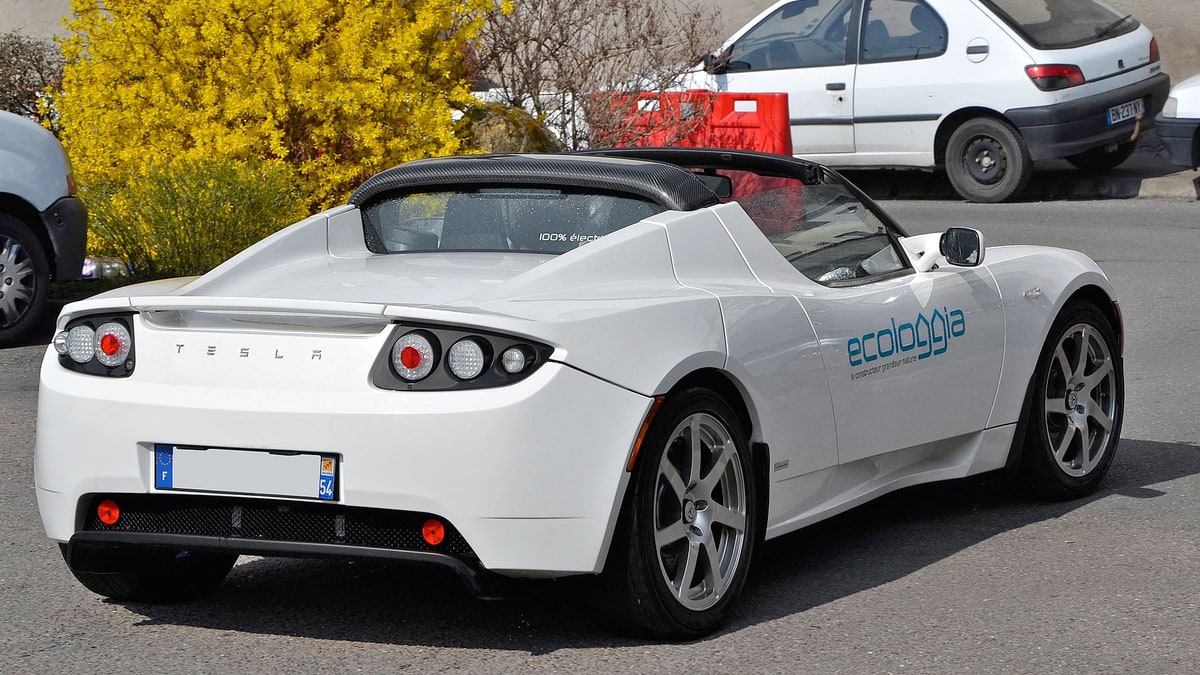
The automotive industry changed forever on February 1, 2008. While the world was on the precipice of a global financial crisis, a small, ambitious startup in San Carlos, California, achieved what many industry titans deemed impossible. That day marked the delivery of the very first production Tesla Roadster, known as “P1,” to its owner, Elon Musk. While the transaction itself was a private handover to the company’s chairman, it represented the first successful “sale” of a vehicle that would dismantle a century of internal combustion dominance.

For brand strategists and corporate historians, the first Tesla sale is not merely a chronological marker. It was the activation of one of the most sophisticated brand-building exercises in modern history. By delivering a $109,000 electric sports car at a time when electric vehicles (EVs) were synonymous with slow, unattractive golf carts, Tesla didn’t just sell a machine—it sold a new identity for the future of transportation.
The Genesis of a Brand: The First Delivery and the Power of P1
The delivery of the first Roadster was the culmination of five years of grueling engineering and branding pivots. Founded in 2003 by Martin Eberhard and Marc Tarpenning, Tesla Motors (as it was then known) spent years in “stealth mode” before unveiling the Roadster prototype in 2006. When the first production unit was finally handed over in early 2008, it signaled to the world that Tesla was no longer a “vaporware” company.
The Founders Series and the Halo Effect
The first wave of sales, known as the “Founders Series,” was a masterstroke in brand positioning. By limiting the initial run and pricing it at a premium, Tesla utilized a “top-down” market entry strategy. This created an immediate halo effect. The brand didn’t aim for the middle-class commuter; it aimed for the Silicon Valley elite and Hollywood A-listers.
When early adopters like George Clooney and Leonardo DiCaprio were seen with the Roadster, the brand identity shifted. It moved away from “environmental sacrifice” and toward “technological superiority.” The first sale was the catalyst for this narrative, proving that sustainability could be synonymous with status and performance.
Overcoming the “Compliance Car” Stigma
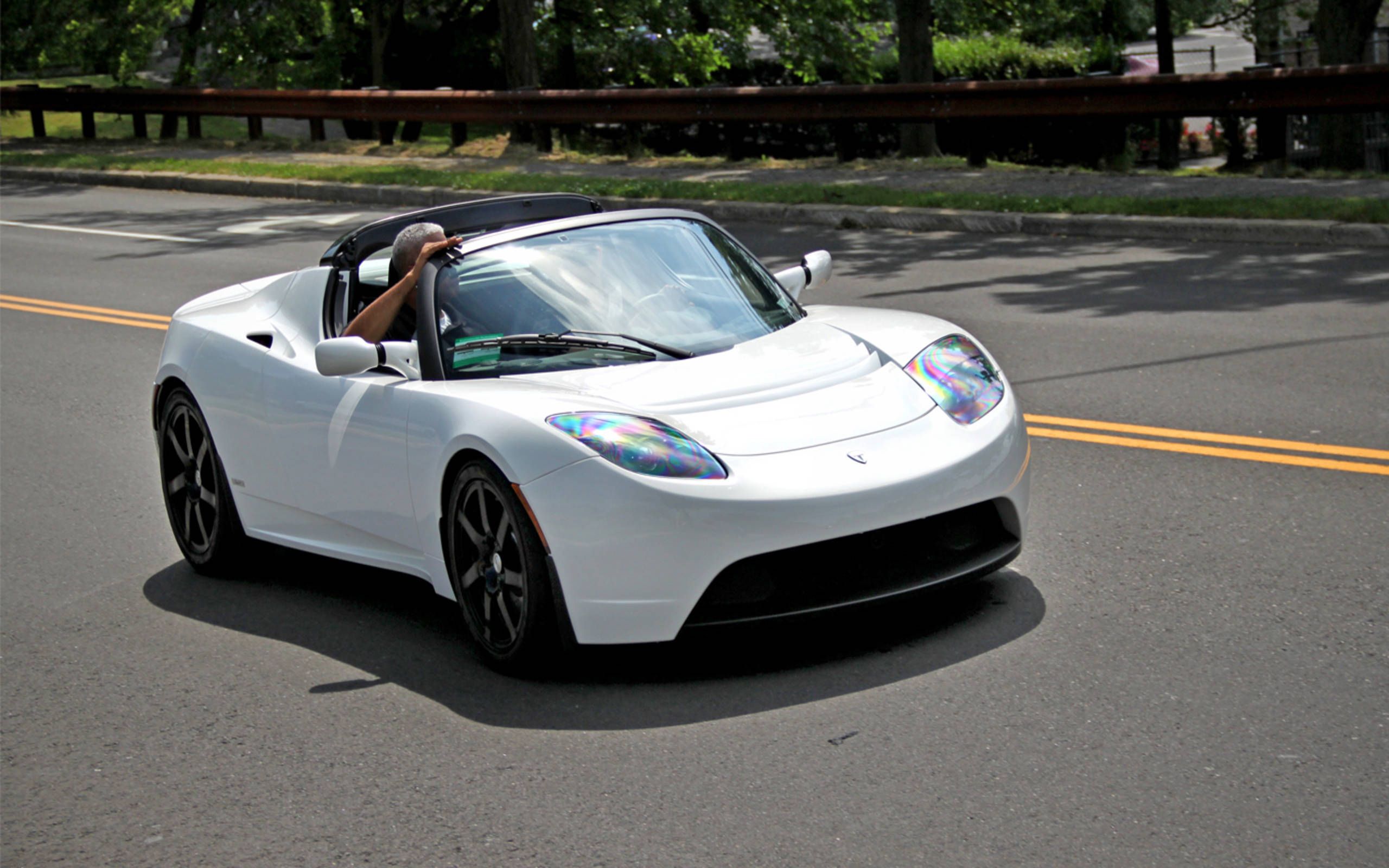
Before the first Tesla sale, the public’s perception of electric cars was dominated by the General Motors EV1 and the Toyota RAV4 EV—vehicles that were often viewed as “compliance cars” built only to satisfy regulatory requirements. These cars were marketed through the lens of guilt and duty. Tesla’s first sale changed the conversation. The Roadster was fast, hitting 60 mph in under four seconds, and it looked like a Lotus because, structurally, it was based on one. The brand strategy was clear: don’t sell the battery; sell the adrenaline.
The Secret Master Plan: How the First Sale Executed a Long-Term Vision
To understand why the first Tesla sale was so significant, one must look at the “Secret Tesla Motors Master Plan,” published by Elon Musk in August 2006. This document is a foundational text in corporate brand strategy, outlining a four-step process that began with that first Roadster sale.
Step One: Create a Low-Volume Car
The plan was transparent about the high price point of the initial sales. Tesla needed to build an expensive car to fund the development of cheaper ones. This transparency became a core part of the brand’s “authentic” identity. Customers weren’t just buying a car; they were “investing” in a mission to accelerate the world’s transition to sustainable energy. This mission-driven branding created a level of customer loyalty that traditional automakers, focused on quarterly sales targets, could not replicate.
Building Scarcity and Desire
The first sales were characterized by extreme scarcity. Production delays were frequent, and the company nearly went bankrupt several times. However, in the world of high-end branding, scarcity can be leveraged as an asset. The long wait times for the first Roadsters built a sense of exclusivity. By the time the first 500 units were sold and delivered, the Tesla brand had already achieved a “cult-like” status. The brand wasn’t just about a product; it was about an exclusive club of early adopters who were “living in the future.”
Redefining the Electric Aesthetic: Overcoming the “Green” Car Trap
One of the most profound impacts of the first Tesla sale was how it decoupled “green” from “boring.” Traditional branding for sustainable products often relied on earthy tones, soft imagery, and themes of conservation. Tesla’s branding, solidified by the Roadster’s market entry, was aggressive, sleek, and minimalist.
High Tech vs. High Nature
The brand identity established by the first Roadster was rooted in the aesthetics of Silicon Valley rather than Detroit or the traditional environmental movement. The interior was sparse, the interface was digital, and the silent torque of the motor was marketed as a “feature,” not a lack of engine noise. This “high-tech” branding allowed Tesla to compete with luxury brands like Porsche and Ferrari rather than fuel-efficient brands like Prius.
The Power of Performance Branding
The first sale proved that an electric car could outperform a gasoline car in a drag race. This shifted the brand’s primary value proposition from “saving the planet” to “dominating the road.” For the brand, this was a critical pivot. It allowed them to capture a segment of the market that cared about performance first and the environment second. By the time the first 1,000 units were on the road, the “Tesla” name was synonymous with “ludicrous” speed.
The Cultural Impact of the Roadster: Turning Customers into Brand Evangelists
When the first Tesla was sold, the company did not have a traditional marketing department or an advertising budget. Instead, they relied on the product and the mission to generate earned media. This approach redefined how automotive brands interact with their audience.
Community-Led Growth
Early Roadster owners were more than just customers; they were brand evangelists. Because the first sales were so high-profile and the technology was so disruptive, every delivery became a story. These owners would give rides to friends and family, effectively acting as decentralized showrooms for the brand. This organic growth model was bolstered by the “Tesla Motors Club” and other fan-driven communities that sprung up around the time of the first deliveries.
The CEO as the Brand
The first sale also cemented the role of the “celebrity CEO” in Tesla’s brand identity. By taking delivery of the first car himself, Musk positioned himself as the primary architect and first believer in the vision. The brand became inseparable from his personal brand—bold, risk-taking, and unconventional. This synergy allowed Tesla to maintain a massive presence in the public consciousness without spending a single dollar on Super Bowl ads or traditional print campaigns.
Legacy and Evolution: From the First Sale to a Trillion-Dollar Identity
The journey from the first Roadster sale in 2008 to the mass production of the Model 3 and Model Y is a testament to the power of a consistent brand narrative. That first sale wasn’t just about moving a single unit; it was about establishing the DNA of what would become the world’s most valuable automaker.
Scaling the Identity
As Tesla moved from the Roadster to the Model S in 2012, and eventually to the Model 3 in 2017, the brand had to evolve without losing its premium allure. The “Top-Down” strategy worked because the Roadster had successfully “democratized” the idea of the cool EV. By the time the more affordable models arrived, the brand prestige was already so high that the lower price point felt like a “luxury for the masses” rather than a compromise.
The Ripple Effect on the Global Brand Landscape
Every major automotive brand, from Volkswagen to Mercedes-Benz, has had to pivot their corporate identity in response to what Tesla started in 2008. The first Tesla sale forced the entire industry to redefine what “luxury” and “innovation” looked like. It proved that a brand could be built on software-over-the-air updates, direct-to-consumer sales, and a commitment to a singular, world-changing mission.
In retrospect, the sale of the first Tesla Roadster was the “Big Bang” of the modern electric era. It was the moment that abstract environmental goals met concrete, high-performance reality. For the world of brand strategy, it remains the ultimate case study in how to enter a stagnant market, flip the script on consumer expectations, and build a global icon from a single, high-stakes delivery. When Elon Musk drove P1 home in February 2008, he wasn’t just driving a new car—he was driving the first stake into the heart of the status quo.
aViewFromTheCave is a participant in the Amazon Services LLC Associates Program, an affiliate advertising program designed to provide a means for sites to earn advertising fees by advertising and linking to Amazon.com. Amazon, the Amazon logo, AmazonSupply, and the AmazonSupply logo are trademarks of Amazon.com, Inc. or its affiliates. As an Amazon Associate we earn affiliate commissions from qualifying purchases.