
The story of any successful brand often begins long before its widespread recognition, in the specific moment an idea takes root, a vision is cast, and a business is officially launched. For Texas Roadhouse, a name synonymous with hand-cut steaks, fall-off-the-bone ribs, and lively country music, understanding its inception is crucial to appreciating the meticulously crafted brand identity that has captivated millions. The question “when was Texas Roadhouse founded?” isn’t just a historical curiosity; it’s an entry point into a compelling brand narrative, revealing the strategic foresight and foundational principles that have propelled it to become a beloved American dining institution.

Texas Roadhouse first opened its doors on February 17, 1993, in Clarksville, Indiana. This date marks not merely the opening of a restaurant but the birth of a distinct brand that would challenge industry norms, cultivate an unparalleled customer experience, and etch its unique identity into the competitive casual dining landscape. The vision of its founder, Kent Taylor, was clear from the outset: to create not just a place to eat, but an experience – a “legendary” one, as their tagline suggests. This initial spark, the precise moment of its founding, laid the groundwork for every subsequent marketing campaign, menu innovation, and cultural development that has defined the Texas Roadhouse brand.
The Birth of a Brand: Pinpointing the Founding Moment
The act of founding a company is a pivotal moment, especially for a brand designed to resonate deeply with its target audience. For Texas Roadhouse, February 17, 1993, represents more than a calendar date; it signifies the genesis of a corporate identity built on specific values and a unique operational model.
A Vision Takes Root: The Entrepreneurial Spark
Kent Taylor, a veteran of the restaurant industry with experience at brands like KFC and Pizza Hut, harbored a distinct vision. He wasn’t aiming to create another generic steakhouse; he wanted to build an atmosphere that was both high-energy and family-friendly, offering high-quality food at an accessible price point. This entrepreneurial spark was fueled by an observation: while many steakhouses catered to a higher-end market, there was a significant gap for a place that combined exceptional steaks with a lively, unpretentious, and value-driven experience. Taylor’s initial vision, conceived even before the doors opened, dictated the brand’s core promise: “Legendary Food, Legendary Service.” This promise became the guiding star for every decision, from menu development to interior design and employee training. The founding date, therefore, is the moment this philosophical framework transitioned from concept to concrete reality.
The Inaugural Location: Setting the Stage
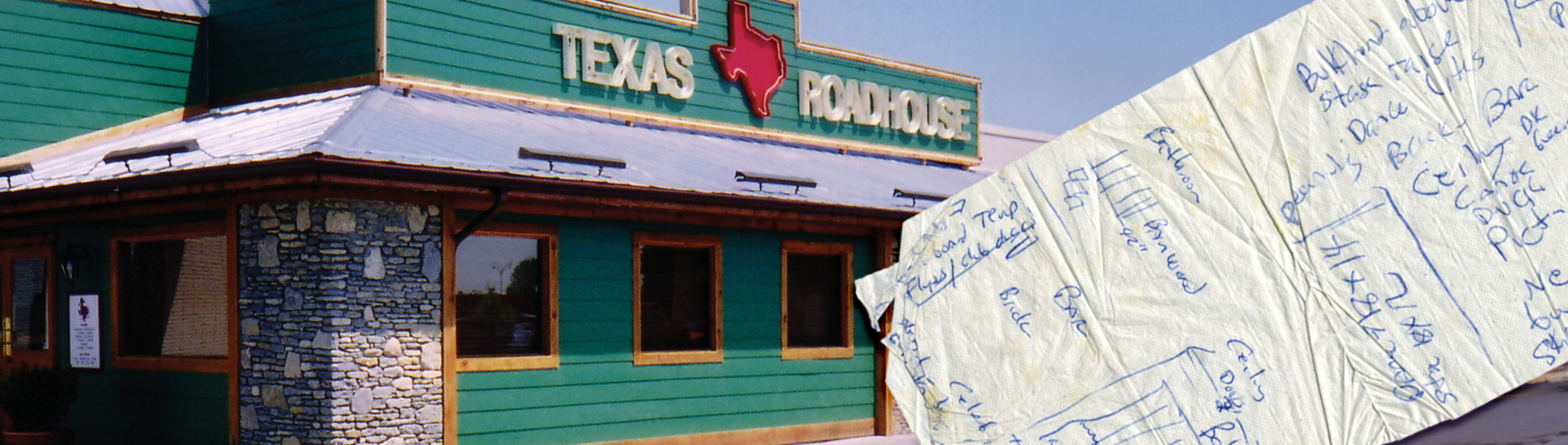
The choice of Clarksville, Indiana, for the very first Texas Roadhouse was strategic, though perhaps not immediately obvious as a culinary hotspot. It allowed Taylor and his team to refine their concept away from intense competition, focusing on perfecting the brand’s operational model and customer experience. The very first restaurant was designed to embody the “roadhouse” aesthetic – rustic, inviting, and distinctly American. From the barrels of peanuts to the hand-painted murals and the wooden decor, every element of the initial setup contributed to the nascent brand identity. This foundational location served as the laboratory where the core elements of the Texas Roadhouse brand – the free peanuts, the line dancing, the visible meat display, the scratch kitchen – were first tested and proven to resonate with customers. It demonstrated that the physical space and ambiance were just as critical to the brand as the food itself.
Early Brand Identity: Crafting the Core Values
From day one, Texas Roadhouse began crafting its identity around a set of core values that are still evident today. These included authenticity, value, fun, and genuine hospitality. The “Texas” in the name wasn’t just a geographical nod; it evoked a sense of rugged individualism, generosity, and a hearty, no-nonsense approach to food and life. The “Roadhouse” aspect signaled a casual, welcoming environment, a place where people could relax and enjoy themselves without pretense. These early identity markers were crucial for differentiation in a crowded market. They guided the selection of staff who embodied the brand’s energetic spirit and influenced the training programs that instilled a commitment to “legendary service.” The brand’s genesis in 1993 was a deliberate act of defining what it stood for, establishing a robust framework for its future growth and brand consistency.
From Concept to Culinary Contender: Early Branding and Market Entry
The initial years post-founding were critical for Texas Roadhouse to solidify its brand and establish a foothold in the competitive casual dining segment. This period was characterized by strategic branding decisions that differentiated it from existing players and cultivated a loyal customer base.
Distinguishing Through Experience: The “Roadhouse” Allure
The Texas Roadhouse brand was never just about the food; it was fundamentally about the experience. From the moment a customer walked in, they were immersed in an atmosphere designed for fun and engagement. The free buckets of peanuts (and the encouragement to throw shells on the floor) were not a gimmick but a deliberate branding choice that instantly communicated a relaxed, unpretentious environment. The visible meat cutting station showcased transparency and the promise of fresh, hand-cut steaks, building trust and reinforcing the brand’s commitment to quality. The enthusiastic, often line-dancing staff contributed significantly to the high-energy, celebratory atmosphere. These experiential elements, established from the founding days, became indelible parts of the Texas Roadhouse brand, distinguishing it far beyond its menu offerings and fostering a sense of community and belonging among its patrons.
Marketing the Authenticity: Word-of-Mouth and Local Engagement
In its early years, Texas Roadhouse’s marketing strategy leaned heavily on authenticity and local engagement, allowing its unique brand experience to speak for itself. Rather than relying on expensive national advertising campaigns, the brand focused on creating such a memorable experience that customers would become its best advocates. Word-of-mouth marketing was paramount. Local store marketing initiatives were tailored to connect with the specific communities each restaurant served, fostering a sense of being a neighborhood staple. This grassroots approach reinforced the brand’s identity as a genuine, community-focused establishment, rather than a faceless corporate chain. The consistency of food quality and service across its expanding locations further strengthened this perception, proving that the founding vision could be replicated without diluting the brand’s core essence.
Building a Unique Corporate Identity: Culture from Day One
A brand’s external identity is often a reflection of its internal culture. From its inception, Texas Roadhouse cultivated a distinctive corporate identity characterized by an energetic, supportive, and fun-loving workplace. Founder Kent Taylor was deeply involved in fostering this culture, believing that happy employees translated directly into happy customers. This focus on employee well-being and engagement became a cornerstone of the brand, influencing hiring practices, training methodologies, and retention strategies. The “Roadie” culture, as it became known, emphasized teamwork, enthusiasm, and a genuine passion for hospitality. This internal branding efforts not only reduced turnover but also ensured that every customer interaction reinforced the brand’s promise of “Legendary Service,” making the staff an integral part of the overall brand experience.
The Foundational Pillars of a Lasting Brand Strategy
The success of Texas Roadhouse in the decades following its 1993 founding can be attributed to a consistent adherence to core brand principles that were established early on. These pillars have allowed the brand to scale without losing its distinctive charm and appeal.
Consistency in Experience: The Cornerstone of Growth
One of the most critical elements of Texas Roadhouse’s enduring brand strategy has been its unwavering commitment to consistency. Regardless of the location, customers can expect the same high-quality food, energetic atmosphere, and friendly service. This predictability is a powerful brand asset, building trust and encouraging repeat visits. The recipes, training protocols, and operational standards developed in the founding years were rigorously applied and maintained as the company expanded. This consistency ensures that the “Texas Roadhouse experience” is reliably delivered, reinforcing the brand promise and solidifying customer loyalty across diverse markets. It’s a testament to the founder’s initial vision that the core experience has remained largely unchanged, a conscious decision to preserve what makes the brand unique.
Adapting Without Diluting: Evolving the Brand Promise
While consistency is key, successful brands also understand the need for subtle adaptation. Texas Roadhouse has masterfully evolved certain aspects of its brand without diluting its core promise. For instance, while the menu staples like steaks and ribs remain central, there have been carefully considered additions and updates to cater to changing consumer tastes and dietary preferences. Technology has been integrated (e.g., online ordering, waitlist apps), but always in a way that supports, rather than detracts from, the in-person, experiential dining. The brand has expanded its presence into new states and even internationally, demonstrating an ability to translate its unique appeal across different cultural contexts, all while staying true to the fundamental “Roadhouse” spirit and the “Legendary” commitment established at its founding.
Employee Engagement as a Brand Differentiator
The strength of the Texas Roadhouse brand is inextricably linked to its people. The emphasis on fostering a positive, engaging work environment has been a differentiator since its founding. Employees are not just staff; they are “Roadies” who embody the brand’s personality. This commitment to employee engagement translates into a more enthusiastic and authentic service experience for customers. By empowering its workforce and celebrating their contributions, Texas Roadhouse ensures that the human element of its brand – the “Legendary Service” – is consistently delivered. This focus on internal branding, making employees proud ambassadors of the company, is a powerful legacy of the brand’s initial cultural blueprint.
The Enduring Legacy: How Founding Principles Shape Modern Branding
The narrative of Texas Roadhouse’s founding in 1993 is not just a historical footnote; it’s a living blueprint that continues to inform its modern branding strategies and market positioning.
Sustaining Customer Loyalty Through Original Values
In a highly competitive industry, customer loyalty is a priceless asset. Texas Roadhouse has cultivated this loyalty by consistently upholding the original values laid out at its inception: quality food, generous portions, exceptional value, and a fun, welcoming atmosphere. These values, deeply embedded in the brand’s DNA from day one, resonate powerfully with its target demographic. Customers return not just for a meal, but for a trusted experience that reliably delivers on its promise. This sustained loyalty is a direct result of the brand’s steadfastness in honoring its founding principles, proving that authentic brand building yields long-term relationships with consumers.
The Brand Narrative: A Story of Authenticity and Community
Every strong brand has a compelling story, and Texas Roadhouse’s narrative is rooted in authenticity and community. Its origins as a single restaurant with a clear vision of providing “legendary” experiences to everyday people form the bedrock of this story. This narrative is continually reinforced through its marketing, its restaurant design, and its operational ethos. The brand successfully communicates a message of being down-to-earth, genuine, and dedicated to its customers. This story of humble beginnings and consistent quality creates an emotional connection, transforming a restaurant chain into a beloved cultural touchstone – a direct outcome of the identity forged during its founding.
Strategic Expansion: Maintaining Brand Essence at Scale
Expanding a successful brand globally while maintaining its essence is a monumental challenge. Texas Roadhouse’s post-1993 growth is a case study in how founding principles can guide strategic expansion. Each new location, while adapted to local nuances, adheres strictly to the core design, menu, and service standards that define the brand. This disciplined approach ensures that the unique “Roadhouse” feel and the “Legendary Food, Legendary Service” promise are consistently delivered, regardless of geography. The brand’s expansion strategy has been less about rapid proliferation and more about thoughtful, deliberate growth that preserves the integrity of the original concept, proving that the vision born in Clarksville, Indiana, was robust enough to scale successfully.
The Brand’s Future: Building on a Strong Foundation
As Texas Roadhouse looks to the future, its continued success will depend on its ability to innovate while staying true to the foundational brand principles established at its founding.
Innovation within Tradition: Keeping the Brand Relevant
The challenge for any long-standing brand is to remain relevant without abandoning the traditions that made it successful. Texas Roadhouse navigates this by embracing “innovation within tradition.” This means exploring new culinary techniques or ingredients that enhance, rather than replace, its core menu items. It also involves leveraging new technologies to improve efficiency or customer convenience, such as mobile apps for waitlists or online ordering, without compromising the in-person dining experience that is central to its brand. The brand continues to invest in its people, recognizing that the “Legendary Service” is a living, evolving aspect of its brand promise that requires continuous development and adaptation to new generations of customers and employees.
Digital Presence and Brand Storytelling
In the modern era, a brand’s digital presence is paramount. Texas Roadhouse has strategically built out its online platforms to extend its brand story and engage with customers beyond the physical restaurant. Its social media channels showcase the energetic atmosphere, the quality food, and the community involvement that are hallmarks of its brand. The website provides convenient access to menus and locations, while also subtly reinforcing the brand’s narrative of authenticity and fun. This digital storytelling ensures that the values born in 1993 are communicated effectively to a contemporary, digitally-savvy audience, keeping the brand vibrant and accessible in an ever-evolving media landscape.

Cultivating the Next Generation of “Legendary Food, Legendary Service”
Ultimately, the future of the Texas Roadhouse brand rests on its ability to cultivate the next generation of “Roadies” and customers who embrace its unique ethos. This involves ongoing investment in training and development to ensure that the spirit of “Legendary Service” continues to thrive. It also means engaging with younger demographics through relevant channels and experiences, ensuring that the brand’s core values resonate with evolving consumer expectations. By consistently reinforcing the foundational principles established when Texas Roadhouse was founded in 1993, the brand is poised to continue its legacy as a beloved American dining icon, proving that a strong beginning paves the way for a legendary future.
aViewFromTheCave is a participant in the Amazon Services LLC Associates Program, an affiliate advertising program designed to provide a means for sites to earn advertising fees by advertising and linking to Amazon.com. Amazon, the Amazon logo, AmazonSupply, and the AmazonSupply logo are trademarks of Amazon.com, Inc. or its affiliates. As an Amazon Associate we earn affiliate commissions from qualifying purchases.