
The question “When was Tesla created?” might seem like a simple query seeking a date, but delving into its answer unveils far more than just a historical fact. It unearths the foundational narrative of a brand that has not only revolutionized the automotive industry but also profoundly reshaped public perception of electric vehicles, renewable energy, and technological innovation. The genesis of Tesla is a compelling case study in brand strategy, corporate identity formation, and the power of a disruptive vision. Understanding its origins is crucial to comprehending how Tesla evolved from a nascent startup into one of the world’s most recognizable and influential brands, a testament to strategic foresight, relentless execution, and a fiercely cultivated brand ethos.

Tesla, Inc., originally incorporated as Tesla Motors, was founded on July 1, 2003, by Martin Eberhard and Marc Tarpenning. This date marks the official inception of a company whose mission was audacious: to accelerate the world’s transition to sustainable energy. From its very first day, the brand’s core identity was intrinsically linked to challenging the status quo, marrying high-performance vehicles with zero-emission technology. This initial commitment laid the groundwork for a corporate identity that would consistently prioritize innovation, sustainability, and a premium user experience, setting it apart from incumbent automotive giants and emerging tech companies alike.
The Formative Years: Laying the Cornerstone of a Disruptive Brand
The initial vision for Tesla was not merely to build an electric car, but to create an electric sports car that could outperform gasoline-powered counterparts. This strategic decision was paramount to its early brand positioning, aiming to dispel the prevailing notion that electric vehicles were slow, impractical, or unappealing. By targeting a niche luxury market, Tesla sought to establish credibility and desirability before venturing into mass-market segments.
The Initial Visionaries and the Birth of Tesla Motors
Martin Eberhard and Marc Tarpenning, both experienced entrepreneurs from the tech sector, conceived Tesla Motors with a clear understanding that for electric vehicles to succeed, they needed to be compelling. They recognized that previous attempts had failed largely due to a lack of desirability and performance. Their strategy was to start at the top, building a premium, high-performance vehicle that would capture attention and demonstrate the capabilities of electric propulsion. This approach was critical for brand perception; it aimed to associate the Tesla name with cutting-edge technology, speed, and environmental consciousness right from the outset. The choice of the name “Tesla” itself was a deliberate homage to Nikola Tesla, the Serbian-American inventor renowned for his contributions to the design of the modern alternating current (AC) electricity supply system. This naming decision immediately anchored the brand in a legacy of scientific brilliance and innovation, subtly communicating its technological ambition.
Defining a Mission: Beyond Just Electric Cars
From its very inception, Tesla’s mission statement was not confined to being just another car company. Its stated goal was “to accelerate the world’s transition to sustainable energy.” This broader vision was, and remains, a powerful element of its corporate identity and marketing strategy. It elevates the brand beyond mere product features, positioning it as a protagonist in a larger global narrative about environmental responsibility and technological progress. This mission-driven approach resonated deeply with a growing segment of consumers who were looking for products that aligned with their values. It allowed Tesla to attract not only early adopters of technology but also environmentally conscious individuals and those seeking a lifestyle brand that embodied forward-thinking ideals. This holistic vision meant that every product, from the vehicles themselves to battery storage solutions and solar panels, would be seen as part of a cohesive effort towards a sustainable future, strengthening the brand’s unique selling proposition.
The Elon Musk Factor: Catalyzing Brand Identity and Ambition
While Eberhard and Tarpenning founded Tesla, the brand’s trajectory was dramatically altered with the involvement of Elon Musk. Musk’s early investment and subsequent leadership were instrumental in scaling Tesla’s ambitions and shaping its public image, transforming it from a promising startup into a global phenomenon. His persona became inextricably linked with the brand, a rare instance where a CEO’s personal brand significantly amplifies the corporate identity.
Early Investment and Strategic Leadership
Elon Musk first invested in Tesla in February 2004, leading the Series A round of funding. He became the chairman of the board and, eventually, CEO and product architect. Musk’s entry brought not only crucial capital but also a profound shift in strategic direction and a relentless drive for innovation. His vision transcended the initial plan for just one electric sports car, aiming for a broader product roadmap that included more affordable vehicles and eventually, comprehensive energy solutions. This expanded ambition was key to Tesla’s corporate identity, signaling that the company was not content with incremental improvements but sought to disrupt entire industries. Musk’s background in technology and his track record with PayPal also lent significant credibility to Tesla’s brand, associating it with bold, successful ventures.
Shaping the Narrative: From Startup to Iconoclast
Elon Musk’s leadership propelled Tesla into the spotlight, making it a subject of intense media scrutiny, public fascination, and considerable debate. His distinctive communication style, often unconventional and direct, became a core part of Tesla’s brand narrative. He leveraged social media and public appearances to articulate a compelling vision for the future, positioning Tesla as a leader not just in electric vehicles, but in AI, autonomous driving, and sustainable living. This highly visible leadership style helped forge an image of Tesla as an iconoclastic innovator, unafraid to challenge established norms and push technological boundaries. It fostered a unique brand loyalty, not just to its products, but to its mission and the charismatic figure leading it. This narrative attracted top talent, enthusiastic investors, and a dedicated community of customers who felt they were part of a larger movement.
Navigating Early Challenges: Forging a Resilient Brand Identity

Tesla’s journey was far from smooth. Its early years were marked by significant technical hurdles, financial crises, and widespread skepticism from both the automotive industry and the media. However, navigating these challenges played a crucial role in forging a resilient and compelling brand identity, demonstrating its tenacity and commitment to its audacious vision.
Overcoming Production Hurdles and Skepticism
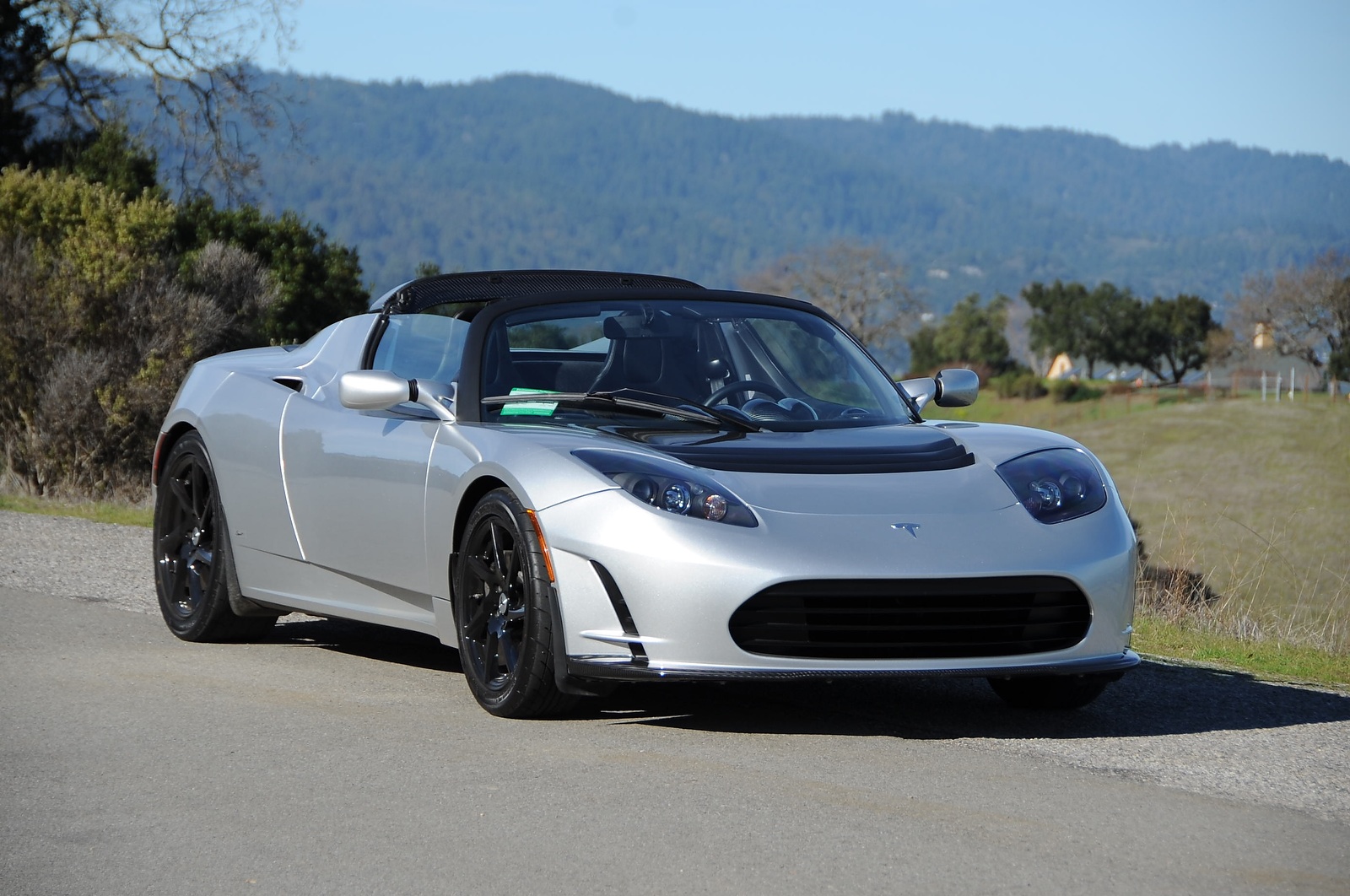
The development and production of Tesla’s first vehicle, the Roadster, was fraught with difficulties. Engineering complexities, battery technology challenges, and manufacturing woes led to delays and cost overruns. At this stage, the brand’s corporate identity was being tested. Would it be seen as another failed startup, or a tenacious pioneer? The ability to persist through these challenges, and eventually deliver a groundbreaking product, solidified Tesla’s image as a company that could overcome adversity. This resilience became a cornerstone of its brand story, portraying it as an underdog fighting against powerful incumbents. This narrative resonated strongly with consumers and investors who valued perseverance and disruptive innovation. The skepticism from traditional auto manufacturers and financial analysts, rather than deterring the brand, often fueled its narrative of being an outsider proving the impossible.
The Roadster’s Impact: Proof of Concept for a New Era
The launch of the Tesla Roadster in 2008 was a pivotal moment for the brand. Despite its high price tag and limited production, the Roadster was more than just a car; it was a powerful statement of intent. It proved that an electric vehicle could be fast, stylish, and desirable – not just an eco-friendly compromise. The Roadster achieved 0-60 mph in under 4 seconds, had a range of over 200 miles, and featured a sleek design that stood in stark contrast to the utilitarian electric cars of the past. This product effectively debunked myths surrounding electric vehicle performance and range, establishing Tesla’s brand identity as a leader in electric powertrain technology and performance. It garnered critical acclaim and celebrity endorsements, generating significant buzz and positioning Tesla as a legitimate player capable of competing with established luxury sports car manufacturers. The Roadster wasn’t just a car; it was a brand ambassador, a tangible manifestation of Tesla’s disruptive vision.
The Brand’s Evolution: From Niche Player to Mass-Market Innovator
Building on the success and lessons learned from the Roadster, Tesla embarked on an ambitious expansion strategy, aiming to bring its innovative technology to a broader market. This period marked a significant evolution in its brand strategy, moving from an exclusive luxury brand to one that sought to redefine the entire automotive and energy landscape.
Scaling the Vision: Model S and Beyond
The introduction of the Model S in 2012 was a watershed moment, fundamentally transforming Tesla’s brand perception and market position. The Model S was designed to be a premium electric sedan, offering unparalleled range, performance, and advanced technology, all wrapped in an elegant and spacious package. It was a direct challenge to the flagship sedans of luxury brands like Mercedes-Benz, BMW, and Audi. The Model S garnered numerous accolades, including MotorTrend’s Car of the Year, proving that an electric vehicle could compete, and even surpass, traditional gasoline cars in mainstream segments. This success cemented Tesla’s corporate identity as a legitimate, high-volume automotive manufacturer and technological leader. Subsequent models, like the Model X SUV and the mass-market Model 3, further diversified the product portfolio, extending the brand’s reach and consolidating its reputation for innovation, safety, and performance across different consumer segments.
Crafting a Unique Brand Experience: Direct Sales and Superchargers
Beyond its vehicles, Tesla built a unique brand experience through its innovative direct-to-consumer sales model and proprietary Supercharger network. Bypassing traditional dealerships, Tesla maintained direct control over the customer journey, from initial interest to after-sales service. This approach allowed for consistent brand messaging, transparent pricing, and a seamless digital experience that resonated with tech-savvy consumers. The development of the Supercharger network was another strategic move that profoundly impacted brand perception. By investing heavily in infrastructure, Tesla addressed a major pain point for electric vehicle owners – range anxiety – long before competitors caught up. This network became a powerful selling point and a symbol of Tesla’s commitment to its customers and the broader EV ecosystem. It fostered a sense of community among Tesla owners and reinforced the brand’s identity as a comprehensive solutions provider, not just a car manufacturer. This integrated ecosystem approach created a unique competitive advantage and a fiercely loyal customer base.
Tesla’s Enduring Legacy: A Brand That Redefined Industries
Today, Tesla is more than just an automotive company; it is a powerful brand that has fundamentally altered perceptions and accelerated transitions across multiple industries. Its creation date, July 1, 2003, marks the beginning of a journey that has left an indelible mark on technology, business, and culture.
The Ripple Effect on Automotive and Energy Sectors
Tesla’s creation and subsequent growth ignited a transformative ripple effect across the automotive industry. Its success forced traditional automakers to take electric vehicles seriously, spurring massive investments in EV research, development, and production. What was once a niche market championed by a single disruptive brand is now the future direction of the entire industry. Beyond vehicles, Tesla’s influence extends to the energy sector, through its Powerwall home battery storage and solar energy solutions. These products reinforce the brand’s overarching mission of sustainable energy, positioning it as a holistic energy company rather than just a car maker. Tesla’s brand identity is now synonymous with the future of sustainable living, driving competition and innovation across interconnected industries. Its presence has fundamentally shifted consumer expectations regarding vehicle performance, technology integration, and environmental responsibility, compelling competitors to adapt or risk obsolescence.
Sustaining Brand Relevance in a Competitive Landscape
As the automotive and energy landscapes become increasingly saturated with electric options from legacy automakers and new startups, Tesla faces the ongoing challenge of sustaining its brand relevance and competitive edge. Its early lead in technology, battery efficiency, and charging infrastructure has been instrumental, but the brand’s long-term success will continue to hinge on its ability to innovate and maintain its distinct identity. The strength of the Tesla brand, rooted in its founding vision of disruption and sustainable energy, allows it to command a premium and maintain a loyal following. Its corporate identity, forged through early struggles and monumental achievements, continues to be defined by its commitment to pushing boundaries, challenging conventions, and accelerating humanity’s transition to a more sustainable future. The story of “when Tesla was created” is thus not just a historical footnote; it is the origin story of a brand that continues to shape our present and future.
aViewFromTheCave is a participant in the Amazon Services LLC Associates Program, an affiliate advertising program designed to provide a means for sites to earn advertising fees by advertising and linking to Amazon.com. Amazon, the Amazon logo, AmazonSupply, and the AmazonSupply logo are trademarks of Amazon.com, Inc. or its affiliates. As an Amazon Associate we earn affiliate commissions from qualifying purchases.