
In the modern corporate landscape, establishing a safe, productive, and reliable workplace is a top priority for organizations of all sizes. As businesses seek to mitigate risk and maintain high operational standards, pre-employment and random drug screening have become standardized procedures. Among the various screening options available, the 12-panel drug test stands out as one of the most comprehensive diagnostic tools currently utilized by human resources departments and occupational health providers.
Understanding exactly what this test covers is essential for stakeholders—ranging from employers ensuring compliance with safety regulations to HR professionals drafting drug-free workplace policies. By analyzing the breadth of a 12-panel screen, companies can better understand the scope of their screening programs and how they correlate with broader industry standards for substance use mitigation.
The Scope of the 12-Panel Drug Screen
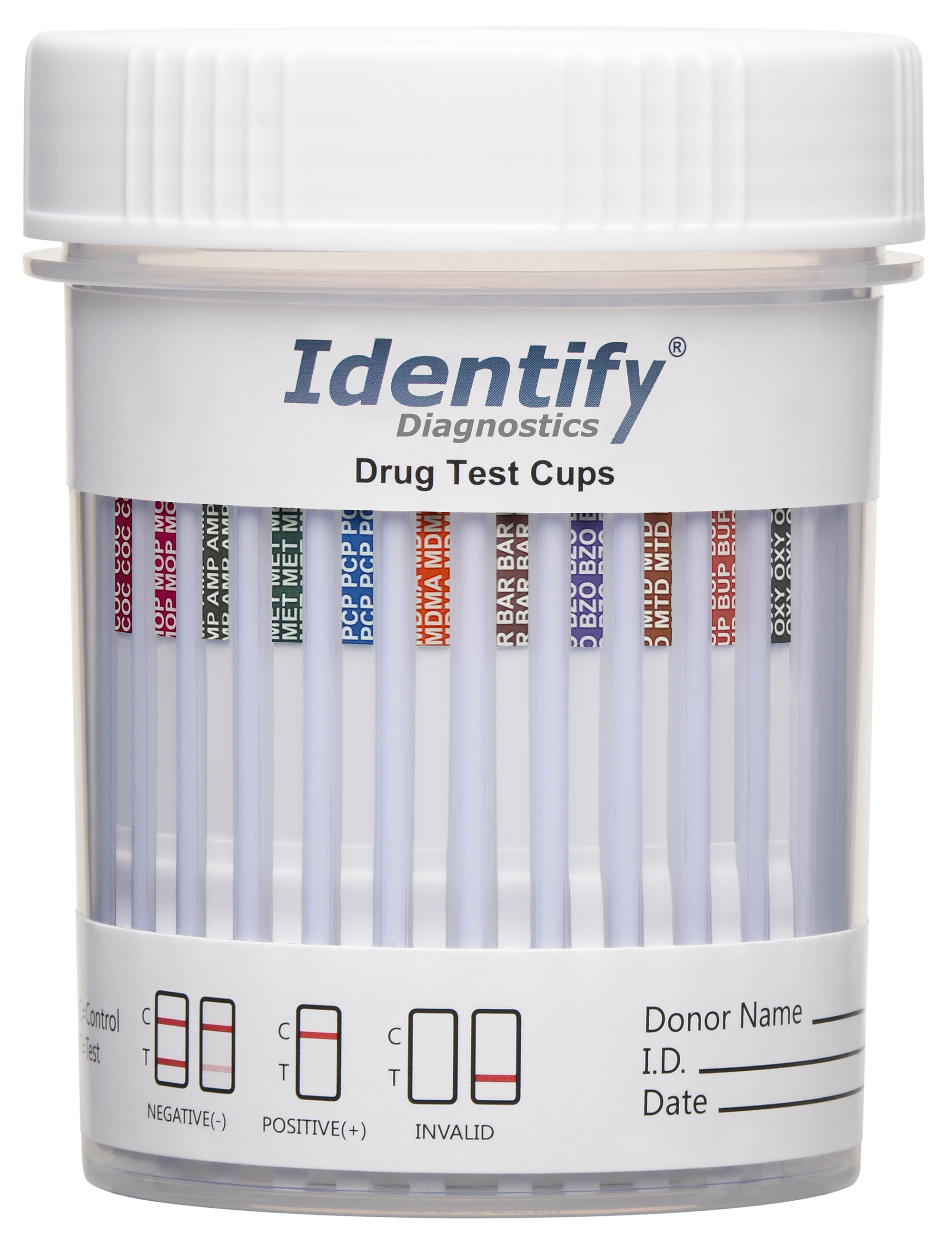
A 12-panel drug test is a laboratory or point-of-collection diagnostic tool designed to detect the presence of twelve distinct classes of substances in a biological sample, typically urine. While standard 5-panel tests are the baseline for many industries, the 12-panel test offers a significantly broader diagnostic net. This expanded range allows organizations to screen for both common illicit substances and specific prescription medications that, if misused, could compromise safety and performance.
Standardized Substance Detection
The primary objective of the 12-panel test is to identify substances that are most frequently associated with workplace impairment. The comprehensive nature of this test ensures that individuals cannot easily bypass a screening by using substances that fall outside of the traditional 5-panel scope.
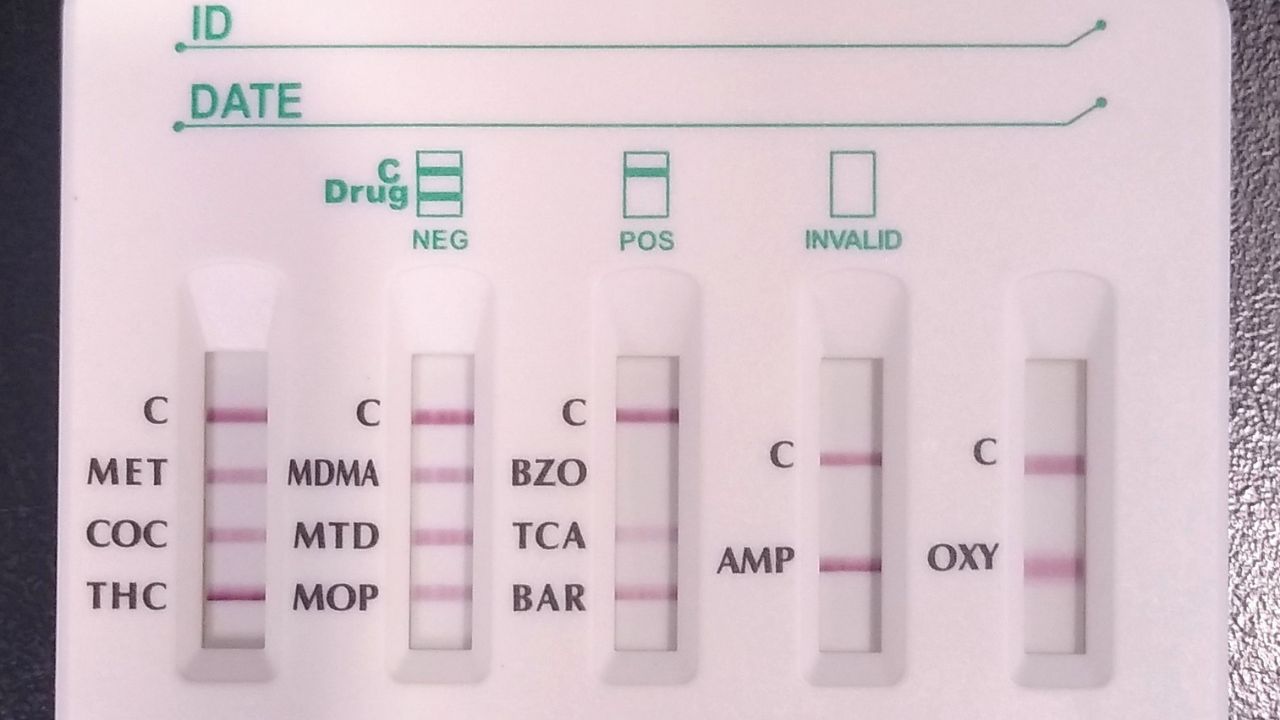
The typical substances screened include:
- Amphetamines: Central nervous system stimulants that can lead to erratic behavior or heightened aggression.
- Barbiturates: Central nervous system depressants often prescribed for anxiety or sleep disorders, but which carry high risks of sedation and impaired coordination.
- Benzodiazepines: Widely prescribed for anxiety, these drugs can significantly slow reaction times and cognitive function, creating risks in safety-sensitive environments.
- Cocaine: A potent stimulant that can lead to sudden shifts in temperament and diminished judgment.
- Marijuana (THC): Often the most common focus of screenings, testing for the presence of cannabinoids is standard across most corporate sectors.
- Methadone: Often used in treatment programs, this substance is included because it can have sedative effects that impact workplace safety.
- Methaqualone: While less common today, it remains part of the traditional 12-panel profile.
- Opiates: Including codeine, morphine, and heroin, these substances pose significant risks due to their potential for extreme sedation and cognitive clouding.
- Oxycodone: A semi-synthetic opioid that is highly addictive and frequently monitored due to its widespread availability and potential for abuse.
- Phencyclidine (PCP): A potent hallucinogen that can induce dissociative states, making it a critical concern for public safety and heavy equipment operations.
- Propoxyphene: A synthetic opioid analgesic, frequently monitored for safety compliance.
- Tramadol: Recently added to many expanded panels, this synthetic opioid is monitored because of its potential for dependence and sedation.
Strategic Implementation in Corporate Environments
Integrating a 12-panel test into a corporate drug-free workplace program is a strategic decision that goes beyond simple compliance. For leadership and HR professionals, selecting this specific panel signifies a commitment to high-stakes risk management, particularly in sectors like logistics, manufacturing, construction, and healthcare.
Aligning Policy with Operational Risk
When an organization chooses to move from a 5-panel to a 12-panel screening process, it is often a response to the evolving nature of substance abuse. As prescription drug misuse has become a broader societal concern, many companies find that their traditional screening methods are no longer sufficient to identify the risks associated with the abuse of legal, but highly impairing, medications.
By implementing the 12-panel test, corporations can:
- Standardize Safety Protocols: Ensure that all employees, regardless of role, are subject to a uniform standard of fitness for duty.
- Reduce Liability: Demonstrate to insurers and regulatory bodies that the organization takes proactive steps to prevent substance-related accidents, which can lead to lower insurance premiums and better legal protection.
- Identify Support Needs: In some instances, a positive test result allows HR to steer employees toward Employee Assistance Programs (EAPs) or rehabilitation resources, maintaining a supportive culture while upholding safety standards.
The Role of MROs in Data Integrity
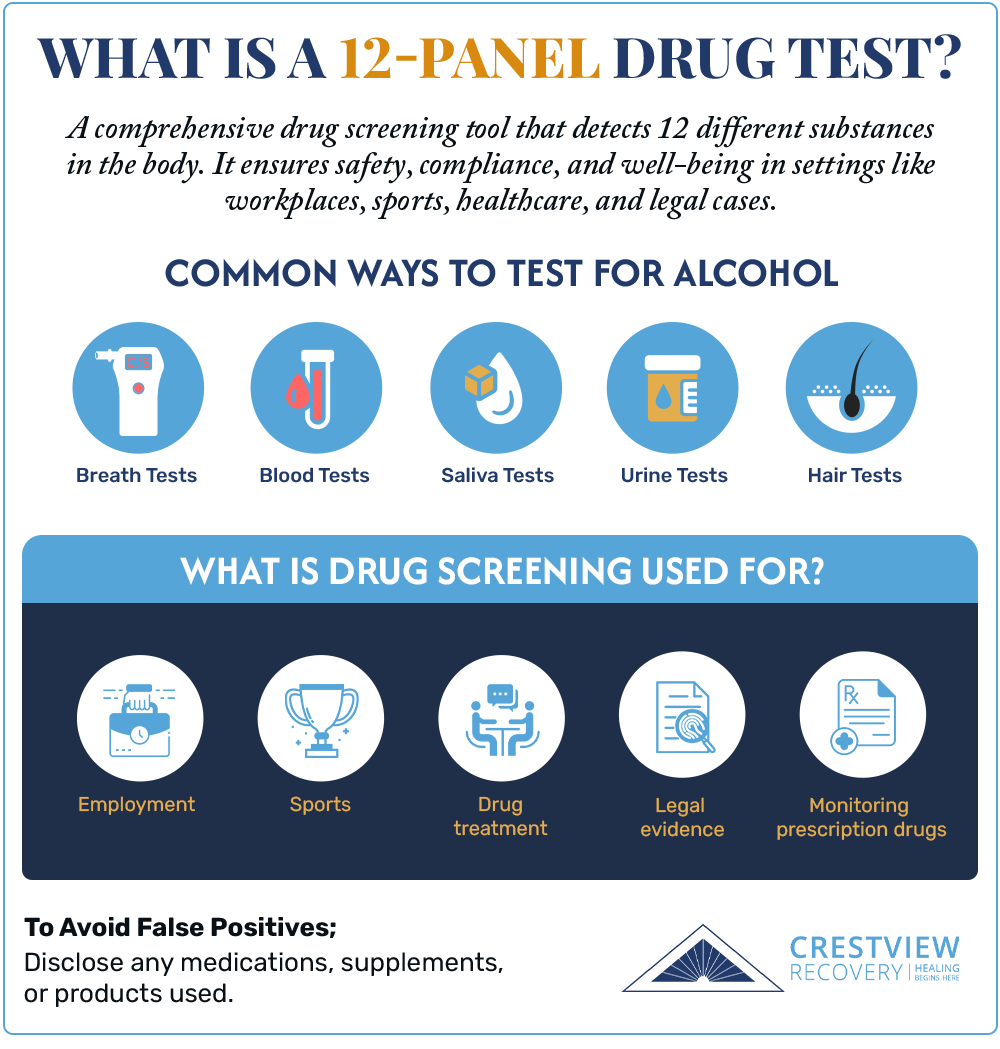
One of the most critical aspects of the 12-panel screening process is the involvement of a Medical Review Officer (MRO). Because many of the substances tested—such as benzodiazepines, opiates, and amphetamines—have legitimate medical uses, the potential for “false positives” due to prescribed medication is high.
An MRO serves as a gatekeeper in this process. They review laboratory findings, reach out to the employee to verify prescriptions, and ensure that the final result reported to the employer is accurate and legally defensible. This step is non-negotiable for any organization wishing to maintain the integrity of its drug-free workplace policy and avoid the legal pitfalls associated with wrongful termination or discriminatory hiring practices.
Navigating Legal and Ethical Considerations
While the 12-panel test provides robust data, its application must be balanced against evolving labor laws, state regulations, and privacy concerns. As the legal landscape regarding substances—particularly marijuana—shifts rapidly, HR departments must ensure their testing policies remain both compliant and fair.
Balancing Compliance with Privacy
The transition to a 12-panel test requires updated documentation and clear communication with the workforce. Transparency is the cornerstone of an effective testing program. Employees should be fully aware of:
- The Scope of the Test: What substances are being tested and why.
- The Consequences: The specific disciplinary actions associated with positive results.
- The Appeal Process: How an employee can challenge a result or provide documentation from a healthcare provider regarding prescription usage.
The Impact of Evolving State Legislation
In jurisdictions where certain substances have been decriminalized or legalized for medical or recreational use, the interpretation of a “positive” drug test has become increasingly complex. For example, even if a substance is legal in a specific state, federal law or private sector safety requirements may still permit an employer to prohibit its use or presence in the body during working hours.
For companies operating across state lines, navigating these disparate legal frameworks is a challenge. A 12-panel test remains the gold standard because it provides data that is granular enough for legal counsel to interpret based on specific local labor codes. It allows for a nuanced approach where an employer can distinguish between illicit substance use and the presence of prescribed medication, provided the MRO process is properly utilized.
Future-Proofing Substance Screening Programs
As technology advances, the methodologies used in substance screening are evolving. While the 12-panel test remains a staple of current workplace culture, businesses should continue to look ahead to how they manage workplace impairment.
Beyond the Panel: Holistic Wellness
The 12-panel test is a snapshot in time—a necessary tool for identifying risk at the moment of intake or incident. However, forward-thinking organizations are increasingly viewing this as only one part of a larger wellness strategy. By combining rigorous testing with educational initiatives, mental health support, and robust EAPs, companies can move from a purely reactive stance to a proactive model of employee health.
The inclusion of more comprehensive screening like the 12-panel test serves as a deterrent, but it also opens a dialogue about the importance of medication management and the impact of substance use on professional performance. By treating the testing process as a component of a larger safety and health architecture, employers can create an environment where the standards are clear, the process is fair, and the ultimate goal—a safe and healthy workforce—is achievable.
In conclusion, the 12-panel drug test is more than a list of substances; it is a vital tool for organizational governance. For the modern enterprise, it provides the clarity necessary to navigate complex safety requirements, manage legal liability, and foster a professional environment where all employees are equipped to perform their duties safely and effectively. Through careful policy implementation and reliance on medical professionals, businesses can leverage this testing standard to secure their operational future.
aViewFromTheCave is a participant in the Amazon Services LLC Associates Program, an affiliate advertising program designed to provide a means for sites to earn advertising fees by advertising and linking to Amazon.com. Amazon, the Amazon logo, AmazonSupply, and the AmazonSupply logo are trademarks of Amazon.com, Inc. or its affiliates. As an Amazon Associate we earn affiliate commissions from qualifying purchases.