
The question “When was Spirit Airlines founded?” might seem straightforward, eliciting a simple date. However, the answer is a fascinating journey through several transformations, each pivotal in shaping the distinctive brand we know today. Spirit Airlines, renowned for its ultra-low-cost carrier (ULCC) model, didn’t emerge fully formed with its signature yellow planes and “Bare Fare” philosophy. Instead, its history is a testament to strategic evolution, marked by shifts in corporate identity and market positioning that ultimately defined its unique brand in the highly competitive aviation industry. Tracing its origins reveals not just a timeline, but a deliberate, often daring, brand strategy that began decades before its current incarnation.

The Humble Beginnings: From Trucking to Charter Flights (1964-1990)
The story of Spirit Airlines doesn’t begin in the skies but on the roads, an unlikely origin that underscores the transformative power of entrepreneurial vision and strategic rebranding. Its initial form was far removed from passenger aviation, laying the groundwork for a future where adaptability would become a key brand characteristic.
Clipper Trucking Company: An Unlikely Precursor (1964)
The earliest roots of what would become Spirit Airlines can be traced back to 1964 with the establishment of the Clipper Trucking Company. Based in Warren, Michigan, this enterprise was exactly what its name suggested: a trucking operation. At this point, there was no connection to aviation, no vision of flying passengers across the country, and certainly no hint of a future as a disruptive airline brand. This initial phase, while not directly related to aviation, highlights the long gestation period that some major brands undergo, often originating from entirely different sectors before a pivotal pivot reshapes their destiny. The very existence of this precursor emphasizes that corporate identity is fluid and can be dramatically re-imagined. For Spirit, this early, non-aviation existence serves as a stark contrast to its eventual brand, making its transformation all the more remarkable.
Charter One: Spreading Wings in Leisure Travel (1983)
The first significant step toward aviation occurred in 1983 when the company, under new ownership and direction, transitioned and was rebranded as Charter One. This marked the true inception of an aviation-focused entity. Charter One began operations as a Detroit-based charter tour operator, primarily serving popular leisure destinations like Atlantic City, Las Vegas, and the Caribbean. This strategic shift from ground logistics to air travel was a monumental rebranding effort, not just in name but in core business function.
At this stage, the brand promise of Charter One was clear: affordable, accessible leisure travel through package tours. It positioned itself as a provider of convenient getaways, targeting a specific segment of travelers interested in value and ease. This early identity, focused on charter flights, was less about individual ticket sales and more about curated travel experiences. While different from its current ULCC model, Charter One’s emphasis on value and serving the leisure market planted the seeds for Spirit’s future brand identity. It demonstrated an early recognition of the power of price sensitivity in attracting a customer base, a lesson that would become central to Spirit’s later brand strategy. The transition to Charter One was more than just a name change; it was the birth of an aviation enterprise, with a nascent corporate identity focused on making travel attainable for a broader audience.
The Birth of a Brand: Spirit Airlines Takes Flight (1990-2007)
The period between 1990 and 2007 was crucial for the brand, witnessing its formal establishment as “Spirit Airlines” and its initial expansion, laying the foundation for its eventual transformation into a major player in the low-cost sector. This era was about cementing its name and carving out a space in a competitive market.
Embracing Scheduled Service and a New Identity (1990-1992)
The true birth of “Spirit Airlines” as a recognizable brand, albeit in an earlier form, began in 1990. Charter One made a strategic decision to transition from purely charter operations to offering scheduled flights. This was a significant shift in its business model and, consequently, its brand promise. Operating scheduled flights meant competing directly with established airlines on specific routes, requiring a more consistent and publicly visible corporate identity. The initial scheduled routes were from Detroit to Atlantic City.
This pivotal move culminated in 1992 when Charter One officially rebranded itself as Spirit Airlines. This renaming was a deliberate act of brand building. “Spirit” evoked a sense of freedom, adventure, and perhaps even a forward-thinking attitude, moving away from the more generic “Charter One.” The new name accompanied a broader vision for the airline, expanding its network to include destinations in Florida, a major leisure market. This rebranding signified a more ambitious corporate identity, positioning Spirit not just as a charter provider but as a regular, accessible option for travelers. The decision to adopt a new name and logo was a clear signal of intent: Spirit Airlines was ready to establish its own distinct presence in the aviation landscape, with a focus on growing its scheduled service and appealing directly to a new segment of travelers. This period was critical for defining what the Spirit brand would stand for in its nascent stages: an accessible alternative for leisure and potentially business travel.
Early Expansion and Establishing a Presence (1994-1999)
Following its rebranding in 1992, Spirit Airlines embarked on a period of steady expansion, vital for building brand recognition and market share. By 1994, the airline had extended its service to major hubs like Los Angeles and New York City, significantly increasing its footprint and establishing itself as a cross-regional carrier. This expansion wasn’t just about adding routes; it was about solidifying its corporate identity as a growing, reliable airline. Each new destination helped to embed the Spirit brand name into the minds of more travelers.

During this time, Spirit began to experiment with innovative, albeit sometimes controversial, service models that hinted at its future ULCC strategy. For instance, in 1999, Spirit Airlines became one of the first airlines globally to introduce a “buy-on-board” food program. While commonplace today, this was a novel concept at the time, indicating an early move towards unbundling services. From a brand perspective, this decision, though minor compared to later changes, was an initial step in defining Spirit as an airline that empowered passengers to choose and pay only for what they wanted. It was a subtle signal of its emerging value-driven brand promise, where efficiency and cost-saving would eventually become paramount. This era of early growth and experimental service offerings was essential for Spirit to test market responses and refine its approach to delivering value, gradually shaping the perception of its brand.
The Transformative Leap: Pioneering the Ultra-Low-Cost Model (2007 Onwards)
The year 2007 marked the most significant strategic pivot in Spirit Airlines’ history, fundamentally redefining its brand and establishing its controversial yet undeniably effective market position. This shift was not merely operational; it was a complete overhaul of its corporate identity and brand strategy.
A Strategic Pivot: Redefining the Airline Brand Landscape
In 2007, Spirit Airlines made a bold and transformative decision: it fully transitioned to an Ultra-Low-Cost Carrier (ULCC) business model. This was not a gradual evolution but a deliberate, strategic pivot that profoundly redefined its brand strategy and market perception. Prior to this, Spirit had operated with a more traditional low-cost model, offering some amenities and services bundled into the ticket price. The ULCC model, however, meant stripping down the fare to its absolute minimum, unbundling virtually every additional service—from checked bags and seat selection to carry-on luggage and even water—and charging for them separately.
This move was a high-stakes gamble in branding. It positioned Spirit as the most price-competitive option in the market, explicitly targeting budget-conscious travelers who prioritized the lowest possible base fare above all else. From a brand strategy perspective, this was a clear, unambiguous statement: Spirit’s corporate identity was now synonymous with affordability and choice (or, as critics would argue, nickel-and-diming). This pivot required extensive internal restructuring, a re-evaluation of customer service protocols, and a courageous external communication strategy to manage customer expectations. It marked Spirit as a pioneer in the U.S. market for fully embracing a model that had seen success in Europe, fundamentally challenging the established norms of airline pricing and service. This strategic redefinition wasn’t just about operations; it was about imprinting a new, distinct, and often polarizing brand identity onto the minds of consumers.
The “Bare Fare” Philosophy: Crafting a Controversial Yet Effective Brand
The adoption of the ULCC model gave rise to Spirit Airlines’ distinctive “Bare Fare” philosophy, which became the cornerstone of its brand identity. This philosophy is the deliberate unbundling of services, allowing passengers to pay only for the core transportation and then customize their travel experience by adding on ancillary services for a fee. From a branding perspective, the “Bare Fare” is both Spirit’s most defining feature and its most frequent point of contention.
Spirit’s brand messaging around the “Bare Fare” is relentlessly focused on price transparency and giving passengers “control” over their costs. They market the initial ticket price aggressively, often significantly lower than competitors, to attract attention. While this strategy has drawn criticism for perceived hidden fees and a basic customer experience, it has also cultivated a fiercely loyal segment of travelers for whom the lowest possible price is the primary decision-making factor. The brand isn’t trying to be all things to all people; instead, it embraces its niche, becoming a distinct, no-frills option. Its corporate identity, from its marketing campaigns to its on-board experience, consistently reinforces this “Bare Fare” promise. This approach has allowed Spirit to carve out a highly profitable business model and secure a unique, recognizable, albeit sometimes controversial, place in the airline industry. The controversy itself, in a strange way, contributes to the brand’s distinctiveness, ensuring it is rarely ignored.
Legacy and Evolution: Spirit’s Enduring Brand Identity
Spirit Airlines’ journey from a trucking company to a charter operator, and finally to a pioneering ULCC, illustrates a profound evolution in corporate identity and brand strategy. Its founding history is not just a series of dates, but a narrative of calculated risks and clear market positioning.
Market Position and Customer Perception
Spirit Airlines’ founding trajectory and strategic pivots have solidified its unique, often polarizing, market position. By fully committing to the ULCC model, Spirit effectively distinguished itself from full-service carriers and even other low-cost airlines, establishing a corporate identity centered on offering the absolute lowest base fare. This has resulted in a bifurcated customer perception: on one hand, it is seen as a financially savvy choice for budget travelers who are willing to forgo amenities for savings; on the other, it faces criticism for its perceived lack of comfort and additional fees.
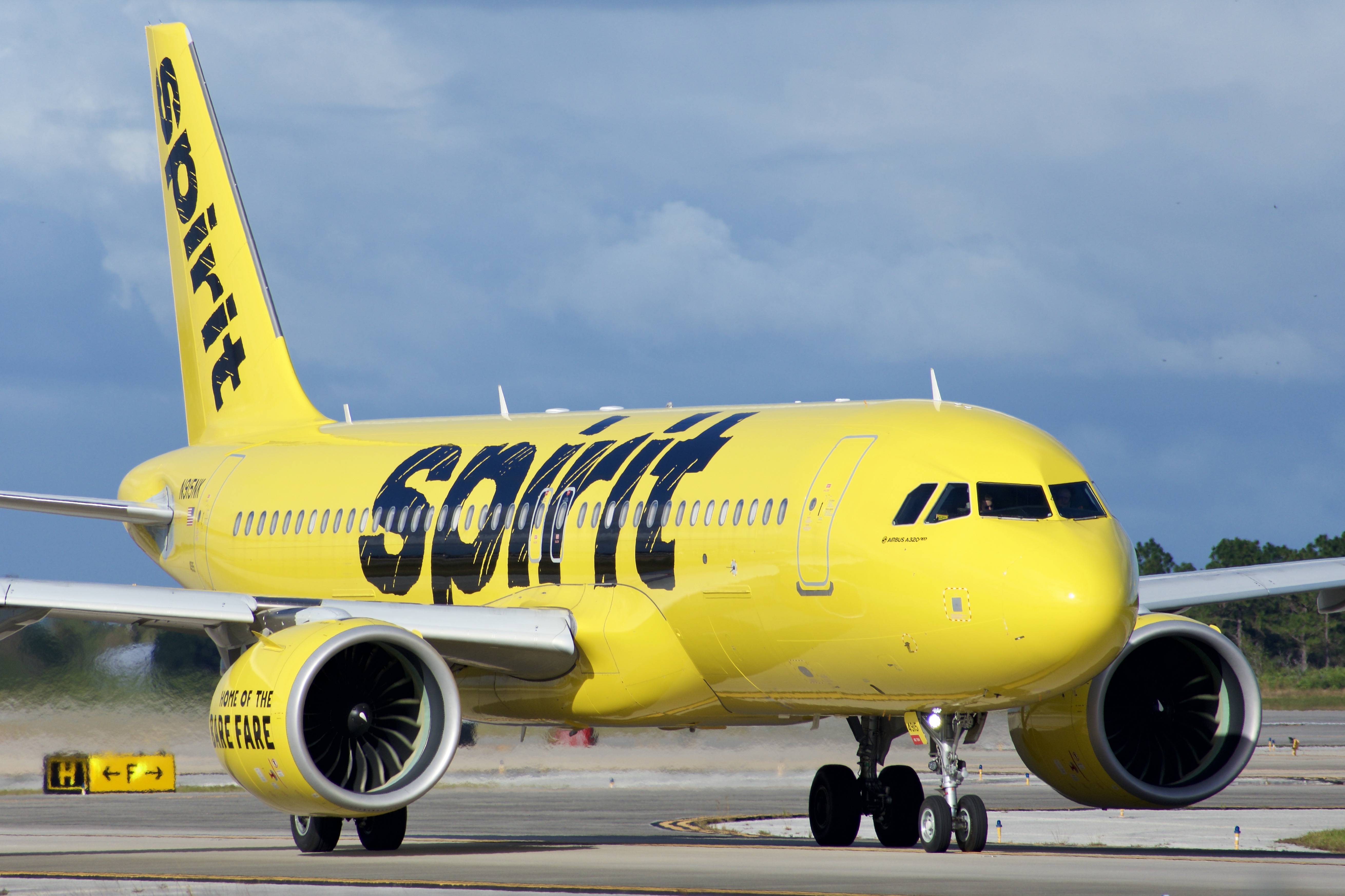
The brand’s bold and often irreverent marketing campaigns, featuring its signature yellow aircraft and playful taglines, further reinforce its distinct identity. This consistent, albeit sometimes audacious, brand voice ensures Spirit remains top-of-mind for its target demographic. Its historical commitment to value, originating from its Charter One days, has culminated in a brand that, despite its critics, undeniably occupies a significant and profitable segment of the travel market. Spirit has carved out a niche where it doesn’t just compete on price; it effectively owns the “ultra-low-cost” brand space in the minds of many American travelers, a testament to its enduring brand strategy forged over decades.
The Future of a Cost-Focused Brand
As the aviation industry continues to evolve, Spirit Airlines faces the ongoing challenge of maintaining its distinctive brand identity while adapting to changing passenger expectations and competitive pressures. Its founding principles of affordability and accessibility, initially established in its charter days and profoundly deepened with the ULCC model, remain central to its brand promise. However, the future will likely see Spirit continue to refine how it delivers this value.
The brand’s evolution might involve subtle enhancements to the customer experience, without compromising its core cost structure, or exploring new technologies to streamline operations and further pass savings to customers. The proposed merger with JetBlue, though ultimately unsuccessful, highlighted the industry’s recognition of Spirit’s valuable market position and its unique brand equity in the ULCC segment. Spirit’s ability to consistently offer low fares, stemming from its foundational decisions and strategic execution, ensures its continued relevance. Its history demonstrates a brand unafraid of transformation and committed to a clear, albeit challenging, corporate identity. The enduring legacy of Spirit Airlines is a powerful case study in how a brand can be built, redefined, and sustained through strategic vision, even if it means forging a path less traveled.
aViewFromTheCave is a participant in the Amazon Services LLC Associates Program, an affiliate advertising program designed to provide a means for sites to earn advertising fees by advertising and linking to Amazon.com. Amazon, the Amazon logo, AmazonSupply, and the AmazonSupply logo are trademarks of Amazon.com, Inc. or its affiliates. As an Amazon Associate we earn affiliate commissions from qualifying purchases.