
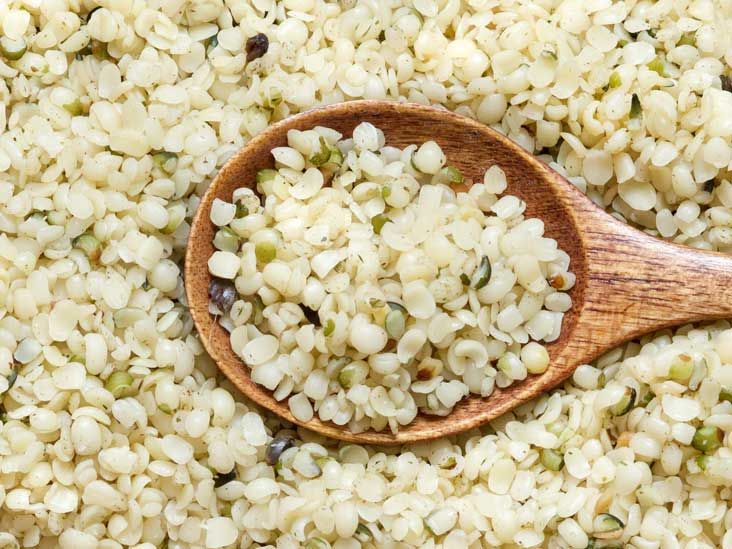
The global market for plant-based nutrition has witnessed an unprecedented surge over the past decade, driven by a growing demographic of health-conscious consumers and eco-conscious investors. Among the myriad of “superfoods” vying for shelf space and consumer attention, hemp hearts—the shelled seeds of the Cannabis sativa plant—have emerged as a high-value commodity. For those tracking the evolution of the food and beverage industry, hemp hearts represent a compelling case study in brand positioning, market scalability, and the strategic commercialization of alternative proteins. Understanding the business mechanics behind this product reveals why it has become a staple in the modern wellness economy and how companies are leveraging its nutritional profile to capture significant market share.

The Market Positioning of Hemp Hearts as a Premium Commodity
In the crowded landscape of dietary supplements and functional foods, the success of hemp hearts is not merely a product of their nutritional density, but a triumph of branding and consumer education. Brands that have successfully integrated hemp hearts into their portfolios have done so by positioning the product as a “premium-lifestyle” essential, effectively distancing the item from the historical stigmas associated with the cannabis plant.
The Shift from Niche to Mainstream
Historically, hemp-derived products faced significant regulatory and cultural hurdles. However, as the legislative landscape shifted—most notably with the passage of the 2018 Farm Bill in the United States—the branding strategy for hemp hearts evolved. Companies shifted the narrative focus toward “clean label” marketing, transparency in supply chains, and the versatility of the product. By framing hemp hearts as a high-protein, omega-rich ingredient for smoothie bowls, salads, and plant-based baking, brands moved the product from specialized health-food stores into the mainstream retail aisles of major grocery chains.
Building Trust Through Transparency
The branding challenge for hemp hearts involves overcoming consumer skepticism regarding psychoactive properties. Market leaders have tackled this by emphasizing rigorous third-party testing and certifying the non-psychoactive nature of the Cannabis sativa varieties used for seed production. This commitment to corporate identity—built on trust and safety—has become a foundational pillar for businesses scaling within this space. Brands that invest in clear, educational packaging design and transparent digital marketing campaigns have seen higher customer lifetime value (CLV), as consumers feel confident integrating these products into their daily routines.
Economic Scalability and Supply Chain Strategy
From a business finance perspective, the hemp heart industry offers a fascinating look at commodity scaling. Because the product requires minimal processing compared to complex, synthetic food additives, the barrier to entry for branding companies is relatively low. However, the true competitive advantage lies in securing consistent, high-quality supply chains.
Mitigating Risk in the Hemp Supply Chain
Businesses in this sector must navigate a complex landscape of agricultural compliance. Because industrial hemp cultivation is heavily regulated, supply chain volatility is a significant factor in financial planning. Successful firms have adopted vertical integration or deep-tier supplier partnerships to ensure that their “hemp heart” brand is not subjected to shortages or sudden price fluctuations. From a financial management standpoint, firms that diversify their agricultural sourcing and invest in sustainable processing facilities are better positioned to protect their profit margins against the inherent risks of the nascent industrial hemp market.
Competitive Pricing and Margin Management
Hemp hearts are often categorized as a “premium” ingredient, which allows for healthy profit margins. However, as the market matures and competition increases, brands are forced to innovate their pricing strategies. Some companies are moving toward “value-added” iterations—such as hemp heart protein powders, flavored hemp snacks, or integrated breakfast mixes—to move away from commodity-style pricing. By shifting from selling a raw ingredient to selling a branded, value-added consumer packaged good (CPG), companies can extract higher margins and shield themselves from the price-sensitivity typically seen in the bulk seed market.
Strategic Marketing Tactics for the Wellness Demographic
The marketing of hemp hearts serves as a masterclass in demographic-specific targeting. The consumer profile for this product is predominantly comprised of millennials and Gen Z individuals who prioritize sustainability, transparency, and personal health. Marketing strategies in this sector have heavily leaned into digital-first channels, particularly social media marketing, influencer partnerships, and content-driven SEO strategies that highlight the “superfood” status of the seeds.
Leveraging the Influencer Economy
In the wellness sector, influencer marketing is not just a promotional tactic; it is a primary driver of brand equity. By partnering with registered dietitians, fitness coaches, and sustainable-living influencers, brands have successfully turned hemp hearts into an aspirational lifestyle marker. The visual nature of food preparation allows for highly shareable content, which naturally drives organic traffic to e-commerce platforms. This strategy minimizes traditional advertising costs while maximizing brand recall, as consumers are more likely to purchase a product recommended by a trusted content creator than one featured in a static display ad.
Sustainability as a Brand Differentiator
One of the most potent weapons in the marketing arsenal for hemp heart brands is the sustainability narrative. Hemp is an incredibly efficient crop, requiring less water and fewer pesticides than many other protein sources. Corporate identity strategies that highlight these environmental benefits resonate deeply with modern, value-driven consumers. By incorporating environmental impact metrics into their marketing collateral, brands are effectively building “moral equity.” This is a significant competitive advantage in the modern economy, where consumers are increasingly moving their capital toward brands that align with their personal ethical standards.
Future Outlook: The Evolution of the Hemp Ingredient Economy
As we look toward the future of the hemp heart market, the focus is shifting from simple retail sales to broader ingredient integration. We are entering a phase where the “hemp heart” is being treated as a foundational element in the development of plant-based meat alternatives, vegan dairy products, and high-performance sports nutrition.
Diversification of Revenue Streams
For businesses currently specializing in hemp hearts, the path forward involves diversification. Many companies are now looking at the seed byproducts—such as hemp seed oil or pressed fiber—to create secondary revenue streams. This “whole-crop” utilization is a hallmark of sophisticated business management in the agricultural sector, allowing brands to minimize waste and optimize their operational expenditures. By ensuring that every part of the harvest contributes to the bottom line, companies can stabilize their financial performance even during periods of market correction.

Long-Term Sustainability of the Niche
The long-term viability of the hemp heart sector depends on the industry’s ability to remain agile. As interest rates, supply chain costs, and consumer trends fluctuate, the brands that succeed will be those that continue to balance innovation with financial discipline. The transition from a “trend” to a “staple” is currently underway, and the companies that have built strong, reputable brands during this foundational period are poised to reap the benefits of a normalized, mature, and potentially lucrative hemp protein market.
In conclusion, while the average consumer sees a hemp heart as a small, nutrient-dense seed, the professional observer recognizes a critical component of the modern wellness economy. Through careful brand strategy, rigorous supply chain management, and a deep understanding of the health-conscious consumer, the hemp heart has become a case study in how to scale a niche product into a mainstream industry powerhouse. Whether through direct-to-consumer digital marketing or strategic wholesale distribution, the business of hemp hearts offers a compelling blueprint for how to navigate and thrive within the ever-changing landscape of modern consumer packaged goods.
aViewFromTheCave is a participant in the Amazon Services LLC Associates Program, an affiliate advertising program designed to provide a means for sites to earn advertising fees by advertising and linking to Amazon.com. Amazon, the Amazon logo, AmazonSupply, and the AmazonSupply logo are trademarks of Amazon.com, Inc. or its affiliates. As an Amazon Associate we earn affiliate commissions from qualifying purchases.