
The story of Lululemon Athletica Inc. is a compelling narrative in modern brand building, a testament to visionary leadership, strategic niche identification, and the relentless pursuit of product excellence and community engagement. To truly understand the global powerhouse Lululemon has become, one must journey back to its origins, to the moment a singular vision began to take shape in the vibrant city of Vancouver. Lululemon was officially established as a company in 1998, though its first standalone store, which truly cemented its retail presence and brand identity, opened in 2000. This two-year period marks a crucial gestation phase, moving from conceptualization to tangible market presence, laying the groundwork for what would become a revolutionary force in retail and a defining brand in the athleisure movement.

The question of “when” Lululemon was established transcends a mere date; it unlocks the context of its creation, the challenges it faced, and the foundational decisions that propelled it from a niche yoga wear provider to a multi-billion-dollar lifestyle brand. Its establishment wasn’t just the birth of a company; it was the genesis of a meticulously crafted brand strategy that fused product, experience, and community into an irresistible offering, fundamentally altering consumer expectations for activewear and retail interactions alike.
The Genesis of a Movement: Inception and Early Vision
The late 1990s were a fascinating period of shifting consumer habits, particularly concerning health, wellness, and personal expression. While fitness was on the rise, driven by aerobics and gym culture, the nascent yoga movement was beginning to gather significant momentum, particularly among women seeking a holistic approach to physical and mental well-being. It was within this evolving landscape that Lululemon’s founder, Chip Wilson, identified a critical unmet need, setting the stage for the brand’s establishment.
The Entrepreneurial Spark: Chip Wilson’s Insight
Chip Wilson, a seasoned entrepreneur with a background in the surf, skate, and snowboard apparel industry (having founded Westbeach Sports), possessed a keen eye for market gaps and emerging trends. His personal experience, attending yoga classes in Vancouver, revealed a glaring deficiency: the available athletic wear simply wasn’t designed for the unique demands of yoga practice. Cotton garments would stretch, sag, and retain sweat, offering neither the performance nor the aesthetic appeal that active individuals desired. Wilson recognized that women, in particular, were looking for high-quality, functional, and stylish apparel that could seamlessly transition from the yoga studio to daily life. This insight wasn’t just about clothing; it was about empowering individuals through functional design, fostering confidence, and supporting a burgeoning lifestyle. The core idea was to create technical athletic apparel that would make people feel good, look good, and perform well, blurring the lines between sportswear and everyday fashion long before the term “athleisure” became commonplace. This specific, unaddressed need for premium women’s yoga apparel became the bedrock upon which Lululemon was founded in 1998.
From Yoga Studio to Retail Concept: The First Store
While the company was incorporated in 1998, Lululemon’s tangible brand presence truly began in November 2000, with the opening of its first standalone store in Kitsilano, Vancouver. This wasn’t merely a retail outlet; it was an innovative hybrid space that doubled as a design studio by night and a yoga studio on weekends. This pioneering concept was revolutionary for its time, embodying a profound understanding of community and experiential retail. The store served as a direct feedback loop, allowing designers to observe how customers interacted with the clothing in a real-world setting, gather immediate input, and refine products on the fly. This direct engagement fostered a sense of co-creation with its early customers, embedding them into the brand’s developmental process. The location itself, in a vibrant, health-conscious neighborhood, was no accident, strategically placing the brand at the heart of its target demographic and integrating it into their lifestyle rather than just selling products to them. The decision to open a physical space that transcended mere transaction was a pivotal moment in solidifying Lululemon’s unique brand identity and customer relationship model.
Crafting a Niche: Early Product Philosophy
Lululemon’s early product philosophy was meticulously focused on innovation, quality, and performance, specifically tailored for yoga. The brand invested heavily in fabric technology, developing proprietary materials like “Luon,” a blend of nylon and Lycra designed to offer unparalleled stretch, shape retention, and moisture-wicking properties. This commitment to technical superiority set it apart from existing sportswear brands that often prioritized mass appeal over specialized performance. The garments weren’t just functional; they were designed with a keen eye for flattering aesthetics, often featuring innovative seams, cuts, and details that enhanced the wearer’s silhouette. This dual focus on technical performance and sophisticated design appealed directly to a demographic that valued both functionality and fashion in their active lives. Furthermore, the early collection was deliberately limited, focusing on a few core, high-quality pieces, which cultivated an aura of exclusivity and meticulous craftsmanship. This deliberate strategy of crafting a niche with superior products ensured that Lululemon quickly earned a reputation for quality and innovation among its target audience.
Defining the Lululemon Brand Identity in its Formative Years
The establishment of Lululemon was not just about bringing a product to market; it was about building a holistic brand experience that resonated deeply with its target audience. The brand’s identity was meticulously sculpted through a combination of community engagement, product innovation, and a distinctive retail approach, distinguishing it from competitors and fostering an almost cult-like following.
Community Building: The Studio and Ambassador Model
From its earliest days, Lululemon understood that its success was intrinsically linked to building a strong, engaged community. The brand didn’t just sell activewear; it sold a lifestyle, a feeling of belonging to a tribe of like-minded individuals dedicated to health, wellness, and self-improvement. The initial strategy of using the store as a yoga studio was a direct manifestation of this. More significantly, Lululemon pioneered an ambassador program, enlisting local yoga instructors, fitness professionals, and community leaders to represent the brand. These ambassadors were provided with Lululemon apparel, invited to provide product feedback, and encouraged to host classes and events at Lululemon stores. This decentralized, authentic marketing approach created genuine connections within local communities, establishing Lululemon as a trusted and integral part of the wellness ecosystem. It leveraged word-of-mouth marketing at its most effective, building brand loyalty and credibility from the ground up, turning customers into advocates. This strategy fostered a strong sense of local ownership and connection, making the brand feel accessible and part of the community fabric rather than a distant corporation.
Product Innovation and Material Science: Aligning with Core Values
Lululemon’s commitment to material science and product innovation was central to its brand identity. The brand’s ethos was built around creating technically superior apparel that enhanced athletic performance and comfort. The development of Luon was just the beginning; Lululemon continuously invested in research and development to create a range of proprietary fabrics, each engineered for specific activities and sensations. From buttery-soft Nulu for yoga to quick-drying Everlux for high-intensity training, the brand’s material innovations became synonymous with quality and premium performance. This focus on aligning product development with the core values of performance, comfort, and durability cemented Lululemon’s reputation as a leader in athletic apparel. By consistently delivering on its promise of high-quality, innovative products, Lululemon built trust with its consumers, reinforcing its brand image as a company dedicated to empowering individuals through superior design. This commitment to aligning core values with tangible product benefits was a key differentiator in a crowded market.

The Experiential Retail Blueprint: More Than Just Shopping
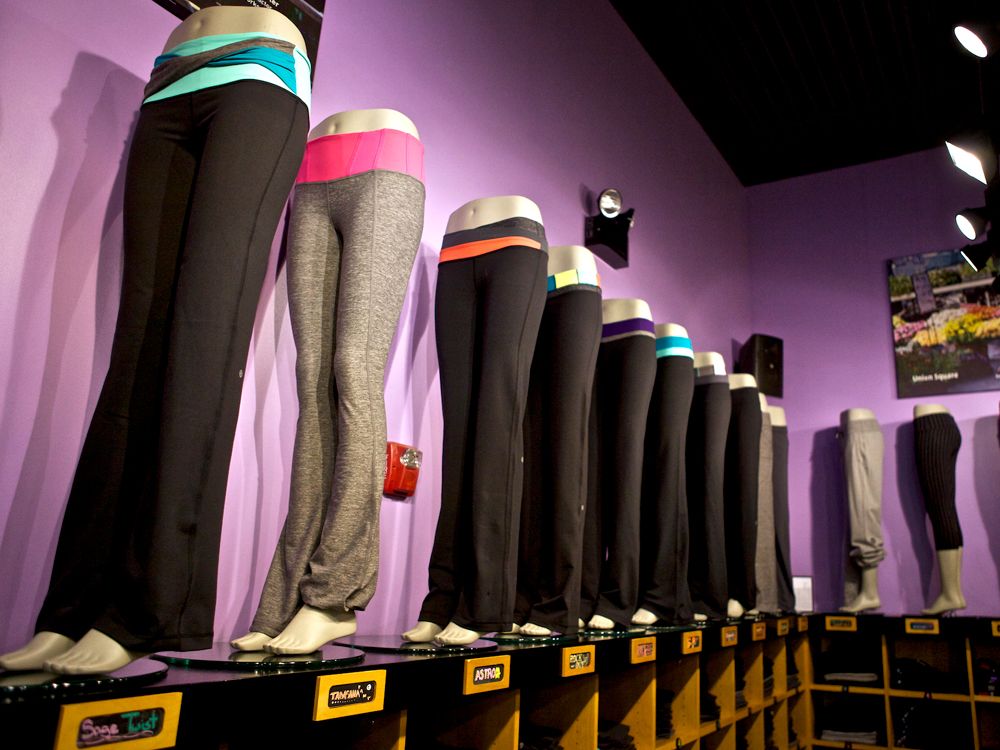
The physical retail spaces played a crucial role in defining Lululemon’s brand identity. Unlike traditional stores that focused solely on transactions, Lululemon stores were designed as immersive brand experiences. They were bright, airy, and inviting, often featuring inspiring quotes on the walls, community boards promoting local fitness events, and knowledgeable staff who were passionate about the Lululemon lifestyle. Employees, known as “educators,” were trained not just in sales, but in understanding the products’ technical features, providing styling advice, and fostering genuine connections with customers. These educators embodied the brand’s values, contributing to a welcoming and empowering atmosphere. Furthermore, many stores offered free yoga classes, fitness workshops, and community events, transforming retail spaces into hubs for wellness and connection. This experiential blueprint turned shopping into an engaging and enriching activity, forging emotional connections between the brand and its customers. It was an early and potent example of how physical retail could be leveraged to build a strong brand identity beyond mere product offerings.
Navigating Growth and Early Challenges: Solidifying the Brand Foundation
As Lululemon expanded beyond its initial Vancouver roots, it faced the inherent challenges of scaling a unique brand while remaining true to its founding principles. The transition from a local favorite to a national and eventually international presence required careful management of its core identity, operational integrity, and customer relationships.
Scaling Operations and Maintaining Quality
The rapid success of Lululemon created immediate pressure to scale production without compromising the high quality that defined its brand. Early on, the brand established stringent quality control measures, emphasizing durable fabrics, precise stitching, and functional design. Maintaining these standards across a growing supply chain and expanding product lines was a significant operational undertaking. Lululemon invested in robust manufacturing partnerships and internal processes to ensure consistency, recognizing that any dip in product quality could severely damage its nascent reputation. This commitment extended to every detail, from the selection of zippers to the elasticity of waistbands. The brand understood that its premium pricing was justified by superior quality, and any deviation would betray the trust it had built with its discerning customer base. Successfully navigating this scaling challenge, while ensuring that the core product promise remained unwavering, was crucial in solidifying Lululemon’s foundation for sustained growth.
Cultivating Brand Loyalty Through Authentic Engagement
Beyond product quality, Lululemon’s sustained growth hinged on its ability to cultivate deep brand loyalty. This was achieved not through traditional advertising, but through authentic, grassroots engagement. The ambassador program continued to be a cornerstone, fostering genuine connections at a local level. In-store events, free classes, and workshops created loyal communities around each retail location. The brand also actively listened to customer feedback, often integrating suggestions into product design and refining its offerings based on user experience. This two-way communication created a sense of ownership and partnership among its customers, turning them into passionate advocates. Lululemon also developed a distinctive brand voice that was aspirational, empowering, and positive, resonating deeply with its target demographic’s values. By consistently reinforcing a positive lifestyle and building meaningful relationships, Lululemon transformed casual shoppers into devoted brand loyalists, forming a powerful network of support that propelled its expansion.
The Power of Scarcity and Desire in Early Marketing
Interestingly, Lululemon’s early growth was also significantly influenced by a subtle yet powerful marketing strategy: the intentional cultivation of scarcity and desire. Unlike brands that aimed for mass availability, Lululemon often produced limited quantities of popular items and colors. This deliberate strategy created a sense of urgency and exclusivity, encouraging immediate purchases and fostering anticipation for new releases. It leaned into consumer psychology, making products feel more valuable and desirable due to their perceived rarity. “If you see something you like, buy it now because it might not be here tomorrow” became an unspoken mantra among its customers. This approach, combined with the brand’s community-driven marketing, generated significant buzz and word-of-mouth. It demonstrated an understanding that sometimes, less is more, particularly when building a premium brand. By carefully managing product availability, Lululemon amplified demand and reinforced its image as a sought-after, aspirational brand, effectively turning its product offerings into highly coveted items.
Lululemon’s Enduring Legacy: A Blueprint for Modern Brand Building
From its establishment in 1998, Lululemon has not only defined a market segment but has also provided a compelling case study in modern brand strategy. Its journey from a single yoga studio/store to a global lifestyle brand offers invaluable insights into creating enduring value, fostering deep customer connections, and adapting to an ever-evolving consumer landscape.
The Athleisure Revolution: A Category Defined
Perhaps Lululemon’s most significant legacy is its instrumental role in defining and popularizing the “athleisure” category. Before Lululemon, athletic wear was largely confined to gyms and sports fields. The brand, however, championed the idea that performance apparel could be stylish enough for everyday wear, blurring the lines between activewear and casual fashion. Its emphasis on comfortable, functional, and aesthetically pleasing garments for activities like yoga quickly translated into a broader lifestyle trend. Lululemon demonstrated that consumers desired versatile clothing that could transition seamlessly from a workout to daily errands, work, or social engagements. This vision, cultivated from its very establishment, didn’t just meet a demand; it created one, inspiring countless competitors and fundamentally altering the fashion landscape. Lululemon didn’t just sell clothes; it sold a new way of dressing, living, and perceiving oneself.
From Niche to Global Phenomenon: Sustaining Brand Relevance
Lululemon’s ability to transition from a niche yoga apparel brand to a global phenomenon while sustaining its brand relevance is a testament to its adaptive strategies and unwavering commitment to its core values. As the market became saturated with athleisure brands, Lululemon continued to innovate, expanding its product lines to include menswear, accessories, and new sports categories. It also strategically entered international markets, carefully adapting its community-building and retail strategies to resonate with diverse cultures. While facing various challenges and controversies over the years, the brand consistently recommitted to its foundational principles: product excellence, community engagement, and an aspirational lifestyle. Its evolution into a holistic wellness brand, exemplified by ventures into fitness technology and self-care, shows a proactive approach to maintaining relevance in a dynamic industry. Sustaining a brand for decades requires not just consistency, but also the foresight to evolve and anticipate future consumer needs, a lesson Lululemon has mastered since its founding.
Lessons in Brand Longevity and Adaptability
Lululemon’s story, beginning with its establishment in 1998, offers profound lessons for brand longevity and adaptability. Firstly, it highlights the power of a clear vision and a deep understanding of a specific target audience’s unmet needs. Chip Wilson’s initial insight into women’s yoga apparel was precise and timely. Secondly, it underscores the importance of building a brand through authentic community engagement rather than solely through mass advertising. The ambassador program and experiential retail fostered a loyal following that became the brand’s most powerful advocates. Thirdly, it emphasizes relentless commitment to product quality and innovation, justifying a premium price point and building trust. Lastly, Lululemon’s journey demonstrates the critical need for adaptability – continuously evolving product offerings, expanding into new markets, and embracing new facets of wellness while staying true to its core identity. In an era of fleeting trends and intense competition, Lululemon’s foundation, laid over two decades ago, remains a robust blueprint for brands aiming to achieve lasting impact and a dominant position in the global marketplace.
aViewFromTheCave is a participant in the Amazon Services LLC Associates Program, an affiliate advertising program designed to provide a means for sites to earn advertising fees by advertising and linking to Amazon.com. Amazon, the Amazon logo, AmazonSupply, and the AmazonSupply logo are trademarks of Amazon.com, Inc. or its affiliates. As an Amazon Associate we earn affiliate commissions from qualifying purchases.