
Gold dollars represent a fascinating intersection of precious metal investment and numismatic collecting, embodying both intrinsic material value and historical significance. Understanding their worth is a multifaceted endeavor that requires an appreciation for the factors that influence both the fluctuating price of gold and the unique characteristics that appeal to collectors. For investors and enthusiasts alike, these small, historically rich coins offer a tangible asset that can serve various financial and personal objectives.
Decoding the Value of Gold Dollars
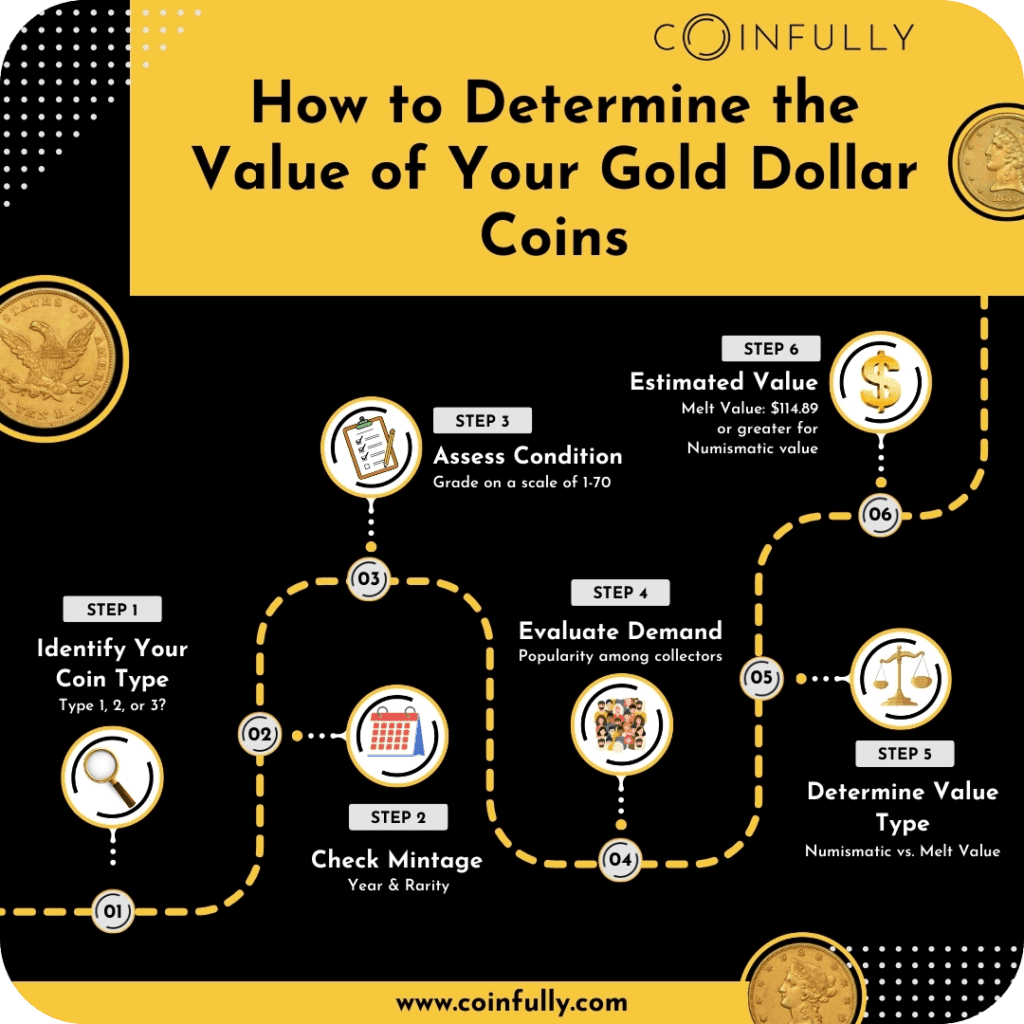
The initial step in assessing the worth of a gold dollar involves understanding its origins and distinguishing between its core components of value. These coins, though small, carry a substantial legacy and dual valuation system.
A Brief History of U.S. Gold Dollars
The United States minted gold dollars from 1849 to 1889, in response to the California Gold Rush, which dramatically increased the availability of gold. These coins were produced in three distinct types:
- Type 1 (Liberty Head): Minted from 1849 to 1854, featuring a classical Liberty Head design with a coronet. These are the smallest U.S. coins ever produced.
- Type 2 (Indian Princess Head with Small Head): Issued for a very brief period in 1854 and 1855. This design was problematic due to its high relief, which made striking difficult and often resulted in poorly detailed coins.
- Type 3 (Indian Princess Head with Large Head): Produced from 1856 to 1889, this type features a larger head of Liberty, often referred to as the “Indian Princess,” and was designed with lower relief to improve striking quality.
Their production ceased due to their inconveniently small size and the broader movement away from gold coinage in everyday commerce. Each type, mint year, and mint mark carries its own mintage figures and historical context, directly impacting its collectibility and rarity.
Differentiating Bullion from Numismatic Value
At its core, a gold dollar’s value stems from two primary sources:
- Intrinsic Bullion Value: This is the melt value of the coin, determined by its gold content and the current spot price of gold. U.S. gold dollars are typically 90% gold and 10% copper, with a weight of 1.672 grams (approximately 0.04837 troy ounces of pure gold). The bullion value serves as a baseline; the coin will always be worth at least its gold content.
- Numismatic Value: This refers to the additional worth derived from a coin’s appeal to collectors, driven by factors such as rarity, condition, historical significance, and demand. For most gold dollars, especially those in higher grades or with low mintages, the numismatic value far surpasses the intrinsic bullion value. A rare, high-grade gold dollar might be worth hundreds or even thousands of times its melt value.
Understanding this distinction is crucial, as it dictates whether a gold dollar is simply a gold asset or a valuable collectible with unique historical and artistic merit.
Key Determinants of Worth
The actual market value of a gold dollar is a dynamic figure influenced by several critical factors, some of which are subject to constant fluctuation, while others are immutable characteristics of the coin itself.
The Spot Price of Gold
As the foundational component of value, the prevailing market price of gold (the “spot price”) directly impacts the intrinsic value of a gold dollar. When gold prices rise, the melt value of the coin increases, setting a higher floor for its overall worth. Conversely, a drop in gold prices reduces this floor. While significant for understanding the baseline, for truly rare or high-grade gold dollars, the numismatic premium often dwarfs the daily fluctuations in gold’s spot price.
Rarity and Mintage Figures
The scarcity of a particular gold dollar issue is a primary driver of its numismatic value. Coins with lower original mintage numbers are generally more valuable. For example, certain mint marks (like the Dahlonega “D” or Charlotte “C” mints from the Type 1 and Type 2 periods) or specific years within a series are significantly rarer due to lower production runs or higher attrition rates over time. The 1853-O (New Orleans) Type 1 or the 1854-D (Dahlonega) Type 2 gold dollars are examples of issues that command high premiums due to their limited availability.
Condition and Grading
The physical condition of a gold dollar is perhaps the most significant factor determining its numismatic worth. Coins are graded on the Sheldon scale, ranging from Poor (P-1) to Perfect Mint State (MS-70). Professional grading services like PCGS (Professional Coin Grading Service) and NGC (Numismatic Guaranty Corporation) authenticate and encapsulate coins, assigning a precise grade that significantly impacts their market value.
- Circulated Grades: Coins that show signs of wear from being used in commerce will have lower grades (e.g., VF – Very Fine, EF – Extremely Fine).
- Uncirculated Grades (Mint State – MS): Coins that have never been used in circulation, retaining their original luster and detail, command the highest prices. Subtle differences between an MS-63 and an MS-65 grade can translate into hundreds or thousands of dollars in value. Factors like strike quality, eye appeal, and lack of distracting marks are also crucial within the uncirculated grades.
Historical Significance and Provenance
Some gold dollars gain added value due to their connection to specific historical events or having a well-documented provenance (history of ownership). A coin that was part of a famous collection or has a unique story attached to it can sometimes fetch higher prices, even if its grade is not exceptionally high. While less common than rarity or condition, historical context can contribute to a coin’s desirability.
Demand and Market Trends
The overall demand from collectors and investors also influences the worth of gold dollars. Periods of high interest in U.S. historical coinage or strong overall economic conditions can drive prices up. Conversely, a decrease in collector interest or a downturn in the economy might lead to softer prices. The numismatic market, like any other, is subject to supply and demand dynamics.
Navigating the Gold Dollar Market
Whether you’re looking to buy or sell, understanding the nuances of the gold dollar market is essential to ensure fair transactions and maximize value.
Acquiring Gold Dollars: Dealer vs. Auction
Reputable Coin Dealers:
- Pros: Offer expertise, often provide guarantees of authenticity and grade, and can help source specific coins. They typically have established reputations and inventory.
- Cons: Prices might include a higher markup to cover overhead and profit margins.
Auction Houses:
- Pros: Can offer access to rare and high-value coins, potentially allowing for competitive bidding that might result in a favorable price. Good for specialized collections.
- Cons: Requires careful due diligence on the buyer’s part, as “as-is” sales are common. Buyer’s premiums and other fees can add significantly to the final cost.
Regardless of the source, always prioritize dealers or auction houses with strong reputations and a track record in numismatics. Insist on professionally graded coins, especially for significant purchases, to ensure authenticity and accurate condition assessment.
Selling Gold Dollars: Maximizing Your Return
When selling, several strategies can help optimize your return:
- Get Multiple Appraisals: Consult with several reputable dealers or numismatic experts to get a range of valuations.
- Understand Fees: Be aware of any commission fees if selling through an auction house or dealer.
- Market Timing: While not always feasible, selling during periods of high demand or strong gold prices can be advantageous.
- Professional Presentation: Ensure your coins are properly attributed and, if possible, professionally graded before presenting them for sale. Ungraded coins will often be valued lower by buyers who will factor in the cost and risk of grading themselves.
Authentication and Counterfeits
The value of gold dollars makes them targets for counterfeiting. Always deal with trusted sources and be vigilant. Genuine gold dollars have specific weights, diameters, and metallic compositions. While professional graders offer the highest level of assurance, collectors should familiarize themselves with basic authentication techniques and be wary of “too good to be true” deals, especially on online marketplaces lacking buyer protection.
Gold Dollars as an Investment Vehicle
Beyond their historical allure, gold dollars can serve as a component within a diversified investment portfolio, offering unique advantages and considerations.
Portfolio Diversification
Gold, in general, is often viewed as a safe-haven asset, providing a hedge against inflation and economic uncertainty. Gold dollars, especially those with significant numismatic value, offer a dual hedge: the intrinsic value of gold combined with the potential for appreciation based on collector demand. This makes them a tangible asset distinct from stocks, bonds, or real estate, contributing to portfolio diversification.
Long-Term vs. Short-Term Holdings
Gold dollars are generally considered a long-term investment. While the spot price of gold can fluctuate daily, the numismatic value, driven by rarity and condition, tends to appreciate steadily over time, especially for high-grade or rare issues. Short-term speculation can be risky due to market liquidity for unique items and the spread between buying and selling prices.
Risks and Considerations
- Liquidity: Highly rare or expensive gold dollars may not be as liquid as other financial assets, meaning it could take time to find a buyer at the desired price.
- Storage Costs: Physical gold requires secure storage, which can incur costs (e.g., safe deposit boxes, specialized home safes).
- Insurance: Valuable collections should be insured against theft or damage.
- Expert Knowledge: Successfully investing in numismatic gold dollars often requires a degree of specialized knowledge, or at least reliance on trusted experts, to avoid overpaying or acquiring misrepresented items.
Beyond Monetary Value: The Allure of Collecting
For many, the worth of a gold dollar extends beyond its financial valuation. Collecting gold dollars is often a passion, offering intellectual and historical rewards that complement the investment aspect.
A Link to History
Owning a gold dollar is holding a tangible piece of American history. These coins were minted during transformative periods, witnessing the California Gold Rush, the Civil War, and the post-war industrial expansion. They connect the owner directly to the economic and social fabric of the 19th century.
Educational Aspects
Collecting gold dollars encourages research into U.S. economic history, minting processes, and the artistry of coin design. It fosters a deeper understanding of monetary policy, metallurgy, and the historical context in which these coins circulated.
Personal Enjoyment
Ultimately, the personal satisfaction derived from building a collection, appreciating the artistry of the coins, and the thrill of acquiring a rare piece contributes significantly to their overall “worth” for many enthusiasts. This intrinsic value, while unquantifiable in monetary terms, is a powerful driver for the numismatic market and a key reason why gold dollars continue to captivate collectors and investors alike.
aViewFromTheCave is a participant in the Amazon Services LLC Associates Program, an affiliate advertising program designed to provide a means for sites to earn advertising fees by advertising and linking to Amazon.com. Amazon, the Amazon logo, AmazonSupply, and the AmazonSupply logo are trademarks of Amazon.com, Inc. or its affiliates. As an Amazon Associate we earn affiliate commissions from qualifying purchases.