
The history of retail is littered with companies that sell products, but only a select few manage to sell a lifestyle. Among the giants of the “athleisure” movement, Lululemon Athletica stands as a titan of brand strategy and community-led growth. To understand the magnitude of its current market dominance, one must look back to its inception. When was Lululemon created? The year was 1998, and the setting was Vancouver, British Columbia. However, the date is only a small part of the story. The true significance lies in how the brand’s creation sparked a shift in consumer behavior, turning technical athletic gear into a symbol of status, wellness, and belonging.
The Founding Era: A Vision Born in 1998
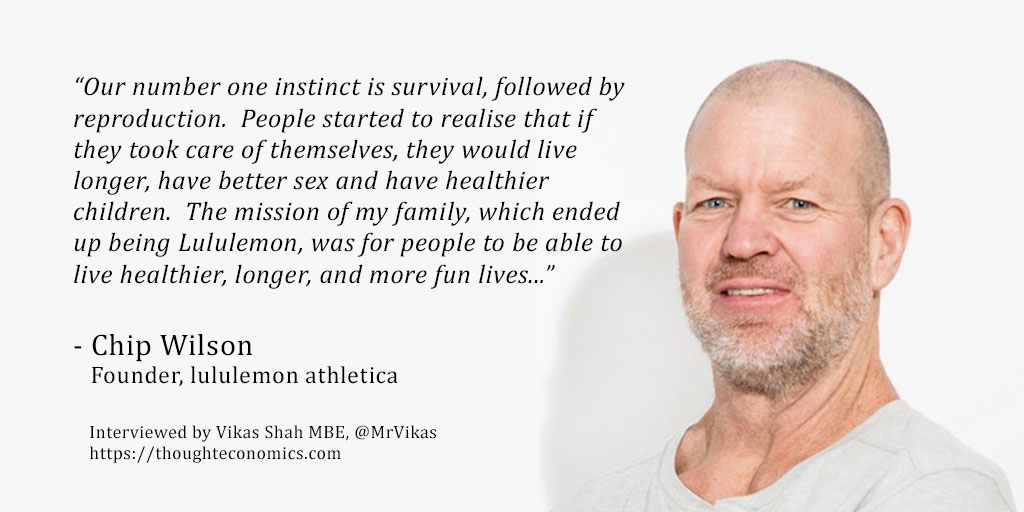
Lululemon was founded by Chip Wilson in 1998, a period when the fitness industry was undergoing a quiet but radical transformation. Before the birth of Lululemon, athletic wear was largely functional and utilitarian—often baggy, unflattering, and made of cotton that held moisture. Wilson, an entrepreneur with a background in surf and skate apparel, recognized an emerging trend that most major athletic brands had overlooked: the rise of yoga.
Identifying a Market Gap
In the late 1990s, yoga was transitioning from a niche, spiritual practice to a mainstream fitness phenomenon. Wilson attended a yoga class in Vancouver and noticed a glaring problem. Participants were wearing cotton clothing that became heavy and transparent during intense sessions. He saw an opportunity to apply the technical engineering of high-end outdoor gear to the world of yoga. By creating a fabric that was moisture-wicking, supportive, and aesthetically pleasing, Wilson didn’t just create a new pair of pants; he created a new category of apparel.
The Power of Community-First Marketing
From its creation in 1998, Lululemon’s business model was unconventional. The first location functioned as a design studio by day and a yoga studio by night. This dual-purpose space allowed Wilson to receive immediate feedback from instructors and practitioners. This wasn’t just product testing; it was the birth of “community-led branding.” Instead of spending millions on traditional television advertisements, the brand invested in local “ambassadors”—yoga teachers and fitness influencers who wore the gear and acted as living embodiments of the brand’s values. This grassroots strategy built a level of brand equity and trust that traditional marketing could never replicate.
Crafting the “Lulu” Persona: Strategic Brand Positioning
A brand is more than a logo; it is a promise of an experience. When Lululemon was created, the strategy was focused on a very specific demographic. While many brands try to appeal to everyone, Lululemon’s success was rooted in its hyper-focus on a specific persona. This targeted approach allowed them to build an aspirational identity that consumers were desperate to join.
The “Ocean and Duke” Strategy
In the world of brand strategy, Lululemon is famous for its use of customer avatars. The brand initially built its entire identity around a persona named “Ocean”—a 32-year-old professional woman who was health-conscious, career-driven, and valued quality over quantity. Later, they introduced “Duke,” the male equivalent. By designing products and marketing specifically for “Ocean,” Lululemon created an aura of exclusivity. Consumers didn’t just feel like they were buying leggings; they felt they were adopting the lifestyle of a successful, mindful, and fit individual.
Visual Identity and the “Om” Symbol
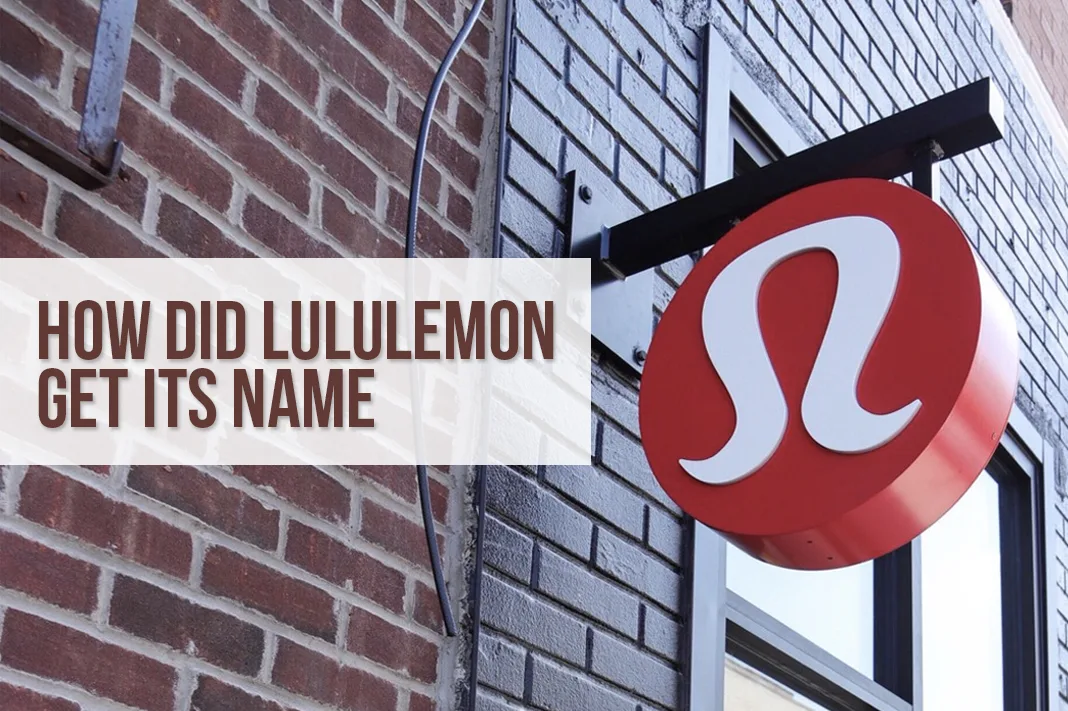
The Lululemon logo is one of the most recognizable marks in the world, yet its origins are somewhat accidental. The stylized “A” (which many mistakenly believe is an “Ω” or a stylized “hair flip”) was actually intended for a different brand name that was never used. Despite this, the logo became synonymous with high-end wellness. Placed strategically on the waistband or the back of the neck, the logo served as a “badge of honor.” In branding terms, this is known as “conspicuous consumption.” Seeing that small silver logo in a grocery store or a coffee shop signaled to the world that the wearer was part of a specific tribe—the “Lululemon community.”
From Niche Apparel to a Lifestyle Movement
As the brand moved beyond its 1998 roots, it faced the challenge of scaling without losing its soul. The transition from a local Vancouver shop to a global powerhouse required a masterful balance of product innovation and emotional branding. Lululemon’s ability to maintain a premium price point in a crowded market is a testament to its “Lifestyle Movement” strategy.
The Technical Apparel Advantage
One of the core pillars of the Lululemon brand is its commitment to “Science of Feel.” From the creation of Luon fabric in the early days to the modern Nulu and Everlux materials, the brand has positioned itself as a technology company as much as a fashion house. By branding their fabrics with trademarked names, they created a proprietary language. Customers don’t just ask for soft leggings; they ask for “Aligns.” This nomenclature creates a psychological barrier to entry for competitors; once a customer identifies with a specific technical “feel,” they are less likely to switch to a generic alternative.
Store Experience as a Brand Touchpoint
Lululemon’s retail strategy is a masterclass in experiential branding. Unlike traditional department stores, Lululemon locations are designed to be community hubs. By offering in-store yoga classes, goal-setting workshops, and local run clubs, the brand reinforces its position as a facilitator of a better life. Every touchpoint—from the “educators” (the brand’s term for sales associates) to the reusable shopping bags adorned with “The Manifesto”—is designed to deepen the emotional connection between the consumer and the brand. The Manifesto itself, filled with aphorisms like “Do one thing a day that scares you,” serves as a philosophical framework that aligns the brand with personal growth and self-actualization.
Brand Evolution and Modern Resurgence
No brand survives for over 25 years without facing adversity. Lululemon has navigated leadership changes, product recalls, and cultural shifts. However, the strength of the brand identity established in 1998 provided a resilient foundation that allowed it to evolve and maintain its relevance in the 21st century.
Strategic Pivots and Inclusivity
In recent years, the brand has shifted its strategy to be more inclusive, expanding its size ranges and diversifying its ambassador program. This was a necessary evolution from the somewhat narrow “Ocean” persona of the early 2000s. By embracing a broader definition of wellness, Lululemon has managed to stay ahead of cultural trends toward body positivity and inclusivity while maintaining its premium “aspirational” status. This delicate balancing act—staying exclusive enough to be desirable but inclusive enough to be relevant—is the hallmark of sophisticated brand management.

The Legacy of the 1998 Vision
Looking back at when Lululemon was created, it is clear that Chip Wilson didn’t just find a way to sell pants; he identified a shift in the human psyche. People were looking for a way to integrate their physical health with their professional and social identities. Lululemon provided the uniform for that integration. Today, the brand is a multi-billion dollar entity that has expanded into footwear, men’s apparel, and digital fitness.
The enduring success of Lululemon lies in the fact that it never viewed itself as a clothing company. From the first day in Vancouver in 1998, it was a brand built on the pillars of community, technical excellence, and a very specific vision of the “good life.” As it continues to dominate the global market, it serves as a primary case study for how a clear brand identity, established at the very moment of creation, can drive decades of growth and cultural influence.
In conclusion, the question of “when was Lululemon created” is answered by a date on a calendar, but its significance is found in the creation of a global culture. By staying true to the community-centric roots established in 1998 while relentlessly innovating its brand strategy, Lululemon has ensured that it remains not just a choice in a closet, but a defining element of a modern lifestyle.
aViewFromTheCave is a participant in the Amazon Services LLC Associates Program, an affiliate advertising program designed to provide a means for sites to earn advertising fees by advertising and linking to Amazon.com. Amazon, the Amazon logo, AmazonSupply, and the AmazonSupply logo are trademarks of Amazon.com, Inc. or its affiliates. As an Amazon Associate we earn affiliate commissions from qualifying purchases.