
In the vast landscape of global finance, few names resonate with the gravitas and historical significance of American Express. Synonymous with premium service, reliability, and exclusive financial instruments, Amex has carved out a unique niche in the hearts and wallets of consumers and businesses worldwide. Yet, for all its modern ubiquity, the origins of this financial titan stretch back much further than many might imagine, rooted in an era vastly different from our digitally-driven world. The answer to “When was Amex founded?” takes us to the mid-19th century, a time of burgeoning American enterprise and rapid westward expansion, specifically to March 18, 1850. This pivotal date marked the formal establishment of American Express, though its initial mission bore little resemblance to the financial services powerhouse it is today. To truly understand Amex, one must journey back to its very inception, tracing its evolution from a simple express delivery service to a global financial institution that continually redefines the benchmarks of convenience and trust in the monetary sphere.
The Dawn of a Financial Giant: 1850 and Beyond
The mid-19th century was a period of immense dynamism in the United States. Industrialization was gaining momentum, populations were expanding, and the vast American frontier beckoned. Efficient communication and transportation networks were not just conveniences but necessities for a growing nation. It was within this context of burgeoning commerce and critical logistical needs that American Express found its genesis, not as a bank or a credit card issuer, but as a critical link in the chain of American commerce.
From Express Mail to Financial Services: The Initial Vision
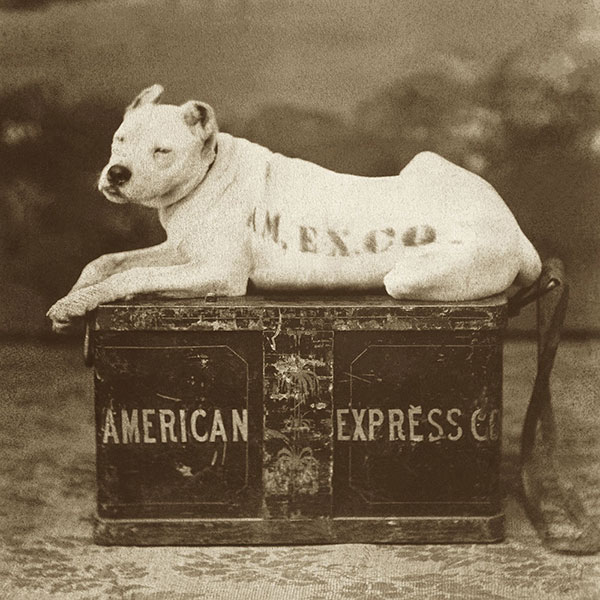
The story of American Express began with a merger of three prominent express delivery companies owned by two visionary entrepreneurs: Henry Wells and William G. Fargo. Wells & Company, Livingston, Fargo & Company, and Wells, Butterfield & Company (the latter led by John Warren Butterfield) pooled their resources and expertise to form a new entity: American Express. Based in New York, their primary business was the express transportation of freight, valuables, and mail across the Eastern and Midwestern United States.
At its core, the original American Express was a logistics company. It offered a faster, more secure, and more reliable alternative to the U.S. Postal Service for urgent documents, valuable goods, and even money. Imagine a world before email, before instant bank transfers, where a critical document or a sum of cash needed to travel hundreds of miles safely and swiftly. American Express filled this vital gap, establishing a network of agents, offices, and transportation routes that spanned the burgeoning commercial hubs of the era. Their reputation for integrity and efficiency quickly grew, laying the groundwork for the trust that would become synonymous with the Amex brand in the financial world. This initial venture, though far removed from modern credit cards, was instrumental in building the infrastructure and credibility upon which its future financial services would stand.
Early Innovations and Diversification
Even in its early days as an express company, American Express began to touch upon rudimentary financial services. Handling large sums of cash and valuable documents for clients inherently led them into areas that hinted at their future direction. They offered a primitive form of “money order,” enabling individuals and businesses to send funds securely across distances where traditional banking infrastructure was scarce or unreliable. This wasn’t a formal banking service in the modern sense, but rather an extension of their secure transportation mandate. If you entrusted American Express with your money for transport, they also facilitated its delivery and often provided a receipt that could be cashed at another Amex office.
As the company expanded its network, moving westward and deepening its reach into various American cities, it simultaneously diversified its offerings. The trust built through reliable delivery services naturally translated into a perceived trustworthiness in handling money itself. This organic expansion into proto-financial services was not a strategic pivot at first, but a natural evolution driven by customer needs and the company’s unique position in safeguarding valuable commodities. These early steps, though modest, sowed the seeds for American Express’s eventual transformation from a carrier of goods into a carrier of wealth, setting the stage for more revolutionary financial products to come.
Pioneering Financial Products: The Late 19th and Early 20th Centuries
The transition from a mere express carrier to a significant financial player was not instantaneous but a gradual, strategic evolution driven by a keen understanding of market needs. As the American economy matured and international travel became more accessible, new challenges arose concerning the security and convenience of carrying money, especially across borders. American Express was poised to address these challenges head-on, ushering in an era of groundbreaking financial innovation.
The Birth of the Traveler’s Cheque
Perhaps the most significant leap for American Express into the realm of mainstream financial services came in 1891 with the invention of the American Express Traveler’s Cheque. This innovation was born out of a personal predicament faced by Amex executive James C. Fargo (brother of William G. Fargo) during a trip to Europe. He found it nearly impossible to cash letters of credit or access funds easily, facing skepticism from foreign banks and the constant threat of theft. Upon his return, he tasked employee Marcellus F. Berry with developing a safer and more convenient alternative to carrying large sums of cash or relying on cumbersome letters of credit.
The solution was brilliant in its simplicity and effectiveness: a pre-printed, fixed-value instrument that could be signed by the holder at the time of purchase and then countersigned again at the time of cashing. The dual signature system provided robust security against theft and forgery, as the two signatures had to match. Traveler’s Cheques instantly transformed international travel and commerce. They provided peace of mind, widely accepted liquidity, and a readily replaceable form of money if lost or stolen. This product not only solved a major pain point for travelers but also firmly established American Express as an international financial service provider, differentiating it significantly from its express delivery origins. It was a product ahead of its time, cementing Amex’s reputation for innovation and customer-centric solutions in the financial world.
Expanding Global Presence and Service
The success of the Traveler’s Cheque propelled American Express onto the global stage. The company rapidly established offices in major cities across Europe and beyond, supporting the growing number of American travelers and businesses abroad. These international outposts were more than just sales points for cheques; they became hubs for customer service, offering assistance, holding mail, and providing local currency exchange—services that went far beyond mere financial transactions. This focus on comprehensive customer care became a hallmark of the American Express brand.
During the tumultuous periods of World War I and World War II, American Express played a crucial, albeit often overlooked, role. Its European offices became vital lifelines for American citizens trapped overseas, facilitating communication, managing funds, and even assisting with evacuations. This demonstrated the company’s deep infrastructure and commitment, further cementing its image as a reliable and trustworthy institution in times of crisis. By the mid-20th century, Amex had evolved into a globally recognized financial powerhouse, known not just for its products but for an unparalleled standard of service that anticipated customer needs, whether they were traveling abroad or conducting business internationally. This extensive global footprint and service-oriented approach laid the essential groundwork for its next revolutionary step: the introduction of the charge card.
The Plastic Revolution: American Express in the Modern Era
As the mid-20th century progressed, economic prosperity and evolving consumer habits created a demand for new forms of payment beyond cash and cheques. The nascent idea of “buy now, pay later” began to take hold, paving the way for the credit card industry. American Express, with its strong financial foundation and a reputation for facilitating transactions, was perfectly positioned to lead this charge, albeit with its own distinctive approach.
Introducing the Charge Card
The pivotal year was 1958 when American Express launched its first charge card. This was a direct response to the increasing demand for a convenient, secure, and widely accepted payment method. Unlike early credit cards that allowed for revolving debt, the initial American Express Card was a “charge card,” meaning the full balance was due at the end of each billing cycle. This subtle but significant difference positioned Amex cards as tools for affluent consumers and businesses who preferred to manage their finances responsibly while enjoying the convenience and prestige associated with the card.
Initially issued on paper and later evolving into the iconic plastic design, the Amex Card was an immediate success. Its exclusivity was a key part of its appeal. Cardmembers were often drawn from higher-income demographics, and the card quickly became a status symbol, recognized globally. This was not just a payment instrument; it was an entry pass into a world of convenience, enhanced services, and recognition. The direct relationship American Express maintained with its cardmembers, combined with a meticulous approach to merchant relations, ensured high acceptance rates at premium establishments around the world. The introduction of the charge card marked a definitive pivot for American Express, solidifying its identity as a premier financial services company centered around consumer and business spending.
Strategic Evolution and Market Segmentation
Recognizing the diverse needs and aspirations of its customer base, American Express embarked on a strategy of market segmentation, introducing a tiered suite of cards designed to cater to different lifestyles and spending patterns. The Gold Card offered enhanced rewards and benefits, appealing to those seeking more value. The Platinum Card, launched in 1984, further elevated the brand’s luxury positioning, providing a host of premium travel benefits, concierge services, and exclusive access. It was designed for a select clientele who valued bespoke services and a seamless global experience.
The ultimate expression of this strategy came with the introduction of the legendary Centurion Card (often referred to as the “Black Card”) in 1999. This invitation-only card, targeting ultra-high-net-worth individuals, became the epitome of luxury and exclusivity, offering unparalleled benefits and personalized services. Beyond these flagship products, Amex also developed a robust portfolio of co-branded cards with airlines, hotels, and retailers, further extending its reach and value proposition. This strategic evolution demonstrated Amex’s masterful understanding of brand positioning and its ability to continually innovate within the financial services sector, moving beyond simple transactions to offer comprehensive lifestyle and business solutions. Its loyalty programs, points systems, and commitment to exceptional customer service became industry benchmarks, reinforcing its image as a partner in financial success and premium living.
Navigating Challenges and Embracing Digital Transformation
No company with a history stretching over 170 years can avoid significant challenges, and American Express is no exception. From economic downturns to intense competition and the rapid pace of technological change, Amex has consistently demonstrated resilience and adaptability, continuously evolving its financial tools and strategies to remain relevant and competitive.
Economic Downturns and Competitive Landscape
American Express has weathered numerous economic storms, including recessions, market crashes, and global financial crises like the one in 2008. These periods test the core financial health of any institution. Amex, with its premium focus, sometimes faces unique challenges during economic contractions, as consumers may tighten belts and reduce discretionary spending, impacting its fee-based revenue model. However, its strong balance sheet, diversified offerings, and loyal customer base have allowed it to navigate these periods, often emerging stronger by refining its risk management and customer retention strategies.
The competitive landscape in financial services is perpetually fierce. Amex competes not only with traditional banking giants and other credit card networks like Visa and Mastercard but also increasingly with a new breed of fintech companies, digital payment platforms, and alternative lenders. These competitors often offer lower fees, different reward structures, or specialized digital solutions. To counteract this, Amex has continually emphasized its unique value proposition: superior customer service, premium benefits, robust fraud protection, and a strong brand reputation. It has also strategically expanded its small business offerings and strengthened its merchant network, recognizing these as critical pillars for sustained growth.
The Digital Frontier: Fintech Integration and Future Vision
The digital revolution has profoundly reshaped the financial industry, and American Express has been at the forefront of embracing this transformation. Recognizing that convenience and speed are paramount in the modern era, Amex has invested heavily in integrating fintech solutions into its ecosystem. This includes seamless mobile payment options, enhanced online banking platforms, and sophisticated digital wallets that offer secure and efficient ways for cardmembers to manage their accounts and make transactions.
Moreover, American Express is leveraging advanced technologies like Artificial Intelligence (AI) and data analytics to personalize customer experiences, detect fraud more effectively, and offer more tailored financial advice and product recommendations. Its focus extends beyond just payments to providing comprehensive financial tools for both individuals and businesses, including expense management solutions, cash flow insights, and loyalty program enhancements that are accessible and intuitive in the digital space. The company’s future vision is rooted in maintaining its premium service ethos while adapting it to a digital-first world, ensuring that the convenience and security that have defined its legacy continue to evolve with the needs of the modern consumer and enterprise. From contactless payments to blockchain exploration, Amex remains committed to exploring and implementing technologies that enhance financial security, efficiency, and customer satisfaction.
The Enduring Legacy: More Than Just a Card
From its humble beginnings as an express mail service in 1850, American Express has not merely survived but thrived, transforming itself repeatedly to meet the evolving demands of commerce and personal finance. Its journey is a testament to innovation, adaptability, and an unwavering commitment to customer trust and service.
Impact on Personal and Business Finance
American Express has had an indelible impact on both personal and business finance. For individuals, it revolutionized travel with the Traveler’s Cheque and then redefined discretionary spending with its premium charge and credit cards, establishing new benchmarks for rewards, benefits, and concierge services. It empowered consumers with greater purchasing power and a sense of security, fostering a culture of responsible spending among its target demographics.
For businesses, Amex has been a crucial partner, providing robust payment processing solutions, corporate cards, and sophisticated expense management tools. Its services have streamlined financial operations, offered critical insights into spending patterns, and facilitated global transactions, particularly for small and medium-sized enterprises (SMEs). The widespread acceptance of Amex at millions of merchant locations worldwide underscores its integral role in the global economy, making it a critical player in facilitating everything from daily purchases to large-scale international trade.
A Symbol of Financial Innovation and Trust
The story of American Express is a compelling narrative of continuous innovation. From its foundational role in secure transport to pioneering the Traveler’s Cheque and subsequently launching a globally recognized payment network, Amex has consistently pushed the boundaries of what financial services can offer. Its brand is built on a foundation of trust, integrity, and a promise of exceptional service that has been cultivated over more than a century and a half.
Today, American Express stands as more than just a financial institution; it is a global lifestyle brand that symbolizes opportunity, aspiration, and reliability. Its enduring legacy is not just in the products it has created, but in the standards it has set for customer experience and financial security. As it continues to navigate the complexities of the 21st century and embrace the digital future, Amex remains a powerful testament to the vision of its founders and its unwavering commitment to providing innovative and trusted financial solutions for generations to come.
aViewFromTheCave is a participant in the Amazon Services LLC Associates Program, an affiliate advertising program designed to provide a means for sites to earn advertising fees by advertising and linking to Amazon.com. Amazon, the Amazon logo, AmazonSupply, and the AmazonSupply logo are trademarks of Amazon.com, Inc. or its affiliates. As an Amazon Associate we earn affiliate commissions from qualifying purchases.