
In the rapidly evolving landscape of digital marketing and brand identity, words often undergo a metamorphosis, shedding their traditional dictionary definitions to become cultural shorthand for a specific aesthetic or strategic approach. Currently, no word is experiencing this transformation more profoundly than “demure.” Traditionally used to describe someone—typically a woman—who is reserved, modest, or shy, the term has been catapulted into the center of the branding conversation.
But what does the word “demure” mean in the context of brand strategy, and why has it suddenly become the north star for corporate identities and personal brands alike? In an era characterized by “loud” marketing, flashing banners, and the constant pursuit of viral “clout,” the shift toward a demure brand persona represents a calculated move toward mindfulness, intentionality, and sophisticated restraint.
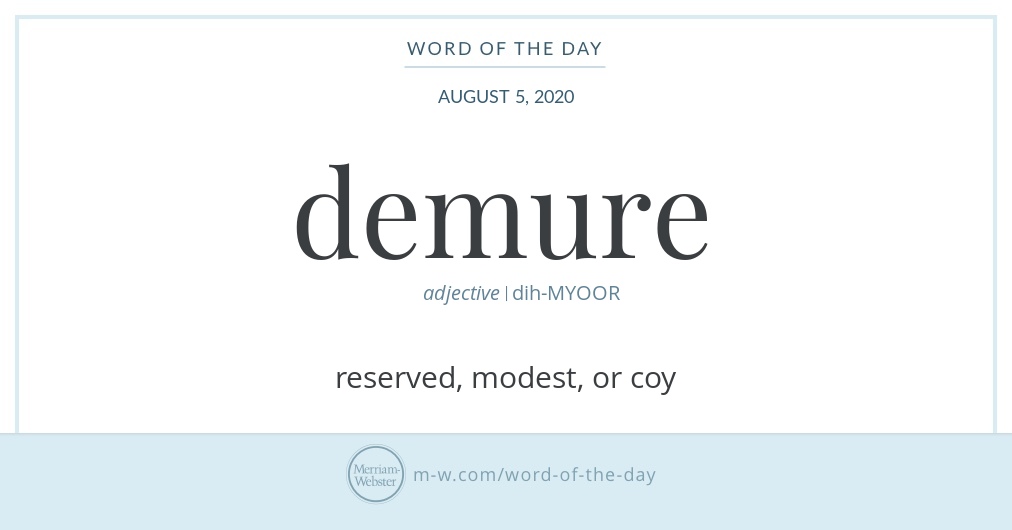
The Linguistic Evolution of “Demure” in Brand Strategy
To understand how “demure” fits into a brand’s toolkit, we must first look at its transition from a personality trait to a marketing archetype. For decades, brands were taught that to be successful, they had to be disruptive. They had to “break the internet,” shout the loudest, and occupy as much mental real estate as possible. However, the saturation of the digital market has led to consumer fatigue. In response, a new movement has emerged: the “Very Demure, Very Mindful” approach to identity.
From Dictionary Definition to Digital Archetype
Historically, “demure” carried connotations of passivity. In a 19th-century context, it was a social requirement. In 2024, however, branding experts have reclaimed the term to signify “calculated elegance.” In branding, being demure is no longer about being shy; it is about being self-assured enough that you do not need to scream for attention. It suggests a brand that knows its value and presents itself with a level of decorum that commands respect rather than begging for a click.
This archetype thrives on the “less is more” philosophy. When a brand chooses to be demure, it is signaling to its audience that it prioritizes quality over quantity and substance over spectacle. It is a pivot away from the chaotic energy of “Brat” culture toward a more grounded, curated presence.
The “Very Demure, Very Mindful” Phenomenon
The recent viral explosion of the phrase “Very demure, very mindful” has provided a blueprint for how brands can engage with trends without losing their professional integrity. This trend emphasizes showing up to work, or the marketplace, with a sense of “modesty” that is actually a high-level performance of professionalism.
For brand strategists, this phenomenon highlights the importance of “mindfulness.” A demure brand is mindful of its audience’s time, mindful of its visual footprint, and mindful of the tone it sets in a crowded social feed. It’s about the “soft sell”—an approach that feels like a suggestion rather than a demand.
Implementing the Demure Aesthetic in Visual Identity
A brand’s visual identity is the first point of contact with its audience. If the goal is to project a demure image, the design must reflect restraint, balance, and a certain “quiet” confidence. This is where brand strategy intersects with high-end design principles to create an identity that feels timeless rather than trendy.
Minimalism and the “Quiet Luxury” Parallel
The concept of “demure” in branding is a close cousin to “Quiet Luxury” or “Old Money” aesthetics. These strategies avoid large logos and garish colors. Instead, they rely on the quality of the materials (or the content) to speak for itself.
In a digital space, a demure visual identity uses “white space” (or negative space) as a luxury. It doesn’t clutter the user’s screen with pop-ups or neon “buy now” buttons. By allowing the design to breathe, the brand communicates that it is not desperate for a conversion. This builds a sense of prestige; it suggests that the brand is an elite club that one is invited to join, rather than a street vendor shouting at passersby.
Color Palettes and Typography that Speak Softly
Color theory plays a massive role in the demure brand strategy. While “disruptive” brands might use high-contrast neons or aggressive reds, a demure brand leans toward a palette of “muted neutrals”—sage greens, soft creams, slate blues, and mocha. These colors are psychologically soothing, fostering a sense of trust and stability.
Typography, too, must be “mindful.” The demure brand often avoids the heavy, blocky sans-serifs that dominated the tech-bro era of the 2010s. Instead, they might utilize elegant, high-contrast serifs or very light, airy sans-serifs. The goal is legibility paired with grace. The text shouldn’t jump off the page; it should sit elegantly within it, inviting the reader to engage at their own pace.

The Psychology of Demure Marketing
Why are consumers suddenly gravitating toward brands that describe themselves as demure? The answer lies in the psychological fatigue of the modern consumer. We are bombarded by thousands of advertisements daily. In this environment, a brand that acts with “decorum” and “restraint” feels like a breath of fresh air.
Building Trust through Restraint
There is a profound psychological link between restraint and perceived expertise. Think of a high-end surgeon or a prestigious law firm; they rarely use aggressive sales tactics. Their brand is demure because their reputation precedes them.
By adopting a demure posture, a brand signals that it possesses “expert power.” It suggests: “We don’t need to chase you; we know our product works.” This builds deep-seated consumer trust. When a brand is “mindful” of its messaging—ensuring every post, email, and advertisement is necessary and valuable—the consumer begins to see the brand as a partner rather than a predator.
Attracting the Sophisticated Consumer
The “demure” brand strategy is particularly effective for targeting high-net-worth individuals or the “conscious consumer.” These demographics are often put off by traditional “hard sell” marketing. They value subtlety, intelligence, and nuance.
A demure brand engages this audience by using “understated” language. Instead of saying “The Best Vacuum Ever Made,” a demure brand might say, “A more considered way to clean.” This shift in language respects the consumer’s intelligence, allowing them to come to their own conclusion about the product’s quality. It is the difference between a brand that tells you what to think and a brand that provides the evidence for you to think for yourself.
Case Studies: Brands that Master the Demure Approach
Looking at real-world applications of the “demure” and “mindful” strategy helps illustrate how these abstract concepts translate into market success and brand equity.
The Tech-Minimalist Brand: A Study in Digital Decorum
While we are focusing on branding, many tech-adjacent companies have mastered the demure aesthetic. Consider a brand like Nothing (the electronics company) or even Apple in its prime. Their branding is incredibly demure. They use clean lines, minimal copy, and a focus on the “purity” of the product.
When Nothing releases a product, the marketing isn’t about “more features”; it’s about a “refined experience.” This is “mindful” branding. They are aware of the “digital noise” and position their brand as the antidote to it. Their demure approach makes their gadgets feel like pieces of art rather than disposable pieces of plastic.
High-End Personal Branding and the Subtle Sell
In the realm of personal branding, influencers and CEOs are moving away from the “hustle culture” persona toward something more demure. Take, for example, the rise of “lifestyle curators” on platforms like LinkedIn or Instagram who focus on “slow living.”
Their personal brand is built on “mindfulness.” They post less frequently, but each post is high-quality and deeply reflective. They don’t use “engagement bait” (like “Comment ‘YES’ if you agree!”). Instead, they foster a demure community where the value of the conversation is the primary draw. This strategy builds a “premium” personal brand that can command higher speaking fees and more prestigious partnerships because they are seen as “above the fray.”

Conclusion: The Strategic Value of Being Demure
As we have explored, the word “demure” has moved far beyond its origins. In the world of brand strategy, it represents a sophisticated response to a chaotic digital age. To be a demure brand is to be “mindful” of your impact, “restrained” in your execution, and “elegant” in your communication.
Adopting a demure brand identity is not about being small or quiet; it is about being intentional. It is a strategy of “conspicuous subversion”—standing out by refusing to participate in the race to the bottom of the attention economy. By embracing the demure, brands can foster deeper trust, attract a more sophisticated audience, and build a lasting identity that doesn’t need to shout to be heard. In the end, being “very demure, very mindful” is more than just a trend; it is a masterclass in modern brand longevity.
aViewFromTheCave is a participant in the Amazon Services LLC Associates Program, an affiliate advertising program designed to provide a means for sites to earn advertising fees by advertising and linking to Amazon.com. Amazon, the Amazon logo, AmazonSupply, and the AmazonSupply logo are trademarks of Amazon.com, Inc. or its affiliates. As an Amazon Associate we earn affiliate commissions from qualifying purchases.