
The question “When was American Airlines founded?” might seem like a simple query seeking a specific date. However, for those deeply invested in brand strategy and corporate identity, it’s far more than a historical footnote. It represents the genesis of one of the world’s most enduring and recognizable corporate brands, a narrative steeped in the pioneering spirit of aviation, regulatory shifts, and visionary leadership. Understanding the precise circumstances of its founding offers invaluable insights into the bedrock upon which its colossal corporate identity was built, and how that initial blueprint continues to inform its brand strategy to this day.

American Airlines, as we know it, didn’t emerge fully formed on a single day. Its birth was a process, a consolidation of numerous smaller entities that coalesced into a unified brand. The most commonly cited founding date for American Airlines, marking its definitive establishment as a distinct entity under C.R. Smith, is 1934. This was the year the Air Mail Act forced the reorganization of large aviation holding companies, compelling them to separate their manufacturing and airline operations. From the remnants of a sprawling conglomerate known as Aviation Corporation (AVCO), American Airlines emerged as a standalone carrier. Yet, its roots stretch back further, to the mid-1920s, highlighting a foundational period critical for understanding the brand’s DNA.
The Genesis of an Aviation Giant: More Than Just a Date
The story of American Airlines’ founding is a compelling case study in brand evolution, demonstrating how necessity, regulation, and strategic vision can forge a powerful corporate identity from disparate parts. It wasn’t a startup in the modern sense but a strategic aggregation that, under specific pressures, was forced to redefine itself and its brand promise.
From Air Mail Routes to Passenger Service (1926-1930s)
The true pre-history of American Airlines begins in 1926 with the establishment of Colonial Air Transport, carrying U.S. Mail between New York and Boston. This initial venture was soon followed by the formation of Aviation Corporation (AVCO) in 1929, a massive holding company that rapidly acquired over 80 small airlines and aviation-related businesses, including Colonial Air Transport. This conglomerate operated under various names like American Airways, flying a complex web of routes across the United States.
During this nascent period, the primary focus was on airmail contracts, which offered vital government subsidies. Passenger service, though offered, was secondary and often seen as a novelty rather than a primary business. The “brand” at this stage was fragmented, largely undefined beyond the operational names of individual routes or acquired carriers. However, this period laid crucial groundwork: it established a vast network, accumulated operational experience, and integrated diverse aviation assets. The challenge, from a brand perspective, was to synthesize this collection of assets into a coherent, recognizable entity that could convey trust, reliability, and ultimately, a distinct identity to the nascent air travel market.
The Air Mail Act of 1934 and Corporate Rebranding
The pivotal moment for the birth of the American Airlines brand was the Air Mail Act of 1934. Prompted by scandals and accusations of collusion among large aviation holding companies, the government canceled all existing airmail contracts. The legislation mandated that manufacturers could not own airlines and vice-versa, forcing a radical restructuring of the aviation industry.
This act was a forced rebranding event on an industry-wide scale. Aviation Corporation (AVCO) was compelled to divest its manufacturing interests and spin off its airline operations into an independent company. This new entity needed a name, a distinct identity, and a clear purpose. Thus, in 1934, “American Airlines” officially emerged as the successor to the former American Airways system, no longer just a collection of routes but a unified corporate brand.
This separation was critical for establishing a distinct corporate identity. Before 1934, the public perception was of a vast, somewhat amorphous aviation giant. Post-1934, American Airlines was presented as a dedicated airline, solely focused on air transport. This clarified its mission and helped build a focused brand image in the public consciousness.
C.R. Smith’s Vision for a Unified Brand
Crucial to the formation and early success of the American Airlines brand was the leadership of C.R. Smith. Appointed as president in 1934, Smith quickly recognized the need to transform the disparate assets inherited from AVCO into a cohesive and customer-centric operation. He wasn’t just managing an airline; he was building a brand.
Smith’s vision was instrumental in instilling a common culture and service standard across the newly unified company. He understood that a strong brand required consistency—in service, safety, and passenger experience. His emphasis on innovation, such as the adoption of the Douglas DC-3 (which American Airlines helped develop), wasn’t just about operational efficiency; it was a strategic move to position American Airlines as a leader in comfort, speed, and reliability. This commitment to delivering a superior product and a consistent experience was fundamental to shaping American Airlines’ early corporate identity and distinguishing it from competitors. Smith recognized that the brand promise wasn’t just about getting passengers from point A to point B, but how they got there.
Forging an Enduring Corporate Identity in the Golden Age of Aviation
With its official founding in 1934, American Airlines embarked on a journey to cement its corporate identity, transforming from a newly formed entity into a dominant player in the burgeoning airline industry. This era, often dubbed the “Golden Age of Aviation,” was fertile ground for brand building, where airlines competed not just on routes but on the experience they offered.
Setting Standards: Innovation as a Brand Pillar
From its inception, American Airlines strategically positioned itself as an innovator, making technological advancement a core pillar of its brand identity. The airline’s early adoption and significant investment in the Douglas DC-3 in 1936 was a game-changer. This aircraft, with its enhanced comfort, speed, and reliability, allowed American Airlines to offer the first transcontinental sleeper flights and introduce new levels of passenger service previously unimaginable.
By associating itself with cutting-edge technology and superior comfort, American Airlines cultivated a brand image of progress, sophistication, and luxury. This wasn’t merely about having better planes; it was about communicating a brand promise of delivering the best available travel experience. This commitment to innovation built a strong reputation and fostered trust among passengers, who began to associate the American Airlines brand with quality and forward-thinking service.
The Power of Design and Visual Branding
As the airline industry grew, so did the importance of visual branding. American Airlines understood that its corporate identity needed to be visually distinctive and resonant. Early liveries, advertising campaigns, and logos were carefully crafted to convey specific brand attributes. The “American” in its name was leveraged to evoke a sense of patriotism, reliability, and national pride.
Early designs often featured patriotic motifs, bold lettering, and a clean aesthetic that communicated modernity and efficiency. The iconic “AA” logo, introduced in various iterations over the decades, became a shorthand for the brand, instantly recognizable. Advertising campaigns didn’t just promote routes; they sold the dream of air travel, framing American Airlines as the facilitator of adventure, connection, and progress. This deliberate focus on visual identity ensured that the brand wasn’t just heard or experienced, but also seen and remembered, building strong mental associations with quality air travel.
Cultivating Customer Loyalty and Brand Trust
In an era when air travel was still a luxury and a novelty, cultivating customer loyalty was paramount. American Airlines focused on service excellence and reliability to build deep trust with its passengers. This involved everything from punctual departures and arrivals to attentive in-flight service. The “stewardess” role, pioneered in the early days, was instrumental in creating a more hospitable and reassuring environment for travelers, further enhancing the brand experience.
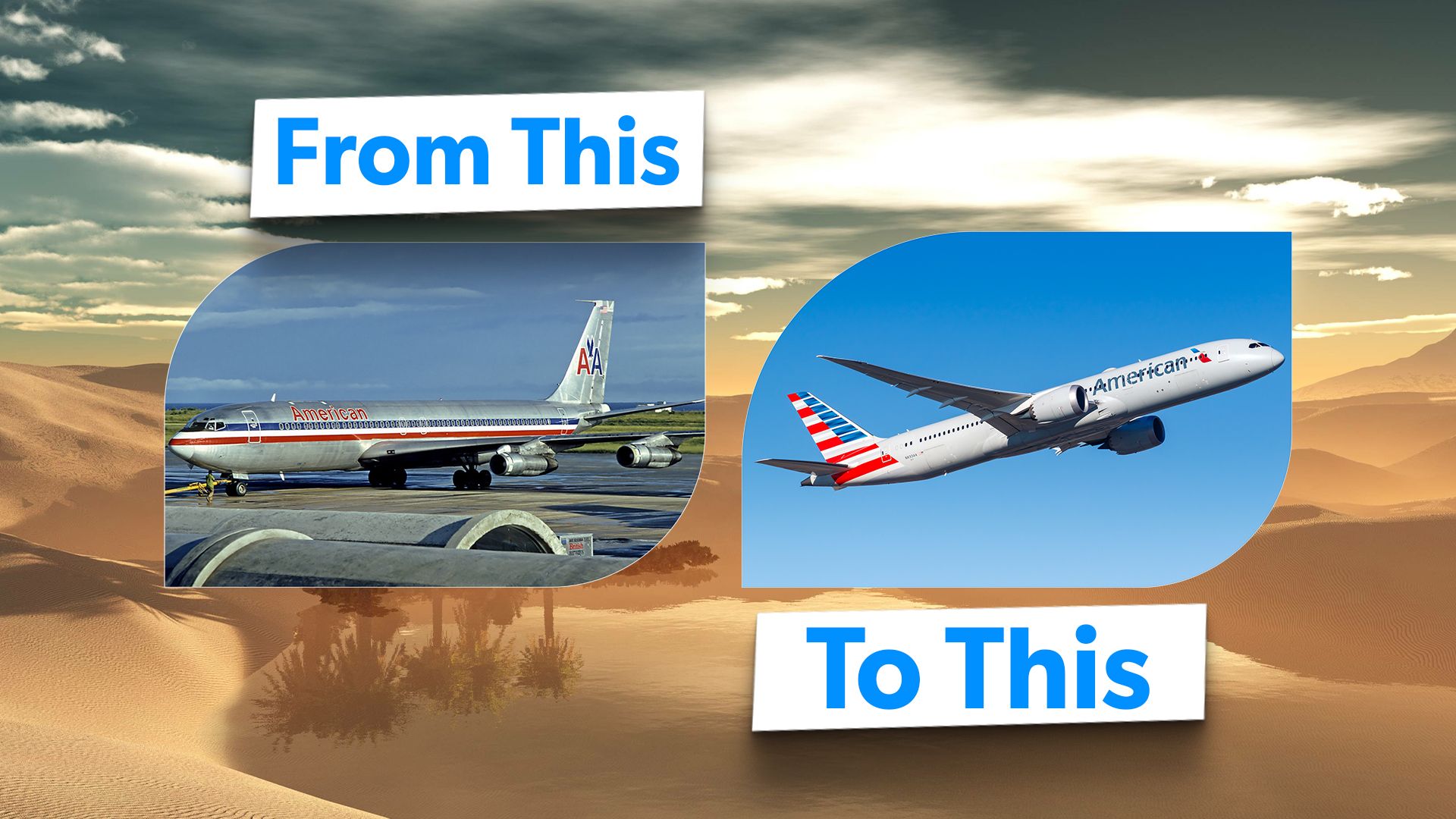
The airline’s consistent emphasis on safety, meticulous maintenance, and well-trained crews contributed significantly to its reputation for trustworthiness. In a new and sometimes intimidating mode of transport, a brand that projected safety and reliability was invaluable. These foundational elements of service and trust formed the bedrock of American Airlines’ brand equity, establishing a loyal customer base and a powerful reputation that would sustain it through decades of growth and change.
Navigating Turbulence: Brand Resilience Through Challenges
The journey of American Airlines from its 1934 founding has been punctuated by periods of immense growth and significant challenge. Through economic downturns, regulatory shifts, intense competition, and industry consolidation, the American Airlines brand has consistently demonstrated resilience, adapting its strategy while striving to maintain its core corporate identity.
Post-War Expansion and Market Dominance
Following World War II, the commercial aviation industry experienced a boom. American Airlines capitalized on this, expanding its fleet, routes, and international presence. This period of rapid growth further solidified its brand as a global leader. By connecting major cities across the U.S. and extending its reach internationally, American Airlines became synonymous with comprehensive air travel.
During this era, its brand message evolved to reflect its expanded reach and increased sophistication. It was no longer just about pioneering air travel; it was about offering extensive connectivity and a seamless global experience. The sheer scale of its operations and the breadth of its network became powerful brand attributes, communicating stability, reliability, and the ability to serve a vast and diverse customer base.
Deregulation and the Battle for Brand Differentiation
The Airline Deregulation Act of 1978 was a seismic event that fundamentally reshaped the U.S. aviation industry. Before deregulation, routes, fares, and competition were heavily controlled, allowing airlines to operate in a more predictable environment. Post-deregulation, airlines faced intense competition, price wars, and the freedom to operate new routes.
This new landscape forced American Airlines, like all major carriers, to re-evaluate and reinforce its brand identity to stand out. It couldn’t rely solely on its established name; it needed to offer compelling reasons for passengers to choose its brand over dozens of new entrants and aggressive competitors. American Airlines responded with strategic innovations like the AAdvantage program, launched in 1981, which was the world’s first frequent flyer program. AAdvantage became a cornerstone of its brand loyalty strategy, rewarding repeat customers and creating a powerful incentive to stick with the American Airlines brand. This move demonstrated a proactive understanding of brand differentiation in a highly competitive market.
Mergers, Acquisitions, and Brand Integration
The airline industry is no stranger to consolidation, and American Airlines has been a central player in several significant mergers. Notable acquisitions include Trans World Airlines (TWA) assets in 2001 and, most significantly, its merger with US Airways in 2013, which created the world’s largest airline. These mergers present immense brand management challenges.
The integration of disparate corporate cultures, operational systems, and distinct brand identities under a single banner requires meticulous strategic planning. For American Airlines, the goal was always to absorb the acquired entities while retaining and strengthening the core American Airlines brand. This meant carefully phasing out legacy names (like US Airways), integrating loyalty programs, standardizing service protocols, and often, adopting a unified livery and visual identity. The success of these integrations is a testament to the strength and adaptability of the American Airlines brand, demonstrating its capacity to grow through consolidation while preserving its core identity and passenger trust.
The Modern American Airlines Brand: A Legacy of Adaptation
From its complex founding in 1934, American Airlines has continuously adapted its brand strategy to remain relevant and competitive. Today, it stands as a testament to the power of a strong corporate identity built on a foundation of historical significance, innovation, and strategic brand management.
Technology and the Evolving Brand Experience
In the 21st century, technology has become an inextricable part of the travel experience, and American Airlines has integrated digital solutions into its brand promise. From intuitive online booking platforms and mobile apps that streamline check-in and boarding to advanced in-flight entertainment systems and Wi-Fi connectivity, technology enhances the convenience and comfort associated with the American Airlines brand.
The brand’s digital presence extends beyond operational efficiency; it’s also a critical channel for communication and customer engagement. Through social media and digital marketing, American Airlines reinforces its brand values, shares updates, and interacts with passengers, maintaining its relevance in an increasingly digital world. This strategic embrace of technology ensures that the brand continues to be perceived as modern, efficient, and attuned to the needs of contemporary travelers.
Sustainability and Corporate Social Responsibility
Modern consumers are increasingly conscious of a brand’s commitment to sustainability and corporate social responsibility (CSR). American Airlines, like other leading global brands, has recognized the importance of integrating these values into its corporate identity. This includes initiatives to reduce carbon emissions, invest in sustainable aviation fuel, minimize waste, and contribute to community development.
By openly communicating its sustainability efforts and engaging in socially responsible practices, American Airlines seeks to resonate with a new generation of environmentally and ethically aware travelers. This commitment is not just about compliance; it’s about shaping a brand identity that reflects broader societal values, demonstrating leadership beyond just air transport, and reinforcing its image as a responsible global corporate citizen.

Brand Storytelling in the 21st Century
The rich history of American Airlines, stretching back to its founding in 1934, provides a powerful narrative for brand storytelling. In a competitive market where differentiation can be challenging, leveraging its legacy as a pioneer in aviation helps American Airlines connect with passengers on an emotional level. Its story is one of innovation, resilience, and a deep connection to the American spirit.
Through carefully crafted marketing campaigns, historical tributes, and internal communications, American Airlines continually reminds its stakeholders of its foundational role in air travel. This storytelling reinforces its authenticity, establishes its authority, and fosters a sense of trust and heritage. The founding date, therefore, is not merely a fact but the opening chapter of a continuous and evolving brand story that continues to resonate with millions of travelers worldwide.
The seemingly straightforward question of “when was American Airlines founded?” unravels a complex and fascinating story of corporate birth, identity formation, and brand evolution. While 1934 marks its official emergence as a distinct entity, its roots trace back further, illustrating how a brand can be forged from disparate elements, refined by visionary leadership, and tested by market dynamics. American Airlines’ journey from airmail routes to global dominance is a compelling case study in building and sustaining a powerful corporate brand—one that continually adapts its strategy, leverages its heritage, and reaffirms its identity to remain a leading force in the ever-changing landscape of global aviation. Its founding wasn’t just a date; it was the strategic blueprint for an enduring legacy.
aViewFromTheCave is a participant in the Amazon Services LLC Associates Program, an affiliate advertising program designed to provide a means for sites to earn advertising fees by advertising and linking to Amazon.com. Amazon, the Amazon logo, AmazonSupply, and the AmazonSupply logo are trademarks of Amazon.com, Inc. or its affiliates. As an Amazon Associate we earn affiliate commissions from qualifying purchases.