
Embarking on international travel is an exciting prospect, but the cost of airfare can often be the most substantial single expense. For the financially savvy traveler, timing the purchase of international tickets isn’t just about convenience; it’s a strategic financial decision that can save hundreds, if not thousands, of dollars. Understanding the intricate dynamics of airfare pricing and deploying smart booking strategies is key to optimizing your travel budget and maximizing the value of your hard-earned money.
Decoding the Intricacies of Airfare Pricing
The price you pay for an international flight is rarely static. It’s a complex, ever-shifting figure influenced by a multitude of economic factors, algorithmic computations, and market behaviors. To make informed financial decisions, it’s crucial to grasp these underlying mechanisms.

The Algorithmic Nature of Ticket Prices
Airlines employ sophisticated dynamic pricing algorithms that adjust fares in real-time. These algorithms analyze vast datasets, including historical booking patterns, competitor pricing, seat availability, search queries, and even the type of device you’re using. The goal is to maximize revenue by charging each customer the highest price they are willing to pay for a given flight. This means prices can change dramatically within hours, or even minutes, depending on demand signals. For consumers, this necessitates diligence and strategic timing to intercept lower price points.
Demand and Supply Economics
At its core, airfare pricing adheres to fundamental economic principles. High demand for a particular route, especially during peak travel seasons, holidays, or major events, inevitably drives prices up. Conversely, routes with lower demand or flights during off-peak times typically see more competitive pricing. Airlines release a certain number of seats at various price tiers. As cheaper tiers sell out, the available seats move into higher, more expensive buckets. Understanding the demand cycles for your desired destination and being flexible with your travel dates can be a significant financial advantage.
Fuel Costs and Operational Overheads
While less directly actionable for the consumer, global fuel prices exert a considerable influence on airline operational costs and, consequently, ticket prices. When crude oil prices rise, airlines eventually pass some of these increased costs onto passengers. Similarly, other operational overheads, such as airport fees, navigation charges, and labor costs, are factored into the base fare. These macroeconomic factors highlight why predicting long-term price trends can be challenging and why a proactive approach to booking within known optimal windows is often the most prudent financial strategy.
Exchange Rate Volatility
For international tickets, the currency exchange rate can play an unexpected role. While you might pay in your local currency, the underlying cost to the airline for fuel, landing fees, or even leasing aircraft might be in USD or another major currency. Significant shifts in exchange rates can impact an airline’s profitability, potentially leading to adjustments in ticket prices, particularly for tickets purchased far in advance or close to departure. Monitoring major currency trends, especially if you are considering purchasing tickets from an airline based in a different currency zone, can offer a subtle financial edge.
The “Golden Window” for Booking
While no crystal ball can predict the absolute lowest price, extensive research and aggregated data from travel analytics firms point to general booking windows that consistently offer the best value for international airfares.
General Guidelines and Sweet Spots
The widely accepted “golden window” for booking international flights is typically 2 to 8 months in advance of your departure date. Within this broad range, many experts pinpoint the sweet spot between 3 to 5 months out for the most favorable prices. Booking too early (e.g., more than 8-10 months in advance) can sometimes result in higher prices because airlines haven’t yet released all their promotional fares or finalized their capacity adjustments. Conversely, booking too late, especially within 6-8 weeks of departure, almost invariably leads to significantly inflated costs due to dwindling availability in cheaper fare classes.
Peak vs. Off-Peak Seasons
The timing of your trip within the year is paramount. Traveling during peak seasons—summer holidays (June-August in the Northern Hemisphere), Christmas, New Year’s, and major public holidays—will always command a premium. If your travel dates align with these periods, extend your booking window to the earlier end of the golden window (e.g., 6-8 months out) to secure the best available rates. Conversely, choosing to travel during off-peak or shoulder seasons (e.g., late fall, early spring, excluding holidays) can unlock substantial savings, often allowing you more flexibility with your booking timing, even closer to the 2-3 month mark.
Impact of Destination Popularity
Highly popular destinations, especially those with limited direct flight options or unique seasonal attractions (e.g., cherry blossom season in Japan, Oktoberfest in Germany), tend to follow the earlier end of the booking window. Lesser-known destinations or those with abundant flight options from multiple carriers might offer more flexibility. Always research the specific demand patterns for your chosen destination.
Specific Day of the Week to Buy
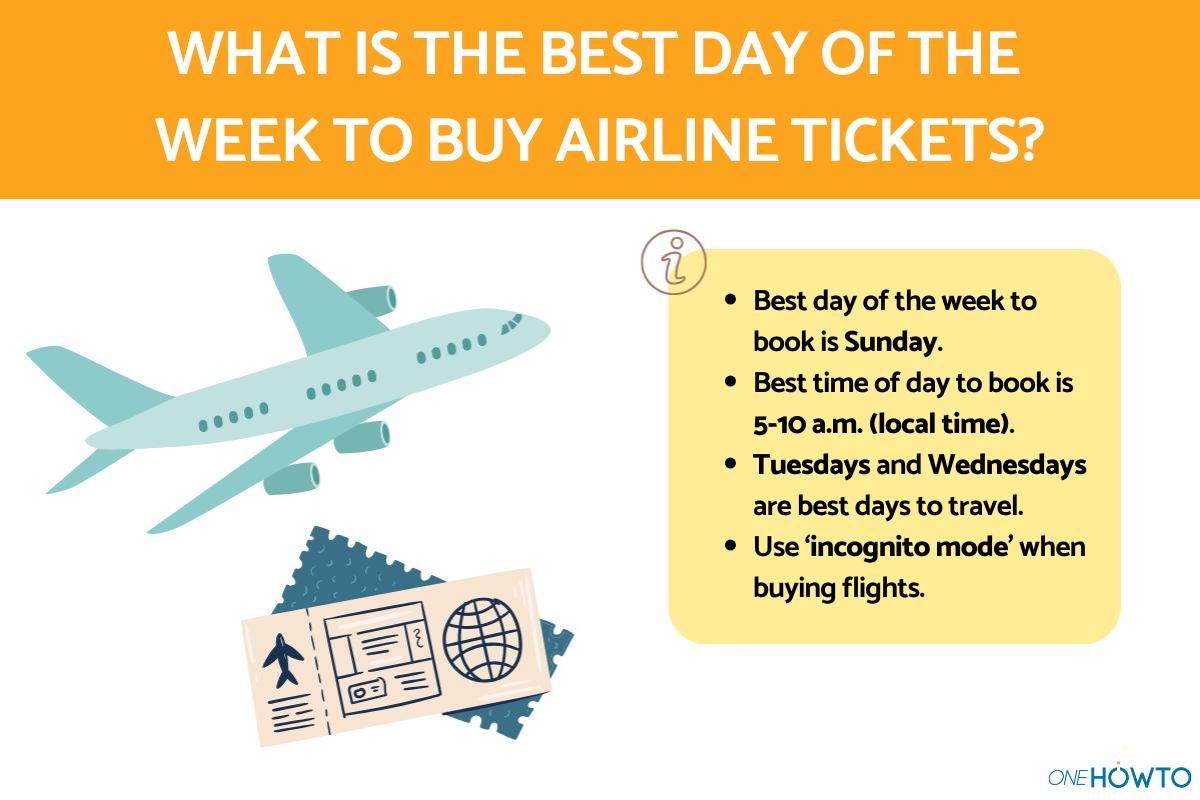
While the myth of Tuesday being universally the cheapest day to buy tickets has largely been debunked by dynamic pricing, there’s still some truth to specific purchasing patterns. Airlines often load new fare sales or adjust prices late at night or early in the morning, which might lead to temporary dips. However, a more impactful factor is the day of the week you fly. Flying on Tuesdays, Wednesdays, and Saturdays for international routes generally tends to be cheaper than flying on high-demand Fridays and Sundays. Being flexible with your departure and return days can yield significant financial benefits.
Strategies for Maximizing Savings
Beyond the golden window, several practical strategies can help you further reduce the cost of your international airfare, turning wise financial habits into tangible travel savings.
Leveraging Price Prediction Tools and Alerts
Modern travel technology offers invaluable assistance. Websites like Google Flights, Skyscanner, Kayak, and Hopper provide price prediction features and allow you to set up fare alerts for specific routes. These tools monitor price fluctuations and notify you when fares drop, enabling you to act swiftly when a good deal emerges. Consistently tracking prices for weeks or months can give you a better feel for average costs and identify genuinely low prices.
Flexibility with Dates and Airports
One of the most potent weapons in a financially savvy traveler’s arsenal is flexibility.
- Flexible Dates: Even shifting your departure or return by a day or two can sometimes result in hundreds of dollars in savings. Many flight search engines offer a “flexible dates” calendar view, highlighting the cheapest days to fly within a given month.
- Flexible Airports: Consider flying into or out of alternative, smaller airports near your primary destination. Low-cost carriers often operate from these secondary hubs, and the savings on airfare might outweigh the cost and time of connecting ground transportation. Similarly, if you live near multiple major international airports, compare prices from each.
The Power of Incognito Browsing and VPNs
While not universally guaranteed, anecdotal evidence suggests that airlines and online travel agencies (OTAs) can track your browsing history and potentially increase prices on routes you’ve repeatedly searched. Using your browser’s incognito or private browsing mode, clearing cookies, or even using a Virtual Private Network (VPN) to appear to be browsing from a different geographical location, might, in some rare cases, reveal different pricing. It’s a simple step that costs nothing and could potentially save you money.
Utilizing Airline Miles and Credit Card Points
For frequent travelers, accumulating airline miles and credit card points can be a game-changer. Strategic use of these rewards can dramatically reduce or even eliminate the cash cost of international tickets. Research credit cards that offer generous sign-up bonuses and ongoing rewards for travel-related spending. Learn about airline loyalty programs and their redemption charts, understanding how to maximize the value of your points for international flights, often during award sales or through specific airline partners.
Considering Budget Airlines and Layovers
Don’t dismiss budget airlines for international travel, especially for shorter long-haul routes or segments within a larger journey. While they often charge extra for amenities like checked bags, seat selection, and meals, the base fare can be significantly lower. Similarly, flights with layovers are almost always cheaper than direct flights. If time permits and you don’t mind a stop, choosing flights with one or two layovers can lead to substantial savings.
Booking One-Way vs. Round-Trip
While traditionally round-trip tickets were almost always cheaper for international travel, this isn’t always the case anymore, especially with the rise of budget carriers and increased competition. Sometimes, booking two separate one-way tickets on different airlines or even mixing carriers can be more cost-effective. Always compare the total cost of two one-ways versus a single round-trip before committing.
Avoiding Common Pitfalls and Costly Mistakes
Even with the best intentions, financial missteps in booking international tickets can quickly erode your savings. Awareness of these common errors is critical for smart money management.
The Perils of Last-Minute Bookings
Unless it’s an emergency, booking international flights within a few weeks of departure is almost always the most expensive option. As departure dates approach, airlines assume travelers are less price-sensitive and more desperate, increasing prices significantly. The chance of snagging a last-minute “deal” is exceedingly rare for popular international routes.
Over-reliance on a Single Source
Never rely on just one website or airline for your flight search. While a single aggregator might be convenient, direct airline websites often have exclusive deals or slightly different pricing. Always cross-reference prices across multiple search engines, aggregators, and individual airline sites to ensure you’re getting the most competitive fare.
Ignoring Fare Rules and Hidden Costs
The advertised price isn’t always the final price. Always read the fare rules carefully. Be aware of potential hidden costs such as baggage fees, seat selection charges, in-flight meal costs (especially on budget carriers), and change/cancellation fees. A seemingly cheaper ticket might end up being more expensive than a slightly pricier fare that includes more amenities or flexibility.
Panic Buying During Sales
Airlines frequently announce “flash sales” or “limited-time offers.” While some can be genuine opportunities, it’s crucial to assess them with a critical financial eye. Don’t panic buy without first checking if the “sale” price is genuinely lower than what you’ve observed during your price tracking. Sometimes, these sales are strategically timed to coincide with typical price increases, making a regular price appear like a discount.
Financial Tools and Resources for Smart Booking
Leveraging the right digital tools is essential for making financially intelligent international ticket purchases. These resources streamline the comparison and tracking process, empowering you to make data-driven decisions.
Comparison Websites and Aggregators
Start your search with powerful comparison sites that pull data from hundreds of airlines and OTAs. Key players include:
- Google Flights: Excellent for its calendar view showing cheapest dates, multi-city search, and price tracking.
- Skyscanner: Known for its “Everywhere” search feature, ideal if you’re flexible on destination, and its “Cheapest Month” option.
- Kayak: Offers flexible date search and mixes and matches airlines for cheaper itineraries.
- Momondo: Often finds unique flight combinations that other sites might miss.
Price Tracking Services
Beyond basic aggregators, dedicated price tracking services provide invaluable historical data and future predictions.
- Hopper: Uses predictive algorithms to advise whether to buy now or wait, based on historical trends.
- FareCompare: Provides “When to Buy” data for specific routes, showing optimal booking windows.
- Airline Email Alerts: Sign up for newsletters from your preferred airlines. They often announce sales directly to subscribers before they go public.

Credit Cards with Travel Benefits
Strategically chosen credit cards can offer a financial safety net and enhance your travel savings. Look for cards that provide:
- Travel Insurance: Coverage for trip cancellation/interruption, baggage delay, and rental car insurance.
- No Foreign Transaction Fees: Crucial for international purchases, saving you 2-3% on every transaction abroad.
- Points/Miles Earning Potential: Maximize rewards for future travel.
- Lounge Access: A welcome perk for long layovers, saving money on airport food and drinks.
By integrating these financial insights and tools into your travel planning, you can transform the daunting task of buying international tickets into a strategic exercise in cost optimization, ensuring your money goes further on your global adventures.
aViewFromTheCave is a participant in the Amazon Services LLC Associates Program, an affiliate advertising program designed to provide a means for sites to earn advertising fees by advertising and linking to Amazon.com. Amazon, the Amazon logo, AmazonSupply, and the AmazonSupply logo are trademarks of Amazon.com, Inc. or its affiliates. As an Amazon Associate we earn affiliate commissions from qualifying purchases.