
In an increasingly digital world, the way we manage and transfer money has evolved dramatically. Cash App stands as a prominent player in this financial revolution, offering a streamlined platform for sending, spending, saving, and crucially, receiving money. For individuals navigating personal finances, understanding how to effectively harness Cash App for incoming funds is paramount. This guide delves into the mechanisms of receiving money on Cash App, positioning it within the broader context of personal financial management and highlighting its utility as a modern financial tool. Whether you’re receiving a quick payment from a friend, your bi-weekly paycheck, or earnings from a side hustle, mastering Cash App’s receiving features can significantly enhance your financial fluidity and control.
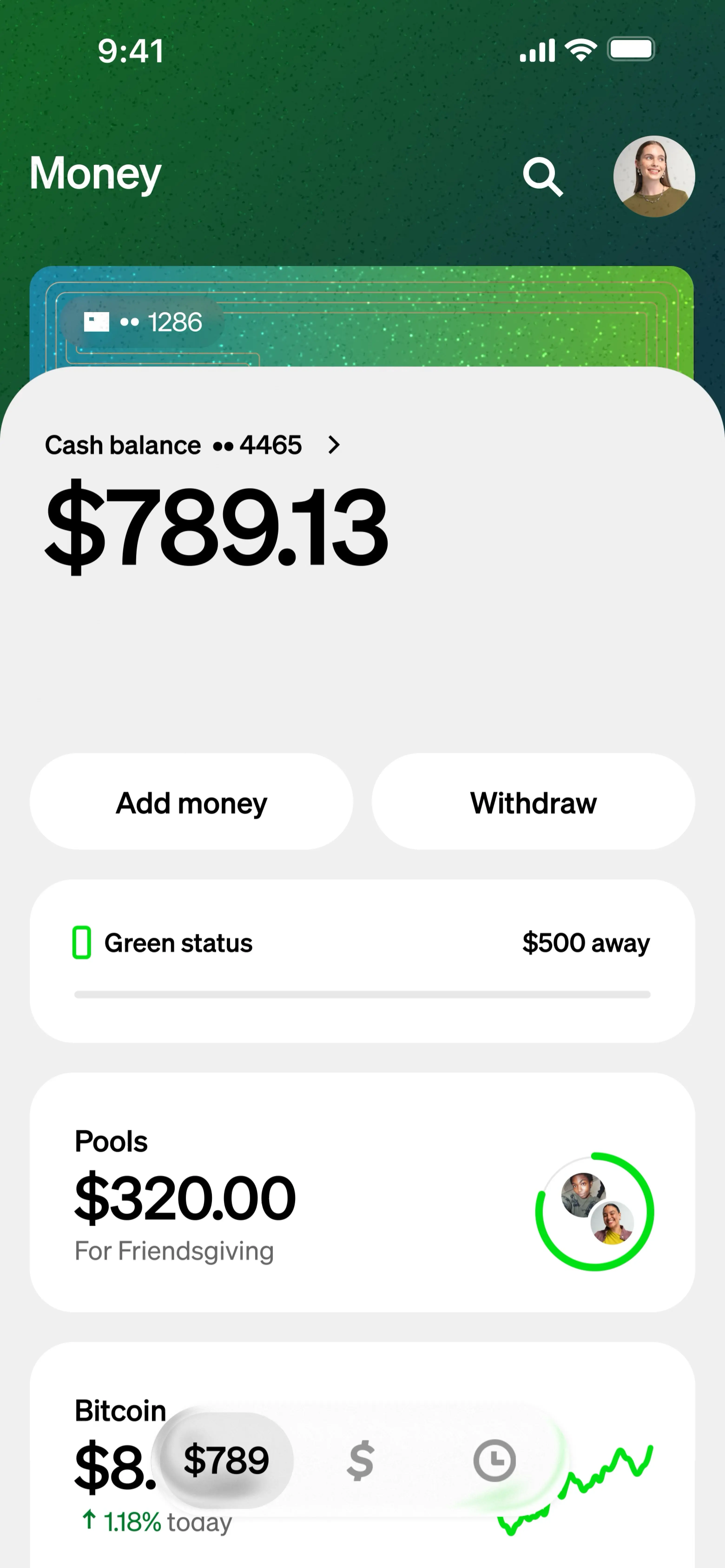
Cash App’s Role in Modern Personal Finance
Cash App has transcended its origins as a simple peer-to-peer (P2P) payment application to become a multifaceted financial tool deeply integrated into the personal finance strategies of millions. Its ease of use and accessibility have made it a go-to platform for managing various types of financial inflows, from casual transfers to more structured income.
The Evolution of Peer-to-Peer Payments
The advent of digital wallets and P2P payment apps like Cash App has revolutionized how individuals interact with their money. Gone are the days of needing to carry cash or write checks for small transactions between friends and family. Cash App simplifies these exchanges, making it effortless to split bills, repay debts, or send monetary gifts instantly. This immediate access to funds has a direct impact on personal budgeting and cash flow management, allowing for quicker reconciliation of expenses and clearer financial pictures. For many, it’s become an essential component of their daily financial toolkit, enabling them to manage spontaneous financial obligations without hassle.
Beyond Simple Transfers: A Holistic Financial Tool
While P2P transfers remain a core function, Cash App has expanded its features to address a wider spectrum of personal finance needs. Users can link bank accounts and debit cards, obtain a physical Cash Card for direct spending, and even delve into basic investing by buying stocks and Bitcoin directly within the app. These integrated features elevate Cash App from a mere payment facilitator to a more comprehensive platform for managing various aspects of one’s financial life. For those seeking to consolidate their financial activities, Cash App offers a convenient hub that can reduce the complexity of managing multiple accounts and services. This holistic approach empowers users to not only receive money but also to immediately decide how those funds will be spent, saved, or invested, thus fostering better financial discipline.
Why Cash App Matters for Your Personal Income Stream
For many, Cash App isn’t just for casual transfers; it’s a vital conduit for their personal income. Freelancers, gig workers, and even traditional employees increasingly leverage Cash App for receiving payments. Its ability to facilitate direct deposits transforms it into a viable alternative to traditional bank accounts for accessing paychecks and government benefits quickly. This speed and convenience can be particularly beneficial for individuals who need immediate access to their funds or prefer managing a portion of their income digitally. By centralizing different income streams within one accessible app, users can gain a clearer perspective on their earnings, making it easier to track income, allocate funds, and adhere to a personal budget.
The Mechanics of Receiving Money: Step-by-Step Financial Inflows
Receiving money on Cash App is designed to be straightforward, but understanding the nuances of each method can optimize your experience and ensure your funds arrive safely and efficiently.
Receiving Direct P2P Transfers from Friends & Family
The most common way to receive money on Cash App is through direct peer-to-peer transfers. When someone sends you money, it will automatically appear in your Cash App balance. You don’t need to “accept” these payments if your account is properly set up.
- Ensure your account is active: Make sure your Cash App account is fully set up, including linking a debit card or bank account.
- Provide your identifier: The sender will need your unique identifier, which can be your
$Cashtag(e.g.,$YourName), phone number, or email address associated with your Cash App account. - Automatic credit: Once sent, the funds typically appear in your Cash App balance instantly, ready for use or transfer to a linked bank account. This seamless process underscores Cash App’s utility for immediate financial interactions.
Setting Up Direct Deposit for Payroll and Benefits
Cash App offers a direct deposit feature, enabling users to receive their paychecks, tax refunds, and government benefits directly into their Cash App balance. This can be a game-changer for individuals seeking faster access to their funds or those without traditional bank accounts.
- Access your account and routing numbers: Within the Cash App, navigate to the “Banking” tab (or “Money” tab). You’ll find your Cash App routing and account numbers, which function similarly to those of a traditional bank.
- Provide to payer: Give these numbers to your employer, government agency, or benefits provider. They will use them to initiate direct deposits to your Cash App account.
- Receive funds: Funds are typically available on payday, often up to two days earlier than many traditional banks, providing a significant advantage for managing immediate financial needs. This feature effectively transforms your Cash App into a primary account for receiving regular income.
Proactively Requesting Money from Others
Cash App also empowers you to proactively request money from others, a useful feature for collecting shared expenses or reminding someone about a pending payment.
- Initiate a request: From the main Cash App screen, tap the “Request” button (typically located on the bottom navigation bar).
- Enter amount and recipient: Input the amount you wish to receive and select the contact(s) you’re requesting from (using their
$Cashtag, phone, or email). - Add a note: Include a brief description of the request (e.g., “Dinner split,” “Rent payment contribution”) for clarity.
- Send request: Once sent, the recipient receives a notification and can easily pay you directly from their Cash App balance or linked card. This active approach to collecting funds helps streamline personal financial reconciliation.
Receiving Payments from Businesses and Clients
For freelancers, small business owners, or those engaged in the gig economy, Cash App can serve as a convenient channel for receiving payments from clients or customers.
- Provide your
$Cashtagor linked payment identifier: Businesses can send payments to your$Cashtagor directly to your linked phone number/email. - Invoice details: When working with clients, ensure your invoice clearly states your preferred payment method, including your
$Cashtagor other Cash App identifiers. - Transaction limits: Be mindful of Cash App’s transaction limits, especially for larger business payments, and consider potential tax implications for self-employment income received via the app. While not a full-fledged business banking solution, it offers a quick and easy way to accept payments for services rendered.
Post-Reception: Managing and Utilizing Your Inflows
Once money arrives in your Cash App balance, the next step is to decide how to manage and utilize these funds effectively. Cash App offers several options, granting users flexibility in their financial decisions.
Instant vs. Standard Transfers to Your Linked Bank Account
After receiving money, you have the option to keep it in your Cash App balance or transfer it to a linked bank account.
- Standard Deposit: This is a free option that typically takes 1-3 business days for funds to reach your bank account. It’s suitable for funds you don’t need immediately.
- Instant Deposit: For a small fee (usually 0.5% – 1.75% of the transfer amount, with a minimum fee of $0.25), you can instantly transfer funds to your linked debit card, which then goes to your bank account within minutes. This option is invaluable for urgent financial needs or when you prefer to consolidate funds in your primary banking institution quickly. Strategically choosing between these options allows for optimized financial flow and cost management.

Spending Directly from Your Cash App Balance with the Cash Card
The Cash Card, a free, customizable Visa debit card linked to your Cash App balance, offers another way to utilize your received funds.
- Direct Spending: You can use the Cash Card anywhere Visa is accepted, online or in physical stores, drawing directly from your Cash App balance. This provides immediate access to your funds without needing to transfer them to a traditional bank account first.
- “Boosts”: The Cash Card also features “Boosts,” instant discounts applied at specific merchants when you use your card. These can offer significant savings on everyday purchases, effectively stretching your received funds further and enhancing your personal budgeting efficiency.
Exploring Investment Opportunities within the App (Stocks & Bitcoin)
For those looking to grow their money, Cash App provides an accessible entry point into investing.
- Stocks: You can buy fractional shares of popular companies with as little as $1 directly within the app. This feature allows received funds to be immediately channeled into investment portfolios, making saving and investing a more integrated part of managing incoming money.
- Bitcoin: Cash App also allows users to buy and sell Bitcoin, catering to individuals interested in cryptocurrency. This integration makes it easy to convert received fiat currency into digital assets, aligning with diverse personal financial strategies. However, it’s crucial to understand the risks associated with volatile assets before investing.
Tracking Your Incoming Funds for Budgeting and Financial Planning
Every transaction on Cash App is logged, providing a clear history of your financial inflows and outflows.
- Transaction History: Reviewing your transaction history regularly helps you track where your money comes from and how it’s being spent. This data is invaluable for personal budgeting, allowing you to monitor income against expenses and identify spending patterns.
- Financial Insights: By understanding your income streams within Cash App, you can make more informed decisions about saving, investing, and allocating funds, contributing to robust financial planning and goal achievement.
Safeguarding Your Financial Transactions on Cash App
While convenient, digital financial platforms require vigilance to protect your money. Cash App incorporates security features, and users must adopt best practices to safeguard their funds.
Implementing Robust Security Measures: PINs, 2FA, & Biometrics
Protecting your Cash App account is paramount to securing your received funds.
- Security Lock: Always enable the Security Lock feature, which requires you to enter a PIN, use Touch ID, or Face ID every time you open the app or send money.
- Two-Factor Authentication (2FA): Enable 2FA for an added layer of security. This requires a second form of verification, usually a code sent to your phone, in addition to your password, when logging in from a new device.
- Strong Passwords: Use a unique, strong password for your Cash App account and avoid reusing passwords from other services. These measures significantly reduce the risk of unauthorized access to your incoming money.
Identifying and Avoiding Common Scams and Fraudulent Requests
The digital landscape is unfortunately prone to scams. Be acutely aware of common schemes designed to trick users into sending money or revealing sensitive information.
- “Cash App Flip” Scams: Beware of promises to “flip” your money for a larger return. These are almost always fraudulent.
- Fake Customer Support: Cash App will never ask for your PIN, sign-in code, or full bank account details. Be wary of unsolicited calls, texts, or emails claiming to be from Cash App support.
- “Pay to Play” Scams: Never send money to receive money, especially for supposed prizes or grants. Genuine requests for money will not require an upfront payment from you. Always verify the identity of the sender before engaging in any transaction, especially if it seems too good to be true.
Understanding Cash App’s Dispute Resolution Process
While prevention is key, understanding how to address issues if they arise is crucial.
- Reporting Unauthorized Transactions: If you notice an unauthorized transaction, report it immediately within the app or by contacting Cash App support.
- Disputing Charges: Cash App has a process for disputing charges, particularly if you sent money to the wrong person or were a victim of fraud. While Cash App cannot guarantee recovery of funds in all cases, especially for P2P transfers sent intentionally, initiating the dispute process promptly is essential. This safety net provides a measure of recourse, reinforcing trust in the platform as a financial tool.
Best Practices for Account Management and Privacy
Maintaining the privacy and integrity of your Cash App account contributes directly to the security of your financial inflows.
- Regular Monitoring: Periodically review your transaction history for any unfamiliar activity.
- Protect Your Device: Keep your mobile device secure with strong passwords or biometrics, as it’s the primary access point for your Cash App.
- Limit Information Sharing: Be cautious about sharing your
$Cashtagor other personal details publicly, especially on social media, to minimize potential targeting by scammers.
Optimizing Cash App for Diverse Financial Needs
Beyond the basics, Cash App can be optimized to serve a broader range of financial needs, enhancing its value as a personal finance tool.
Navigating Transaction Limits and Potential Fees
Understanding Cash App’s limits and fees is essential for effective financial planning, especially for those who rely on it for significant income.
- Sending/Receiving Limits: Cash App has default limits for sending and receiving money, which can be increased by verifying your identity (name, date of birth, last four digits of SSN). Verifying your account is crucial for managing larger income streams.
- Instant Deposit Fees: Be mindful of the fees associated with instant deposits if you frequently need immediate access to your funds. Factoring these into your budget can prevent unexpected deductions from your incoming money.
- Bitcoin Fees: There are also fees associated with buying and selling Bitcoin, which should be considered if you use Cash App for cryptocurrency investments.
Utilizing Cash App for Small Business and Freelance Payments
For independent contractors, freelancers, or micro-businesses, Cash App offers a simple way to receive payments without the complexities of traditional merchant accounts.
- Client Payments: Provide your clients with your
$Cashtagfor easy payment. This is especially useful for smaller transactions or when dealing with clients who also use Cash App. - Tracking Income: While not a full-fledged accounting solution, the transaction history can assist in tracking income for tax purposes, particularly if you only use Cash App for certain business revenues. It’s a pragmatic solution for streamlining the collection of earnings from various sources.

Integrating Cash App with Your Broader Financial Ecosystem
Cash App doesn’t have to exist in isolation. It can be integrated into your overall financial ecosystem to enhance your personal money management.
- Budgeting Apps: Exporting transaction data (if available or manually tracking) can feed into personal budgeting applications or spreadsheets, providing a holistic view of your finances.
- Savings Goals: Use Cash App to receive funds, and then transfer a portion to a dedicated savings account or investment platform, aligning with your financial goals.
- Emergency Fund: The rapid access to funds via direct deposit and the ability to transfer instantly can make Cash App a useful component for managing an emergency fund, allowing quick access when needed.
In conclusion, receiving money on Cash App is a straightforward process that offers flexibility and convenience for various financial scenarios. By understanding its core functionalities, leveraging its security features, and integrating it wisely into your broader financial strategy, you can maximize Cash App’s potential as a powerful tool for managing your personal financial inflows and achieving your monetary goals in the digital age.
aViewFromTheCave is a participant in the Amazon Services LLC Associates Program, an affiliate advertising program designed to provide a means for sites to earn advertising fees by advertising and linking to Amazon.com. Amazon, the Amazon logo, AmazonSupply, and the AmazonSupply logo are trademarks of Amazon.com, Inc. or its affiliates. As an Amazon Associate we earn affiliate commissions from qualifying purchases.