
In the realm of personal finance, few expenses can fluctuate as wildly and unpredictably as international air tickets. For many, the cost of flights represents a significant portion of their travel budget, making the timing of a purchase a critical financial decision. Savvy travelers understand that buying at the right moment isn’t just about convenience; it’s about maximizing savings, optimizing their travel investment, and ensuring their hard-earned money stretches further. This isn’t merely a game of chance; it’s a strategic exercise in market analysis, risk assessment, and leveraging available financial tools.
Navigating the complex world of airfare pricing requires a nuanced understanding of economic principles, supply and demand dynamics, and the often-opaque algorithms employed by airlines. From understanding seasonal trends to mastering the art of price alerts, this guide delves into the financial strategies that empower you to make informed decisions, transforming what can feel like a daunting expense into a manageable and even advantageous part of your financial planning. By adopting a proactive and analytical approach, you can significantly reduce your travel costs, freeing up capital for other investments, experiences, or simply bolstering your personal savings.
Understanding the Dynamics of Airfare Pricing: A Financial Perspective
The price you pay for an international air ticket is rarely static. It’s a dynamic figure, constantly recalibrating based on a multitude of factors, much like stock prices in a volatile market. For the financially astute traveler, comprehending these underlying forces is the first step towards making an economically sound purchase.
The Algorithmic Nature of Ticket Prices
Airlines employ sophisticated revenue management systems powered by complex algorithms. These systems constantly analyze vast datasets, including historical booking patterns, competitor pricing, route popularity, available seat inventory, and even the type of device a user is browsing from. The goal is to maximize revenue by selling each seat at the highest possible price the market will bear. This means that two passengers on the same flight might pay vastly different fares simply because they booked at different times or under different fare classes. From a financial standpoint, this emphasizes the importance of understanding the market and not falling victim to inflated prices driven by perceived demand. It’s about being smarter than the algorithm, or at least leveraging tools that can help predict its moves.
Seasonal Fluctuations and Demand: Economic Cycles of Travel
Just as certain assets perform better in different economic cycles, airfare prices exhibit predictable seasonal fluctuations. Peak travel seasons – such as summer holidays, Christmas, New Year, and major festivals – invariably drive up prices due to a surge in demand. Families on school holidays, individuals taking advantage of public holidays, and those visiting specific events create a high-demand, low-supply scenario for airlines. Conversely, shoulder seasons (spring and autumn) and true off-peak periods (late January to early March, or late September to early December, excluding Thanksgiving) often present more financially attractive options. For a personal finance manager, understanding and capitalizing on these demand cycles is crucial. Opting for off-peak travel can translate into hundreds, if not thousands, of dollars in savings, directly impacting your overall travel budget and allowing for more frequent trips or higher quality experiences for the same outlay.
Fuel Costs and Operational Expenses: Indirect Financial Levers
While not directly controllable by the consumer, global fuel prices, airport taxes, and other operational expenses significantly influence an airline’s cost structure. When fuel prices spike, airlines often pass these increased costs onto consumers through higher ticket prices or surcharges. Similarly, changes in exchange rates can impact international operating costs. While you can’t control these macro-economic factors, being aware of them helps contextualize price movements. For example, if global oil prices are trending upwards, it might be a signal to book sooner rather than later, anticipating future price hikes. This awareness allows for a more informed financial foresight, much like an investor tracking broader market indicators.
The “Sweet Spot” for International Bookings: Optimizing Your Investment
Finding the opportune moment to purchase international air tickets is akin to timing an investment – there’s a window of opportunity where the balance between price and availability is most favorable.
The General Rule of Thumb: A Financially Optimal Window
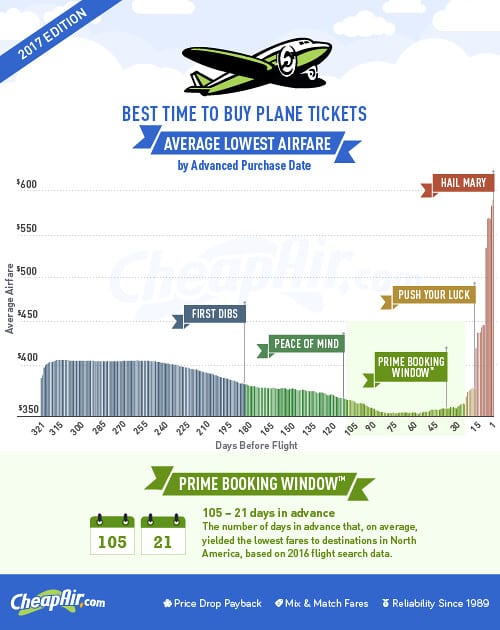
Numerous studies and financial analyses of airfare data consistently point to a “sweet spot” for booking international flights: typically 2 to 8 months in advance of your departure date. Within this window, airlines are often fine-tuning their inventory and pricing strategies, leading to competitive fares before demand truly solidifies. Booking too far in advance (over 8 months) can sometimes mean missing out on future sales or promotional pricing, as airlines haven’t fully committed to their pricing strategy. Conversely, waiting too long significantly increases the risk of higher prices as seats become scarcer. This window represents a financial equilibrium where early planning yields rewards without the penalty of booking too far out.
The Myth of Last-Minute Deals: A Costly Gamble
For international travel, the notion of scoring a fantastic last-minute deal is largely a myth, and often a financially disastrous one. Unlike domestic flights, where airlines might occasionally slash prices to fill empty seats on short notice, international routes operate with tighter margins and more complex logistics. Airlines rely on international bookings being made well in advance to optimize their routes and capacity. Last-minute international tickets are almost invariably more expensive, sometimes astronomically so, as they cater to travelers with urgent, inflexible needs, who are willing to pay a premium. From a financial planning perspective, relying on a last-minute miracle is akin to speculating on a high-risk, low-reward investment; it’s a strategy best avoided.
Early Bird vs. Too Early: Balancing Certainty with Potential Savings
While booking early is generally recommended, there’s a subtle financial distinction between “early bird” and “too early.” Booking 8 months out allows for early planning and often secures a reasonable price. However, booking 12+ months out carries its own financial considerations. Firstly, your travel plans are more susceptible to change over such a long period, and many cheaper fares come with restrictive change or cancellation policies, potentially leading to financial penalties. Secondly, airlines may not have released their full range of promotional fares that far out. You might secure a decent price, but later sales could emerge. The financial dilemma here is weighing the certainty of a known price against the potential for a better deal later, coupled with the flexibility (or lack thereof) of the ticket terms. This is a risk assessment unique to each traveler’s situation and comfort with potential financial trade-offs.
Strategic Timing Beyond the Booking Window: Smart Spending Tactics
Beyond when to book, strategic choices about when to travel and how you search can significantly impact the financial outcome of your international ticket purchase. These tactics transform your booking process into a savvy financial transaction.
The Best Days to Search and Purchase: Outsmarting Dynamic Pricing
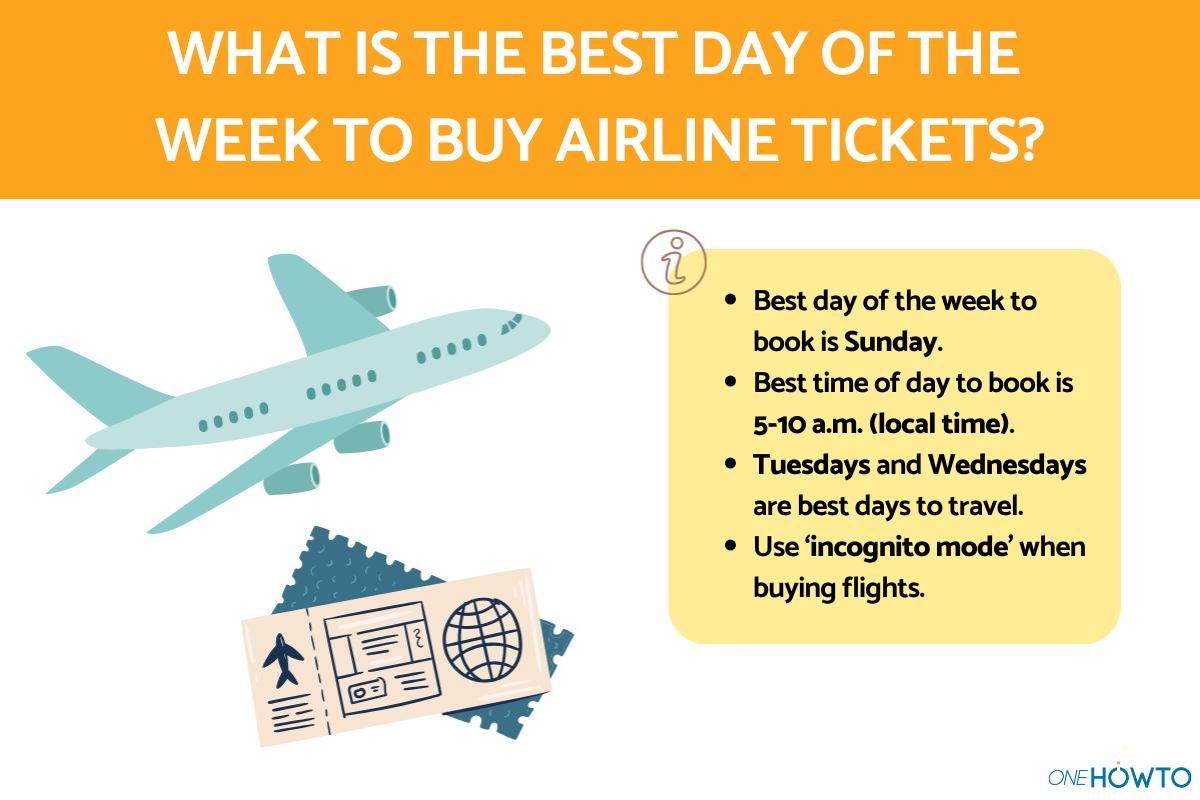
Anecdotal evidence and some data suggest that searching for flights on Tuesdays, Wednesdays, and sometimes Mondays can yield better prices. Airlines often release sales on Monday evenings, leading competitors to match those prices by Tuesday morning. Weekends, conversely, are peak browsing times when people have more leisure, and prices tend to be higher. Furthermore, the time of day you search can also matter. Airlines use dynamic pricing models that can adjust based on demand patterns; searching during off-peak hours (e.g., late at night or very early morning) when fewer people are browsing might sometimes prevent algorithms from detecting high demand and inflating prices. While not a guaranteed saving, adopting these searching habits is a low-effort financial tactic to potentially secure a better deal.
Leveraging Off-Peak Travel Dates and Seasons: A Core Financial Strategy
This is perhaps one of the most impactful financial strategies for international air travel. By consciously choosing to travel during the shoulder seasons (e.g., April-May or September-October for many destinations) or true off-peak periods, you can dramatically reduce costs. Not only are airfares lower, but accommodation, tours, and even local transportation tend to be more affordable, providing a holistic saving for your travel budget. This approach demonstrates excellent personal finance management – adapting your consumption (travel dates) to periods of lower market cost. It requires flexibility but offers substantial financial returns, allowing you to maximize the value of your travel investment.
Flexibility as a Financial Asset: Expanding Your Options
The more flexible you can be with your travel parameters, the greater your financial leverage.
- Flexible Dates: Being able to shift your departure or return by a day or two can sometimes unlock significantly cheaper fares.
- Flexible Airports: Checking flights from alternative airports (both departure and arrival, potentially even in nearby cities) can reveal cheaper options.
- Flexible Destinations: If your primary goal is simply to “go somewhere international” rather than a specific locale, tools that show “everywhere” prices can highlight incredible deals to unexpected destinations.
This flexibility acts as a powerful financial tool, expanding your market options and allowing you to seize opportunities that rigid plans would miss. It’s about being open to arbitrage in the travel market.
Financial Tools and Tactics for Savvy Buyers
In today’s digital age, a range of tools and smart tactics are available to help you navigate the complexities of airfare pricing and secure the best possible financial outcome.
Price Alerts and Prediction Tools: Investing in Data
Modern flight search engines like Google Flights, Skyscanner, Kayak, and Hopper offer powerful features designed to assist financially conscious travelers. Setting price alerts is paramount; once you’ve identified your desired route and dates, these tools will notify you when prices drop or are expected to rise. Hopper even goes a step further with its AI-powered predictions, advising whether to “buy now” or “wait for a drop,” essentially providing real-time financial advice on your travel investment. Utilizing these tools is like having a personal financial analyst constantly monitoring the market for you, ensuring you don’t miss an opportunity to save.
Incognito Browsing and VPNs: Protecting Your Financial Information
While the impact is debated, some travelers report that airline websites and online travel agencies (OTAs) may use cookies to track your search history. If they detect repeated searches for the same route, they might subtly increase the displayed price, creating a sense of urgency. Using incognito mode (or private browsing) clears your browsing data, ensuring each search is “fresh.” Similarly, using a VPN (Virtual Private Network) to mask your IP address can sometimes display different prices, as fares can vary by geographic region or perceived market. While not a guaranteed money-saver, these are simple “digital security” related tactics that serve a financial purpose by preventing potential price discrimination.
Considering Budget Airlines and Layovers: Balancing Cost and Convenience
For the financially motivated, exploring budget airlines (e.g., Ryanair, EasyJet, Spirit, Scoot) for segments of your international journey can yield substantial savings, particularly if you’re willing to forego certain amenities or travel light. Similarly, accepting longer layovers or routes with multiple stops often results in cheaper fares compared to direct flights. This is a clear financial trade-off: saving money in exchange for increased travel time or reduced comfort. A savvy financial planner weighs these options carefully, determining if the monetary savings outweigh the cost in time and convenience.
The Value of Loyalty Programs and Credit Card Rewards: Leveraging Financial Assets
Don’t underestimate the financial power of airline loyalty programs and travel-focused credit cards. Accumulating miles or points through everyday spending can significantly reduce the cash outlay for international tickets, or even cover them entirely. Many travel credit cards also offer perks like waived baggage fees, lounge access, or travel insurance, adding further financial value. Strategically using these financial assets turns your regular spending into a mechanism for reducing future travel costs, effectively an investment that pays dividends in travel experiences.
Navigating Volatility and Protecting Your Investment
Even with the best planning, the world of international travel can be unpredictable. Protecting your financial investment against unforeseen circumstances is a crucial part of smart travel budgeting.
The Role of Travel Insurance: A Financial Safety Net
International air tickets, especially non-refundable ones, represent a significant financial commitment. Travel insurance acts as a vital financial safety net, protecting this investment against unforeseen events such as trip cancellations (due to illness, natural disaster, or airline issues), medical emergencies abroad, lost luggage, or flight delays. While an upfront cost, the financial peace of mind and protection against potentially catastrophic expenses (like international medical bills) make it a wise allocation of funds, particularly for high-value tickets. It’s a risk management strategy, similar to any other insurance product.
Understanding Refund Policies and Change Fees: Financial Contingencies
When purchasing tickets, scrutinize the fare rules regarding changes, cancellations, and refunds. Cheaper economy fares often come with strict, non-refundable policies and hefty change fees. While these save money upfront, they can become a significant financial liability if your plans shift. More expensive flexible fares offer greater leeway but come at a premium. A financially astute traveler assesses their personal risk of needing to change plans and weighs the cost of flexibility against the potential financial penalty of a restrictive ticket. This involves a careful financial calculation of potential future costs versus immediate savings.
Staying Informed in a Dynamic Market: Continuous Financial Monitoring
The world is constantly in flux, and global events – economic downturns, political instability, pandemics, or even major sporting events – can impact airfare prices. Airlines adjust their pricing and routes in response to these factors. For example, a sudden drop in demand for a region might lead to flash sales, while increased geopolitical tension could raise prices or lead to cancellations. Staying informed about global news and travel advisories allows you to anticipate market shifts and make more agile financial decisions regarding your travel purchases, much like an investor tracks market-moving news.

Conclusion
Purchasing international air tickets is far more than a simple transaction; it’s a critical component of personal finance management for any aspiring global traveler. By adopting a professional, insightful, and strategic approach, you can transform a potentially costly expense into an exercise in smart budgeting and financial optimization. Understanding the algorithms, capitalizing on seasonal cycles, leveraging financial tools like price alerts, and embracing flexibility are not just tips – they are fundamental principles of savvy financial planning applied to the world of travel.
The ultimate goal is to maximize the value of every dollar spent on your journeys, ensuring that your travel experiences are richer, more frequent, and less burdensome on your personal finances. By consistently applying these strategies, you empower yourself to navigate the dynamic airfare market with confidence, securing the best possible deals and making your travel dreams a sustainable reality. Make your next international flight purchase a testament to your financial acumen, and enjoy the fruits of smart planning.
aViewFromTheCave is a participant in the Amazon Services LLC Associates Program, an affiliate advertising program designed to provide a means for sites to earn advertising fees by advertising and linking to Amazon.com. Amazon, the Amazon logo, AmazonSupply, and the AmazonSupply logo are trademarks of Amazon.com, Inc. or its affiliates. As an Amazon Associate we earn affiliate commissions from qualifying purchases.