
The rhythmic pulse of global financial markets dictates the flow of wealth, investment, and economic activity worldwide. For investors, traders, and anyone engaged in the financial ecosystem, understanding the operational hours of these markets is not merely a detail; it’s a fundamental aspect of strategy, risk management, and opportunity identification. While the notion of “the market” might conjure a single entity, the reality is a complex tapestry of exchanges operating across different time zones, each with its unique opening and closing bells. Knowing precisely when these markets conclude their trading day is crucial, influencing everything from order execution to portfolio valuation and the digestion of critical economic news.
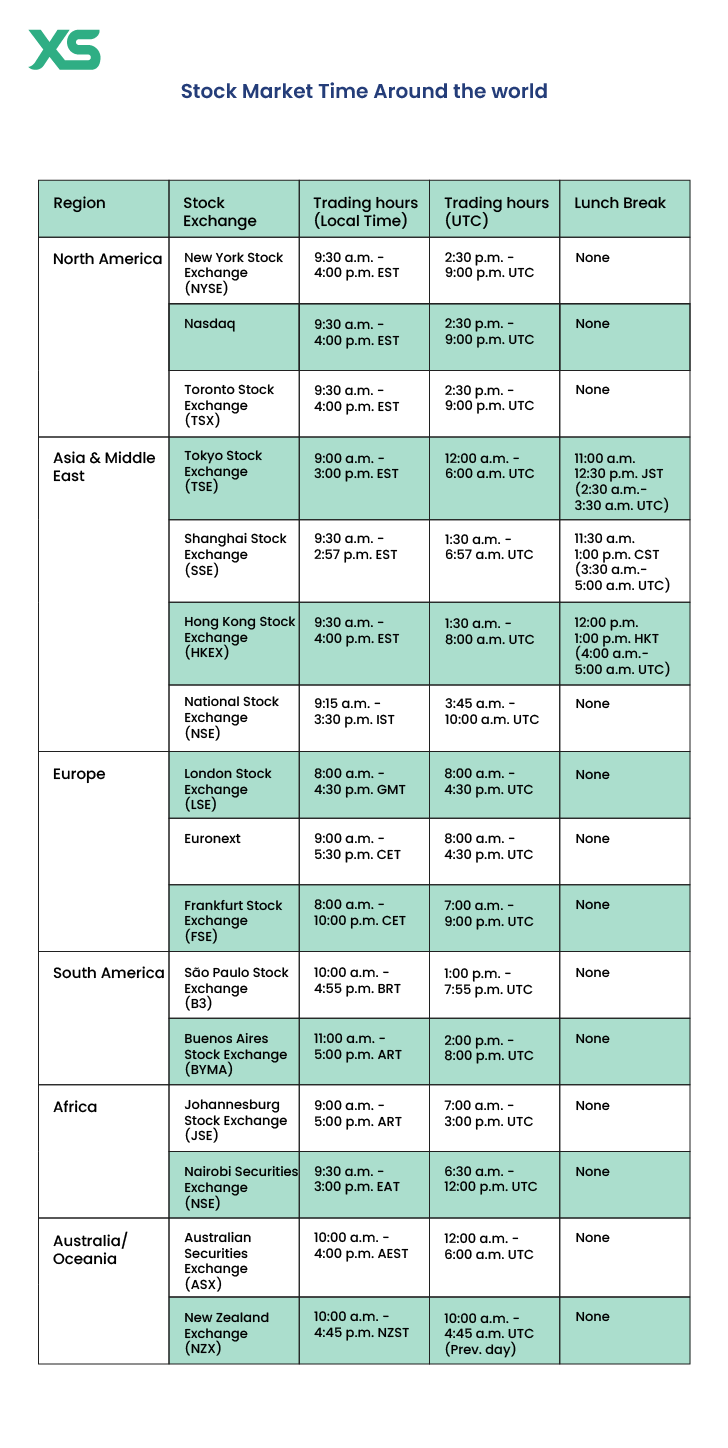
This article delves into the intricacies of market closing times, exploring the standard hours of major exchanges, the dynamics of extended trading sessions, the global variations, and the profound implications these schedules have for financial participants. We will navigate the rationale behind structured trading hours, the technological backbone supporting these processes, and why a keen awareness of market closures is indispensable in the pursuit of sound financial decision-making.
The Standard Operating Hours of Major Markets
The heart of the financial world often refers to the major exchanges in New York, whose standard operating hours set a benchmark for many participants. However, these are just one piece of a much larger, globally interconnected puzzle.
New York Stock Exchange (NYSE) and NASDAQ
In the United States, the two most prominent stock exchanges, the New York Stock Exchange (NYSE) and the NASDAQ, generally adhere to a consistent schedule. Both open at 9:30 AM Eastern Time (ET) and close at 4:00 PM ET, Monday through Friday. These hours define the “regular trading session” for a vast majority of US-listed equities. During this period, liquidity is typically highest, and trading volumes are most robust, reflecting active participation from institutional investors, retail traders, and market makers alike.
The opening and closing minutes of this session are often characterized by heightened volatility and significant price action. The “opening auction” process at 9:30 AM ET and the “closing auction” at 4:00 PM ET are critical events designed to determine fair opening and closing prices, processing a massive backlog of buy and sell orders accumulated during off-market hours. These auctions play a vital role in price discovery and can often see some of the day’s largest price swings as market participants jockey for position or close out their trades.
Understanding Different Time Zones
While 4:00 PM ET is a straightforward concept for those in the Eastern Time Zone, its translation across the globe underscores the complexity of international finance. For an investor in London, 4:00 PM ET is 9:00 PM GMT. In Tokyo, it’s 5:00 AM JST the following day. This time zone differential is a constant consideration for global investors who must reconcile their local time with the operating hours of the markets they wish to access. It also highlights the “follow the sun” nature of global trading, where as one major market closes, another is preparing to open or is already in full swing. This seamless transition ensures that capital flows and trading opportunities are theoretically available nearly 24 hours a day, even if individual exchanges have fixed hours.
Market Holidays and Early Closures
The standard 9:30 AM to 4:00 PM ET schedule is not without exceptions. Financial markets observe various public holidays, during which they remain closed. In the US, these include New Year’s Day, Martin Luther King, Jr. Day, Presidents’ Day, Good Friday, Memorial Day, Juneteenth, Independence Day, Labor Day, Thanksgiving Day, and Christmas Day. On certain days preceding or following a holiday, markets may also operate on a shortened schedule, closing earlier than 4:00 PM ET – typically at 1:00 PM ET. These early closures are often seen on days like the day after Thanksgiving or Christmas Eve, if it falls on a weekday. Investors must stay informed about these special schedules as they can significantly impact trading strategies, liquidity, and the timing of news releases. An unexpected holiday or early closure can catch unprepared traders off guard, affecting order execution and access to capital.
Beyond Standard Hours: The World of Extended Trading
The traditional 9:30 AM to 4:00 PM ET window represents the core of market activity, but it’s far from the only opportunity for trading. The advent of electronic communication networks (ECNs) and advanced trading platforms has ushered in an era of extended-hours trading, enabling participants to transact outside the regular session.
Pre-Market Trading: Setting the Stage
Pre-market trading typically occurs before the official 9:30 AM ET open, often starting as early as 4:00 AM ET for some brokers, though activity usually picks up closer to the opening bell. This session allows market participants to react to news released overnight or early in the morning, such as corporate earnings reports, economic data, or geopolitical developments, before the full market opens. Pre-market trading is a critical period for price discovery, as it can signal potential significant moves for specific stocks once regular trading begins. Active traders use this time to assess market sentiment and position themselves for the day ahead.
After-Hours Trading: Reacting to News
Conversely, after-hours trading takes place after the 4:00 PM ET close, often extending until 8:00 PM ET or even later, depending on the brokerage. This session serves a similar purpose to pre-market trading: enabling reactions to information released once the regular market has closed. Major earnings announcements, analyst upgrades/downgrades, or breaking political news frequently occur after 4:00 PM ET, leading to swift price adjustments in after-hours trading. For many companies, announcing earnings after the close is a deliberate strategy to allow investors time to digest the information without the immediate pressure of the regular trading session.
Risks and Opportunities in Extended Sessions
While extended-hours trading offers flexibility and immediate reaction capabilities, it comes with distinct characteristics and increased risks. The primary concern is significantly lower liquidity compared to the regular session. Fewer participants mean wider bid-ask spreads and potentially greater price volatility. Executing large orders can be challenging without substantially moving the price, and finding a counterparty for a trade can be more difficult. This reduced liquidity also makes stocks more susceptible to manipulation or exaggerated price swings based on relatively small trading volumes.
Despite these risks, opportunities exist. Savvy traders can capitalize on swift reactions to news, potentially securing better entry or exit prices than they might during regular hours. It also allows for continuous portfolio management, enabling investors to adjust holdings in response to late-breaking developments. However, the lack of robust volume necessitates caution and a deep understanding of the market mechanics specific to extended sessions.
Why Market Close Times Matter for Investors
Understanding when markets close is not an academic exercise; it’s a practical necessity with profound implications for investment strategy, risk management, and overall financial outcomes.
Impact on Order Execution and Volatility
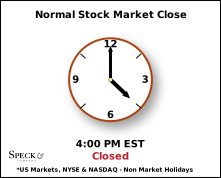
The closing bell signals the end of regular trading for the day, but its impact reverberates beyond that moment. Many orders, particularly market orders, are executed at or very near the closing price. The “closing auction” is a specific process designed to match buy and sell orders accumulated throughout the day and those specifically submitted for the close, determining a final official price. This period can experience elevated volatility as institutional investors rebalance portfolios, option expiration strategies are implemented, and traders close out positions. For retail investors using limit orders, understanding the closing dynamic is crucial to ensure their desired price is met before the session concludes, or to anticipate potential overnight gaps if their order remains unfulfilled.
News, Earnings, and Price Action
Companies often strategically time their major announcements, such as quarterly earnings reports, product launches, or merger and acquisition news, to coincide with market closures. Releasing information after the closing bell provides market participants with several hours to digest and analyze the news before the next trading session begins. This can lead to significant price movements in pre-market or after-hours trading, and often dictates the opening price of a stock the following day. For investors, monitoring these after-hours announcements is paramount. Failure to do so could mean missing critical information that drastically alters the value of their holdings before they even have a chance to react during regular trading hours.
Managing Risk and Liquidity
Market closing times are intimately tied to risk management and liquidity. When the market is closed, investors cannot readily buy or sell their holdings, creating “gap risk” – the risk that significant news or events occurring overnight could cause a stock’s price to open much higher or lower the next day, preventing an immediate exit at a desired price. This is particularly relevant for those holding positions in volatile assets or during periods of geopolitical uncertainty.
The reduced liquidity during extended hours, as discussed, also poses a risk. While it offers opportunities, the inability to quickly enter or exit large positions without moving the market significantly can exacerbate losses or prevent profitable trades. Awareness of closing times allows investors to strategically position themselves, potentially reducing exposure overnight or ensuring they have access to their capital when needed. It’s about knowing when the “game” pauses and planning accordingly.
A Global Perspective: International Market Closures
The financial world never truly sleeps, as different markets around the globe open and close in a continuous, overlapping cycle. This global interconnectedness means that an event in one market can quickly ripple across others, even if they are technically “closed.”
Major European and Asian Exchanges
Beyond the US, major financial hubs like London, Tokyo, Hong Kong, and Frankfurt each have their own specific trading hours. The London Stock Exchange (LSE) typically operates from 8:00 AM to 4:30 PM GMT. The Tokyo Stock Exchange (TSE) has a split session, usually from 9:00 AM to 11:30 AM JST and then 12:30 PM to 3:00 PM JST. Hong Kong’s stock exchange follows a similar split, opening from 9:30 AM to 12:00 PM HKT and 1:00 PM to 4:00 PM HKT.
These varied schedules mean that for a global portfolio manager, there’s always a market open somewhere. News breaking during US hours might impact Asian markets upon their open, and vice-versa. Understanding these global closing times is essential for managing international portfolios, hedging currency risks, and responding to worldwide economic shifts. The interconnectedness can also lead to contagion, where significant downturns or upturns in one region can influence subsequent markets as they open.
Continuous Markets: Forex and Cryptocurrencies
Not all markets adhere to fixed closing times. The foreign exchange (Forex) market, for instance, is a truly 24-hour market, operating five and a half days a week, from Sunday evening ET to Friday afternoon ET. This is because currency trading is decentralized and occurs globally, with major financial centers like London, New York, Tokyo, Sydney, and Frankfurt ensuring continuous liquidity as their business hours overlap. There is no single “closing bell” for forex, though trading activity typically dwindles significantly on Friday afternoons as weekend approaches.
Similarly, the cryptocurrency market operates 24/7, 365 days a year. This decentralized, global nature means there are no formal opening or closing hours or holidays. Trading occurs continuously, reflecting the inherent digital and borderless nature of these assets. While this offers constant accessibility, it also means that price action can be highly volatile at any time, and there is no “safe” period when markets are closed to prevent sudden drops or surges.
The Interconnectedness of Global Trading
The staggered opening and closing of global markets create a dynamic environment where financial data, sentiment, and capital flows are constantly in motion. A strong earnings report from a US tech giant after the close could boost Asian tech stocks the following morning. Conversely, a sovereign debt crisis in Europe could send tremors through US and Asian bond markets. This interconnectedness underscores the need for investors to maintain a global perspective, recognizing that “the market” is a constantly shifting, multilateral entity rather than a singular, static daily event. Staying abreast of closing times in various jurisdictions is a key element of this global awareness.
The Technological Underpinnings of Market Closure
While market closing times are a traditional feature, the processes behind them are increasingly driven by sophisticated technology, ensuring fairness, efficiency, and transparency.
Algorithmic Trading at the Close
The final minutes before the closing bell are often a hotbed of algorithmic trading activity. Large institutional investors, pension funds, and index funds often have mandates to buy or sell specific amounts of stock to match index weights or rebalance portfolios at the closing price. These “close orders” are executed by complex algorithms designed to minimize market impact while ensuring the entire order is filled as close to the official closing price as possible. This influx of algorithmic activity can contribute to the heightened volatility observed at the end of the trading day. The precise timing and execution strategies employed by these algorithms are a closely guarded secret, but their collective impact is a significant factor in shaping the market’s final moments.
Data Feeds and Post-Market Reporting
After the market officially closes, the technological infrastructure continues to work overtime. Real-time data feeds transition to broadcasting closing prices, high/lows for the day, and volume statistics. Brokerage platforms update client accounts to reflect the day’s trades and portfolio valuations. Market data providers compile and disseminate comprehensive reports that summarize the day’s activity across various asset classes. This post-market reporting is critical for financial analysts, media outlets, and investors who review performance, identify trends, and prepare for the next trading day. The accuracy and speed of these data feeds are paramount, as they form the bedrock of financial analysis and decision-making until the next opening bell.

The Role of Exchanges in Managing Closure Processes
Stock exchanges themselves play a crucial technological role in managing the closing process. Their highly advanced trading engines orchestrate the closing auction, matching millions of orders simultaneously to derive a fair and accurate closing price. They manage the transition from regular to extended-hours trading, ensuring that only eligible orders are processed and that regulatory compliance is maintained. The integrity of these systems is non-negotiable; any disruption during the closing process could have significant financial implications and erode market confidence. Cybersecurity measures, robust backup systems, and continuous monitoring are therefore integral to ensuring a smooth and reliable market closure, day in and day out.
In conclusion, understanding what time the market closes is far more than a simple matter of checking a clock. It is a nuanced aspect of global finance that impacts strategy, risk, opportunity, and the very fabric of how investments are managed. From the precision of the US closing auction to the continuous flow of global currency markets, each closing bell, or lack thereof, carries significant weight. For the informed investor, this knowledge is a powerful tool, enabling them to navigate the complexities of financial markets with greater confidence and strategic foresight.
aViewFromTheCave is a participant in the Amazon Services LLC Associates Program, an affiliate advertising program designed to provide a means for sites to earn advertising fees by advertising and linking to Amazon.com. Amazon, the Amazon logo, AmazonSupply, and the AmazonSupply logo are trademarks of Amazon.com, Inc. or its affiliates. As an Amazon Associate we earn affiliate commissions from qualifying purchases.