
For the modern consumer, airfare often represents one of the most volatile and significant out-of-pocket expenses in a personal or business budget. Unlike retail goods with fixed price tags, flight tickets operate on a complex system of dynamic pricing that fluctuates based on algorithms, demand curves, and global economic factors. Understanding when to buy flight tickets is no longer a matter of luck; it is a critical financial skill that requires a deep dive into market trends and strategic planning. By treating airfare as a variable investment rather than a fixed cost, travelers can significantly optimize their liquid capital and improve the overall return on their travel spend.
Decoding the Economics of Airfare Pricing
To master the timing of a purchase, one must first understand the underlying financial mechanisms that airlines use to set prices. Airlines do not price seats based on the cost of the service provided, but rather on “yield management”—a variable pricing strategy intended to maximize revenue from a fixed, perishable inventory.
Understanding Dynamic Pricing and Yield Management
Yield management is the backbone of airline profitability. Every seat on an aircraft is categorized into various “buckets” or fare classes, even within the same cabin. As the date of departure approaches, the airline’s software continuously recalculates prices based on the rate of bookings (velocity) compared to historical data. If a flight is filling up slower than expected, prices may dip to stimulate demand. Conversely, if a flight sees a surge in interest, the algorithm pushes the price into a higher bracket. For the financially conscious traveler, the goal is to identify the “trough” in this pricing wave—the moment when the airline is most eager to offload inventory before the high-demand “business traveler” window opens.
The Role of Seasonality and Market Volatility
Beyond internal algorithms, external market forces dictate the baseline price of a ticket. Fuel prices, geopolitical stability, and seasonal demand create macro-trends that affect the “floor” of a ticket price. For example, traveling to Europe in July involves competing with a global peak in demand, meaning even the “best” time to buy will still be significantly higher than a ticket purchased for a February departure. Recognizing these cycles allows individuals to budget for the “off-peak premium” or strategically pivot their travel dates to maximize their purchasing power.
The Golden Window: Data-Driven Booking Strategies
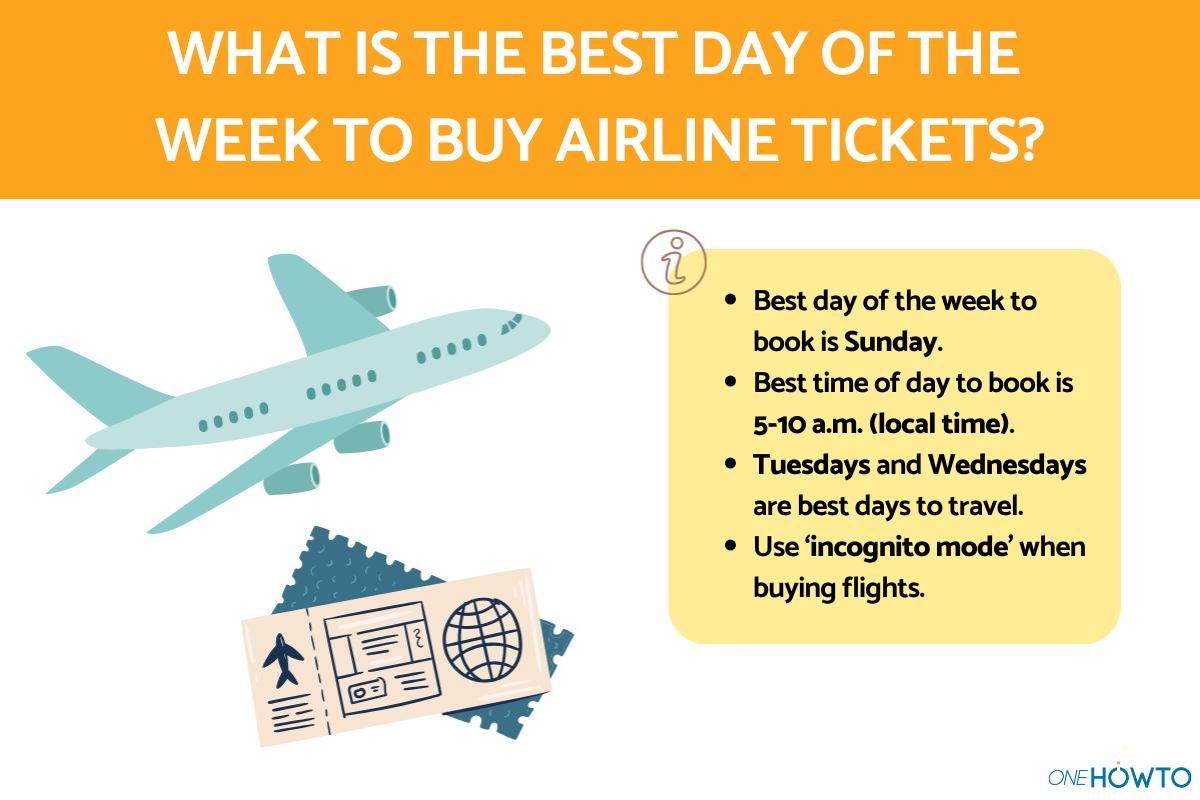
A common misconception in personal finance is that there is a specific day of the week—often cited as Tuesday—when flights are universally cheaper to purchase. While this may have held some truth in the era of manual fare updates, modern automated systems have rendered the “Tuesday at 3:00 PM” rule largely obsolete. Instead, the focus has shifted toward “lead time”—the number of days or months before a flight that the purchase is made.
The Myth of the “Tuesday Afternoon” Purchase and the Reality of Booking Days
While the day you buy the ticket matters less than it used to, the day you fly remains a primary driver of cost. From a financial perspective, mid-week flights (Tuesdays and Wednesdays) consistently offer a 15% to 25% discount compared to Friday or Sunday departures. When calculating the total cost of a trip, shifting your itinerary by 24 to 48 hours can often yield greater savings than weeks of monitoring price fluctuations. For the savvy budgeter, flexibility is the highest-value asset in the booking process.
Ideal Lead Times for Domestic and International Routes
Data analysis from major travel aggregators suggests that for domestic travel, the “sweet spot” for booking is typically 28 to 60 days in advance. During this window, airlines have moved past the early-bird promotional phase and are entering the prime booking period where they compete for the bulk of their passengers.
For international travel, the timeline extends significantly. To secure the most favorable rates, travelers should look to book between three and six months in advance. Buying too early (more than 10 months out) often results in paying a “security premium,” as airlines haven’t yet released their most competitive fare classes. Conversely, waiting until the final 30 days before an international departure often exposes the buyer to the “last-minute” pricing tier, which is designed to capture high-margin corporate spending.

Leveraging Financial Tools and Alternative Currencies
In the landscape of modern finance, “paying” for a flight does not always involve a direct cash transaction. Integrating credit card rewards and financial fintech tools into your booking strategy can lower the effective cost of travel to near zero.
Maximizing the Value of Airline Rewards Programs
Frequent flyer miles and transferable credit card points should be viewed as a hedge against airfare inflation. When cash prices for tickets spike due to holiday demand or sudden oil price increases, the “point cost” of a flight often remains relatively stable if there is award availability. To maximize financial efficiency, one should calculate the “Cents Per Point” (CPP) value. If a $600 flight costs 40,000 miles, the value is 1.5 cents per point. If the cash price jumps to $1,200 but the miles stay at 40,000, your “investment” in those miles has effectively doubled in value. Strategic travelers save their cash for low-fare periods and deploy their “points currency” when the market is at its peak.
Utilizing Price Tracking and Financial Fintech Tools
The rise of fintech has provided consumers with powerful tools to monitor the market. Services that use predictive AI can analyze billions of historical price points to advise whether a user should “buy now” or “wait.” Utilizing these tools allows for a “set it and forget it” approach to financial planning. By setting price alerts, you ensure that you are alerted the moment a fare hits your target price, preventing the “emotional buying” that often occurs when travelers panic as their departure date nears.
Strategic Flexibility: The Financial Impact of Choice
The final pillar of smart flight procurement is the optimization of the itinerary itself. The “when” of buying a ticket is inextricably linked to the “how” and “where” of the journey.
The Fiscal Benefits of Secondary Airports and Multi-City Routing
For those living in major metropolitan areas, the nearest airport may not be the most cost-effective. “LCCs” (Low-Cost Carriers) often operate out of secondary airports where landing fees are lower, passing those savings on to the consumer. Additionally, the strategy of “open-jaw” ticketing—flying into one city and out of another—can often reduce the total cost of a multi-destination trip by eliminating the need for expensive domestic backtracking. From a wealth-management perspective, the time spent researching these alternatives can yield an “hourly rate” of savings that far exceeds most people’s professional earnings.
Weighing the Cost-Benefit of Refundable vs. Basic Economy
The cheapest ticket isn’t always the most economical. The rise of “Basic Economy” has introduced a new layer of financial risk. These tickets are typically non-refundable and charge extra for baggage and seat selection. A professional financial assessment of a flight purchase must include a “total cost of ownership” calculation. If a traveler needs to check a bag and desires the flexibility to change their plans, a “Main Cabin” fare that is $50 more expensive may actually be the more fiscally responsible choice. Protecting your capital against unforeseen changes is a hallmark of sophisticated financial planning.

Conclusion: Developing a Systematic Approach
Buying a flight ticket is an exercise in market timing. By moving away from anecdotal advice and toward a data-driven, financially structured approach, travelers can reclaim control over their travel budgets. The key is to combine an understanding of airline yield management with the strategic use of lead times, the leveraging of reward currencies, and the utilization of modern price-tracking technology.
In the long run, the hundreds or even thousands of dollars saved annually through disciplined booking strategies can be redirected toward higher-yielding investments or more frequent travel experiences. Ultimately, knowing when to buy a flight ticket is not just about saving money—it is about managing your personal economy with the same precision and insight as a corporate portfolio.
aViewFromTheCave is a participant in the Amazon Services LLC Associates Program, an affiliate advertising program designed to provide a means for sites to earn advertising fees by advertising and linking to Amazon.com. Amazon, the Amazon logo, AmazonSupply, and the AmazonSupply logo are trademarks of Amazon.com, Inc. or its affiliates. As an Amazon Associate we earn affiliate commissions from qualifying purchases.