
In today’s interconnected world, the internet is an indispensable tool for communication, commerce, education, and entertainment. However, this digital landscape, while offering unparalleled convenience and opportunity, also harbors significant risks. From sophisticated cyber threats to the erosion of personal privacy, safeguarding our online presence has become paramount. The question of “what is the best internet protection” isn’t a simple one with a single definitive answer; rather, it’s a multifaceted approach encompassing technological solutions, strategic planning, and a vigilant mindset. This article delves into the core components of robust internet protection, drawing upon the interconnected domains of technology, brand reputation, and financial security.
Understanding the Evolving Threat Landscape
The nature of online threats is constantly shifting, driven by technological advancements and the ever-growing sophistication of malicious actors. What constituted a major risk a decade ago might be a minor inconvenience today, replaced by new and more insidious dangers. Therefore, understanding the current threat landscape is the foundational step in establishing effective internet protection.
The Spectrum of Digital Threats
The “best” internet protection is one that anticipates and mitigates a wide array of threats. These can be broadly categorized:
- Malware and Viruses: This encompasses a vast range of malicious software designed to infiltrate, damage, or gain unauthorized access to computer systems and data. Examples include viruses, worms, trojans, ransomware, and spyware. Ransomware, in particular, has become a significant concern, encrypting user data and demanding payment for its release, often impacting both individuals and businesses.
- Phishing and Social Engineering: These attacks prey on human psychology, tricking individuals into divulging sensitive information such as passwords, credit card details, or personal identifiers. Phishing often manifests as fraudulent emails, text messages, or social media posts that appear legitimate, urging recipients to click on malicious links or download infected attachments.
- Identity Theft: This is the fraudulent acquisition and use of a person’s private identifying information, usually for financial gain. With so much of our personal data stored online, identity theft has become a pervasive threat, leading to significant financial and reputational damage.
- Data Breaches: These occur when unauthorized individuals gain access to sensitive, protected, or confidential data. They can result from weak security measures, human error, or targeted attacks, leading to the exposure of vast amounts of personal and corporate information.
- DDoS Attacks (Distributed Denial-of-Service): These attacks aim to disrupt the normal functioning of a server, service, or network by overwhelming it with a flood of internet traffic from multiple sources. While primarily targeting businesses and organizations, they can impact online services we rely on.
- Privacy Violations: Beyond outright theft, many online activities involve the collection and analysis of personal data by companies, governments, and other entities. This raises concerns about how our information is used, who has access to it, and the potential for it to be exploited or misused.
The “best” internet protection is not about eliminating all risk – an impossible feat – but about establishing multiple layers of defense to significantly reduce vulnerability to these threats.
Building a Multi-Layered Defense: Technological Safeguards
At the heart of effective internet protection lies a robust suite of technological tools and practices. These are the first lines of defense, designed to detect, prevent, and respond to digital threats.
Essential Software and Hardware Solutions
Implementing the right software and hardware is crucial for a secure online experience.
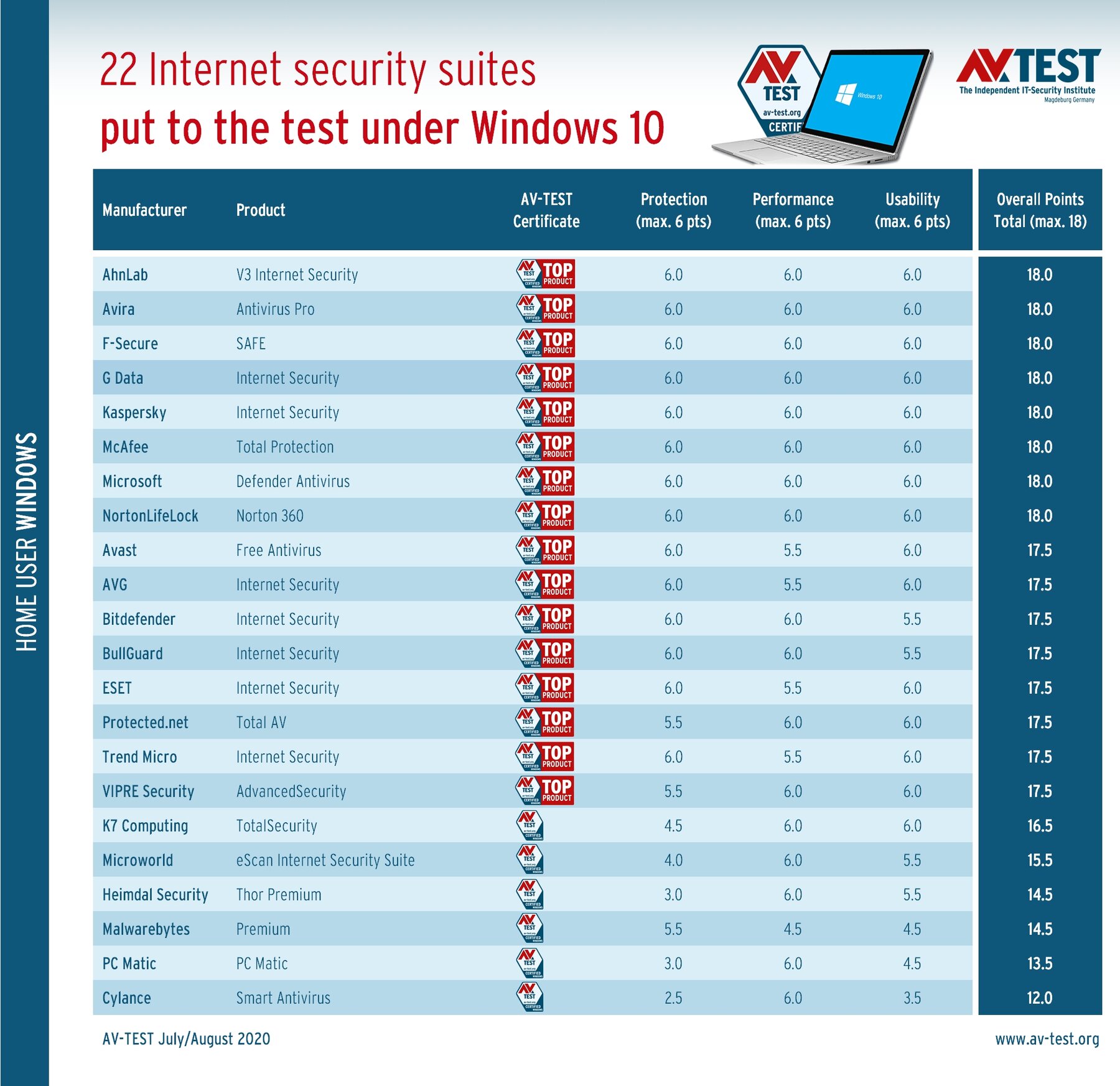
- Antivirus and Anti-malware Software: This is the bedrock of digital security for most users. Modern antivirus solutions go beyond simple virus detection, offering real-time scanning, threat prevention, and even features like ransomware protection and a firewall. Regularly updating your antivirus software is as important as having it installed.
- Firewalls: A firewall acts as a barrier between your computer or network and the internet, controlling incoming and outgoing network traffic. It can block unauthorized access attempts and prevent malicious software from entering your system. Both operating systems and dedicated hardware devices offer firewall capabilities.
- Virtual Private Networks (VPNs): VPNs encrypt your internet connection and mask your IP address, providing a significant layer of privacy and security, especially when using public Wi-Fi networks. They can also help bypass geographical restrictions and enhance anonymity.
- Password Managers: Remembering strong, unique passwords for every online account is practically impossible. Password managers securely store your passwords, generate complex ones for you, and auto-fill login forms, significantly reducing the risk of compromised accounts due to weak or reused passwords.
- Two-Factor Authentication (2FA) / Multi-Factor Authentication (MFA): This adds an extra layer of security to your accounts by requiring more than just a password to log in. It typically involves a second factor, such as a code sent to your phone, a fingerprint scan, or a hardware token. Implementing 2FA/MFA wherever possible is one of the most effective ways to prevent account takeovers.
- Secure Browsers and Extensions: Certain browsers are designed with enhanced privacy and security features. Additionally, browser extensions like ad blockers and tracker blockers can help prevent malicious ads and limit the amount of data websites can collect about your browsing habits.
- Regular Software Updates: This cannot be stressed enough. Software developers constantly release updates to patch security vulnerabilities discovered in their applications and operating systems. Failing to update leaves your devices susceptible to known exploits.
Proactive Digital Hygiene and Best Practices
Technology alone is not a silver bullet. User behavior and habits play a critical role in maintaining online security.
- Be Wary of Suspicious Links and Attachments: This is a core tenet of phishing prevention. If an email, message, or website seems too good to be true, or if it asks for sensitive information, exercise extreme caution. Hover over links to see the actual URL before clicking.
- Strong, Unique Passwords: While password managers are essential, understanding how to create strong passwords when necessary is still valuable. A strong password typically includes a mix of uppercase and lowercase letters, numbers, and symbols, and is at least 12 characters long.
- Secure Wi-Fi Networks: For home networks, change the default router password and use strong WPA2 or WPA3 encryption. Avoid using public Wi-Fi for sensitive transactions unless you are using a VPN.
- Data Backup: Regularly back up your important data to an external drive or a secure cloud storage service. This is your lifeline in the event of ransomware attacks or hardware failures.
- Limit Information Sharing: Be mindful of the personal information you share online, especially on social media. The less information that is publicly available, the harder it is for attackers to gather intelligence for targeted attacks or identity theft.

Protecting Your Brand and Reputation Online
For individuals and businesses alike, online protection extends beyond personal data to encompass the integrity of their brand and reputation. In the digital age, your online presence is often the first impression potential customers, employers, or collaborators will have.
Digital Security as a Brand Pillar
In today’s business environment, robust digital security is no longer an IT afterthought; it’s a fundamental aspect of brand strategy and customer trust.
- Customer Data Protection: For businesses, the “best internet protection” involves safeguarding customer data with the utmost diligence. A data breach can severely damage a company’s reputation, leading to loss of trust, legal liabilities, and significant financial repercussions. Implementing strong encryption, access controls, and regular security audits are crucial.
- Website Security: A compromised website can be a gateway for attackers and can severely harm a brand’s image. This includes using SSL/TLS certificates for secure connections, regularly updating website software and plugins, and implementing measures against common web attacks like SQL injection and cross-site scripting (XSS).
- Reputational Monitoring: Actively monitoring online mentions of your brand is vital. This can help identify and address negative reviews, misinformation, or potential PR crises before they escalate. Tools for social listening and sentiment analysis can be invaluable here.
- Crisis Management Planning: Having a plan in place for how to respond to a security incident or a reputational crisis is a critical part of internet protection. This ensures a swift, coordinated, and effective response that minimizes damage.
Personal Branding in the Digital Sphere
Individuals building a personal brand must also be acutely aware of their online footprint and the protection it requires.
- Consistent Online Identity: Ensuring a consistent and professional online presence across all platforms helps build credibility and trust. This means having a clear understanding of what you want to project and ensuring your online activities align with that vision.
- Privacy Settings Management: Regularly reviewing and adjusting privacy settings on social media and other online accounts is essential to control who can see your information.
- Content Moderation: Being mindful of the content you create and share is paramount. What might seem innocuous can be misinterpreted or used against you.
- Protecting Intellectual Property: For creators and professionals, protecting their intellectual property online is a key concern. This can involve watermarking digital assets, using copyright notices, and understanding legal recourse against infringement.
The Financial Dimension of Internet Protection
The financial implications of inadequate internet protection are significant, impacting both personal finances and business bottom lines.
Safeguarding Your Digital Assets
The “best internet protection” inherently involves safeguarding your financial well-being in the digital realm.
- Online Banking Security: When conducting financial transactions online, always ensure you are using secure, encrypted connections (look for the padlock icon in your browser’s address bar). Avoid accessing your bank accounts or making purchases on public Wi-Fi. Use strong, unique passwords for your banking portals and enable 2FA.
- E-commerce Vigilance: Be cautious when shopping online. Stick to reputable retailers, look for secure payment gateways, and be wary of deals that seem too good to be true. Regularly review your credit card and bank statements for any unauthorized transactions.
- Investing and Online Income Protection: For those involved in online income streams or investments, the risks are amplified. This includes protecting trading accounts, avoiding investment scams, and ensuring the security of platforms used for earning money. Phishing attempts are often disguised as lucrative investment opportunities.
- Understanding Digital Scams: Educating yourself about common financial scams, such as advance-fee fraud, lottery scams, and fake job offers, is a powerful preventative measure. If something promises guaranteed high returns with little to no risk, it’s almost certainly a scam.
- Data Security for Financial Tools: If you use financial management apps or tools, ensure they are from trusted providers and have robust security features, including strong authentication.

The Cost of Neglect
The financial cost of compromised internet protection can be staggering:
- Direct Financial Loss: This can range from stolen funds from bank accounts to losses incurred due to ransomware attacks where no ransom is paid, but data is lost permanently.
- Identity Theft Recovery Costs: Rebuilding your identity after it’s been stolen can involve significant time, effort, and direct expenses for credit monitoring, legal fees, and dealing with fraudulent accounts.
- Business Interruption Costs: For businesses, downtime due to cyberattacks can lead to lost revenue, increased operational costs to restore systems, and potential regulatory fines.
- Reputational Damage and Lost Business: A damaged reputation can lead to a decline in customer base and revenue, representing a long-term financial impact.
In conclusion, the quest for the “best internet protection” is not a destination but an ongoing journey. It requires a holistic approach that integrates cutting-edge technology, a deep understanding of evolving threats, vigilant personal and professional practices, and a constant awareness of the financial implications. By layering security measures, staying informed, and prioritizing digital hygiene, individuals and organizations can significantly enhance their online resilience and navigate the digital world with greater confidence and security.
aViewFromTheCave is a participant in the Amazon Services LLC Associates Program, an affiliate advertising program designed to provide a means for sites to earn advertising fees by advertising and linking to Amazon.com. Amazon, the Amazon logo, AmazonSupply, and the AmazonSupply logo are trademarks of Amazon.com, Inc. or its affiliates. As an Amazon Associate we earn affiliate commissions from qualifying purchases.