
Navigating the labyrinthine world of airfare pricing can often feel like a high-stakes game of chance. For many, booking plane tickets is one of the most significant expenditures when planning a trip, making the timing of that purchase a critical financial decision. The difference between a well-timed booking and a hastily made one can literally amount to hundreds, if not thousands, of dollars, directly impacting your travel budget and overall financial health. This article delves into the intricate dynamics behind airfare fluctuations, offering data-driven strategies and practical financial advice to help you secure the best possible deals, transforming you from a hopeful traveler into a savvy airfare strategist. Understanding when to click “book” is not just about convenience; it’s about intelligent personal finance and maximizing your travel value.

Understanding the Dynamics of Airfare Pricing
The price of a plane ticket is rarely static. It’s a living, breathing entity that shifts minute by minute, hour by hour, influenced by a complex web of economic factors, technological algorithms, and human behavior. To truly master the art of economical air travel, one must first grasp the underlying forces that dictate these relentless price changes. This understanding forms the bedrock of any successful booking strategy.
The Algorithms Behind the Airfare
Airlines employ sophisticated dynamic pricing algorithms that continuously analyze vast amounts of data to adjust ticket prices in real-time. These algorithms consider everything from historical booking patterns for specific routes, current demand levels, competitor pricing, remaining seat inventory on a given flight, and even the type of device or location from which you are searching. The goal is simple: maximize revenue by selling each seat at the highest possible price the market will bear. As demand increases for a particular flight, the algorithm automatically bumps up prices, and conversely, if a flight is undersold, prices may drop to stimulate bookings. This constant recalibration ensures airlines optimize their yield, but it also creates opportunities for financially astute travelers.
Key Factors Influencing Price Fluctuations
While algorithms execute the pricing, several core factors fuel their decisions:
- Demand and Supply: This is the most fundamental principle. High demand for limited seats always drives prices up. Conversely, low demand can lead to price drops.
- Seasonality: Travel seasons (peak, shoulder, off-peak) play a massive role. Summer, major holidays (Christmas, New Year, Easter), and school breaks universally see higher prices due to increased demand.
- Special Events: Major conventions, sports events, festivals, or even significant local holidays at your destination can cause localized price surges.
- Fuel Costs: Though often less immediate, global crude oil prices can influence base fares over the medium to long term, as fuel is a significant operational cost for airlines.
- Competition: Routes with multiple airlines typically see more competitive pricing than monopolized routes. Airlines will often adjust their prices in response to competitors’ moves.
- Route Popularity: Direct flights to popular international hubs or tourist hotspots tend to command higher prices, especially during peak times.
The Myth of the “Cheapest Day”
For years, a pervasive myth has circulated that booking on a specific day of the week (e.g., Tuesday or Wednesday) guarantees the cheapest fares. While there might have been a kernel of truth to this in the past, thanks to advanced dynamic pricing and algorithmic sophistication, this notion is largely outdated. Airlines no longer wait until specific days to update their fares; prices can change at any moment. Focusing solely on a particular day of the week for booking is a less effective strategy than understanding broader booking windows and employing other smart tactics. Instead, a more nuanced, data-driven approach is required, focusing on the booking window rather than a specific day.
The “Sweet Spot” for Booking: Data-Driven Strategies
While there’s no magic bullet for the absolute cheapest fare every single time, extensive analysis of historical airfare data has revealed predictable patterns and “sweet spots” that significantly increase your chances of securing a good deal. These windows vary primarily based on whether your flight is domestic or international, and whether you’re traveling during a peak period. Adhering to these guidelines can be a powerful financial lever for your travel budget.
Domestic Flights: The 1-3 Month Window
For flights within your own country, the optimal booking period typically falls between one to three months (30 to 90 days) before your departure date. Within this window, airlines are generally trying to fill seats without yet seeing critical demand that would warrant price increases. Booking too early (e.g., 6+ months out) might mean paying a premium because airlines haven’t yet released their full range of discounted fares. Booking too late (within two weeks of departure) almost invariably leads to significantly higher prices, as airlines prioritize business travelers who often book last-minute and are less price-sensitive. This 30-90 day range offers a balance where airlines are balancing capacity and initial demand, making it ripe for reasonable fares.
International Flights: Planning 2-8 Months Ahead
International travel, with its longer distances, more complex logistics, and higher demand variability, requires a more extended lead time. The recommended sweet spot for international flights is generally two to eight months (60 to 240 days) prior to departure. This wider window is crucial because international routes have fewer daily flights, higher base costs, and often cater to a diverse global audience. Booking within this period allows you to capture early bird discounts and avoid the steep price hikes that occur as seats fill up closer to the departure date. For very popular routes or destinations with limited flight options, leaning towards the earlier end of this spectrum (6-8 months out) is often beneficial.
Holiday and Peak Season Travel: Book Even Earlier
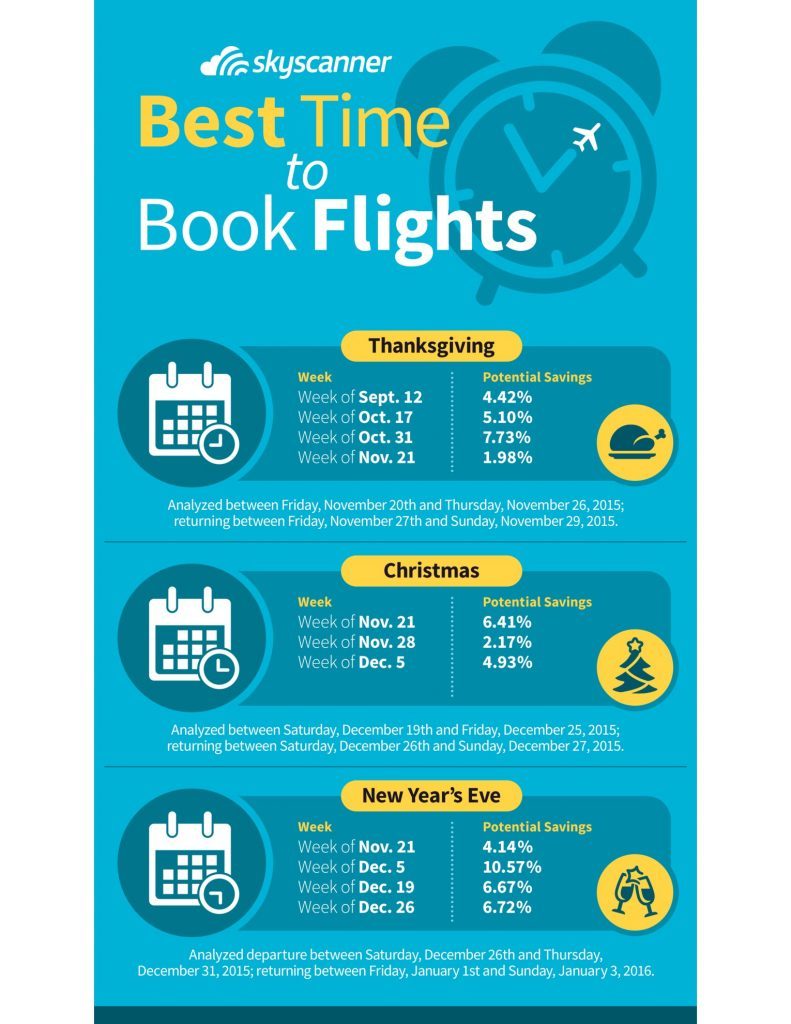
When your travel plans coincide with major holidays (e.g., Christmas, New Year’s, Thanksgiving, Spring Break) or peak travel seasons (e.g., summer in Europe), all the rules shift dramatically. Demand skyrockets, and airlines know they can charge a premium. For these periods, you need to book significantly earlier – often six to twelve months (180 to 365 days) in advance, or even more for highly sought-after dates. Waiting until the standard “sweet spot” will almost guarantee you’ll pay exorbitant prices. The earliest bookings often yield the best financial outcomes during these high-demand times, as airlines release a limited number of “saver” fares which are quickly snapped up.
The “Goldilocks Zone” Analogy
Think of these booking windows as the “Goldilocks Zone”: not too early, not too late, but just right. Booking too far in advance can mean missing out on sales or paying a higher initial premium. Booking too close to departure nearly always means higher fares. The financially optimal approach is to identify this prime window for your specific trip type and stick to it, setting reminders and monitoring prices diligently within that timeframe.
Beyond the Timing: Smart Booking Tactics to Save Money
While the timing of your booking is paramount, it’s just one piece of the financial puzzle. Savvy travelers leverage a variety of other strategies to further reduce costs, making their travel budget stretch further. These tactics often involve a degree of flexibility and a willingness to explore alternatives, but the financial rewards can be substantial.
Flexibility is Your Financial Friend
One of the most powerful tools in your arsenal is flexibility.
- Flexible Dates: Being able to shift your departure or return by a day or two can dramatically impact fares. Mid-week flights (Tuesday, Wednesday) are often cheaper than weekend flights. Flying on the actual holiday itself (e.g., Christmas Day) can sometimes be cheaper than the days immediately preceding or following it.
- Flexible Times: Early morning or late-night flights (red-eyes) are frequently less expensive than mid-day flights because they are less convenient for most travelers.
- Flexible Airports: Consider flying out of or into smaller, less congested airports near your primary destination. Sometimes, a short drive or train ride can save you hundreds on the flight itself.
Utilizing Price Comparison Tools and Alerts
Modern technology offers invaluable resources for airfare hunting. Websites like Google Flights, Skyscanner, Kayak, and Expedia aggregate fares from numerous airlines and online travel agencies (OTAs), allowing you to compare prices across a wide spectrum. Even more crucially, these platforms often offer price alert features. By setting up an alert for your desired route and dates, you’ll receive email notifications when the fare changes, enabling you to track fluctuations without constantly checking manually. This proactive monitoring ensures you can pounce on a good deal as soon as it appears within your booking window.
Incognito Mode and Clearing Cookies
While the efficacy is debated, many travelers swear by searching for flights in “incognito” or “private browsing” mode, or by clearing their browser’s cookies. The theory is that airlines and OTAs may track your browsing history and potentially raise prices on routes you’ve repeatedly searched, creating a sense of urgency. Although airlines primarily use more sophisticated dynamic pricing based on overall demand, a fresh, untracked search session theoretically presents you as a new customer, potentially showing a broader range of fares. It costs nothing to try and may occasionally reveal a slightly better price.
Considering Alternate Airports and Layover Options
Sometimes, the direct route to your dream destination comes with a hefty price tag. Explore options with layovers or flights into alternative, nearby airports. For example, flying into a smaller city a couple of hours away and then taking a train or bus to your final destination might be significantly cheaper than a direct flight into the main international hub. Similarly, embracing a slightly longer layover or an extra stop can often result in considerable savings, which can be reallocated to other aspects of your travel budget.
The Power of Loyalty Programs and Credit Card Rewards
For frequent travelers, leveraging airline loyalty programs and travel-focused credit cards can unlock significant financial benefits. Accumulating miles or points through flying or everyday spending can lead to free flights, upgrades, or discounted fares. Strategically using credit card sign-up bonuses for travel cards can yield enough miles for a long-haul international flight, representing immense savings. Always ensure you understand the terms and conditions, annual fees, and redemption values associated with these programs to maximize their financial utility.
Booking One-Way vs. Round-Trip
While traditional wisdom suggests booking round-trip is always cheaper, this isn’t universally true. Sometimes, especially for international travel or if you’re flying with budget airlines, booking two separate one-way tickets on different airlines or even through different alliances can be more economical. This strategy also offers greater flexibility if your travel plans are subject to change, as modifying a single one-way ticket might be less costly than altering an entire round-trip itinerary. Always compare both options before committing.
Avoiding Common Pitfalls and Costly Mistakes
Even with the best intentions and strategies, travelers can fall prey to common mistakes that lead to unnecessary expenditures. Being aware of these pitfalls is crucial for maintaining financial discipline and ensuring your travel budget remains intact.
The Trap of Last-Minute Booking
Unless it’s an emergency, waiting until the last minute (within two weeks of departure) to book a flight is almost always a financially detrimental decision. As the departure date approaches, airlines progressively increase prices for remaining seats, knowing that business travelers and those with urgent needs are less price-sensitive. While occasional “distress fares” might pop up for very specific routes, these are rare exceptions rather than the norm. For the vast majority of travelers, procrastination in booking equates to paying a significant premium.
Over-Reliance on a Single Airline/Platform
While loyalty programs have their benefits, blindly sticking to one airline or only checking one booking platform can limit your options and cost you money. Different airlines have different sales, routes, and pricing structures. Similarly, one online travel agency might have a promotional deal that others don’t. Always cast a wide net, comparing prices across multiple airlines and at least 2-3 different aggregators or OTAs to ensure you’re seeing the full spectrum of available fares.
Ignoring Hidden Costs
The sticker price of a flight ticket is often not the final price. Many budget airlines, and increasingly even full-service carriers, charge for extras that used to be included. These “hidden” costs can quickly erode any savings you thought you made.
- Baggage Fees: Checked bags are almost always extra. Even carry-on bags might incur a fee, especially on basic economy fares. Always factor in the cost of luggage.
- Seat Selection Fees: Want to pick your seat? That’ll often cost you.
- In-flight Services: Meals, drinks, blankets, and entertainment systems might be extra.
- Payment Processing Fees: Some airlines or OTAs add a small fee for certain payment methods.
Read the fine print carefully and calculate the total cost before booking.
Not Considering Travel Insurance
While not directly a flight booking cost, neglecting travel insurance is a significant financial oversight for any major trip. Unexpected events like illness, injury, flight cancellations, lost luggage, or natural disasters can lead to substantial unplanned expenses. A comprehensive travel insurance policy, especially for international trips, can provide invaluable financial protection, covering medical emergencies, trip interruptions, and cancellation costs. The small upfront cost of insurance pales in comparison to the potential out-of-pocket expenses should something go wrong.
Falling for Fake Deals and Scams
In the quest for the cheapest flights, be vigilant against fraudulent websites and too-good-to-be-true offers. Always book through reputable airlines or well-known online travel agencies. Double-check website URLs, look for secure payment gateways (HTTPS), and be wary of unsolicited emails or social media ads promoting unbelievably low fares from unknown entities. A financially sound traveler prioritizes security and reliability over chasing a dubious discount.
Future Trends and Tools for Savvy Travelers
The landscape of airfare pricing is continuously evolving, driven by technological advancements and shifting market dynamics. Staying abreast of these emerging trends and tools can further empower travelers to make financially astute decisions in the years to come.
AI and Predictive Analytics in Airfare Forecasting
The same AI and machine learning algorithms that airlines use for dynamic pricing are also being harnessed by consumer-facing platforms. Tools are emerging that leverage predictive analytics to forecast future price changes for specific routes, advising travelers whether to “buy now” or “wait for a drop.” While not infallible, these AI-driven insights offer a sophisticated layer of guidance, helping travelers time their purchases with greater precision based on predicted market movements rather than just historical averages. This technology promises to make the “sweet spot” even easier to identify.
Subscription Models for Travel Deals
The subscription economy is expanding into travel. We’re seeing the rise of membership services that, for an annual fee, promise exclusive access to discounted fares, unpublished rates, or alerts about significant price drops. While these models require careful evaluation of the cost-benefit for individual travel habits, for frequent flyers or those planning multiple trips, such subscriptions could potentially unlock substantial long-term savings, effectively democratizing access to deals once reserved for travel agents or industry insiders.
The Role of Dynamic Pricing in the Future
Dynamic pricing is here to stay, and it will only become more sophisticated. Future algorithms may incorporate even more granular data points, such as real-time economic indicators, social media sentiment, and individual traveler profiles, to personalize pricing even further. While this presents challenges for consumers, it also means that the strategies emphasizing flexibility, early booking for peak times, and diligent price monitoring will remain critical. The goal will be to outsmart increasingly complex systems by leveraging available tools and a deep understanding of pricing fundamentals.

Conclusion
Booking plane tickets is far more than a simple transaction; it’s a strategic financial decision that can significantly impact your travel budget. By understanding the intricate dynamics of airfare pricing, leveraging data-driven “sweet spot” booking windows, and employing a range of smart tactics, you can transform from a reactive purchaser into a proactive, financially savvy traveler. From domestic flights to international odysseys and holiday getaways, the principle remains constant: intelligent planning and an informed approach are your greatest assets.
Embrace flexibility, utilize technological tools, be wary of common pitfalls, and stay informed about emerging trends. By doing so, you’ll not only secure better deals but also gain greater control over your personal finance, allowing you to allocate those savings to richer travel experiences. Mastering the art of when to book plane tickets is ultimately about empowering yourself to travel smarter, further, and more economically.
aViewFromTheCave is a participant in the Amazon Services LLC Associates Program, an affiliate advertising program designed to provide a means for sites to earn advertising fees by advertising and linking to Amazon.com. Amazon, the Amazon logo, AmazonSupply, and the AmazonSupply logo are trademarks of Amazon.com, Inc. or its affiliates. As an Amazon Associate we earn affiliate commissions from qualifying purchases.