
The seemingly straightforward question, “When does the stock market open?”, belies a complex and dynamic landscape that significantly impacts investors, traders, and the global economy. Far from a simple clock-in, the opening bell of a stock market signals the culmination of overnight news, pre-market activity, and the collective sentiment poised to drive prices for the day. For anyone engaged in personal finance, investing, or even understanding broader economic trends, grasping the intricacies of market operating hours – from the major exchanges across different time zones to the nuances of pre-market and after-hours trading – is not just academic; it’s fundamental to strategy and risk management.
This article delves into the critical importance of market opening times, exploring why they matter, how they vary globally, and what implications these schedules have for both seasoned professionals and nascent investors. We will navigate the standard trading sessions, peek into the extended hours that bookend the trading day, and discuss the strategic considerations vital for navigating the initial moments of market activity. Understanding “when the stock market opens” is the first step in mastering the rhythm of financial markets and positioning oneself for informed decision-making.
Understanding Market Operating Hours: More Than Just a Clock
While the iconic image of a ringing opening bell might conjure a singular moment, the reality of market operating hours is multi-faceted, encompassing standard sessions, extended periods, and the foundational rationale behind these structures. These timings are not arbitrary; they are carefully designed to foster liquidity, fair price discovery, and orderly market operations.
Standard Trading Session: A General Overview
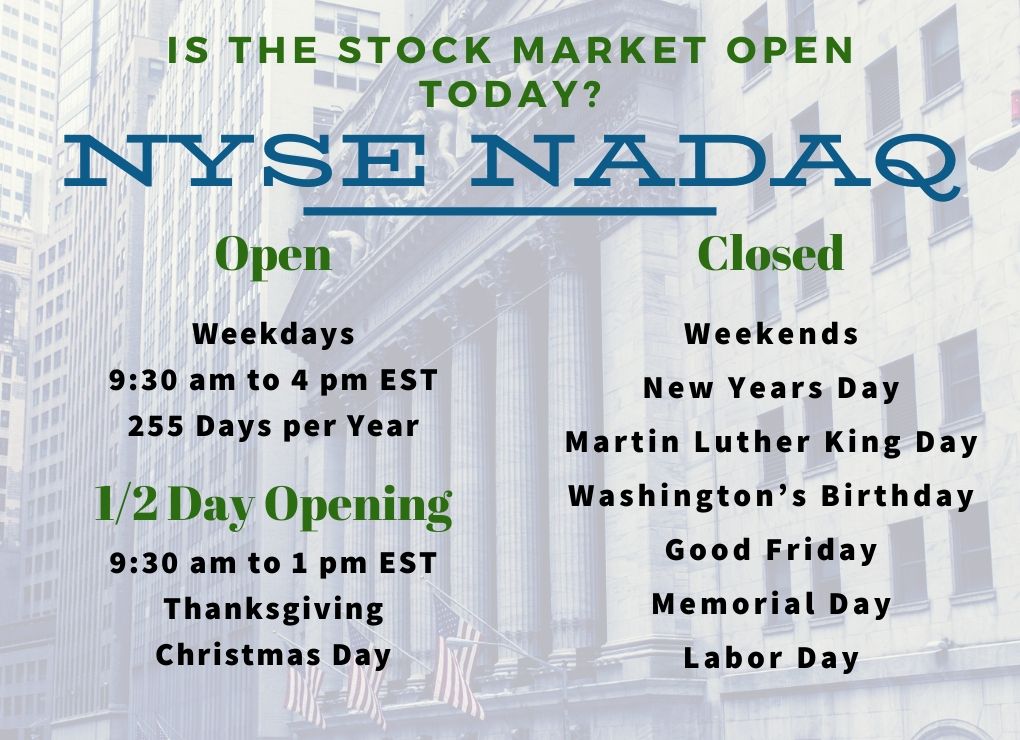
For most major stock exchanges, the “standard trading session” refers to the core hours during which the bulk of trading activity occurs. In the United States, the New York Stock Exchange (NYSE) and the Nasdaq Stock Market typically operate from 9:30 AM to 4:00 PM Eastern Time (ET) on weekdays. These hours are the most liquid, meaning there are usually many buyers and sellers, making it easier to execute trades without significantly moving prices. During this period, market-makers and specialists are actively quoting prices, ensuring a continuous and robust trading environment. The end of this session, marked by the closing bell, is often as significant as the open, with a surge of activity as traders finalize positions.
Pre-Market and After-Market Sessions: Extending the Day
The financial markets don’t simply go dark outside of the standard trading window. “Extended hours trading” encompasses both pre-market and after-market sessions. Pre-market trading typically begins several hours before the official opening, often as early as 4:00 AM ET for US markets. After-market trading, conversely, extends for several hours after the 4:00 PM ET close, sometimes lasting until 8:00 PM ET.
These extended sessions allow investors and institutions to react to news that breaks outside of regular hours, such as corporate earnings reports, economic data releases, or geopolitical events. However, trading in these periods comes with important caveats. Liquidity is generally lower, leading to wider bid-ask spreads and potentially greater price volatility. This means it can be harder to execute trades at desired prices, and price movements can be more exaggerated due to fewer participants. While they offer flexibility, extended hours require a heightened awareness of these inherent risks.
Why Fixed Hours? The Rationale Behind Structure
The tradition of fixed market hours, despite technological advancements, persists for several compelling reasons. Primarily, it concentrates trading activity into a defined window, which enhances liquidity and facilitates more efficient price discovery. When all market participants are operating simultaneously, it creates a deeper pool of orders, leading to tighter spreads and more accurate pricing.
Fixed hours also allow time for market participants to process information, strategize, and manage risk away from the immediate pressures of live trading. Furthermore, they provide a necessary pause for market regulators and exchanges to conduct maintenance, process trades, and implement system updates. This structured approach helps maintain market integrity, prevents investor fatigue, and contributes to the overall stability of the financial system.
The Global Symphony of Trading Hours: A World Without Sleep
While many investors focus on their local exchange, the stock market is a truly global phenomenon, operating almost continuously around the world, shifting from one time zone to the next. Understanding this global symphony is crucial for international investors, arbitrageurs, and anyone tracking companies with multinational operations.
Key Markets: A World Tour of Opening Bells
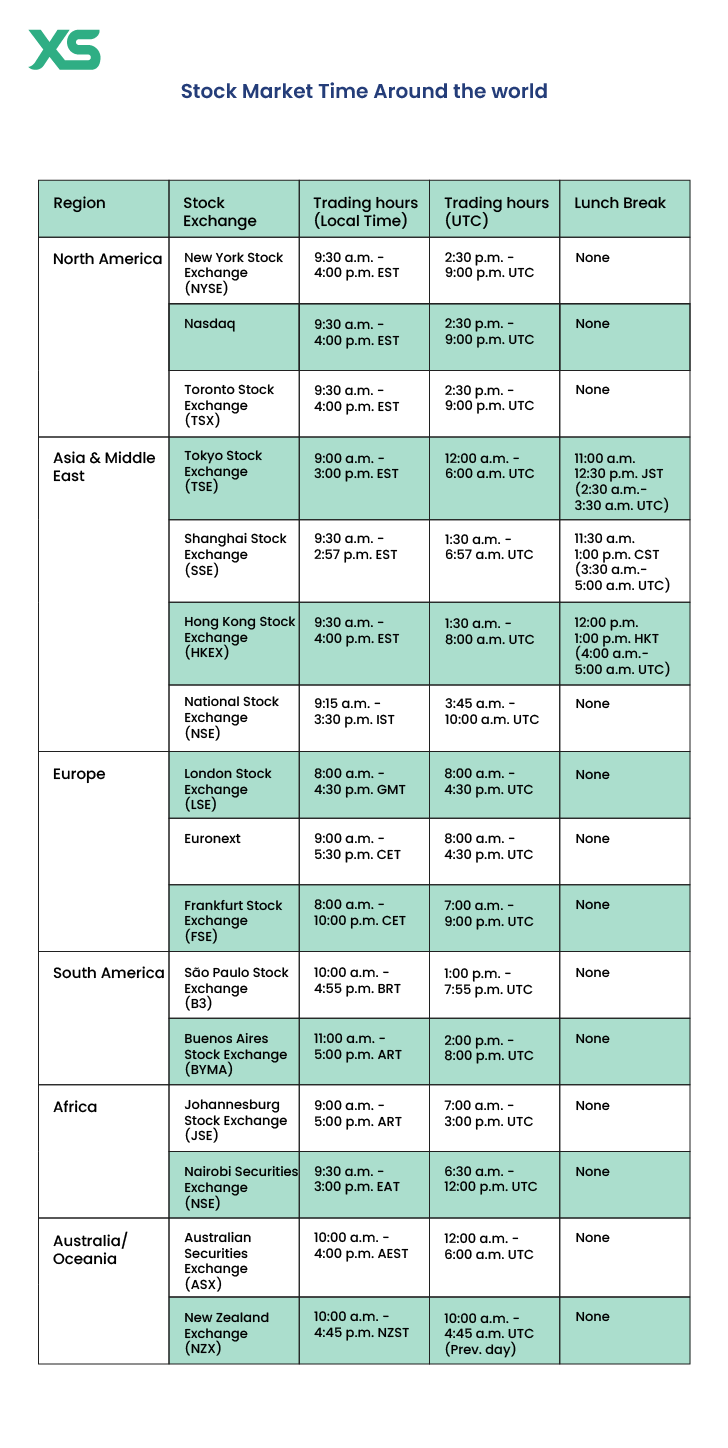
The world’s major stock exchanges each have their unique operating hours, dictated by local business customs, holidays, and regulatory frameworks. For example:
- North America: NYSE and Nasdaq (US) – 9:30 AM to 4:00 PM ET. Toronto Stock Exchange (TSX) – 9:30 AM to 4:00 PM ET.
- Europe: London Stock Exchange (LSE) – 8:00 AM to 4:30 PM GMT. Euronext Paris – 9:00 AM to 5:30 PM CET. Frankfurt Stock Exchange (Xetra) – 9:00 AM to 5:30 PM CET.
- Asia-Pacific: Tokyo Stock Exchange (TSE) – 9:00 AM to 3:00 PM JST (with a lunch break from 11:30 AM to 12:30 PM). Shanghai Stock Exchange (SSE) – 9:30 AM to 3:00 PM CST (with a lunch break from 11:30 AM to 1:00 PM). Australian Securities Exchange (ASX) – 10:00 AM to 4:00 PM AEST.
These varying schedules mean that while one market is closing, another is often just opening, creating a continuous cycle of global trading that never truly sleeps.
Time Zones and Overlaps: Opportunities and Challenges
The interplay of different time zones creates fascinating dynamics and unique opportunities. For instance, European markets are typically active when Asian markets are closing, and US markets begin trading while European markets are still open. These overlaps can lead to increased liquidity and opportunities for arbitrage, where traders try to profit from minor price discrepancies for the same asset across different exchanges.
However, time zone differences also pose challenges. Investors need to be acutely aware of local times when news from a different region might impact their holdings. For example, a major economic announcement in China might affect European and US markets when they open later in the day. This necessitates vigilance and the ability to process information across multiple time horizons.
Market Holidays and Early Closures
Beyond daily schedules, stock markets also observe national holidays, during which they remain closed. These can range from New Year’s Day and Christmas to specific national celebrations (e.g., Thanksgiving in the US, Bank Holidays in the UK). Additionally, some exchanges may have early closures on certain days, such as the day before a major holiday. It is critical for investors to consult the official holiday calendars of the exchanges they trade on to avoid unexpected delays in transactions or missed trading opportunities. These closures can also lead to accumulated order books that may create significant price movements when markets reopen.
Impact of Market Open on Traders and Investors: The Pulse of Volatility
The moment the market opens is arguably one of the most dynamic and consequential periods of the trading day. It’s a crucible where overnight information, pre-market orders, and pent-up demand and supply converge, often leading to pronounced volatility and rapid price discovery. Understanding this “opening drive” is essential for anyone looking to capitalize on, or simply navigate, the market’s initial movements.
Volatility and Price Discovery at the Open
The opening minutes of the stock market are frequently characterized by heightened volatility. This surge in price swings is a natural outcome of the market absorbing all the news and events that occurred since the previous close. Earnings reports, analyst upgrades/downgrades, economic data, and geopolitical developments – all these factors coalesce, and market participants rush to adjust their positions accordingly. This period of intense activity is crucial for “price discovery,” as the market works to establish a fair value for securities based on all available information. While this volatility can present significant opportunities for swift profits, it also carries elevated risks, making careful entry and exit strategies paramount.
The “Opening Drive”: Identifying Early Trends
Many professional traders refer to the first 30 to 60 minutes of trading as the “opening drive.” During this time, the market often establishes initial trends that can persist, or reverse, throughout the day. High-volume, early-morning moves in particular stocks or sectors can indicate strong institutional interest or significant news-driven sentiment. Experienced traders often watch for these early signals, looking for stocks that are gapping up or down significantly on high volume, as these might offer immediate trading opportunities. However, novice investors should exercise caution, as these early trends can also be “head fakes,” reversing quickly as more participants enter the market.
News and Earnings Releases: Pre-Market Catalysts
A significant portion of news that impacts stock prices – especially corporate earnings reports – is released either before the market opens or after it closes. This timing is strategic, designed to give investors and analysts time to digest the information before trading resumes. When market opens, the aggregated reaction to this news immediately manifests in share prices. A company that beats earnings expectations might see its stock “gap up” at the open, while a miss could lead to a “gap down.” Understanding which companies are releasing news and how the market might react is a critical aspect of pre-open analysis for many investors. Ignoring these pre-market catalysts can lead to being caught off guard by significant price movements.
Navigating the Opening Bell: Strategies and Considerations
Given the unique characteristics of market opening times, a tailored approach is often necessary. Whether you’re a day trader seeking rapid gains or a long-term investor focused on fundamental value, understanding how to approach the opening bell can significantly impact your portfolio’s performance and risk exposure.
For Day Traders: High-Frequency Opportunities
Day traders, by definition, thrive on volatility and rapid price movements, making the opening bell a prime hunting ground. They often employ strategies focused on identifying stocks with significant pre-market news or strong early momentum. Common tactics include:
- Momentum Trading: Buying stocks that are gapping up or down with high volume and riding the initial trend.
- Gap and Go: Trading stocks that have opened significantly higher or lower than their previous close, anticipating a continuation of that move.
- Fade the Open: Betting against the initial opening move, anticipating a reversal after the initial flurry of activity.
These strategies require quick decision-making, strict risk management, and the ability to interpret real-time market data. Day traders typically use advanced charting tools and high-speed execution platforms to capitalize on these fleeting opportunities.
For Long-Term Investors: Contextualizing Early Moves
Long-term investors, who focus on a company’s fundamentals and hold assets for months or years, generally don’t engage in the frantic activity of the opening bell. However, they still need to understand its implications. A significant gap up or down at the open might be a buying or selling opportunity if it’s based on substantial, fundamental news. Alternatively, it could be an overreaction that will correct itself. Long-term investors often use the opening moves as context for monitoring their existing holdings and identifying potential entry or exit points later in the day, rather than directly participating in the initial chaos. They might wait for the market to “settle down” an hour or two after the open before making any significant moves.
Risk Management and Order Types at the Open
Effective risk management is paramount when trading at the market open. Due to heightened volatility, placing appropriate order types is crucial.
- Limit Orders: Instead of market orders, which execute at the best available price (which can be unpredictable during volatile periods), limit orders specify a maximum buy price or minimum sell price. This protects investors from unexpected price spikes or drops.
- Stop-Loss Orders: These are vital for mitigating downside risk. A stop-loss order automatically triggers a market sell order if the stock price falls to a predetermined level, limiting potential losses. However, during highly volatile open periods, stop-loss orders can sometimes be “gapped through,” executing at a worse price than intended.
- Bracket Orders: Some platforms offer bracket orders, which combine an entry order with predefined profit-taking and stop-loss orders, automating risk management.
Avoiding market orders immediately at the open, especially for large positions, is generally a sound practice for risk-averse investors.
Information Overload: Filtering the Noise
The opening hours of the market are also characterized by an abundance of news, analysis, and social media chatter. Distinguishing valuable information from mere noise is a critical skill. Focus on reputable financial news sources, verified earnings reports, and established economic indicators. Avoid making impulsive decisions based on unsubstantiated rumors or social media trends, which can be particularly rampant and misleading during periods of high volatility. Develop a clear strategy before the market opens and stick to it, rather than reacting to every piece of incoming information.
Beyond the Open: After-Hours Trading and Future Trends
The evolution of technology has profoundly impacted how and when markets operate, pushing the boundaries beyond the traditional 9-to-4 workday. This shift towards extended and potentially 24/7 trading has significant implications for market access, liquidity, and investor behavior.
Electronic Trading and Extended Access
The advent of electronic communication networks (ECNs) and advanced trading platforms has democratized access to extended-hours trading. Once primarily the domain of institutional investors, retail investors can now participate in pre-market and after-hours sessions through most online brokerage accounts. This increased accessibility means that news can be reacted to more swiftly, and the distinction between “regular” and “extended” hours is blurring. While still less liquid than the standard session, extended hours trading offers flexibility for investors who cannot actively trade during regular market hours or wish to react immediately to breaking news.
Implications for Retail vs. Institutional Investors
For institutional investors, who have vast resources and sophisticated algorithms, extended-hours trading offers an additional window to adjust large positions without impacting the market as heavily as they might during peak hours. For retail investors, while accessible, the risks of lower liquidity and wider spreads remain significant. This disparity means that institutional players often have an advantage in these less liquid environments. Retail investors need to be acutely aware of this imbalance and understand that prices in extended hours may not accurately reflect the broader market consensus that forms during the standard trading session.
The Future of Market Hours: Towards 24/7 Trading?
The logical progression of globalized, electronic markets seems to point towards a future of 24/7 trading. Cryptocurrencies, for example, already trade continuously, offering a glimpse into what such a market might look like. Proponents argue that continuous trading would increase efficiency, allow for instant reactions to global events, and reduce overnight risk gaps. However, critics raise concerns about investor fatigue, the practicality of regulatory oversight without a “pause,” and the potential for continuous volatility without the concentrated liquidity of fixed hours.
While a complete shift to 24/7 equity trading might be years away, or even remain a theoretical concept, the trend towards longer trading hours and increasingly interconnected global markets is undeniable. Understanding the current “when” of market openings, therefore, is not just about present strategy but also about preparing for the evolving landscape of future financial markets.
In conclusion, the question of “when stock market opens” is a gateway to understanding the intricate mechanisms of financial markets. From the structured rhythm of standard sessions and the dynamic opportunities of extended hours to the global dance of international exchanges, every investor must appreciate the significance of market timings. By recognizing the volatility at the open, preparing for news catalysts, employing sound risk management, and staying informed about global schedules, investors can transform a seemingly simple query into a powerful cornerstone of their financial strategy.
aViewFromTheCave is a participant in the Amazon Services LLC Associates Program, an affiliate advertising program designed to provide a means for sites to earn advertising fees by advertising and linking to Amazon.com. Amazon, the Amazon logo, AmazonSupply, and the AmazonSupply logo are trademarks of Amazon.com, Inc. or its affiliates. As an Amazon Associate we earn affiliate commissions from qualifying purchases.