
The question “when is the next stock market crash?” is one that haunts investors, from the novice to the seasoned veteran. It’s a query driven by a mix of genuine concern for financial well-being and an almost primal fear of loss. The stock market, by its very nature, is cyclical, experiencing periods of robust growth, sustained stability, and inevitable downturns. While history teaches us that crashes are an intrinsic part of its evolution, predicting their exact timing, magnitude, or catalyst remains an exercise in futility. No one possesses a crystal ball capable of forecasting the precise moment of market capitulation. Yet, understanding the forces that contribute to market corrections and crashes, recognizing potential warning signs, and crucially, preparing oneself financially, are invaluable steps for any investor. This article will delve into the dynamics of market downturns, explore historical precedents, discuss key indicators, and outline strategies to navigate the inherent volatility of the financial markets, ensuring you’re not just surviving, but thriving through economic cycles.
The Elusive Art of Market Timing and Prediction
The allure of market timing – buying at the bottom and selling at the top – is powerful. Imagine the wealth one could accumulate by sidestepping every major downturn. However, decades of financial research and countless real-world examples consistently demonstrate that market timing is an exceedingly difficult, if not impossible, endeavor for the vast majority of investors. Even professional money managers with sophisticated tools and teams of analysts often fail to consistently time the market successfully.
Why Predicting Crashes is So Difficult
Stock market crashes are complex events, often triggered by a confluence of factors rather than a single, isolated incident. These factors can range from economic fundamentals and geopolitical tensions to technological shifts and speculative bubbles. The market is a forward-looking mechanism, constantly pricing in expectations and fears, making its movements inherently unpredictable. Furthermore, human behavior, driven by emotion rather than pure logic, plays a significant role. Panic selling can exacerbate downturns, just as irrational exuberance can inflate bubbles. The interplay of these countless variables creates a chaotic system where precise prediction is an act of guesswork. Missing even a few of the market’s best performing days, which often occur during periods of high volatility or immediately after a downturn, can severely impact long-term returns, proving that “time in the market” often trumps “timing the market.”
The Psychology of Market Cycles: Fear and Greed
Market cycles are deeply intertwined with human psychology, primarily the powerful emotions of fear and greed. During bull markets, greed often takes over, leading to overconfidence, increased risk-taking, and speculative bubbles. Investors may chase hot stocks, ignore warning signs, and believe “this time it’s different.” When the market turns, fear rapidly sets in, triggering panic selling and a rush to safety. This herd mentality can accelerate a downturn, turning a correction into a full-blown crash. Understanding these emotional drivers is crucial, not to predict a crash, but to recognize how they can influence one’s own investment decisions and to develop a disciplined approach that mitigates their impact. Acknowledging that fear and greed are inherent parts of investing allows individuals to build strategies that are resistant to emotional pitfalls.
Historical Precedents: Lessons from Past Crashes
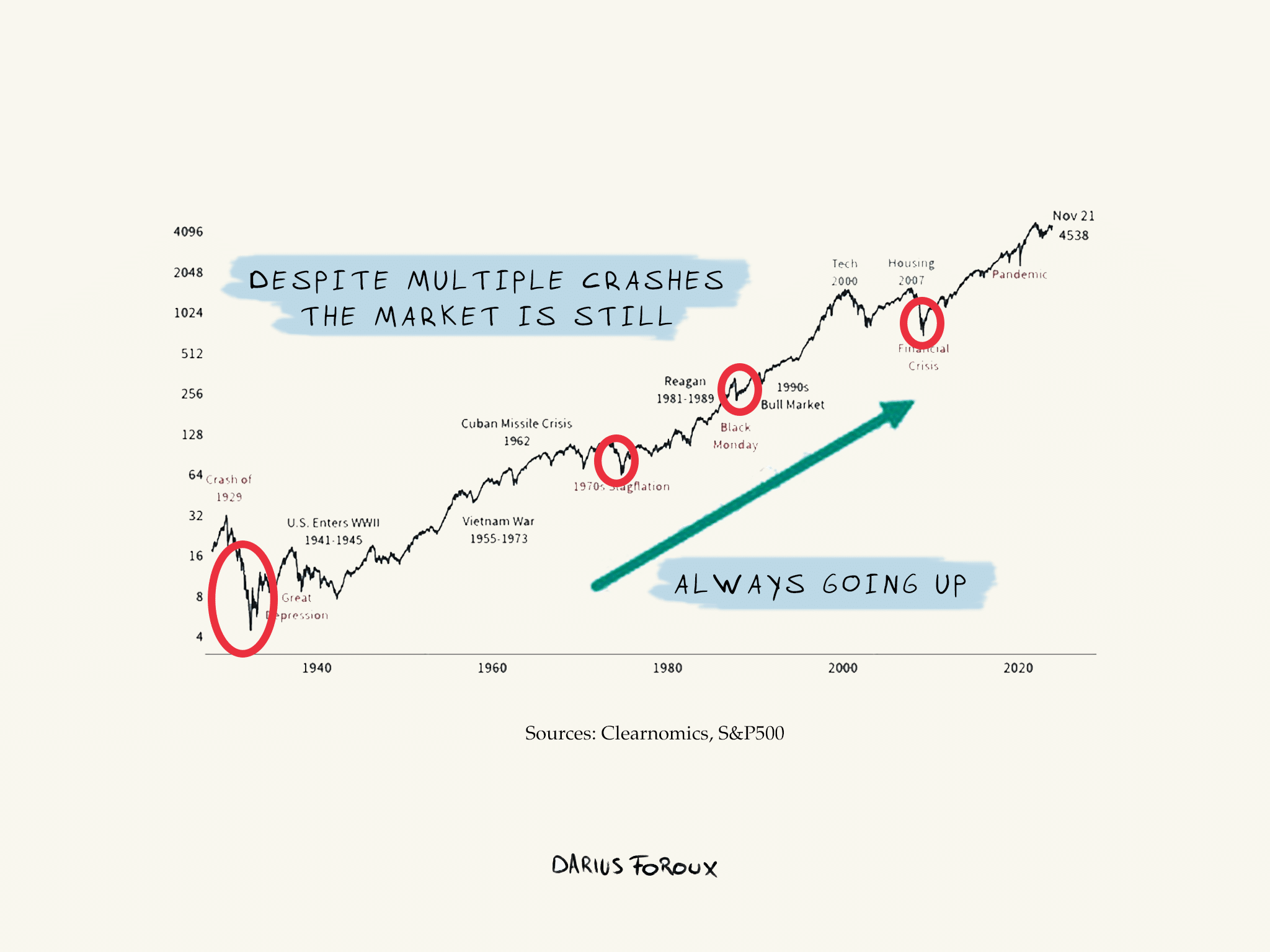
While each market crash is unique in its triggers and specific circumstances, examining historical downturns provides invaluable context. It teaches us that market declines are a recurrent feature of economic history and that markets eventually recover, often reaching new highs. Learning from the past helps us understand the typical patterns, the diverse causes, and the eventual outcomes of these disruptive events.
The Great Depression (1929): Over-speculation and Market Bubbles
The “Black Tuesday” crash of 1929 was the most devastating stock market crash in U.S. history, precipitating the Great Depression. It was largely fueled by rampant speculation, excessive margin buying, and an overvalued market that had detached from underlying economic realities. The speculative bubble burst, wiping out immense wealth and leading to widespread economic contraction. The lesson here is the danger of unchecked speculation and the fragility of markets built on unsustainable enthusiasm.
Black Monday (1987): Program Trading and Systemic Risk
October 19, 1987, saw the Dow Jones Industrial Average plummet by 22.6% in a single day, the largest one-day percentage drop ever. While economic concerns played a role, a key factor was the then-nascent practice of “program trading” and portfolio insurance, which created a cascading selling effect when prices began to fall. This event highlighted the potential for technological and structural factors within the market to amplify downturns and introduced the concept of systemic risk.
The Dot-Com Bubble Burst (2000): Irrational Exuberance in Tech
The late 1990s witnessed an unprecedented surge in technology stocks, many of which had little to no earnings but were valued at astronomical levels based on future potential. When the bubble burst in March 2000, countless internet companies collapsed, leading to significant losses for investors who had bought into the “irrational exuberance” of the era. This crash underscored the perils of investing purely on hype and speculation without fundamental analysis.
The Global Financial Crisis (2008): Subprime Mortgages and Systemic Failure
Triggered by the collapse of the U.S. housing market and the proliferation of complex, risky mortgage-backed securities, the 2008 financial crisis was a global event. It exposed severe weaknesses in the financial system, leading to the failure of major institutions and a deep recession. The crisis emphasized the interconnectedness of global finance and the dangers of opaque financial instruments and lax regulation.
The COVID-19 Shock (2020): External Shocks and Rapid Recoveries
The onset of the COVID-19 pandemic in early 2020 caused a swift and dramatic global market downturn. This was a classic “black swan” event – an unpredictable, high-impact external shock. However, aided by unprecedented fiscal and monetary stimulus, the market recovered remarkably quickly, demonstrating the resilience of modern markets and the power of swift policy responses. This event highlighted the potential for exogenous shocks to cause rapid but potentially short-lived corrections.
Identifying Potential Warning Signs and Economic Indicators
While predicting the precise moment of a crash is impossible, various economic and market indicators can signal increasing risk or potential headwinds. These are not infallible predictors but rather tools to help investors assess the overall health of the economy and market.
Valuation Metrics: P/E Ratios and Market Capitalization
High price-to-earnings (P/E) ratios, especially when significantly above historical averages, can indicate an overvalued market. Similarly, a rising market capitalization-to-GDP ratio (often referred to as the “Buffett Indicator”) can suggest that the stock market’s valuation is stretched relative to the economy’s size. While not direct crash predictors, persistently high valuations signal that future returns might be lower and the market more susceptible to negative news.
Interest Rates and Monetary Policy
Central bank actions, particularly changes in interest rates, significantly impact market dynamics. Rising interest rates can make borrowing more expensive, dampen economic activity, and make bonds more attractive relative to stocks, potentially leading to a flight from equities. Aggressive monetary tightening is often a precursor to economic slowdowns or recessions, which can in turn trigger market corrections.
Yield Curve Inversion
Perhaps one of the most reliable recession indicators historically, a yield curve inversion occurs when short-term government bond yields rise above long-term bond yields. This unusual phenomenon suggests that investors expect economic growth to slow significantly in the future, prompting them to demand higher compensation for holding short-term debt. While not every inversion leads to a crash, most major recessions have been preceded by one.
Consumer Confidence and Business Sentiment
Surveys of consumer confidence and business sentiment provide insights into the psychological state of the economy. A sustained decline in these indicators can signal a weakening economic outlook, as reduced spending by consumers and decreased investment by businesses can lead to a slowdown in growth and corporate earnings, both of which are critical for stock market performance.
Geopolitical Events and Black Swan Risks
Geopolitical tensions, trade wars, natural disasters, or global pandemics (like COVID-19) are “black swan” events that are inherently unpredictable but can have profound and immediate impacts on financial markets. While these cannot be forecasted, understanding their potential to disrupt markets is part of a comprehensive risk assessment. Such events can trigger sudden and sharp declines, demonstrating the market’s vulnerability to external shocks.
Strategies for Navigating Volatility and Preparing for a Downturn
Given the inevitability of market downturns and the impossibility of predicting them, the most prudent approach for investors is to focus on preparedness and robust long-term strategies. A well-constructed financial plan can help mitigate losses and even position an investor to capitalize on opportunities during periods of market stress.
Diversification Across Asset Classes
One of the most fundamental principles of investing is diversification. Spreading investments across various asset classes (stocks, bonds, real estate, commodities), different industries, and geographies reduces the impact of a downturn in any single area. When one asset class struggles, another might perform relatively better, providing a buffer against significant losses. For instance, bonds often perform well during stock market downturns, acting as a ballast.
Maintaining a Cash Reserve and Emergency Fund
Having an adequate emergency fund (typically 3-6 months of living expenses) in an easily accessible savings account is crucial. This cash reserve prevents you from being forced to sell investments at a loss during a market downturn to cover unexpected expenses. Beyond an emergency fund, holding a strategic cash allocation in your investment portfolio can provide dry powder to deploy when market opportunities arise during a correction.
Dollar-Cost Averaging: Investing Through Cycles
Dollar-cost averaging involves investing a fixed amount of money at regular intervals, regardless of market fluctuations. This strategy means you buy more shares when prices are low and fewer when prices are high. Over time, it can reduce your average cost per share and prevent the emotional trap of trying to time the market. It’s a disciplined approach that encourages consistent investment, even during volatile periods, and can be particularly effective during bear markets.
Rebalancing Your Portfolio
Periodically rebalancing your portfolio to its target asset allocation is vital. If stocks have performed exceptionally well, they might now represent a larger portion of your portfolio than initially intended, increasing your risk exposure. Rebalancing involves selling some of your outperforming assets and buying more of your underperforming ones, bringing your portfolio back to your desired risk profile. This systematic approach forces you to “buy low and sell high” in a disciplined manner.
Focusing on Long-Term Goals
For most investors, the stock market is a vehicle for achieving long-term goals like retirement or purchasing a home. Short-term market fluctuations, including crashes, are often temporary blips when viewed through a multi-decade lens. Maintaining a long-term perspective helps to reduce anxiety during downturns and prevents impulsive, detrimental decisions like panic selling. History shows that resilient investors who stay the course are ultimately rewarded.
Avoiding Panic Selling
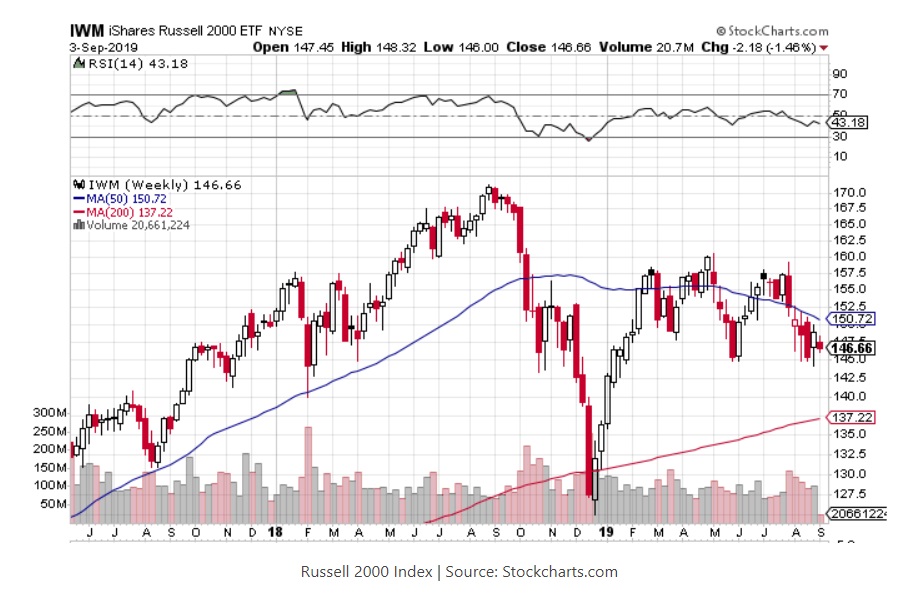
Perhaps the most damaging action an investor can take during a market crash is to panic sell their holdings. Selling during a downturn locks in losses and ensures you miss the inevitable recovery. Often, the market rebounds swiftly, and those who fled the market are left on the sidelines, buying back in at higher prices. Trusting your long-term plan and remaining disciplined, even when emotions run high, is paramount.
In conclusion, while the question “when is the next stock market crash?” will always remain unanswered with certainty, the wise investor understands that market downturns are an inherent part of the investment landscape. Rather than chasing the impossible dream of perfect timing, focus on building a robust, diversified portfolio, maintaining adequate liquidity, and committing to a long-term investment horizon. By doing so, you can transform the fear of a crash into an opportunity for resilience and long-term financial growth.
aViewFromTheCave is a participant in the Amazon Services LLC Associates Program, an affiliate advertising program designed to provide a means for sites to earn advertising fees by advertising and linking to Amazon.com. Amazon, the Amazon logo, AmazonSupply, and the AmazonSupply logo are trademarks of Amazon.com, Inc. or its affiliates. As an Amazon Associate we earn affiliate commissions from qualifying purchases.