
Navigating the labyrinthine world of airfare pricing can feel like a high-stakes treasure hunt. For budget-conscious travelers, securing the cheapest flight tickets isn’t just about saving a few dollars; it’s about maximizing travel opportunities and making their money go further. While there’s no single magic bullet or secret day that guarantees the lowest fare every time, understanding the intricate dynamics of airline pricing and employing strategic booking methods can significantly tip the odds in your favor.
The Dynamic World of Airfare Pricing
Airline ticket prices are notoriously volatile, fluctuating not just daily, but sometimes hourly. This isn’t random; it’s the result of sophisticated revenue management systems designed to optimize profits.

Understanding Airline Revenue Management
Airlines employ complex algorithms that consider a multitude of factors to set and adjust prices. These factors include historical demand data for specific routes, competitor pricing, fuel costs, operational expenses, seat availability, booking patterns, and even real-time search demand. The goal is to sell each seat at the highest possible price, meaning different passengers on the same flight might pay vastly different fares based on when they booked, their flexibility, and other purchasing conditions. Early bookings might secure a good price, but if demand is lower than expected, prices might drop later. Conversely, high demand will see prices skyrocket as seats fill up. This intricate dance of supply and demand, managed by powerful computing, makes predicting price movements a challenge, yet understanding it is the first step toward smart booking.
The Impact of Seasonality and Events
One of the most significant drivers of airfare cost is seasonality. Peak travel periods, such as major holidays (Christmas, New Year’s, Thanksgiving), summer vacation months, and spring break, invariably see a surge in demand and, consequently, higher prices. Everyone wants to travel during these times, and airlines capitalize on that demand. Similarly, major events like international sports tournaments, music festivals, or significant cultural celebrations in specific destinations can cause prices to soar for flights to and from those locations during the event window. Conversely, traveling during the “shoulder seasons” (just before or after peak season) or off-peak months often presents significant savings as demand cools down.
Timing Your Purchase: The Golden Windows
While prices are dynamic, historical data offers valuable insights into optimal booking windows that tend to yield the best fares.
The “Sweet Spot” for Domestic Flights
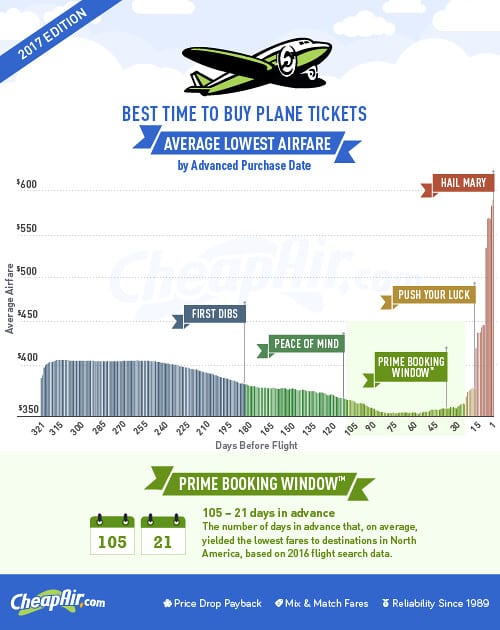
For domestic travel, the widely accepted “sweet spot” for booking flight tickets is typically one to three months in advance of your departure date. Within this window, airlines are balancing the desire to fill seats with the need to attract early bookers, often resulting in competitive pricing. Booking too far in advance (e.g., six months out) can sometimes lead to higher prices, as airlines initially price tickets higher, anticipating high demand, and only adjust downwards if early sales are slow. Conversely, waiting until the last minute (within a few weeks of departure) is almost always a costly mistake, as airlines will charge a premium for the convenience of immediate travel.
International Travel: A Longer Lead Time
International flights generally require a longer lead time for securing the best prices. For most international routes, it’s advisable to book anywhere from three to six months in advance, and sometimes even earlier for popular destinations or during peak travel seasons. The complexity of international routing, greater demand variability, and higher operational costs contribute to this longer optimal window. For highly sought-after destinations or travel during major global events, extending this window to 9-12 months out might even be beneficial, particularly if you are inflexible with your dates or preferred airline.
The Myth of Last-Minute Deals
The romantic notion of snagging a dirt-cheap, last-minute flight deal is largely a myth for scheduled commercial flights. While such deals might occasionally appear for hotels or package holidays, airlines rarely drop prices significantly in the final weeks or days before departure. In fact, the opposite is almost always true: prices tend to skyrocket for last-minute bookings. Airlines know that these travelers often have urgent needs or are business travelers with less price sensitivity, allowing them to command premium fares. Any “deals” you might find are typically for undesirable flight times or routes with multiple lengthy layovers, and they are few and far between. Relying on this strategy is a gamble that most often results in paying much more.
Days of the Week and Time of Day: Micro-Timing Strategies
Beyond the broader booking window, specific days of the week for booking and traveling can also influence prices.

Cheapest Days to Book
The long-standing advice that Tuesdays and Wednesdays are the cheapest days to book flights still holds some anecdotal truth, though it’s less universally consistent than it once was. The theory suggests that airlines often release new sales or adjust prices on Monday evenings, and by Tuesday morning, competitors have matched those prices, leading to a brief window of competitive fares. By the end of the week, business travel bookings start to push prices up again. While not a hard and fast rule, checking prices mid-week can still be a beneficial strategy as part of a broader monitoring effort.
Cheapest Days to Fly
There is a much clearer pattern when it comes to the cheapest days to actually fly. Mid-week departures and returns – specifically Tuesday, Wednesday, and Thursday – are almost always cheaper than weekend flights. Fridays and Sundays are often the most expensive days to fly due to high demand from business travelers returning home and leisure travelers starting their trips. Furthermore, early morning flights (before 8 AM) and late-night flights (after 9 PM) tend to be cheaper than flights during prime daytime hours, as fewer people are willing to endure the inconvenience. If your schedule allows for flexibility, flying mid-week during off-peak hours can unlock significant savings.
The Best Time to Search
While some theories suggest specific times of day (e.g., late at night or early morning) for searching for tickets, there’s no conclusive evidence that a particular hour consistently offers better deals. Airline pricing systems are constantly running. What’s more important than the specific hour of your search is to search consistently and frequently over a period of time. Setting up price alerts (discussed below) effectively automates this process, notifying you when prices for your desired route drop, regardless of the time of day.
Smart Strategies Beyond Timing for Maximum Savings
While timing is crucial, it’s just one piece of the puzzle. A truly savvy traveler employs a multi-faceted approach to reduce flight costs.
Flexibility is Key
- Departure Dates: This is perhaps the most powerful tool for saving money on flights. Being flexible with your travel dates, even by a single day, can often result in hundreds of dollars in savings. Use “flexible date” search options on comparison websites to see prices across an entire month.
- Airports: Don’t limit yourself to the most obvious airport. Check alternative airports within a reasonable driving distance of your origin and destination. A slightly longer drive might be well worth the savings, especially for international flights where the fare difference can be substantial.
- Connecting Flights: While direct flights are convenient, they are almost invariably more expensive. Embrace layovers if time allows. One or two stops can significantly reduce your fare, opening up routes and airlines that might be otherwise unaffordable. Just ensure the layover times are reasonable to avoid unnecessary stress or missed connections.
Leveraging Technology and Tools
- Price Comparison Websites: Tools like Google Flights, Skyscanner, Kayak, Expedia, and Momondo are indispensable. They aggregate data from numerous airlines and online travel agencies, allowing you to compare prices efficiently. Google Flights, in particular, offers excellent features like price graphs, flexible date searches, and the ability to explore destinations based on your budget.
- Price Alerts: This is a non-negotiable strategy. Most comparison websites allow you to set up email alerts for specific routes and dates. You’ll receive notifications when the price changes, enabling you to book at an opportune moment without constantly monitoring.
- Incognito Mode/VPN: While highly debated, some travelers swear by searching for flights in incognito or private browsing mode, or even using a VPN to search from different geographical locations. The theory is that airlines and OTAs might use cookies to track your searches and potentially increase prices on routes you’ve shown interest in. While the evidence for this is inconclusive, it costs nothing to try and ensures you’re seeing the freshest pricing.
Consider Budget Airlines and Bundles
- Budget Carriers: Airlines like Spirit, Ryanair, EasyJet, and Southwest (within their specific models) can offer incredibly low base fares. However, be acutely aware of their fee structures. Checked baggage, carry-on bags, seat selection, and even printing your boarding pass can incur additional costs that might erode any initial savings. Always calculate the total cost before booking.
- Flight + Hotel Packages: Sometimes, booking your flight and hotel together as a package through an online travel agency can be cheaper than booking them separately. This is because OTAs often secure bulk rates from hotels and airlines. It’s always worth checking this option, even if you only need one component, as you might find a package deal cheaper than the standalone flight.
Loyalty Programs and Credit Card Perks
For frequent travelers, leveraging airline loyalty programs and travel-specific credit cards can lead to substantial savings over time. Earning miles or points through flights or everyday spending can eventually cover the cost of tickets, sometimes even for premium cabins. Many travel credit cards also offer valuable benefits like free checked bags, airport lounge access, and travel insurance, which further enhance the value of your trips. Be strategic about which cards you use and how you accumulate points.
Final Thoughts: A Proactive Approach to Travel Savings
Finding the cheapest flight tickets is less about luck and more about strategy, diligence, and flexibility. There’s no single day or time that is universally the cheapest to buy; rather, it’s a confluence of factors, each contributing to the fluctuating price. By understanding the underlying principles of airline pricing, mastering the art of timing your purchase within optimal windows, and intelligently leveraging technology and travel hacks, you can significantly reduce your travel expenses. Stay proactive with your search, remain flexible with your dates and airports, and embrace the tools available to you. With a bit of informed effort, you’ll be well on your way to securing excellent deals and stretching your travel budget further.
aViewFromTheCave is a participant in the Amazon Services LLC Associates Program, an affiliate advertising program designed to provide a means for sites to earn advertising fees by advertising and linking to Amazon.com. Amazon, the Amazon logo, AmazonSupply, and the AmazonSupply logo are trademarks of Amazon.com, Inc. or its affiliates. As an Amazon Associate we earn affiliate commissions from qualifying purchases.