
In the landscape of personal finance, travel often represents one of the largest discretionary expenses a household or individual will face. Unlike a fixed monthly mortgage or a standard utility bill, the cost of airfare is notoriously volatile, governed by complex algorithms and market fluctuations that can see prices swing by hundreds of dollars in a single afternoon. For the fiscally conscious traveler, understanding the “when” of purchasing a plane ticket is not merely a matter of convenience; it is a critical exercise in capital preservation and strategic budgeting. This guide examines the financial mechanics of the airline industry and provides a data-driven framework for optimizing your travel investments.
The Macroeconomics of Airline Pricing Models
To master the timing of a purchase, one must first understand the economic forces at play. Airlines utilize a sophisticated system known as “Revenue Management” or “Yield Management.” This is a variable pricing strategy, based on anticipating consumer behavior to maximize revenue. From a financial perspective, an airplane seat is a “perishable asset”—once the flight takes off, the value of an empty seat drops to zero.
Dynamic Pricing and Market Volatility
The price you see on your screen is the result of real-time supply and demand analysis. Airlines use historical data, current booking velocity, and even local economic indicators to adjust prices. As a consumer, you are participating in a high-stakes auction where the “reserve price” is constantly moving. Recognizing that prices are not static allows a disciplined investor in travel to wait for “market corrections”—those brief windows where supply exceeds demand and prices dip below the historical average.
The Concept of Value-Based vs. Cost-Based Booking
Most consumers approach airfare with a “cost-based” mindset: they have a destination and a date, and they pay whatever the market demands. However, from a wealth-management perspective, “value-based” booking is far more effective. This involves identifying a “fair value” for a route based on historical data and executing a purchase only when the market hits that target. By setting a financial ceiling for specific routes, you protect your cash flow from the predatory spikes of peak-season pricing.
Strategic Timing: Data-Driven Windows for Maximum Savings
The quest for the “best time” to buy is often clouded by anecdotal myths, such as the outdated belief that buying on a Tuesday at midnight guarantees a deal. In modern finance, we look at broader “booking windows” rather than specific hours. These windows represent the statistical sweet spot where airlines have moved past early-bird pricing and haven’t yet entered the “last-minute” premium phase.
The Goldilocks Window: Domestic vs. International
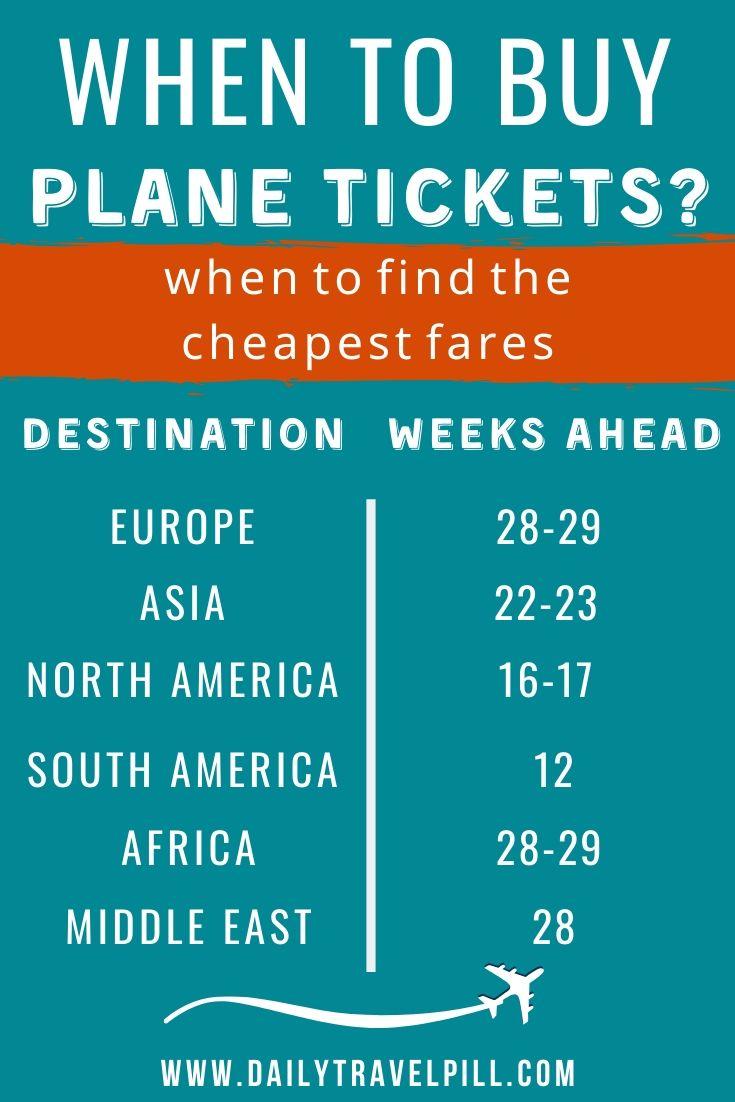
For domestic travel within North America or Europe, the financial “Goldilocks Window”—not too early, not too late—typically falls between 28 and 60 days before departure. Purchasing more than six months in advance often results in paying a premium for the “insurance” of having a locked-in seat, as airlines haven’t yet felt the pressure to fill the cabin. Conversely, booking less than 21 days out triggers “business traveler” pricing, where airlines capitalize on the inelastic demand of corporate flyers who must travel regardless of cost.
For international travel, the window shifts significantly. To optimize the return on your travel spend, international tickets should generally be sourced 3 to 6 months in advance. Because the capital outlay for long-haul flights is higher, the volatility is also greater; locking in a price during this window mitigates the risk of a $400–$600 surge that often occurs in the final eight weeks.
Seasonal Fluctuations and the Impact of Holiday Surges
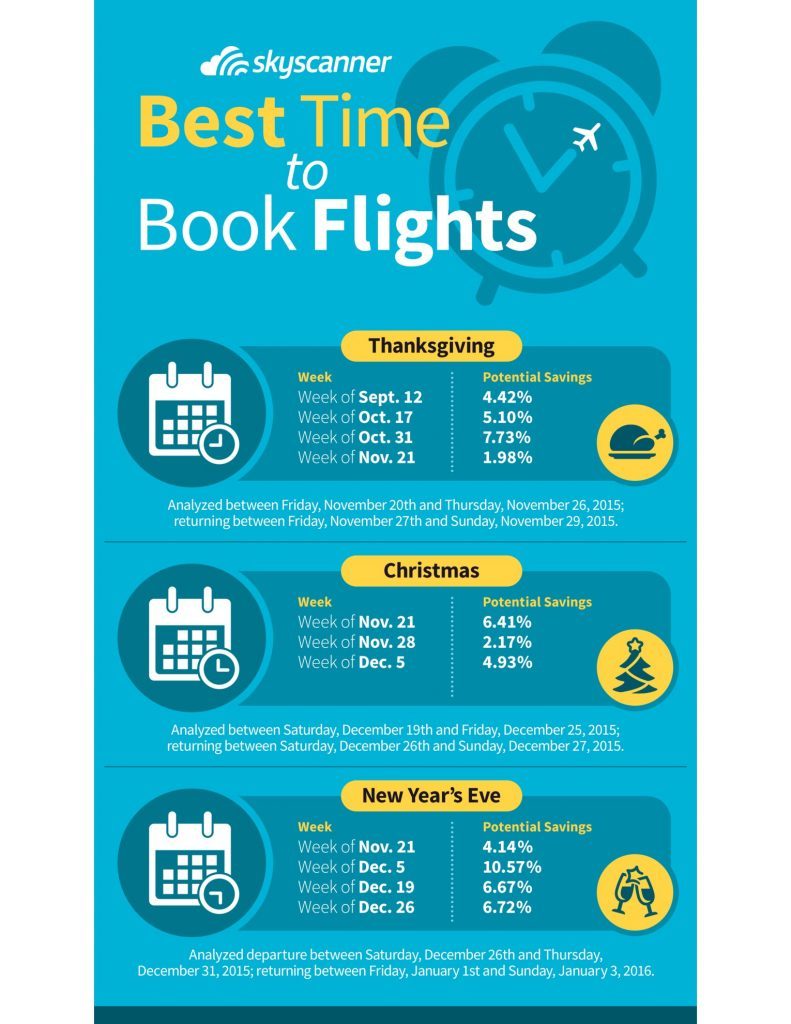
In personal finance, seasonality is a predictable risk. Just as retail stocks fluctuate around the holidays, airfare experiences “peak demand premiums” during December, July, and August. If your travel is non-negotiable during these periods, the standard booking windows are void. In these cases, the “best time” is as early as the schedule allows—often 11 months out. Financially, the “holding cost” of booking early is lower than the near-certainty of a 50-100% price increase as the holiday approaches.
Financial Tools and Tactics to Hedge Against Price Hikes
In the same way an investor uses tools to monitor a stock portfolio, a traveler should use financial instruments and digital monitors to protect their travel budget. Treating airfare as a line item in a broader financial plan requires more than just manual searching.
Leveraging Credit Card Rewards and Point Arbitrage
One of the most effective ways to “buy” a ticket at the best time is to not use cash at all. Using travel-reward credit cards allows you to decouple the purchase from your liquid cash flow. By understanding the “cents per point” (CPP) value of your rewards, you can perform arbitrage. If the cash price of a ticket spikes but the “point price” remains stable (a common occurrence with fixed-value rewards or certain airline partners), the best time to buy is whenever the CPP value exceeds your personal benchmark (usually 1.5 to 2.0 cents per point).
Automated Monitoring and Price Protection
In the digital age, “manual” searching is a poor use of human capital. Financial discipline in travel involves using automated tools like Google Flights, Hopper, or Kayak to track price trajectories. These tools provide “buy or wait” recommendations based on algorithmic predictions. Furthermore, some high-end credit cards offer “price protection” or “trip cancellation insurance,” which serve as a hedge against the financial loss of a poorly timed purchase or a subsequent price drop.
Behavioral Finance: Avoiding Emotional Impulse Buys
Psychology plays a massive role in how we spend money. Airlines use “scarcity cues”—messages like “only 2 seats left at this price”—to trigger an emotional response and force a sub-optimal financial decision.
The Myth of the “Tuesday Afternoon” Secret
For years, the “Tuesday secret” was touted as the gold standard. While there was once a grain of truth to this (due to how airlines manually cleared their databases), modern AI-driven pricing has rendered this obsolete. Believing in such myths can lead to “analysis paralysis,” where a traveler waits for a specific day that never delivers a deal, eventually missing the actual market low. From a financial perspective, it is better to trust the data of a 30-day moving average than a folk myth.
Sunk Cost Fallacy in Travel Planning
Often, travelers spend so much time researching a trip that they feel “forced” to buy a ticket even when the price is high, simply to justify the time already spent. This is a classic “sunk cost fallacy.” A disciplined financial approach dictates that if the airfare exceeds the budgeted “fair value” for that route, the traveler should be prepared to pivot to a different destination or a different time frame. Maintaining flexibility is your greatest asset in protecting your net worth from inflated travel costs.
Long-Term Financial Planning for Travel
The most successful travelers treat their airfare costs not as an emergency expense, but as a planned investment. Integrating travel costs into a long-term financial strategy ensures that when the “best time to buy” arrives, the capital is ready and available.
Creating a Dedicated Travel Sinking Fund
A “sinking fund” is a strategic way to save for a specific expense over time. By allocating a set amount of your monthly income to a high-yield savings account (HYSA) labeled “Travel,” you remove the stress of timing. When the price tracking tool alerts you that a flight to London has dropped to an all-time low of $500, you can execute the trade immediately without checking your primary checking account balance. This liquidity allows you to act on market lows that others might miss because they are waiting for their next paycheck.

Balancing Flexibility with Financial Certainty
Ultimately, the “best time” is a balance between the lowest possible price and your personal “value of time.” For a high-earner, spending ten hours to save $50 is a poor ROI. In such cases, the best financial move is to book at a “reasonable” price during the recommended window and move on to other income-generating activities. True financial wisdom in travel lies in knowing when the savings are significant enough to warrant the effort of the hunt, and when it is better to pay the market rate and focus on the broader picture of your financial health.
By treating airfare as a volatile commodity and applying the principles of market analysis, automated monitoring, and behavioral discipline, you can ensure that your travel experiences enrich your life without depleting your wealth. Timing the market is difficult, but with a structured financial approach, you can consistently secure “buy” signals that keep your travel budget in the green.
aViewFromTheCave is a participant in the Amazon Services LLC Associates Program, an affiliate advertising program designed to provide a means for sites to earn advertising fees by advertising and linking to Amazon.com. Amazon, the Amazon logo, AmazonSupply, and the AmazonSupply logo are trademarks of Amazon.com, Inc. or its affiliates. As an Amazon Associate we earn affiliate commissions from qualifying purchases.