
Navigating the labyrinthine world of international flight pricing can feel like a high-stakes treasure hunt. For budget-conscious travelers and savvy financial planners alike, the perennial question looms: when exactly is the optimal moment to click “purchase” and secure the best deal? There’s no single, universally agreed-upon magic bullet – no specific day of the week or hour that guarantees the lowest fare. Instead, mastering the art of buying international flights at the right time is a strategic endeavor rooted in understanding market dynamics, leveraging financial tools, and embracing a degree of flexibility. This article delves into the financial intricacies of flight pricing, offering insights and actionable strategies to help you make the most financially sound decision for your next global adventure. By understanding the factors at play and adopting a methodical approach, you can significantly reduce your travel expenses, freeing up more of your hard-earned money for experiences at your destination rather than for the journey itself.
Understanding the Dynamics of Flight Pricing
Before diving into specific timing recommendations, it’s crucial to grasp the complex ecosystem that governs airfare costs. Airline pricing is a sophisticated algorithm-driven process, far removed from simple static price lists. It’s a real-time reflection of supply, demand, operational costs, and competitive pressures, designed to maximize revenue for carriers.
The Algorithms Behind Airfares
At the heart of flight pricing are intricate algorithms that constantly monitor and adjust fares. These sophisticated systems analyze a vast array of data points:
- Historical Booking Data: Past booking trends for specific routes, dates, and times.
- Current Demand: How quickly seats are selling for a particular flight. If demand is high, prices will rise. If demand is low, prices may drop to stimulate sales.
- Competitor Pricing: Airlines continuously monitor the fares offered by rival carriers on similar routes to remain competitive while still achieving their revenue targets.
- Seat Inventory Management: Different “fare buckets” (economy basic, economy standard, economy flexible, business, first class) are allocated varying numbers of seats at different price points. As cheaper buckets sell out, only more expensive ones remain.
- Route Popularity & Operational Costs: Direct flights to major hubs typically have different pricing structures compared to flights with multiple layovers or to less popular destinations. Fuel costs, airport fees, and staffing also play a significant role.
This dynamic pricing model means that prices can change not just daily, but hourly, or even minute by minute. What you see now might be gone in an hour, or, conversely, a better deal might appear.
Factors Influencing Price Fluctuations
Beyond the algorithms, several external and internal factors contribute to the volatility of flight prices:
- Seasonality: Travel demand fluctuates significantly throughout the year. Peak seasons (e.g., summer holidays in the Northern Hemisphere, Christmas, New Year, major festivals) always command higher prices due to increased demand. Shoulder seasons (spring and fall) often offer a better balance of good weather and lower fares. Off-peak seasons generally have the lowest prices, but might come with weather or event-related downsides.
- Major Events: International sporting events (Olympics, World Cup), conferences, major concerts, or cultural festivals can cause prices to skyrocket for travel to and from the host cities during those specific periods.
- School Holidays: Families often plan international trips around school breaks, leading to spikes in demand and prices during these times.
- Route Popularity & Competition: Routes with high demand and limited competition tend to be more expensive. Conversely, routes served by multiple airlines often see more competitive pricing.
- Fuel Costs: Jet fuel prices are a major operational expense for airlines. Significant fluctuations in global oil prices can trickle down to airfare adjustments.
Understanding these underlying mechanisms empowers travelers to approach their flight purchases with a more informed and strategic financial mindset, rather than blindly hoping for luck.
The Golden Windows: General Booking Timelines
While specific recommendations can vary, historical data and industry analyses point to certain “golden windows” or optimal booking periods for international flights. These timelines are not rigid rules but rather strong statistical tendencies that savvy travelers leverage.
The “Sweet Spot” for International Travel
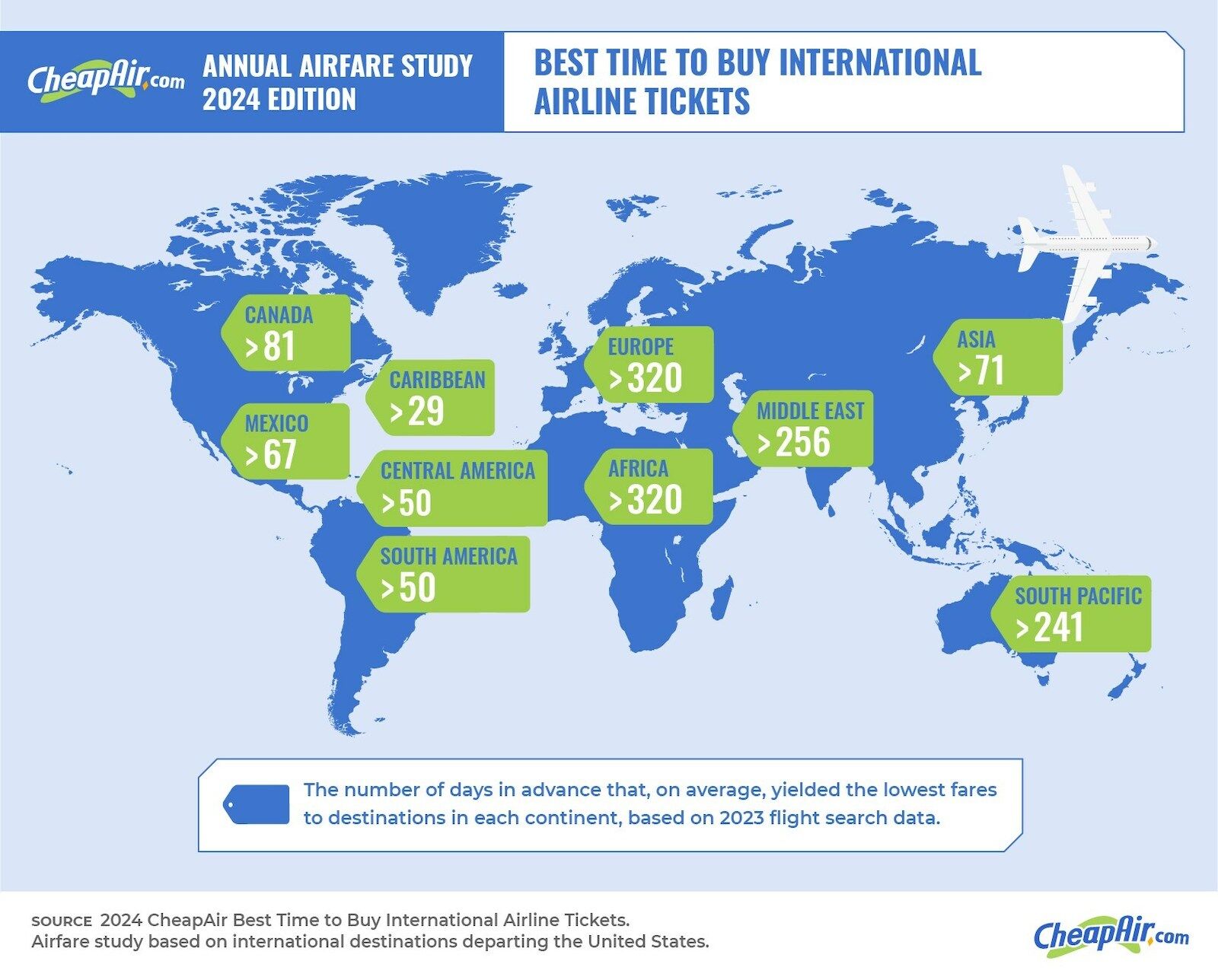
For most international long-haul flights, the generally accepted “sweet spot” for booking is somewhere between 2 to 8 months in advance of your departure date.
- 2-4 Months Out: This window is often cited as the prime time for many international routes. Airlines have generally finalized their schedules and are starting to release a good number of seats at competitive prices to gauge demand.
- 5-8 Months Out: For travel during peak seasons, major holidays, or to exceptionally popular destinations, booking further in advance (5-8 months) can be beneficial. This allows you to secure seats before demand fully ramps up and before the cheapest fare buckets are completely sold out. Waiting too long for these high-demand periods is almost guaranteed to result in significantly higher prices.
It’s important to note that this window is a guideline. Ultra-long-haul flights (e.g., across continents) might benefit from being booked closer to the 6-8 month mark, while shorter international hops (e.g., within Europe or North America) could see good deals within the 2-4 month timeframe.
Early Bird vs. Last-Minute Deals
The debate between booking extremely early and waiting for last-minute deals is perennial, and the financial wisdom often leans towards the former, especially for international travel.
- Early Booking Pays Off (Usually): For the vast majority of international routes, booking well in advance offers the best chance of securing a competitive fare. Airlines reward early commitment with lower prices, as it helps them predict demand and fill planes efficiently. As a flight fills up, the remaining seats are pushed into higher fare buckets.
- Last-Minute Gambles (High Risk): While the allure of a cheap last-minute deal persists, it’s a high-risk strategy for international flights. Airlines typically penalize late bookings, as these passengers are often business travelers or those with urgent, inflexible travel needs, who are less price-sensitive. Prices for international flights tend to surge dramatically in the final weeks and days before departure. The rare “last-minute deal” is usually for routes with unexpectedly low demand, which is difficult to predict and not something to rely on for crucial international travel. If you have extreme flexibility regarding destination and dates, you might occasionally luck out, but it’s not a sound financial strategy for most.
Avoiding Peak Booking Periods
Just as there are “sweet spots,” there are also periods to actively avoid booking if you want to save money. These are times when airlines know demand will be high, and prices are naturally inflated.
- Major Holidays: Booking flights for Christmas, New Year’s, Easter, Thanksgiving, or local national holidays usually means paying a premium. If your travel dates coincide with these, try to book at the absolute earliest end of the “sweet spot” (6-8 months out).
- Summer Break & School Holidays: Family travel surges during these times. If you must travel during these periods, again, book early. If you have the flexibility, consider traveling just before or after the official holiday period – even a few days can make a significant financial difference.
- Major Events: As mentioned, booking during periods of major international events in your destination city will almost certainly lead to higher prices. Plan well in advance or consider alternative dates.
By being mindful of these general booking timelines and avoiding peak booking pressures, travelers can strategically position themselves to achieve more favorable financial outcomes.

Strategic Approaches to Saving Money on Flights
Beyond the general timing windows, adopting specific strategies can further enhance your chances of finding and securing the best international flight deals. These tactics leverage market inefficiencies and technological tools to your financial advantage.
The Best Days and Times to Search and Book
While there’s no guaranteed “cheapest day,” some trends have emerged over time:
- Mid-Week Booking: Tuesdays and Wednesdays are often cited as potentially cheaper days to book. This theory suggests that airlines launch sales on Monday evenings, and by Tuesday, competitor airlines have adjusted their prices to match. By Wednesday, the market has settled, offering a window of competitive pricing. This is more of an anecdotal trend than a hard rule, but it’s worth checking.
- Off-Peak Departure Days: The actual flight dates matter more than the booking day. Tuesdays, Wednesdays, and Saturdays are often the cheapest days to fly internationally, as business travelers (who often fly Monday and Friday) are not typically traveling.
- Early Morning/Late Night Searches: Some suggest that flight search engines might display different prices at different times of the day, with quieter periods potentially offering marginal savings. This is less about the airline changing prices and more about the dynamic nature of search results and cache.
Utilizing Price Prediction Tools and Alerts
Technology has become a powerful ally in the quest for cheaper flights.
- Price Tracking Alerts: Most major flight search engines (Google Flights, Skyscanner, Kayak, Hopper) offer price alert features. You can set up alerts for specific routes and dates, and you’ll receive notifications when the price changes. This passive monitoring is an excellent financial tool, ensuring you don’t miss a sudden drop.
- Price Prediction Tools: Apps like Hopper claim to predict whether prices for a given flight will rise or fall, advising you to “buy now” or “wait.” While not foolproof, these algorithms analyze vast amounts of historical data to offer educated guesses, which can be a valuable guide in your decision-making process.
- “Explore” Features: If your destination is flexible, tools like Google Flights’ “Explore” map or Skyscanner’s “Everywhere” feature can show you the cheapest destinations from your departure city for a given period, opening up unexpected and budget-friendly options.
Flexibility is Your Financial Friend
The single most powerful tool a traveler has for saving money on flights is flexibility.
- Flexible Dates: If your travel dates are not set in stone, playing with different departure and return dates (even by a day or two) can reveal significant price differences. Many search engines have a “flexible dates” option or a calendar view that highlights cheaper days.
- Flexible Airports: Consider flying out of or into smaller, secondary airports near your main destination. These airports often have lower landing fees for airlines, which can translate to cheaper fares for passengers. Also, consider nearby major international airports; sometimes a cheap flight into one city, followed by a short train or budget airline connection, can be cheaper than flying directly to your primary destination.
- Flexible Layovers: Direct flights are convenient but often carry a premium. Flights with one or two layovers are typically cheaper. Weigh the time cost against the financial savings. Be mindful of very short layovers (risk of missing connections) and very long ones (time inconvenience).
The Power of Incognito Mode and VPNs (Debunking/Explaining)
There’s a persistent myth that airlines or booking sites track your searches and raise prices when you revisit a flight.
- Incognito Mode/Clearing Cookies: While there’s little concrete evidence that airlines directly hike prices based on your individual search history, clearing your browser’s cookies or using incognito/private browsing mode can sometimes help ensure you’re seeing the freshest, unbiased prices, free from any cached data that might show an older, higher price. It’s a low-effort step with no downside.
- VPNs: Some travelers use Virtual Private Networks (VPNs) to make it appear as if they are searching from a different country, hoping to access region-specific pricing. While this can occasionally work for very specific routes (e.g., if an airline offers a special local deal in a particular market), it’s not a reliable or widespread strategy for significant savings and can sometimes complicate booking if your payment method doesn’t match the perceived location. It’s generally not a primary financial lever for most international flight purchases.
These strategic approaches, combined with an understanding of market dynamics, equip you with a comprehensive financial toolkit for finding better international flight deals.
Beyond Timing: Maximizing Your Financial Return
While timing and strategy in booking are paramount, a holistic approach to maximizing your financial return on international flights extends beyond the initial purchase. It involves smart utilization of financial tools and a keen awareness of potential hidden costs.
Leveraging Credit Card Rewards and Miles
For the financially astute traveler, credit card rewards programs and airline loyalty schemes represent a powerful avenue for significant savings.
- Strategic Accumulation: Choose credit cards that offer generous sign-up bonuses for travel points or miles, particularly those aligned with airlines or travel aggregators you frequently use. Maximize everyday spending on cards that offer bonus points in categories like groceries, dining, or gas, which can then be redeemed for flights.
- Smart Redemption: Understand the redemption value of your points/miles. Sometimes, using them for specific flights (especially business or first class international travel) can yield a much higher per-point value than redeeming them for cash back or other merchandise. Look for “sweet spots” in airline award charts or transfer bonuses to partner airlines.
- Companion Passes and Elite Status: Certain credit cards offer companion passes that allow a travel partner to fly for free (or for a reduced fare) after meeting spending requirements, effectively halving the cost of two tickets. Achieving airline elite status (often through a combination of flying and co-branded credit card spending) can unlock benefits like free checked bags, priority boarding, and upgrade opportunities, all of which represent financial value.
- Travel Protections: Many premium travel credit cards offer built-in travel insurance, trip cancellation/interruption coverage, lost baggage protection, and even rental car insurance. Paying for your flight with such a card can negate the need to purchase separate travel insurance, providing direct financial savings and peace of mind.
Considering Budget Airlines and Layovers
When cost is a primary concern, being open to less conventional travel arrangements can yield substantial financial benefits.
- Budget Airlines: For shorter international routes, especially within regions like Europe or Southeast Asia, budget airlines (e.g., Ryanair, EasyJet, AirAsia) often offer significantly cheaper base fares. However, be acutely aware of their fee structures for baggage, seat selection, and in-flight amenities. Always calculate the total cost, including all potential fees, before assuming it’s the cheapest option.
- Strategic Layovers (Hidden City Ticketing/Skiplagging caution): As previously mentioned, flights with layovers are usually cheaper. Embrace this. Sometimes, a layover that isn’t directly on your path but strategically positioned to access a cheaper hub can save money. A word of caution regarding “hidden city ticketing” or “skiplagging”: while it involves booking a flight to a final destination beyond your actual desired stop (with the intention of getting off at the layover city), airlines strongly discourage this practice, and it can lead to complications like baggage issues or even account penalties. It’s generally not recommended for reliable, stress-free international travel.

The Hidden Costs: Baggage, Seat Selection, and In-Flight Amenities
The sticker price of a flight is rarely the final price you pay. Being aware of and budgeting for hidden costs is crucial for accurate financial planning.
- Baggage Fees: Many airlines, especially budget carriers but increasingly full-service airlines for economy fares, charge for checked bags and sometimes even for carry-on bags. Factor these costs into your initial comparison. Consider packing light or sharing luggage to minimize these fees.
- Seat Selection Fees: The days of free seat selection are fading. Many airlines charge a fee to choose your seat in advance, particularly for desirable seats like exit rows or those with extra legroom. If you don’t pay, you’ll be assigned a seat at check-in, which might be a middle seat or separated from your travel companions.
- In-Flight Amenities: On some international flights, amenities like meals, snacks, beverages, blankets, pillows, and even entertainment systems might incur additional charges. Check what’s included with your fare class and budget accordingly, or consider bringing your own snacks and entertainment.
- Airport Transfer Costs & Visa Fees: While not directly flight costs, remember to budget for transportation from the airport to your accommodation at your destination, and any necessary visa application fees, which can vary significantly by country and nationality.
By meticulously accounting for these “hidden” costs and strategically using financial tools like credit card rewards, you move beyond merely finding a cheap flight to truly optimizing the overall financial expenditure of your international travel, transforming a simple purchase into a savvy investment in your travel experiences.
In conclusion, the quest for the best time to buy international flights is less about discovering a single secret and more about cultivating a disciplined, informed financial approach. It involves understanding the complex algorithms that drive airfare, capitalizing on general booking windows, utilizing technology to track prices, and embracing flexibility in your travel plans. Furthermore, shrewd financial planning extends to leveraging credit card rewards and meticulously accounting for all potential ancillary costs. By adopting these strategies, you empower yourself to make intelligent purchasing decisions, ensuring that your journey across continents is not only memorable but also financially optimized, allowing you to allocate more of your budget to the enriching experiences awaiting you at your international destination.
aViewFromTheCave is a participant in the Amazon Services LLC Associates Program, an affiliate advertising program designed to provide a means for sites to earn advertising fees by advertising and linking to Amazon.com. Amazon, the Amazon logo, AmazonSupply, and the AmazonSupply logo are trademarks of Amazon.com, Inc. or its affiliates. As an Amazon Associate we earn affiliate commissions from qualifying purchases.