
In today’s digitally driven world, where bytes and algorithms often take precedence, it’s easy to overlook the fundamental building blocks of our physical well-being. Yet, the seemingly simple concept of a “high-fiber diet” holds profound implications, impacting everything from our digestive health and weight management to our energy levels and even our long-term disease prevention. While the term “fiber” is tossed around frequently, understanding its true essence, its diverse forms, and how to strategically incorporate it into your modern lifestyle can be a game-changer. This exploration dives deep into the world of dietary fiber, not just as a digestive aid, but as a crucial component of a holistic approach to health, resonating with the principles of intelligent living that underpin technology, brand building, and financial prudence.
The Unseen Powerhouse: Understanding the Pillars of a High-Fiber Diet
At its core, dietary fiber refers to the indigestible parts of plant-based foods that pass relatively intact through your digestive system. Unlike carbohydrates, proteins, and fats, which are broken down and absorbed for energy, fiber plays a unique and indispensable role. It’s not about caloric intake, but about functional benefits that ripple throughout your body.
Soluble vs. Insoluble Fiber: The Dynamic Duo
The most fundamental distinction within the fiber family lies between soluble and insoluble fiber. Both are essential, but they perform different, yet complementary, functions.
Soluble Fiber: The Gel-Forming Ally
Soluble fiber dissolves in water to form a gel-like substance. This characteristic is the key to many of its health benefits.
- Cholesterol Management: The gel formed by soluble fiber can bind to cholesterol in the digestive tract, preventing its absorption into the bloodstream. This is particularly beneficial for reducing LDL (“bad”) cholesterol levels, a significant factor in cardiovascular health. Think of it as a natural sponge, soaking up excess cholesterol before it can do harm.
- Blood Sugar Regulation: By slowing down the absorption of sugar from food into the bloodstream, soluble fiber helps to prevent sharp spikes and subsequent crashes in blood glucose levels. This is invaluable for individuals managing diabetes or seeking to maintain stable energy throughout the day, preventing the “energy slump” often associated with processed sugary snacks.
- Gut Microbiome Nourishment: Soluble fiber acts as a prebiotic, meaning it serves as food for beneficial bacteria in your gut. These microorganisms ferment soluble fiber, producing short-chain fatty acids (SCFAs) like butyrate, which are crucial for maintaining a healthy gut lining, reducing inflammation, and even influencing mood and cognitive function. This symbiotic relationship is a cornerstone of overall health.
- Satiety and Weight Management: The gel-forming nature of soluble fiber also contributes to a feeling of fullness, helping you feel satisfied for longer after meals. This can be a powerful tool for managing appetite, reducing cravings, and ultimately supporting weight management efforts by curbing overeating.
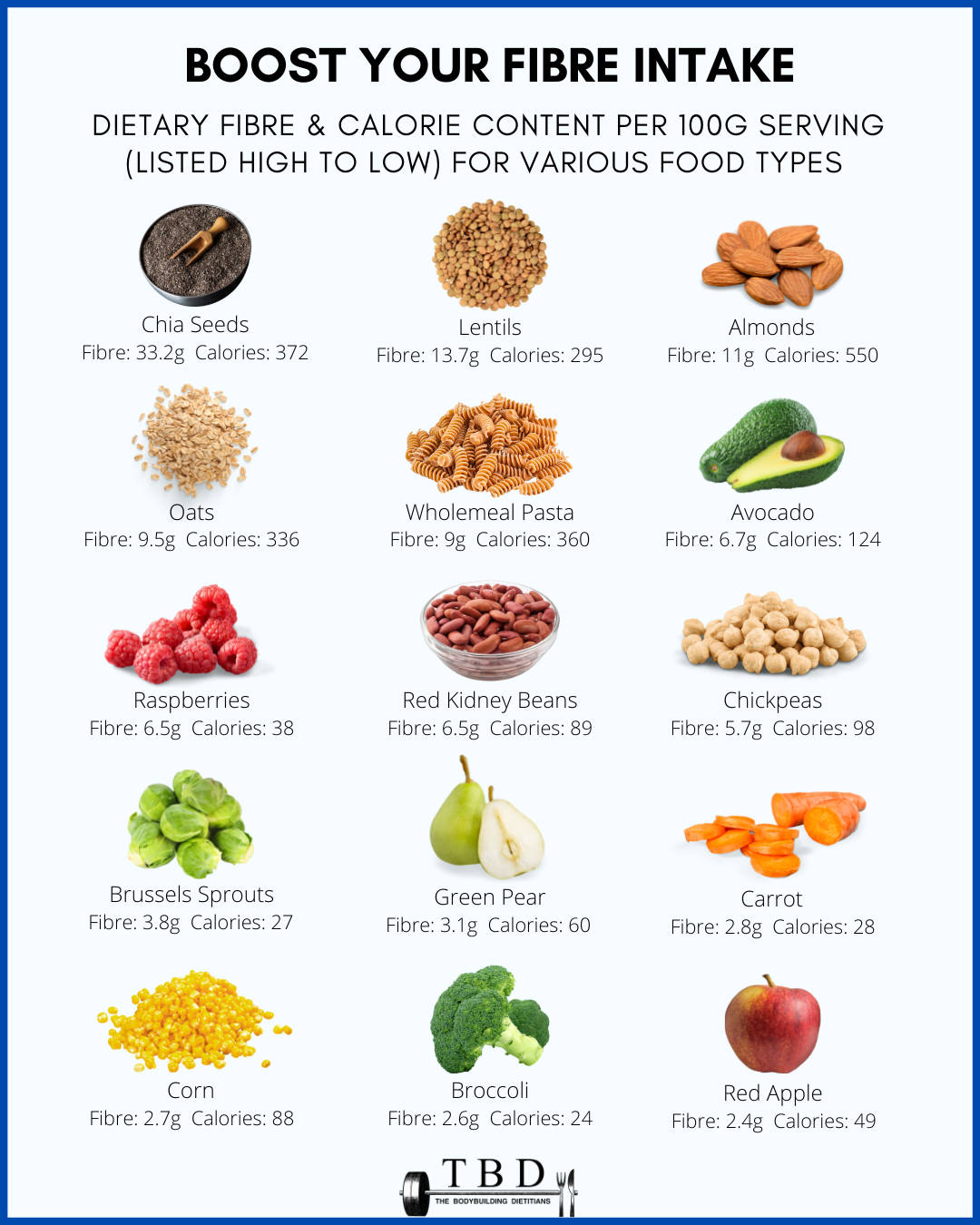
Examples of soluble fiber-rich foods include: Oats, barley, beans, lentils, apples, citrus fruits, psyllium, and certain vegetables like Brussels sprouts and carrots.
Insoluble Fiber: The Digestive Regulator
Insoluble fiber, as its name suggests, does not dissolve in water. Instead, it adds bulk to your stool and speeds up the passage of food and waste through your digestive system.
- Promoting Regularity: This is the most widely recognized benefit of insoluble fiber. By adding bulk and promoting peristalsis (the wave-like muscle contractions that move food through your intestines), it helps prevent constipation and promotes regular bowel movements. This is crucial for comfort and for the efficient elimination of waste products from the body.
- Preventing Diverticular Disease: A high-fiber diet, particularly rich in insoluble fiber, has been linked to a reduced risk of developing diverticular disease, a condition where small pouches form in the colon wall. By keeping the colon healthy and preventing excessive pressure, insoluble fiber plays a protective role.
- Supporting a Healthy Gut Environment: While not directly feeding gut bacteria like soluble fiber, insoluble fiber still plays a vital role in maintaining a healthy gut. Its bulking effect helps to create a more favorable environment for the overall health and function of the digestive tract.
Examples of insoluble fiber-rich foods include: Whole grains (wheat bran, brown rice, whole wheat bread), nuts, seeds, and the skins of fruits and vegetables.
The Synergy: Why Both are Crucial
It’s important to emphasize that most plant-based foods contain a mix of both soluble and insoluble fiber. The key to a truly high-fiber diet is to consume a wide variety of these foods to reap the benefits of both types. Focusing solely on one type would be a missed opportunity for optimal health.
Integrating High-Fiber Foods into Your Tech-Savvy Lifestyle
In our fast-paced, digitally connected lives, prioritizing nutrition might seem like a challenge. However, the principles of smart planning and strategic implementation, much like in the realms of technology, branding, and personal finance, can make a high-fiber diet not only achievable but also enjoyable and sustainable.

Smart Shopping and Preparation: The Foundational Code
Just as a well-designed app requires a solid backend, a high-fiber diet begins with smart choices in the grocery aisle and efficient preparation strategies.
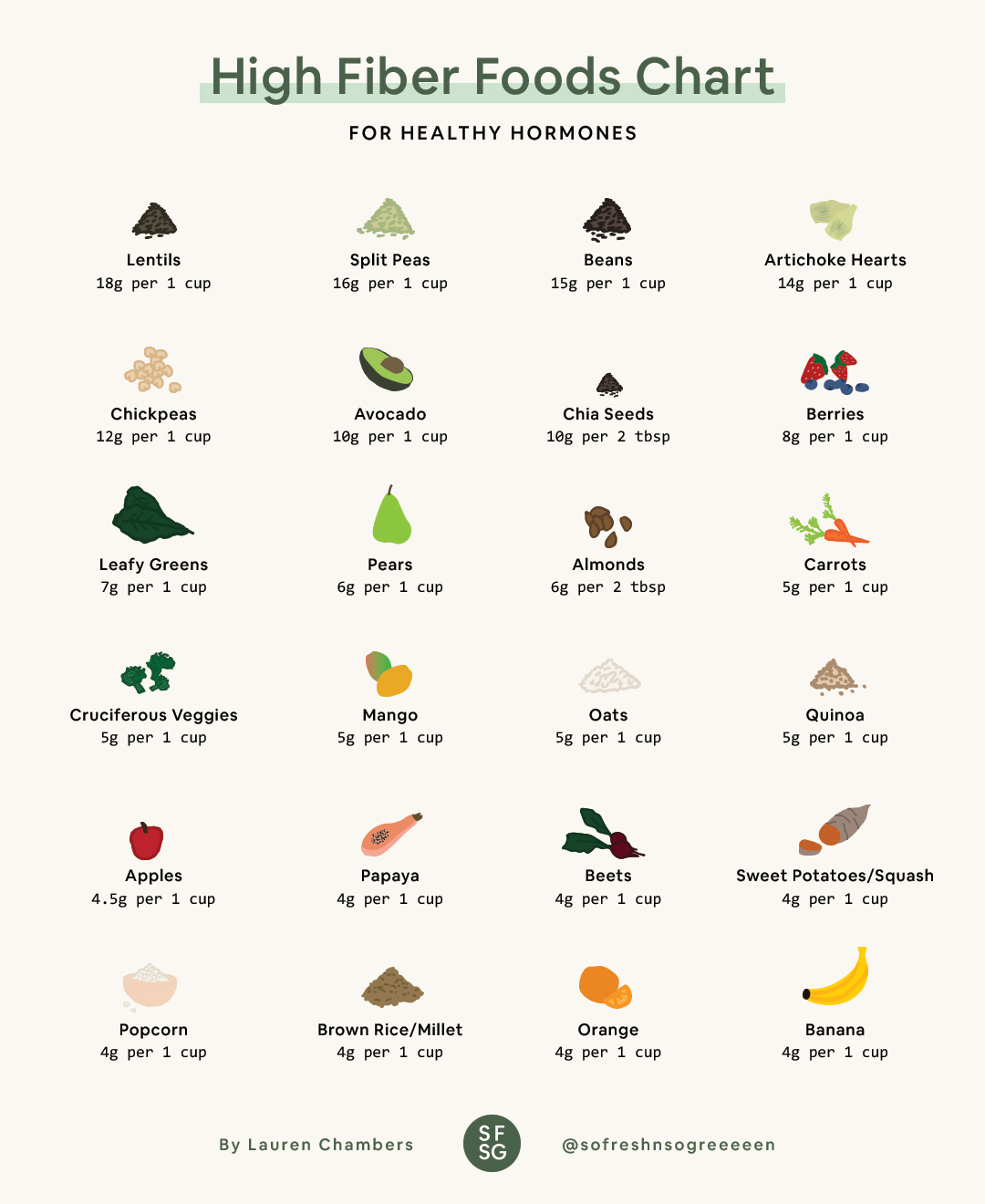
- Prioritize Whole Grains: Instead of reaching for refined white bread or pasta, opt for whole wheat varieties, brown rice, quinoa, oats, and barley. These are packed with insoluble fiber and offer a more sustained energy release. Many brands now offer clearly labeled “whole grain” options, making the choice simpler.
- Embrace Fruits and Vegetables – With Their Skins: Aim to incorporate a rainbow of fruits and vegetables into every meal. Whenever possible, consume them with their skins intact (after thorough washing, of course), as this is where a significant portion of the fiber resides. This includes apples, pears, potatoes, and cucumbers.
- Legumes: The Underrated Powerhouses: Beans, lentils, chickpeas, and peas are exceptionally high in both soluble and insoluble fiber. They are also incredibly versatile, affordable, and can be incorporated into soups, salads, stews, and even dips. Consider using pre-cooked or canned versions for convenience.
- Nuts and Seeds: Nutrient-Dense Snacks: A small handful of almonds, walnuts, chia seeds, flaxseeds, or pumpkin seeds can significantly boost your fiber intake. They also provide healthy fats and essential micronutrients. Keep a stash at your desk or in your bag for a quick, fiber-rich snack.
- Strategic Swaps for Instant Upgrades:
- Replace sugary cereals with oatmeal or whole-grain alternatives.
- Add a handful of berries or a sliced apple to your yogurt or breakfast bowl.
- Incorporate lentils or beans into your favorite pasta sauces or chili recipes.
- Snack on raw vegetables like carrots, celery, or bell peppers with hummus instead of processed chips.
- Swap white rice for brown rice or quinoa.
The Role of Technology in Optimizing Your Fiber Intake
While technology often presents distractions, it can also be a powerful ally in achieving your health goals, including a high-fiber diet.
- Nutritional Tracking Apps: Numerous apps allow you to log your food intake and provide detailed nutritional breakdowns, including fiber content. This can be an excellent way to gain awareness of your current intake and identify areas for improvement. Think of it as a data-driven approach to your diet, much like analyzing app performance or software efficiency.
- Smart Kitchen Gadgets: From high-powered blenders for making nutrient-rich smoothies packed with fruits and vegetables to programmable slow cookers for effortless bean stews, technology can simplify the preparation of fiber-rich meals.
- Online Resources and Recipe Platforms: The internet is a treasure trove of information. Websites and apps dedicated to healthy eating offer countless high-fiber recipes, meal plans, and tips for incorporating more fiber into your diet. This is akin to leveraging online tutorials and forums for mastering new software or technologies.
- Personalized Nutrition Platforms: As AI and machine learning advance, we’re seeing the emergence of personalized nutrition platforms that can analyze your individual needs and provide tailored dietary recommendations, including optimal fiber intake. This mirrors the trend of hyper-personalization in software and marketing.
Beyond Digestion: The Broader Impact of a High-Fiber Diet
The benefits of a high-fiber diet extend far beyond maintaining a healthy digestive system. They influence critical aspects of our well-being, mirroring the interconnectedness we see in successful brands and robust financial portfolios.
Weight Management and Satiety: The Smart Consumer’s Advantage
Fiber’s ability to promote satiety is a powerful tool for anyone looking to manage their weight. By helping you feel fuller for longer, it reduces the urge to overeat and snack on less healthy options. This aligns with the principles of smart financial planning, where disciplined spending and mindful consumption lead to greater long-term stability. A high-fiber diet is essentially a long-term investment in your health, yielding dividends in the form of sustained energy and a reduced risk of weight-related health issues.
Disease Prevention: A Proactive Brand Strategy
The long-term implications of a high-fiber diet are significant when it comes to disease prevention.
- Cardiovascular Health: As mentioned, soluble fiber’s role in cholesterol management directly contributes to a healthier heart. By reducing the risk of high cholesterol and its associated complications, a fiber-rich diet acts as a powerful preventive measure, akin to implementing robust cybersecurity protocols to protect digital assets.
- Type 2 Diabetes: The blood sugar-regulating effects of fiber are crucial in preventing and managing type 2 diabetes. By ensuring more stable glucose levels, it reduces the strain on the pancreas and mitigates the long-term damage associated with uncontrolled blood sugar. This is a proactive approach to health, much like building a strong brand reputation to withstand market fluctuations.
- Certain Cancers: Research suggests that a diet high in fiber, particularly from whole grains and legumes, may be associated with a reduced risk of certain types of cancer, most notably colorectal cancer. The exact mechanisms are still being studied, but it’s believed to involve improved gut health and the binding of potential carcinogens.
Gut Health and the Microbiome: The Foundation of a Robust System
The gut microbiome, the complex ecosystem of bacteria and other microorganisms residing in our digestive tract, is increasingly recognized as a central player in our overall health. Soluble fiber acts as a vital prebiotic, feeding the beneficial bacteria that produce SCFAs. These SCFAs have far-reaching effects, influencing everything from immune function and nutrient absorption to mood and even brain health. Nurturing this internal ecosystem is akin to investing in the foundational infrastructure of a successful business – a strong, resilient system that can adapt and thrive.
Beyond the Plate: Cultivating a High-Fiber Mindset
Adopting a high-fiber diet isn’t just about what you eat; it’s about cultivating a mindful approach to nutrition and understanding its intricate connection to your overall well-being. Just as a well-defined brand identity guides your outward communication, a conscious effort to incorporate fiber shapes your internal health landscape.
- Patience and Consistency: Like mastering new software or building a strong personal brand, seeing the full benefits of a high-fiber diet takes time and consistent effort. Don’t be discouraged if you don’t see immediate dramatic changes. Focus on making gradual, sustainable improvements.
- Listen to Your Body: As you increase your fiber intake, pay attention to how your body responds. Some individuals may experience gas or bloating initially. Gradually increasing fiber and ensuring adequate hydration can help mitigate these effects. This is akin to user feedback in product development – essential for refinement.
- Hydration is Key: Fiber absorbs water, so it’s crucial to drink plenty of fluids throughout the day to aid digestion and prevent constipation. Aim for at least 8 glasses of water daily.
In conclusion, a high-fiber diet is far more than a dietary recommendation; it’s a strategic investment in your health, echoing the principles of foresight, planning, and robust systems that define success in technology, branding, and finance. By understanding the diverse roles of soluble and insoluble fiber, and by strategically integrating them into your modern lifestyle, you unlock a powerful tool for enhanced digestion, sustained energy, effective weight management, and long-term disease prevention. It’s a simple yet profound way to build a healthier, more resilient you, one fiber-rich meal at a time.
aViewFromTheCave is a participant in the Amazon Services LLC Associates Program, an affiliate advertising program designed to provide a means for sites to earn advertising fees by advertising and linking to Amazon.com. Amazon, the Amazon logo, AmazonSupply, and the AmazonSupply logo are trademarks of Amazon.com, Inc. or its affiliates. As an Amazon Associate we earn affiliate commissions from qualifying purchases.