
For the modern investor, the question “when is the stock market open?” is far more than a simple inquiry about office hours. It is the fundamental starting point for any successful financial strategy. In the digital age, where news travels at the speed of light and trades are executed in milliseconds, understanding the rhythmic opening and closing of global exchanges is crucial for managing risk, capitalizing on volatility, and ensuring that your personal finance goals remain on track.
Navigating the schedules of the world’s financial hubs—from the bustling floor of the New York Stock Exchange to the electronic giants in Tokyo—requires an understanding of time zones, holiday schedules, and the specific mechanics of “extended hours” trading. This guide provides a deep dive into the timing of the financial markets, offering professional insights for those looking to master the art of market participation.
Understanding Standard Trading Hours: The Core of the Financial Day
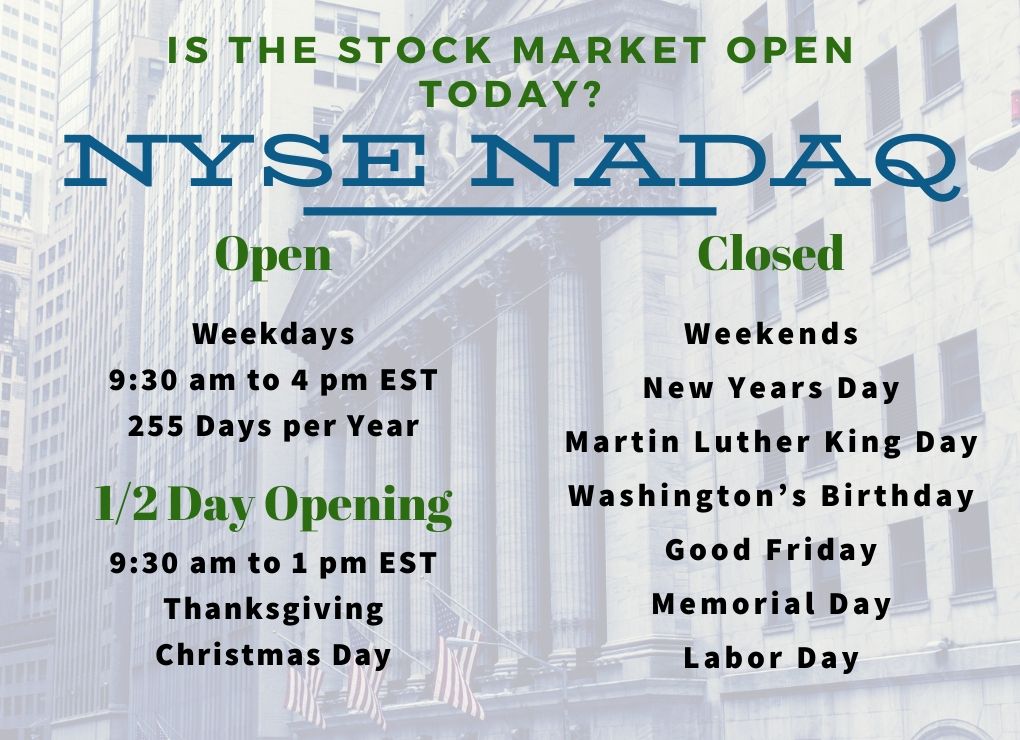
In the United States, the heartbeat of the financial world is centered in New York City. The two primary exchanges, the New York Stock Exchange (NYSE) and the NASDAQ, operate on a synchronized schedule that dictates the flow of trillions of dollars daily.
The New York Stock Exchange (NYSE) and NASDAQ
For the majority of retail and institutional investors, the standard trading day runs from 9:30 AM to 4:00 PM Eastern Time (ET), Monday through Friday. This 6.5-hour window is when the “lit” markets are at their most active. During these hours, liquidity is highest, meaning there are plenty of buyers and sellers, which results in tighter “bid-ask spreads” (the difference between the price someone wants to buy for and the price someone wants to sell for).
Why the 9:30 AM Open Matters
The “Opening Bell” is not just a ceremonial event; it represents a massive influx of data and orders. Overnight news, international market movements, and corporate earnings reports that were released after the previous day’s close all culminate in a flurry of activity at 9:30 AM. This first half-hour of trading is often characterized by high volatility, as the market “discovers” the correct price for stocks based on the new information available. For the disciplined investor, this period offers significant opportunities but requires a high degree of caution.
The “Closing Bell” Phenomenon
Equally important is the 4:00 PM ET close. The final minutes of the trading day, often called the “Market on Close” (MOC) period, see massive volume as institutional fund managers rebalance their portfolios and index funds adjust their holdings to match their benchmarks. This end-of-day liquidity is vital for those looking to execute large trades without significantly moving the price of a stock.
Beyond the Bell: Pre-Market and After-Hours Trading
While the standard hours are the most active, the stock market doesn’t truly “sleep.” The rise of Electronic Communication Networks (ECNs) has allowed for extended hours trading, enabling investors to react to news that breaks outside of the 9:30 AM to 4:00 PM window.
How Extended Hours Trading Works
Most major brokerages now offer access to pre-market and after-hours sessions.
- Pre-Market: Typically runs from 4:00 AM to 9:30 AM ET.
- After-Hours: Typically runs from 4:00 PM to 8:00 PM ET.
These sessions allow investors to trade directly with one another through computerized systems. If a company releases a blockbuster earnings report at 4:05 PM, the stock price will begin moving immediately in the after-hours session, long before the next day’s opening bell.
Risks and Rewards of Late-Night Trading
Trading outside of standard hours is a “double-edged sword.” The primary advantage is the ability to act quickly on news. However, the risks are substantial. Because there are fewer participants, liquidity is much lower. This can lead to “slippage,” where you end up buying a stock for much more (or selling for much less) than you intended because there wasn’t a large pool of orders to absorb your trade.
Liquidity and Volatility Outside Standard Hours
In the extended sessions, price swings are often exaggerated. A stock might jump 10% after-hours on low volume, only to see that gain evaporate at 9:30 AM when the broader market participants weigh in. Professional traders often use these hours for “price discovery,” but retail investors focused on long-term personal finance goals should generally exercise restraint during these periods.
The Global Perspective: Navigating International Market Schedules
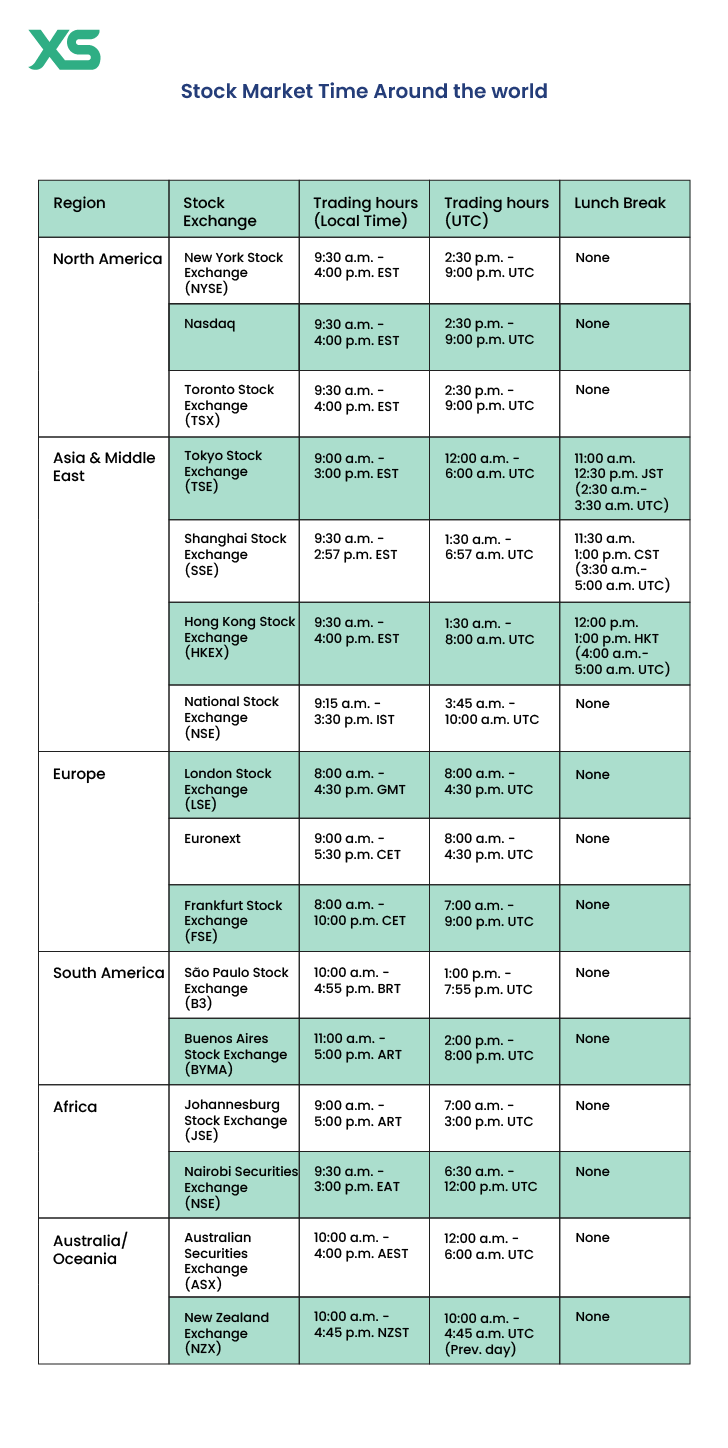
The sun never truly sets on the global financial system. For an investor with a diversified portfolio, “market hours” are a 24-hour cycle. Understanding when international markets open and close is essential for tracking global economic health and managing international equities.
European Markets: The London and Frankfurt Sync
The European markets are the first major bridge between the Asian and American sessions. The London Stock Exchange (LSE), one of the world’s oldest and most influential, operates from 8:00 AM to 4:30 PM Greenwich Mean Time (GMT).
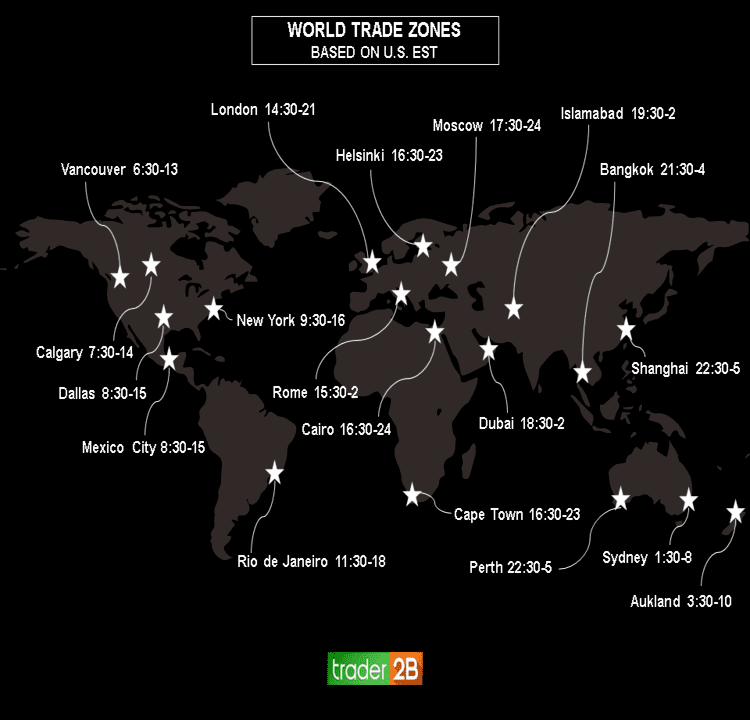
A critical period for global investors is the “overlap” between 9:30 AM and 11:30 AM ET, when both the New York and London markets are open simultaneously. This two-hour window often represents the highest daily trading volume globally, as traders in the two largest financial centers are active at the same time.
The Asian Powerhouses: Tokyo, Hong Kong, and Shanghai
The trading day begins in the East. The Tokyo Stock Exchange (TSE) typically operates from 9:00 AM to 3:00 PM local time, with a lunch break from 11:30 AM to 12:30 PM. The Hong Kong and Shanghai exchanges follow similar schedules. For a U.S.-based investor, the Asian markets open on Sunday evening (ET), providing the first clues as to how the week’s trading might begin. If Asian markets tumble overnight, it often sets a bearish tone for the European and American sessions that follow.
Managing Time Zone Differences for the Modern Investor
Investing internationally requires a keen eye on the clock. While many international companies have American Depositary Receipts (ADRs) that trade on U.S. exchanges during U.S. hours, the underlying value of those shares is often determined by the activity in their home markets. Professional investors use time zone converters and global market dashboards to stay ahead of the curve.
Market Holidays and Early Closures: Planning Your Trading Calendar
The stock market does not follow the standard 365-day calendar. It observes specific federal holidays, and occasionally, it closes early for “half-day” sessions. Being aware of these closures is vital for managing liquidity and avoiding the frustration of trying to execute a trade on a closed exchange.
Major U.S. Federal Holidays
The NYSE and NASDAQ are closed on the following major holidays:
- New Year’s Day
- Martin Luther King Jr. Day
- Presidents’ Day
- Good Friday
- Memorial Day
- Juneteenth National Independence Day
- Independence Day (July 4th)
- Labor Day
- Thanksgiving Day
- Christmas Day
The “Half-Day” Tradition
There are specific days when the market closes early at 1:00 PM ET. This typically occurs on the Friday after Thanksgiving (Black Friday) and sometimes on Christmas Eve, depending on which day of the week the holiday falls. Trading volume on these days is notoriously thin, and many institutional traders take the day off, leading to quiet, often drifting markets.
Why Trading Volume Dips During the Holidays
In the days leading up to major holidays, many professional money managers “square their books,” meaning they close out risky positions to ensure they don’t have to monitor them while they are away. This results in lower volume and decreased volatility. However, this lack of volume can also mean that a single large trade can have a disproportionate impact on market prices—a phenomenon known as “holiday volatility.”
Strategic Timing: When is the Best Time to Trade?
Knowing when the market is open is the first step; knowing when to trade is where the real skill lies. Different times of the day offer different environments suited to various investment styles.
The “Golden Hour” of Volatility
The first hour of trading (9:30 AM – 10:30 AM ET) and the last hour (3:00 PM – 4:00 PM ET) are often considered the best times for active traders. The opening hour is fueled by overnight news and retail sentiment, while the closing hour is driven by institutional flow and the execution of “smart money” strategies. If you are looking for price movement and opportunity, these are the windows to watch.
Mid-Day Lulls and Institutional Positioning
Between 12:00 PM and 2:00 PM ET, the market often enters what is known as the “lunchtime lull.” Volume drops as traders take breaks and wait for afternoon catalysts. Prices may stay stagnant or “chop” sideways without a clear direction. For many long-term investors, this is actually an excellent time to place non-urgent trades, as the lack of volatility can make for a calmer execution environment.
Integrating Market Hours into Your Personal Finance Routine
For the average person managing a 401(k) or a brokerage account, you don’t need to be glued to the screen for 6.5 hours a day. However, a “Money-First” approach suggests that you should avoid placing market orders (orders to buy or sell immediately at the best available price) during the first five minutes of the market open or the last five minutes of the close. By waiting for the initial “noise” to settle, you often get a much clearer picture of a stock’s true value.
In conclusion, the stock market’s schedule is the skeleton upon which the entire financial system is built. Whether you are a day trader looking for the volatility of the opening bell or a long-term saver checking your portfolio once a month, understanding these hours allows you to navigate the world of finance with confidence. By respecting the clock, you respect your capital, ensuring that you are trading when the odds are most in your favor.
aViewFromTheCave is a participant in the Amazon Services LLC Associates Program, an affiliate advertising program designed to provide a means for sites to earn advertising fees by advertising and linking to Amazon.com. Amazon, the Amazon logo, AmazonSupply, and the AmazonSupply logo are trademarks of Amazon.com, Inc. or its affiliates. As an Amazon Associate we earn affiliate commissions from qualifying purchases.