
For the past several years, the global financial landscape has been dominated by a singular, persistent theme: the aggressive rise of interest rates. After a decade of historically low borrowing costs, central banks across the world—led by the Federal Reserve in the United States—shifted gears to combat the highest inflation rates seen in forty years. As we move further into this economic cycle, the question on every investor’s, homeowner’s, and business owner’s mind is no longer “How high will they go?” but rather “When are interest rates going down?”
Understanding the timing of a rate cut requires a deep dive into the complex machinery of monetary policy, labor market dynamics, and the persistent “last mile” of inflation control. While the peak of the hiking cycle appears to be behind us, the transition to a lower-rate environment is proving to be a cautious, data-dependent journey.
The Mechanics of Interest Rates: Why They Rose and Why They Stay
To predict when interest rates will decline, one must first understand the “Dual Mandate” that governs most central banks: maintaining price stability and promoting maximum sustainable employment. In the wake of the pandemic, supply chain disruptions and massive fiscal stimulus led to an overheating economy. When inflation soared well above the traditional 2% target, central banks utilized their primary tool—the federal funds rate (or its international equivalent)—to cool demand.
The Correlation Between Inflation and Rate Hikes
The primary driver for high interest rates is the Consumer Price Index (CPI). When the cost of goods and services rises too quickly, the central bank increases borrowing costs to discourage spending and investment. This slowdown in economic activity eventually forces prices to stabilize. We are currently in a phase where inflation has significantly cooled from its 9% peaks but remains “sticky” in certain sectors, such as housing and services. Until central banks see definitive, long-term evidence that inflation is trending sustainably toward 2%, they are unlikely to risk a premature rate cut that could reignite price growth.
The Concept of the “Neutral Rate”
Economists often discuss the “R-star” or the neutral rate of interest—the rate at which monetary policy is neither stimulative nor restrictive. For years, this rate was thought to be very low. However, structural changes in the global economy, including aging populations and shifting trade patterns, may have pushed the neutral rate higher. This means that even when rates do eventually go down, they may not return to the near-zero levels seen in the 2010s. The “new normal” might be a higher floor than many market participants are currently expecting.
Current Indicators: What the Federal Reserve and Markets are Watching
Central banks have repeatedly stated that they are “data-dependent.” This means they are not following a pre-set calendar but are reacting to real-time economic signals. There are three primary pillars of data that will determine the timing of the first rate cut.
The Persistence of Service-Sector Inflation
While the prices of physical goods (like used cars and electronics) have stabilized or even fallen, service-sector inflation remains a challenge. This includes everything from healthcare and insurance to dining out and travel. Because services are labor-intensive, their prices are closely tied to wage growth. As long as wages are rising at a pace that exceeds productivity gains, central banks worry that a “wage-price spiral” could keep inflation higher than desired, delaying any potential cuts.
Labor Market Resilience
Historically, high interest rates lead to higher unemployment. Surprisingly, the modern labor market has remained remarkably resilient despite the most aggressive tightening cycle in decades. While a strong job market is generally positive, for the Federal Reserve, it represents a source of continued consumer spending power. If the labor market begins to show signs of significant cracking—such as a sharp rise in the unemployment rate or a collapse in job openings—central banks will be forced to cut rates more quickly to prevent a deep recession.
GDP Growth and the Risk of a “Hard Landing”
The ultimate goal of the current policy is a “soft landing”: bringing inflation down without triggering a recession. If Gross Domestic Product (GDP) growth remains robust, there is little incentive for central banks to rush into rate cuts. However, the lag effect of monetary policy is a major concern. It often takes 12 to 18 months for a rate hike to fully permeate the economy. Policymakers are constantly balancing the risk of keeping rates high for too long (causing a recession) versus cutting too early (allowing inflation to return).
Global Economic Outlook: Expert Predictions for 2024 and 2025
While no one possesses a crystal ball, the consensus among institutional economists and market analysts provides a roadmap for what to expect. The timeline for rate cuts is currently a moving target, often shifting based on monthly jobs reports and inflation printouts.
The Timeline for Initial Rate Cuts
As of mid-2024, most market forecasts suggest that the easing cycle will begin in the latter half of the year or the beginning of 2025. The shift from “hiking” to “holding” has already occurred. The next phase is “normalization.” Most experts anticipate that once the cuts begin, they will be gradual—perhaps 25 basis points at a time—rather than the rapid 50 or 75 basis point jumps we saw on the way up. The objective will be to slowly remove the “restrictive” nature of the rates rather than to provide emergency stimulus.
Divergence Between Global Economies
It is important to note that not all countries will move at the same pace. The European Central Bank (ECB) and the Bank of England face different inflationary pressures than the U.S. Federal Reserve. For instance, Europe has dealt with more significant energy price volatility due to regional conflicts, while the U.S. has seen stronger domestic consumer demand. We may see a “divergent” policy environment where some central banks cut rates earlier than the Fed to support flagging growth, which in turn affects currency exchange rates and international trade.
The Financial Impact: How to Position Your Portfolio
The transition to a lower-rate environment has profound implications for personal finance and investment strategy. When interest rates go down, the “math” of the financial world changes, altering the attractiveness of different asset classes.
Fixed-Income Investments and Bond Yields
There is an inverse relationship between interest rates and bond prices. When rates fall, existing bonds with higher coupons become more valuable, driving their prices up. For investors holding long-term Treasuries or corporate bonds, a decline in rates can result in significant capital appreciation. However, for those relying on the yield from new purchases, the “income” portion of fixed income will become less lucrative. Locking in higher yields now, before the easing cycle begins, is a strategy many savvy investors are currently employing.
Real Estate and the Mortgage Market
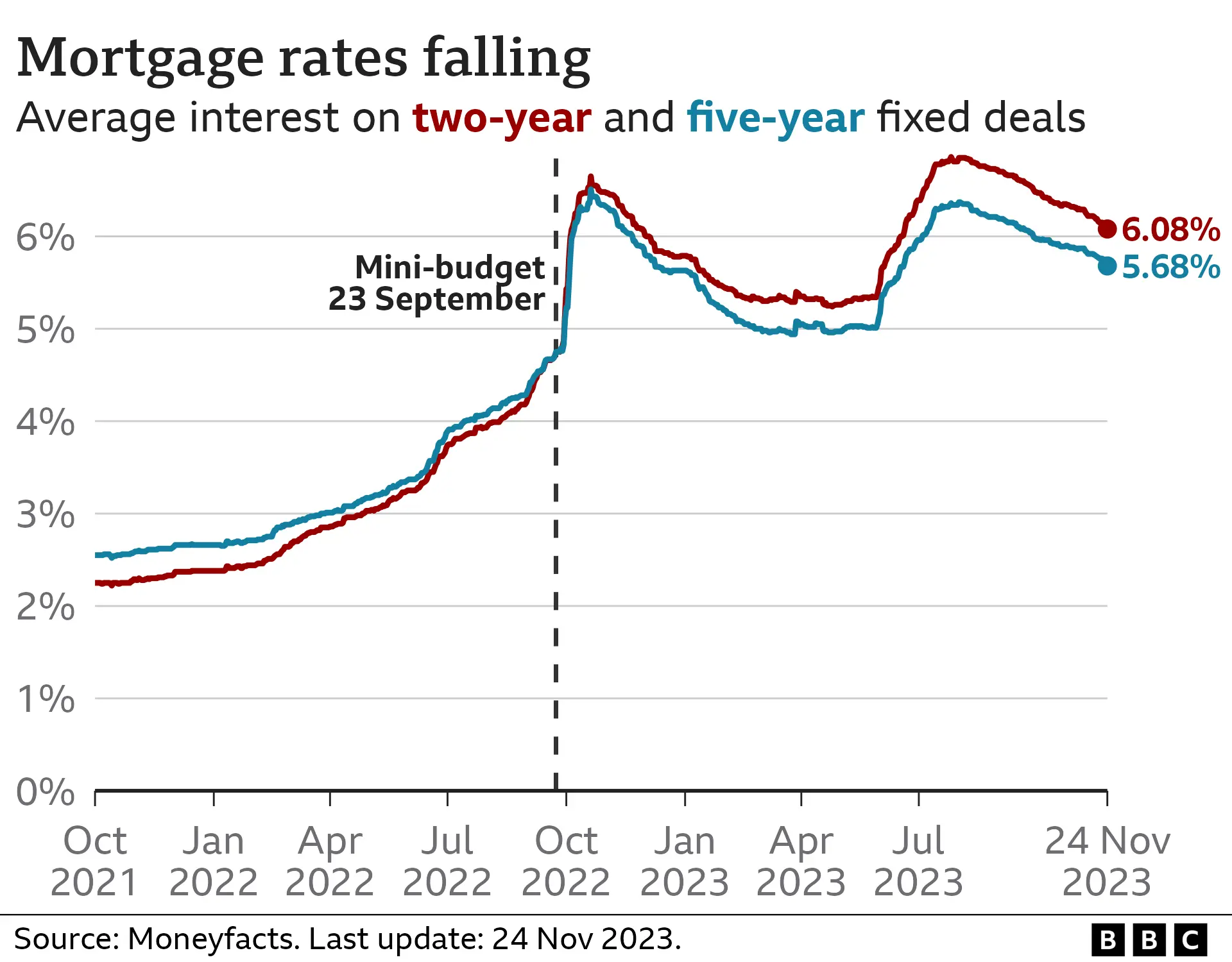
The housing market has been one of the sectors most stifled by high rates. With mortgage rates doubling or tripling in a short window, many potential buyers were priced out, and sellers were “locked in” to their current low-rate mortgages. A downward trend in interest rates will likely trigger a surge in housing activity. However, there is a catch: lower rates increase buyer demand, which can push home prices even higher if inventory remains low. For those looking to refinance, the timing of the first few rate cuts will be a critical window for reducing monthly housing costs.
The Impact on Growth Stocks and Equity Markets
Generally, lower interest rates are a “tailwind” for the stock market, particularly for growth and technology companies. These firms often rely on future earnings, which are worth more today when the discount rate (interest rate) is lower. Furthermore, lower borrowing costs reduce the interest expense on corporate debt, directly boosting bottom-line profitability. Investors often rotate out of “safe” cash equivalents and back into equities when the yields on savings accounts begin to dwindle.
Navigating a “Higher for Longer” Environment
Even as we look toward eventual rate cuts, the mantra of the current era remains “higher for longer.” This means that even if rates start to decline, they are unlikely to return to the ultra-low levels of the 2010s. Managing finances in this environment requires a shift in mindset from the previous decade.
The Role of Cash and High-Yield Savings
For the first time in years, “cash is not trash.” High-yield savings accounts, Certificates of Deposit (CDs), and Money Market Funds are currently offering returns that actually beat inflation. While these rates will eventually drop when the central bank pivots, they remain a vital tool for capital preservation and short-term liquidity. Investors should consider “laddering” CDs to lock in today’s rates for varying durations, ensuring a steady stream of income even if the broader market rates begin to slide.
Debt Management Strategies
For individuals and businesses with floating-rate debt, the “when” of interest rate cuts is a matter of survival. The cost of credit card debt, HELOCs, and adjustable-rate mortgages remains at multi-decade highs. The best strategy in the current environment is to prioritize the repayment of high-interest debt or to consolidate into fixed-rate loans before any potential economic volatility occurs. Waiting for rates to go down to manage debt can be a risky gamble, as the timeline for a meaningful decrease in consumer credit rates often lags behind the central bank’s actions.

Diversification in a Changing Landscape
The most important takeaway for any financial participant is the necessity of diversification. The timing of interest rate movements is notoriously difficult to predict, and market “surprises” are common. A portfolio that is balanced across equities, fixed income, real estate, and cash is best positioned to weather the uncertainty. By understanding that the journey toward lower rates will be a slow and measured process, investors can avoid the pitfalls of trying to “time the market” and instead focus on long-term wealth accumulation and risk management.
aViewFromTheCave is a participant in the Amazon Services LLC Associates Program, an affiliate advertising program designed to provide a means for sites to earn advertising fees by advertising and linking to Amazon.com. Amazon, the Amazon logo, AmazonSupply, and the AmazonSupply logo are trademarks of Amazon.com, Inc. or its affiliates. As an Amazon Associate we earn affiliate commissions from qualifying purchases.