
Navigating the volatile world of airline ticket pricing can often feel like a high-stakes game of chance. For many, securing a great deal on flights is the cornerstone of a successful travel budget, a critical component of smart personal finance. Understanding the optimal timing to purchase airline tickets isn’t just about luck; it’s about discerning the intricate financial strategies employed by airlines, leveraging data, and making informed decisions that significantly impact your wallet. In an era where travel aspirations often meet budgetary realities, mastering the art of timing your flight purchase can unlock substantial savings, making your dream trip a more affordable reality. This article delves into the financial dynamics of airline pricing, offering insights and actionable strategies to help you identify the “goldilocks zone” for your next flight booking.

Decoding Airline Pricing Dynamics: The Financial Undercurrents
At its core, airline ticket pricing is a sophisticated exercise in yield management, a critical financial strategy designed to maximize revenue. Airlines operate with perishable inventory – an empty seat on a flight is revenue permanently lost. This fundamental principle drives a complex, dynamic pricing model that responds to a myriad of factors, constantly shifting prices to fill seats at the most profitable rates.
The Algorithm Behind the Fluctuations
Airlines employ highly advanced algorithms that analyze vast datasets in real-time. These algorithms consider everything from historical booking patterns, competitor pricing, fuel costs, and route popularity to weather forecasts, local events, and even your browsing history (though the latter is debated). The goal is to predict demand and adjust prices accordingly. Early bookings might be cheaper to secure a base load, but as a flight fills up, prices will typically rise, reflecting scarcity. Conversely, if a flight is underselling, prices might drop closer to departure to avoid empty seats, though this is a less common and riskier strategy for consumers. Understanding that these algorithms are designed to optimize airline profit, not necessarily consumer savings, is the first step in outsmarting them.
Supply, Demand, and Seasonality: The Economic Pillars
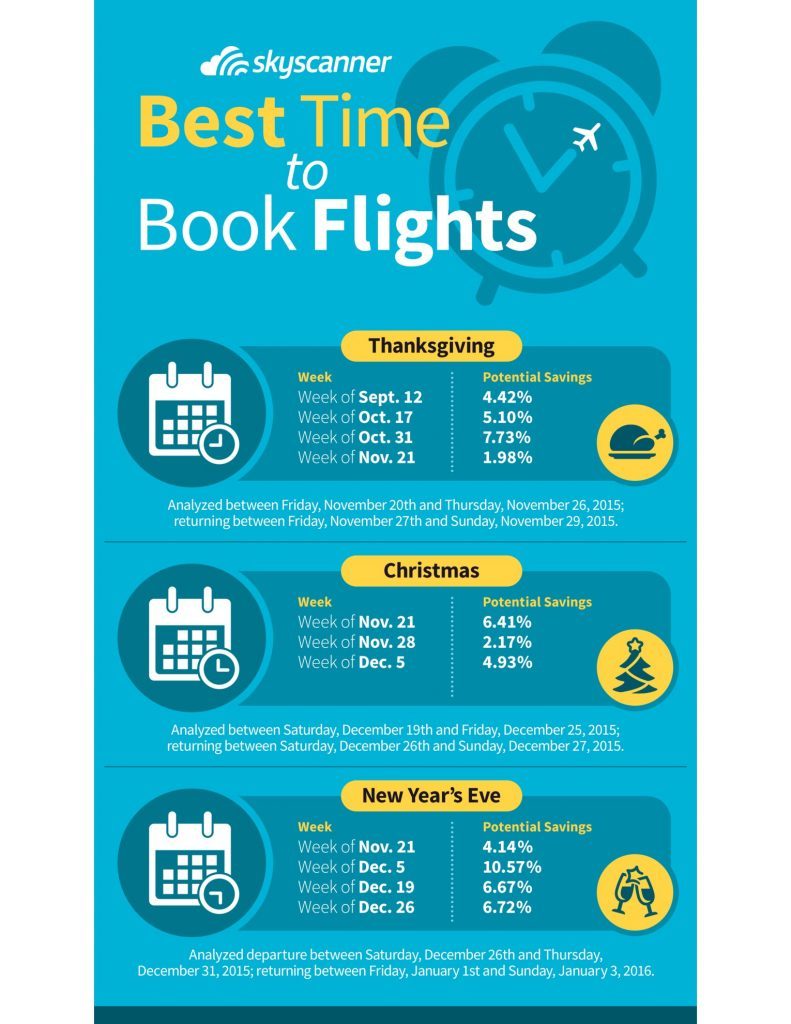
The fundamental economic principles of supply and demand play a monumental role in ticket pricing. High demand routes, especially during peak travel periods like holidays (Christmas, Thanksgiving), school breaks (Spring Break, summer holidays), or major sporting and cultural events, invariably command higher prices. Conversely, off-peak seasons, mid-week travel, or early morning/late night flights often present more economical options due to lower demand.
Seasonality isn’t just about holidays; it also encompasses regional specificities. Flying to a ski resort is more expensive in winter, while coastal destinations peak in summer. Wise financial planning for travel necessitates a keen awareness of these seasonal demand fluctuations and, whenever possible, the flexibility to travel during shoulder seasons or off-peak times. This strategic alignment with lower demand periods is one of the most effective ways to reduce your flight expenditures.
The “Goldilocks Zone”: Pinpointing the Optimal Booking Window
While there’s no single magic number, extensive data analysis reveals optimal booking windows that tend to offer the best balance between price and availability. This “goldilocks zone” is when prices are neither prohibitively high (too early) nor exorbitantly expensive (too late), but just right.
Domestic Flights: The 1 to 3 Month Sweet Spot
For domestic travel within your country, the general consensus among financial experts and travel analysts is that the sweet spot for booking is typically between one and three months prior to your departure date.
- Too Early (4+ months out): Airlines often start with higher prices when flights are first loaded into the system, gauging initial demand. They expect to adjust these downwards as the departure date approaches, provided demand isn’t overwhelmingly strong. Booking too early might mean missing out on these subsequent price drops.
- Just Right (1-3 months out): During this window, airlines have a clearer picture of demand and competitor pricing, and they often release sales or adjust fares to fill remaining seats. This is when prices tend to stabilize and offer good value before the final price hikes.
- Too Late (Less than 1 month out): As the departure date nears, especially in the final weeks, prices tend to spike dramatically. Airlines assume that last-minute travelers are often business travelers or those with urgent needs, who are less price-sensitive and willing to pay a premium. This financial gamble almost always backfires for budget-conscious leisure travelers.
International Flights: Plan Further Ahead, 3 to 6 Months Out
International travel involves more variables, longer routes, and often higher fares, necessitating a longer planning horizon to secure the best prices.
- The Optimal Window: For international journeys, aiming to book between three and six months in advance is generally recommended. This allows you to capitalize on early bird fares before demand solidifies and provides ample time to compare options across different airlines and routes.
- Complexities: Factors like visa requirements, specific international events, and varying peak seasons across continents can further complicate pricing. Booking well in advance allows for financial flexibility if you need to adjust dates or destinations based on evolving price trends.
These windows are general guidelines, and exceptions always exist. Flexibility in your travel dates and destinations remains the most powerful tool in finding cheaper fares, even outside these windows.
Strategic Timing Beyond the Booking Window: Day of the Week & Seasonality
Optimizing your flight purchase isn’t solely about how many months in advance you book; it also involves understanding the impact of the day you purchase your ticket and the actual day you choose to fly.
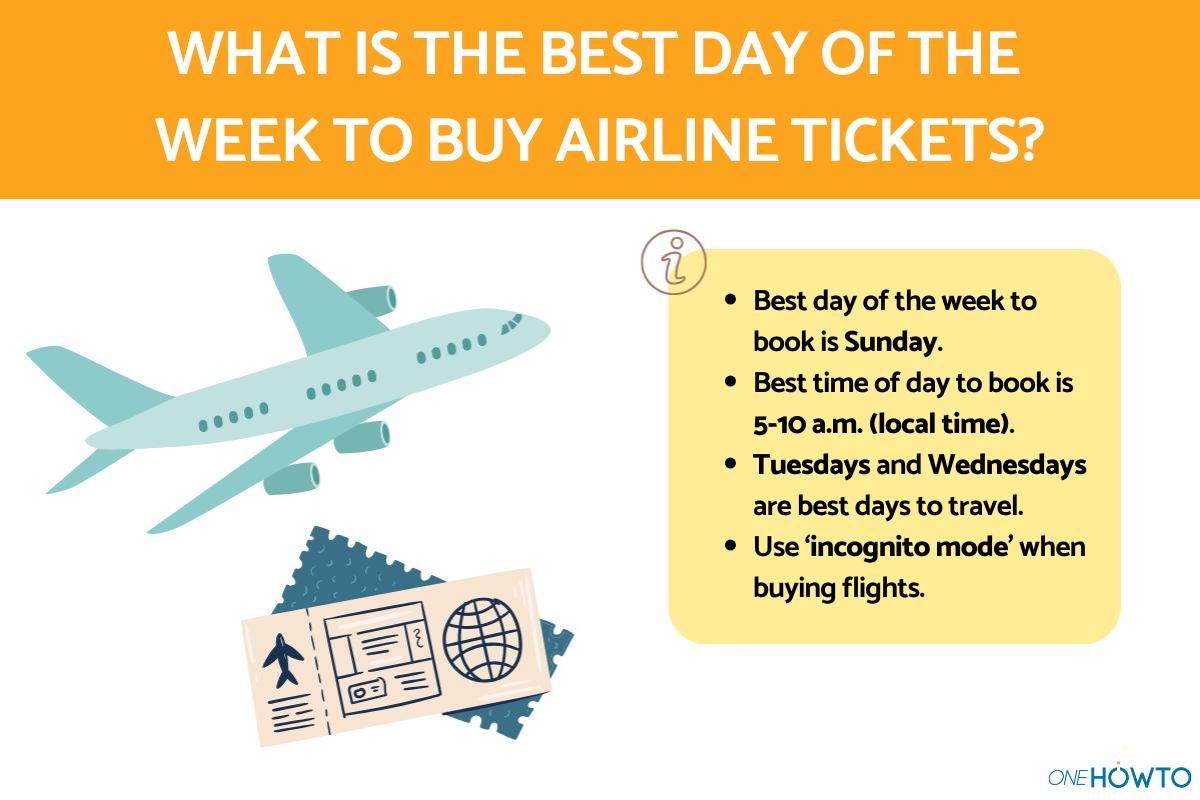
Best Days to Book: Debunking Myths vs. Data-Driven Decisions
For years, Tuesday has been heralded as the magical day to buy flights. The rationale was that airlines would launch sales on Monday evenings, and by Tuesday morning, competitors would match those prices, leading to a temporary dip. While this might have held some truth in the past, modern dynamic pricing algorithms make this less reliable. Prices can change multiple times a day, every day.
However, recent studies often suggest that mid-week (Tuesday to Thursday) can still offer slight advantages, though less dramatic than historical claims. The real impact comes from when airlines load new fare sales, which can happen at any time. Instead of fixating on a specific day of the week to buy, a more financially prudent strategy is to track prices diligently over a period and act when you see a favorable price, regardless of the day.
Best Days to Fly: Leveraging Off-Peak Travel
This is where significant savings can still be found. The day you actually fly has a much more pronounced impact on ticket prices than the day you book.
- Mid-week Travel: Flying on Tuesdays, Wednesdays, and Saturdays (for domestic) often results in cheaper fares. Most business travelers prefer Monday/Friday, and leisure travelers often start trips on Friday/Saturday and return Sunday. Avoiding these peak travel days can yield substantial savings.
- Off-Peak Hours: Early morning flights (before 8 AM) or late-night flights (after 8 PM) are frequently less expensive due to lower demand. While less convenient, the financial benefit can be considerable.
- Seasonality Revisited: Beyond specific dates, avoiding major holidays and school breaks altogether is perhaps the single most effective way to save money on flights. If your travel plans are flexible, shifting your trip by a week or two to avoid peak periods can slash hundreds off your ticket price.
Leveraging Financial Tools and Strategies for Smarter Spending
In the digital age, a plethora of tools and strategic approaches exist to empower consumers in their quest for cheaper flights, turning the booking process into a savvy financial endeavor.
Price Tracking and Alerts: Your Personal Financial Watchdog
One of the most valuable financial tools for flight booking is a price tracking service. Websites and apps like Google Flights, Kayak, Skyscanner, and Hopper allow you to set up alerts for specific routes and dates. These tools monitor price fluctuations in real-time and notify you via email or push notification when the fare drops to a desirable level or changes significantly. This passive monitoring eliminates the need for constant manual checking and ensures you can act quickly when a good deal emerges, preventing you from overpaying. It’s like having a personal financial assistant dedicated to finding you the best flight price.
Flexible Dates and Destinations: The Ultimate Money Saver
The less rigid your travel plans, the more financial leverage you have. If you can be flexible with your departure and return dates, even by a day or two, you might uncover significantly cheaper fares. Many flight search engines offer “flexible date” options, showing you a calendar view of prices across an entire month.
Even greater savings can be achieved by being flexible with your destination. Instead of deciding on a specific city, consider searching for “flights to anywhere” within a certain region or continent during your desired travel dates. Tools like Google Flights’ “Explore” feature or Skyscanner’s “Everywhere” option can reveal surprisingly affordable destinations you hadn’t considered, opening up new travel possibilities while respecting your budget. This kind of financial adaptability is a hallmark of a smart saver.
Credit Card Rewards and Miles: Maximizing Your Financial Perks
Savvy travelers often integrate their flight purchases into a broader personal finance strategy that includes credit card rewards. Many travel-focused credit cards offer lucrative sign-up bonuses in points or miles, along with ongoing rewards for travel spending. Redeeming these points or miles for flights can significantly reduce or even eliminate out-of-pocket costs, essentially turning your everyday spending into free travel. It’s crucial, however, to use these cards responsibly, paying off balances in full to avoid interest charges that would negate any travel benefits. Strategically accumulating and redeeming these financial perks can be a game-changer for your travel budget.
Understanding the Full Cost: Beyond the Base Fare
When evaluating ticket prices, a common financial pitfall is focusing solely on the base fare. Budget airlines, in particular, often advertise extremely low base fares only to add significant costs for extras. Be meticulous in accounting for all potential ancillary fees:
- Baggage Fees: Checked bags, and sometimes even carry-on bags, can incur substantial charges.
- Seat Selection Fees: Many airlines now charge extra to choose your seat.
- Change or Cancellation Fees: While these might not be upfront, understanding the financial implications of needing to alter your plans is crucial.
- In-flight Services: Meals, snacks, and entertainment are often extra on budget carriers.
Always calculate the total cost of your journey, including all necessary add-ons, when comparing options. This comprehensive financial perspective prevents unwelcome surprises and ensures you’re making a truly informed decision about the best value.
In conclusion, while timing your flight purchase perfectly can feel like an elusive quest, by understanding the financial mechanics of airline pricing, utilizing strategic booking windows, and employing smart financial tools, you can significantly improve your chances of securing the best possible deal. It’s an investment of time and research that consistently pays off, turning the daunting task of buying airline tickets into an empowering act of financial savvy.
aViewFromTheCave is a participant in the Amazon Services LLC Associates Program, an affiliate advertising program designed to provide a means for sites to earn advertising fees by advertising and linking to Amazon.com. Amazon, the Amazon logo, AmazonSupply, and the AmazonSupply logo are trademarks of Amazon.com, Inc. or its affiliates. As an Amazon Associate we earn affiliate commissions from qualifying purchases.