
For investors, analysts, and financial enthusiasts, few dates on the corporate calendar carry as much weight as Apple Inc.’s (AAPL) quarterly earnings reports. As one of the world’s most valuable companies and a cornerstone of the S&P 500, Apple’s financial performance serves as a primary barometer for the health of the global consumer tech market and the broader economy. Understanding when Apple reports its earnings and, more importantly, how to interpret those figures is essential for anyone looking to navigate the complexities of the modern stock market.
Understanding Apple’s Fiscal Calendar and Reporting Cycle
To answer the question “when is Apple earnings,” one must first understand that Apple operates on a fiscal year that does not align perfectly with the standard calendar year. Apple’s fiscal year typically begins at the end of September. This means their first fiscal quarter (Q1) covers the crucial holiday shopping season, often making it the most significant report of the year.
The Quarterly Cadence
Apple generally reports its earnings four times a year, roughly three to four weeks after the close of each fiscal quarter. While the specific dates fluctuate slightly each year, the pattern remains consistent:
- Q1 Earnings (The Holiday Quarter): Reported in late January or early February. This covers October, November, and December.
- Q2 Earnings: Reported in late April or early May. This covers January, February, and March.
- Q3 Earnings: Reported in late July or early August. This covers April, May, and June.
- Q4 Earnings: Reported in late October or early November. This covers July, August, and September.
How to Find the Exact Date
Apple typically announces the official date of its next earnings call approximately two weeks before the event occurs. Investors can find this information on the “Investor Relations” section of Apple’s official website. The company also issues a press release that includes a link to a live audio webcast of the earnings conference call, where executives like Tim Cook and Luca Maestri discuss the results in detail.
The Importance of the Post-Market Release
Apple traditionally releases its earnings report shortly after the Nasdaq stock market closes at 4:00 PM ET. This timing is strategic, allowing the market to digest the raw data before the official conference call begins, usually at 5:00 PM ET. This gap often sees high volatility in after-hours trading as institutional algorithms and retail investors react to the headline numbers.
Why Apple Earnings Matter for Your Portfolio
Whether you own Apple shares directly or invest through broad-market index funds and ETFs, Apple’s earnings have a direct impact on your net worth. Because Apple commands a massive weighting in the S&P 500 and the Nasdaq-100, its performance can lift or drag down the entire market.
The Ripple Effect on Tech ETFs and the S&P 500
Apple is a “bellwether” stock. If Apple reports strong growth and healthy consumer demand, it often signals a “risk-on” environment, leading to rallies in other technology stocks. Conversely, a miss in Apple’s revenue or a downward revision in guidance can trigger a sell-off across the sector. For those invested in popular ETFs like QQQ or VOO, Apple’s earnings are often the single most influential event of the quarter.
Dividend Payouts and Share Buybacks
For the income-focused investor, Apple’s earnings calls are the primary venue for updates on the company’s Capital Return Program. Apple is famous for its massive share buyback programs, which reduce the total number of shares outstanding and increase the earnings per share (EPS) for remaining holders. During the Q2 earnings call (usually in May), Apple typically provides an annual update on dividend increases and new buyback authorizations, making it a critical date for value investors.
Supply Chain Implications
Apple’s earnings also provide a window into the health of the global supply chain. When Apple discusses “headwinds” or “logistics constraints,” it affects a vast ecosystem of suppliers, from chipmakers like TSMC to assembly partners like Foxconn. Investors in the semiconductor and manufacturing sectors watch Apple’s reports closely to gauge the inventory levels and order volumes for the coming months.
Key Financial Metrics to Analyze During the Call

When the earnings report drops, the headline numbers—Revenue and Earnings Per Share (EPS)—are what the news media focuses on. However, sophisticated investors look deeper into the specific segments of Apple’s business to understand the quality of those earnings.
Revenue Segmentation: iPhone vs. Services
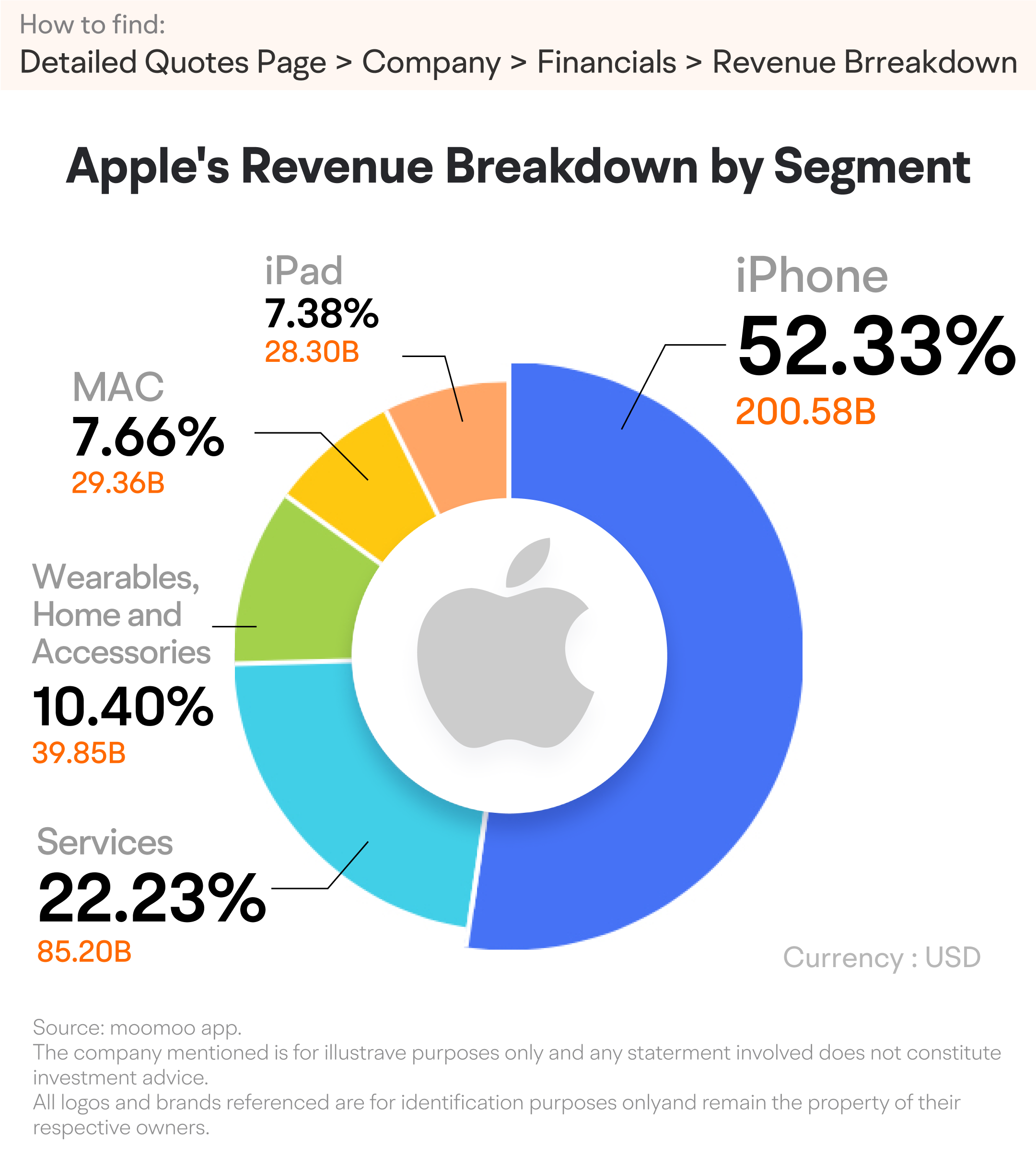
Historically, Apple was seen purely as a hardware company, but that narrative has shifted. Investors now scrutinize the “Services” segment, which includes the App Store, iCloud, Apple Music, and Apple Pay.
- Hardware (iPhone, Mac, iPad, Wearables): This shows current consumer demand and hardware refresh cycles. The iPhone remains the largest contributor to revenue.
- Services: This is the “crown jewel” for many analysts because it offers higher margins and recurring revenue. A growing Services segment suggests that Apple is successfully monetizing its massive installed base of over 2 billion active devices.
Gross Margin and Operating Expenses
Gross margin is a critical metric for Apple, reflecting its pricing power and efficiency. Despite inflation and rising component costs, Apple has historically maintained impressively high margins. If margins begin to compress, it may indicate that the company is losing its ability to pass costs on to consumers or that it is spending more aggressively on R&D for new products like the Vision Pro or AI initiatives.
Geographic Performance: The China Factor
Apple’s performance in Greater China is often a point of contention and high interest. As one of its largest and most competitive markets, any signs of slowing growth in China can lead to immediate downward pressure on the stock. Conversely, growth in emerging markets like India provides a narrative for long-term expansion that excites growth-oriented investors.
Historical Performance and Market Volatility
Reviewing Apple’s historical earnings performance provides context for current expectations. The market doesn’t just react to the numbers Apple reports; it reacts to how those numbers compare to “Wall Street Estimates” and the “Whisper Number.”
The “Whisper Number” vs. Wall Street Estimates
Wall Street analysts spend months modeling Apple’s financials to provide a consensus estimate for revenue and EPS. However, the “whisper number”—the unofficial expectation held by traders and institutional investors—is often slightly higher than the published consensus. If Apple beats the official consensus but misses the whisper number, the stock price might actually drop despite a “good” report.
The “Buy the Rumor, Sell the News” Phenomenon
Apple’s stock often experiences a run-up in the weeks leading up to an earnings report as anticipation builds. This frequently leads to a “sell the news” event, where the stock price falls immediately after a positive report because the good news was already “priced in.” Investors must differentiate between short-term price fluctuations and the long-term fundamental health of the business.
Managing Post-Earnings Volatility
For individual investors, earnings season can be an emotional rollercoaster. Financial advisors often suggest looking at the “rolling four-quarter” performance rather than reacting to a single three-month snapshot. Apple’s long-term trajectory has historically been upward, but the weeks following an earnings report are rarely a smooth ride.
Future Outlook: AI Integration and Services Growth
As we look toward future earnings reports, the focus has shifted from unit sales to the integration of Artificial Intelligence (AI) and the continued evolution of the ecosystem.
Monetizing “Apple Intelligence”
The financial community is currently focused on how Apple will monetize its AI efforts, branded as “Apple Intelligence.” Investors want to know if AI features will drive a massive “super-cycle” of hardware upgrades as consumers trade in old iPhones for AI-capable models. Future earnings calls will likely detail the impact of these features on average selling prices (ASPs) and software revenue.

The Shift Toward Subscription-Based Revenue
Apple is increasingly becoming a “subscription” company. From Apple One bundles to extended warranties via AppleCare+, the goal is to increase the “Lifetime Value” (LTV) of each customer. Investors are looking for continued growth in the number of paid subscriptions, which now exceed 1 billion. This shift provides a floor for the stock price, as recurring revenue is much more predictable and highly valued by the market than one-time hardware sales.
In conclusion, “when is Apple earnings” is more than just a date on a calendar; it is a recurring pivot point for the global financial markets. By understanding the fiscal cycle, the importance of the Services segment, and the broader market implications, investors can move beyond the headlines and make informed decisions about their financial future. Whether the report shows a record-breaking holiday season or a cautious outlook on global demand, Apple’s earnings remain the most anticipated event in the world of finance.
aViewFromTheCave is a participant in the Amazon Services LLC Associates Program, an affiliate advertising program designed to provide a means for sites to earn advertising fees by advertising and linking to Amazon.com. Amazon, the Amazon logo, AmazonSupply, and the AmazonSupply logo are trademarks of Amazon.com, Inc. or its affiliates. As an Amazon Associate we earn affiliate commissions from qualifying purchases.