
For millions of Americans, tax season brings a familiar ritual: preparing their annual returns. Among the most popular tools for this task is TurboTax, Intuit’s flagship tax preparation software. While lauded for its user-friendliness and comprehensive features, one question consistently surfaces in financial forums and kitchen table discussions alike: “When does TurboTax raise its prices?” This seemingly simple query delves into the heart of personal finance, touching upon budgeting, strategic timing, and understanding the market dynamics of a dominant financial tool.
Understanding TurboTax’s pricing strategy isn’t just about saving a few dollars; it’s about making informed financial decisions in an essential annual obligation. TurboTax, like many software providers, employs a dynamic pricing model that sees fluctuations throughout the tax season. For the savvy consumer, recognizing these patterns can translate into tangible savings and a less stressful tax filing experience. This article will dissect TurboTax’s pricing cycles, explore the factors driving its cost adjustments, and equip you with strategies to navigate its offerings effectively, ensuring you get the most value for your money.

Understanding TurboTax’s Pricing Strategy
TurboTax has established itself as the market leader in consumer tax preparation software, a position it leverages through a sophisticated pricing strategy. This strategy is not static but rather a fluid response to market demand, product development, and competitive pressures. For consumers, decoding this strategy is the first step towards controlling their tax preparation costs.
The Freemium Model and Its Limitations
At the core of TurboTax’s appeal is its widely advertised “Free Edition.” This freemium model attracts a vast user base with the promise of zero-cost federal tax filing. While genuinely free for taxpayers with very simple returns (e.g., W-2 income only, standard deduction, no dependents, no itemized deductions), the reality for many is a subtle but consistent upsell to paid tiers. As soon as a user’s tax situation introduces even minor complexities – such as itemized deductions, student loan interest, health savings account contributions, investments, or self-employment income – the “Free Edition” quickly becomes insufficient, prompting an upgrade to a Deluxe, Premier, or Self-Employed version. This strategic gatekeeping ensures that while the entry point is free, a significant portion of users will eventually transition to a paid product, making the “free” aspect more of a marketing hook than a universal solution. The transition is often seamless within the software, presenting users with the “need” for an upgrade just as they’ve invested time in entering their data, making the paid option a more convenient choice than starting over with another provider.
Factors Influencing Price Increases
Several intertwined factors contribute to TurboTax’s annual price adjustments and its overall pricing structure. Firstly, market dominance plays a significant role. With a substantial share of the DIY tax filing market, TurboTax possesses considerable pricing power. While competition exists, its brand recognition and user experience often allow it to command a premium. Secondly, feature enhancements and technological advancements necessitate investments in research and development. Each year, TurboTax strives to incorporate new tax laws, improve its user interface, integrate AI-driven assistance, and enhance security features. These ongoing developments are costly and are naturally reflected in the product’s price.
Thirdly, inflation and operating costs across the software industry influence pricing. Like any business, Intuit faces rising costs for talent, infrastructure, and marketing, which eventually trickle down to consumer pricing. Finally, the perceived value of convenience and accuracy is a significant factor. Many users are willing to pay a higher price for a platform they trust to handle their complex tax situations correctly, avoiding potential errors and the stress associated with manual filing or less intuitive software. This perceived value allows TurboTax to justify its price points, particularly for higher-tier products that cater to more intricate financial scenarios.
Tiered Pricing Structure Explained
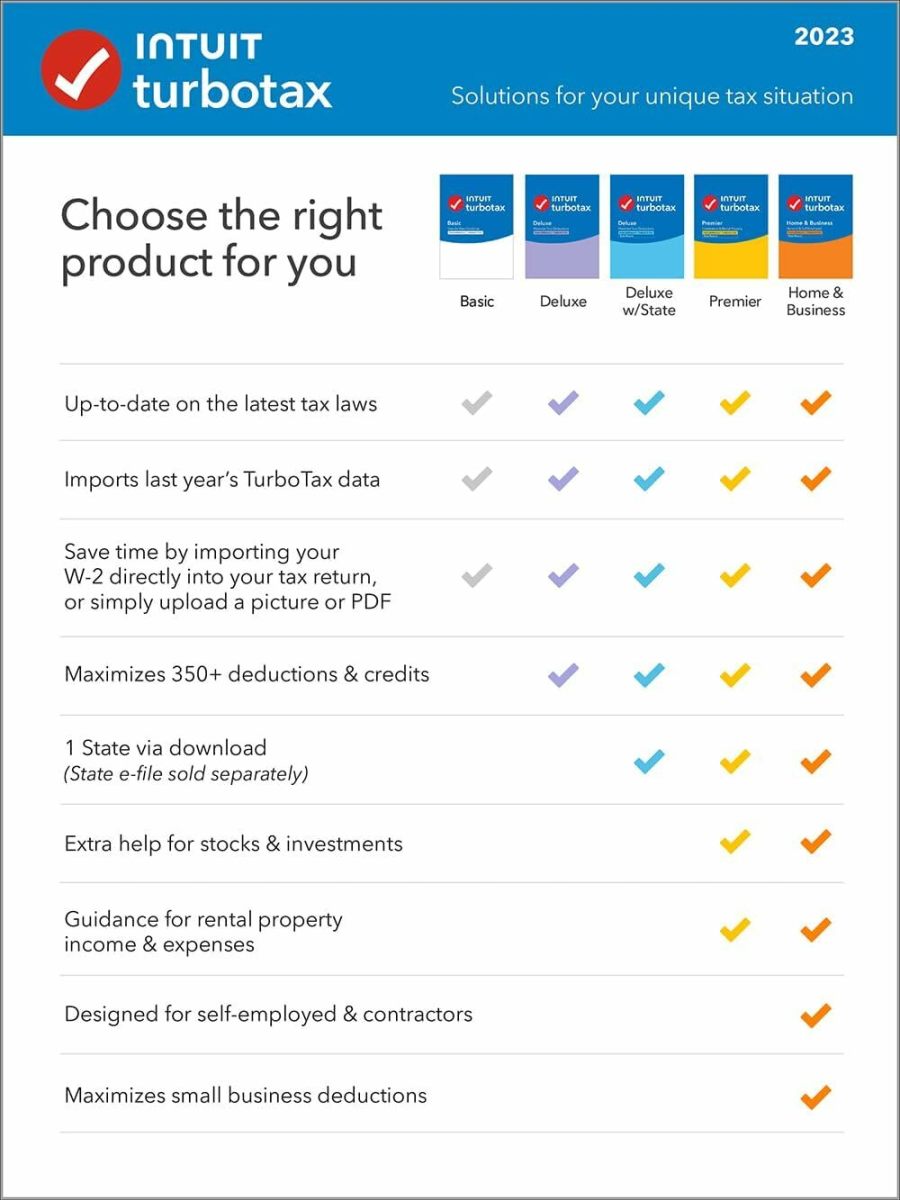
TurboTax’s pricing is fundamentally built around a tiered system, designed to match various levels of tax complexity with corresponding features and support. Each tier carries a different price tag, escalating with the sophistication of the tax situations it handles:
- Free Edition: As mentioned, this is for basic returns (Form 1040, standard deduction). Federal filing is free, but state filing often incurs a separate charge.
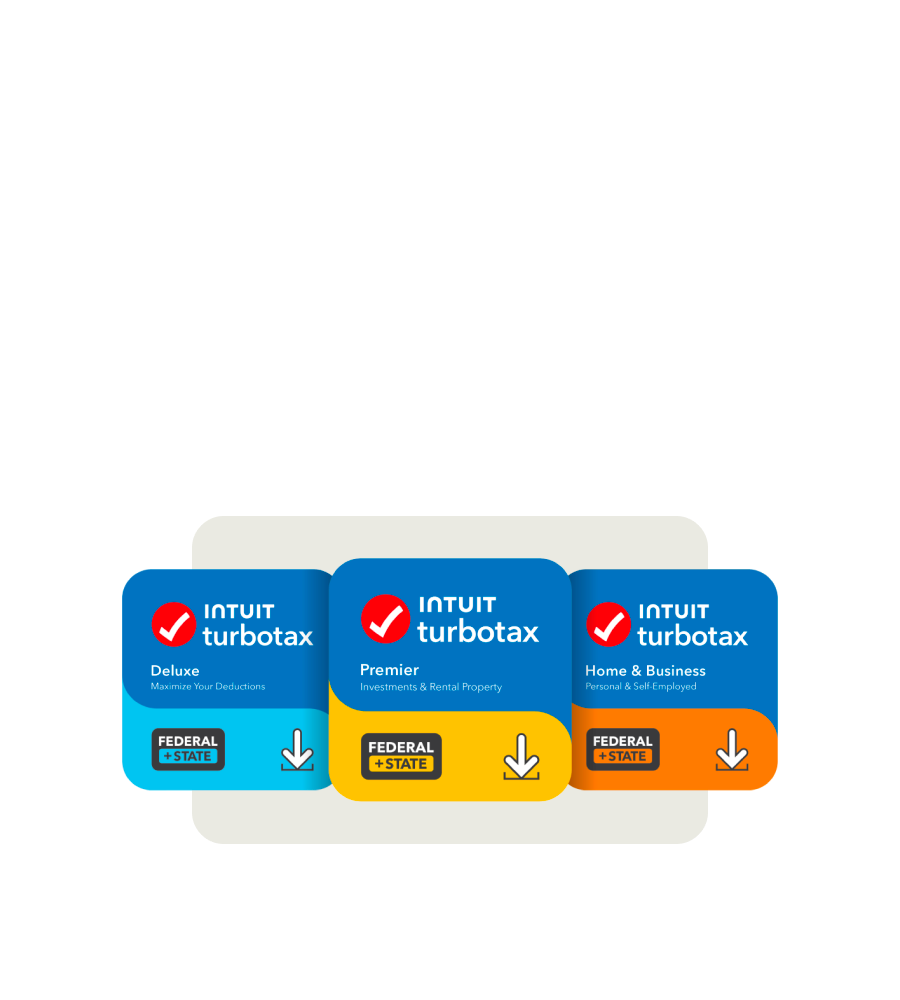
- Deluxe: The most popular tier, suitable for homeowners, those with charitable donations, and individuals needing to itemize deductions. It offers expanded guidance and features for common deductions.
- Premier: Geared towards investors and rental property owners. This tier includes specific guidance for stocks, bonds, mutual funds, ESPPs, and rental income and expenses.
- Self-Employed: Designed for freelancers, independent contractors, small business owners, and those with Schedule C income. It provides specialized tools for business expenses, depreciation, and estimated taxes, often including a year-round expense tracker.
- Live Assisted/Full Service: These premium offerings integrate access to tax experts (CPAs or Enrolled Agents) for on-demand advice, a final review, or even full preparation and filing. These services come at a significantly higher cost due to the human expertise involved.
Understanding these tiers is crucial because mistakenly purchasing a higher tier than needed, or being forced to upgrade mid-process, is a common reason for unexpected tax preparation costs. Each tier addresses a specific set of financial circumstances, and the price reflects the complexity of the forms and guidance provided.
The Annual Pricing Cycle: Key Periods and Patterns
TurboTax’s pricing is not static; it fluctuates strategically throughout the tax season, offering various opportunities and pitfalls for consumers. Recognizing these patterns can empower taxpayers to make timely decisions and potentially save money.
Early Bird Discounts (Pre-Tax Season)
The earliest and often most advantageous window for purchasing TurboTax products is typically during the late fall and early winter, specifically from November through December. During this “early bird” period, TurboTax, along with many retailers stocking its software (both physical and digital), offers significant discounts. This strategy aims to capture market share early, encouraging users to commit before the official tax season rush. Prices during this time can be considerably lower than those seen closer to the filing deadline. For individuals who anticipate a straightforward tax situation and prefer to get a head start, purchasing during this window is highly recommended. It’s a prime opportunity for those who already know which product tier they’ll need and want to lock in the lowest price. Retailers like Amazon, Best Buy, and even Intuit’s own website frequently participate in these early-season promotions.
Peak Season Pricing (January-April)
As the calendar turns to January, coinciding with the official opening of the IRS filing season, TurboTax prices generally stabilize at their standard, non-discounted rates. This period, extending through to April 15th (or the subsequent tax deadline), represents the peak demand for tax preparation software. During these months, the urgency of filing increases, and fewer steep discounts are available. While occasional promotions may still pop up, they are typically less aggressive than the early bird offers. This is the period when most taxpayers purchase the software, as they begin receiving their W-2s, 1099s, and other necessary tax documents. Prices remain relatively consistent, reflecting the high demand and the imperative for millions to complete their returns. Taxpayers who miss the early bird window should still aim to file as soon as they have all their documents, to avoid potential last-minute complications and to ensure they don’t encounter any unexpected price bumps closer to the deadline.
Last-Minute Surcharges and Filing Extensions
The final weeks and days leading up to the April 15th deadline can sometimes see subtle price increases or the cessation of any remaining minor discounts. While not always a drastic hike, the emphasis shifts from attracting early filers to servicing those under pressure. More significantly, taxpayers who require a filing extension (Form 4868) should be aware of separate considerations. While filing an extension through TurboTax is generally free, it only extends the time to file your return, not the time to pay any taxes owed. If you wait until the last minute to estimate and pay your taxes, you might incur penalties and interest. Furthermore, if you haven’t yet purchased the software, waiting until after the April deadline to acquire it for your extended return might mean missing out on any lingering promotions that conclude with the original deadline. State filing costs, which are often separate and vary widely, also remain a constant consideration throughout the entire season, irrespective of federal filing deadlines.
State Filing Costs and Add-ons
A crucial aspect of TurboTax pricing that often surprises users is the cost associated with state tax filing. While the Free Edition allows for free federal filing for simple returns, state filing almost always incurs an additional fee across all product tiers, including the “free” one. This separate charge is a significant contributor to the final cost for most users, as nearly all states require income tax returns. The price for state filing can vary, and sometimes discounts are offered for purchasing both federal and state together, or during early promotions. Beyond state filing, other add-ons can increase the final price. These might include audit defense services, which provide assistance in case of an IRS audit, or priority customer support. While these services offer peace of mind, they represent additional costs that users should factor into their budget if they deem them necessary. Understanding these separate charges upfront is vital to avoid sticker shock when reaching the final payment screen.
Strategies to Mitigate TurboTax Price Hikes
While TurboTax offers a powerful and user-friendly platform, its pricing can be a concern for many. Fortunately, several proactive strategies can help taxpayers reduce their overall cost and navigate the pricing structure more effectively.
Filing Early: The Golden Rule for Savings
The single most effective strategy to save money on TurboTax is to file early. As discussed, the early bird discount period (typically November-December) offers the most significant savings. If you anticipate a straightforward tax situation or are confident in the tier you’ll need, purchasing the software during this window can lock in the lowest price. Even if you don’t file immediately, simply acquiring the software at its discounted rate well before the April deadline ensures you bypass the peak season pricing. Preparing your documents as soon as they become available in January and filing promptly not only saves money but also reduces stress and allows for quicker processing of any refunds. Early filing also gives you more time to address any unexpected tax complexities or gather missing information without the pressure of an impending deadline.
Choosing the Right Product Tier
A common mistake that leads to overspending is selecting a product tier with more features than your tax situation requires. Before committing to a purchase, take a moment to honestly assess your tax complexity:
- Do you only have W-2 income and plan to take the standard deduction? The Free Edition might suffice.
- Are you a homeowner who itemizes, or do you have significant charitable contributions? Deluxe is likely appropriate.
- Do you have investments (stocks, bonds, mutual funds) or rental properties? Premier is designed for these situations.
- Are you a freelancer, independent contractor, or small business owner with Schedule C income? Self-Employed is your go-to.
By accurately matching your needs to the product tier, you avoid paying for advanced features you won’t use. Many users are surprised to find that their situation fits a lower tier than they initially assumed. TurboTax usually guides you through questions that help determine the right product, but it’s wise to have a clear understanding of your financial landscape beforehand to resist unnecessary upgrades.
Exploring Alternatives
While TurboTax is popular, it’s not the only option available. Exploring alternatives can not only provide potential cost savings but also introduce you to platforms that might better suit your specific needs or preferences.
- H&R Block Tax Software: A direct competitor, H&R Block offers similar tiered products and often runs comparable promotions. It’s worth comparing their prices and features.
- TaxAct: Another well-established player, TaxAct is often praised for being a more budget-friendly option, particularly for slightly more complex returns. Its interface might be less polished than TurboTax, but it gets the job done at a lower cost.
- FreeTaxUSA: This online platform is highly regarded for its genuinely free federal filing, even for complex returns. They charge a nominal fee for state filing (typically around $15). While its user interface is less intuitive than TurboTax, its cost-effectiveness makes it a strong contender for those willing to sacrifice some convenience for significant savings.
- IRS Free File Program: If your Adjusted Gross Income (AGI) is below a certain threshold (which changes annually, check the IRS website), you may be eligible to use the IRS Free File Program. This program partners with various tax software providers (including some versions of TurboTax, though often more basic) to offer free federal and sometimes state filing. This is a legitimate and often underutilized resource for eligible taxpayers.
- Professional Tax Preparers: For very complex situations, or if you simply prefer professional assistance, hiring a CPA or Enrolled Agent can be a worthwhile investment. While more expensive than software, it offers peace of mind and expert advice.
Comparing features, user experience, and pricing across these alternatives can uncover significant savings, especially if your tax situation isn’t overly complicated or if you’re comfortable with a slightly less streamlined interface.
Leveraging Discounts and Promotions
Beyond early bird specials, keep an eye out for other avenues of discounts throughout the tax season:
- Retailer Promotions: Major retailers (e.g., Amazon, Walmart, Target, Costco) often have their own sales on TurboTax software, particularly during holiday periods or promotional events.
- Credit Card Offers: Many credit card companies offer cash-back or discount promotions with specific merchants, including Intuit or retailers selling TurboTax. Check your credit card benefits for any relevant deals.
- Bank and Credit Union Partnerships: Some financial institutions partner with tax software providers to offer discounts to their customers.
- Employer or Organization Discounts: Your employer, professional association, or alumni group might have a special arrangement with TurboTax.
- Student Discounts: If you are a student, check if TurboTax or your educational institution offers any student-specific pricing.
Subscribing to newsletters from TurboTax or major retailers can keep you informed about upcoming sales. A little research before purchasing can yield substantial savings.
The Broader Impact on Personal Finance
Navigating the pricing landscape of TurboTax extends beyond simply finding the cheapest option; it ties directly into broader aspects of personal finance management. How one approaches tax preparation costs can influence budgeting, long-term financial planning, and overall financial awareness.
Budgeting for Tax Preparation Costs
For many, tax preparation fees are an unexpected expense that surfaces once a year. However, treating these costs as a regular, anticipated part of your annual financial cycle is a sound budgeting practice. Just as you budget for insurance premiums or holiday spending, allocating funds for tax software or professional tax services ensures you’re not caught off guard.
- Annual Financial Review: During your annual financial review, set aside a line item in your budget specifically for tax preparation. This could be a fixed amount or a range, depending on your anticipated tax complexity for the coming year.
- Proactive Saving: If you know you’ll be using a paid tier of TurboTax or a professional, consider setting aside a small amount each month into a dedicated savings account. By the time tax season rolls around, the funds will be readily available without impacting your other financial goals.
- Comparing Costs: Regularly compare the costs of different tax preparation methods (DIY software, professional help, various software tiers) to ensure you’re getting the most value for your money and that your budget allocation remains appropriate. A small investment in a robust tax software might save you significant time and potential errors compared to a free, but inadequate, solution.
Incorporating tax prep fees into your budget transforms a potential financial surprise into a manageable, planned expense, reducing last-minute stress and ensuring financial stability.
The Value Proposition: DIY vs. Professional Help
The decision to use TurboTax (or any DIY software) versus hiring a professional tax preparer often boils down to a value proposition. While software is generally more affordable, a professional offers personalized advice, intricate knowledge of tax law, and assurance against errors.
- DIY Value: For those with relatively simple to moderately complex returns, TurboTax offers excellent value. It empowers individuals to manage their own taxes, provides educational tools, and is significantly cheaper than a CPA. The value lies in its convenience, step-by-step guidance, and cost-effectiveness. The investment in a paid tier is often justified by the time saved, the accuracy achieved, and the overall peace of mind.
- Professional Value: When does the additional cost of a professional become a better value? Typically, for very complex situations such as owning multiple businesses, having foreign income, dealing with trust funds, significant capital gains/losses, or major life changes (marriage, divorce, inheritance). A professional can identify obscure deductions, offer strategic tax planning advice for future years, and represent you in an audit. For these scenarios, the expertise and potential long-term savings or liability avoidance can outweigh the higher upfront cost.
Understanding your own comfort level, the complexity of your financial life, and the inherent value each option provides is key to making a financially sound decision for your tax preparation needs.
Long-Term Financial Planning and Tax Awareness
Engaging with tax software like TurboTax, and especially understanding its pricing, fosters a greater sense of tax awareness, which is invaluable for long-term financial planning.
- Understanding Deductions and Credits: As you navigate TurboTax, you’re prompted with questions about various deductions and credits. This process naturally educates you about what expenses are deductible and what actions can lead to tax savings. This knowledge can then influence your financial decisions throughout the year, from charitable giving to investment choices.
- Impact of Financial Decisions: Seeing how different income streams, investments, or deductions impact your final tax bill within the software helps you understand the tax implications of your financial decisions. This insight is crucial for making informed choices about retirement planning, real estate investments, and business ventures.
- Proactive Tax Planning: Awareness of TurboTax’s pricing cycles can encourage a more proactive approach to tax preparation itself. Instead of scrambling at the last minute, users might be motivated to gather documents earlier, reconcile financial records more consistently, and even seek advice mid-year to optimize their tax situation. This proactive mindset is a cornerstone of robust personal financial management.
By actively engaging with the tax preparation process, including understanding its associated costs, individuals build a stronger foundation for comprehensive financial planning, leading to better decision-making and potentially greater wealth accumulation over time.
Conclusion
Navigating the pricing structure of TurboTax, while sometimes perceived as intricate, is an essential aspect of responsible personal finance. The annual tax season, for all its inevitability, offers opportunities for both unexpected costs and significant savings, depending on a taxpayer’s preparedness and strategic approach. TurboTax, with its dominant market position and tiered offerings, employs a dynamic pricing model influenced by market demand, feature development, and competitive landscapes.
By understanding the distinct phases of its annual pricing cycle—from the attractive early bird discounts in late fall to the peak season stability and the subtle shifts near the filing deadline—consumers can empower themselves to make timely and cost-effective purchasing decisions. Furthermore, being vigilant about separate state filing costs and optional add-ons prevents last-minute surprises.
The most effective strategies for mitigating TurboTax’s price hikes revolve around proactive engagement: filing early to capitalize on discounts, meticulously choosing the appropriate product tier to avoid overpaying for unneeded features, and diligently exploring alternative tax software solutions or the IRS Free File Program. Beyond mere cost-saving, this proactive approach to tax preparation is a valuable component of broader personal finance. It encourages meticulous budgeting for tax-related expenses, aids in discerning the value proposition between DIY software and professional assistance, and ultimately deepens one’s long-term tax awareness.
In an increasingly complex financial world, leveraging tools like TurboTax effectively, both in terms of functionality and cost, is paramount. By approaching tax season with informed insight into “when does TurboTax raise prices,” taxpayers can transform a potentially stressful obligation into a well-managed component of their annual financial strategy, ensuring both compliance and fiscal prudence.
aViewFromTheCave is a participant in the Amazon Services LLC Associates Program, an affiliate advertising program designed to provide a means for sites to earn advertising fees by advertising and linking to Amazon.com. Amazon, the Amazon logo, AmazonSupply, and the AmazonSupply logo are trademarks of Amazon.com, Inc. or its affiliates. As an Amazon Associate we earn affiliate commissions from qualifying purchases.