
Understanding the operational hours of the US stock market is fundamental for any investor, from the novice just starting their journey to the seasoned trader making critical daily decisions. It’s not merely about knowing an arbitrary time; it’s about comprehending the rhythm of the market, the periods of peak activity, and the strategic implications of trading within—and sometimes beyond—these defined windows. The US stock market, primarily represented by the New York Stock Exchange (NYSE) and the NASDAQ Stock Market, adheres to a structured schedule that, while seemingly straightforward, carries nuances vital for effective financial planning and execution. This guide delves into these hours, exploring not just the standard closure times but also the extended sessions, holiday schedules, and the strategic considerations every investor should be aware of.
Understanding Standard US Stock Market Hours
The core of US stock market operations revolves around a specific weekday schedule, punctuated by weekends and federal holidays. This standard framework dictates when the vast majority of trading activity occurs.
The Core Trading Session: Regular Market Open and Close
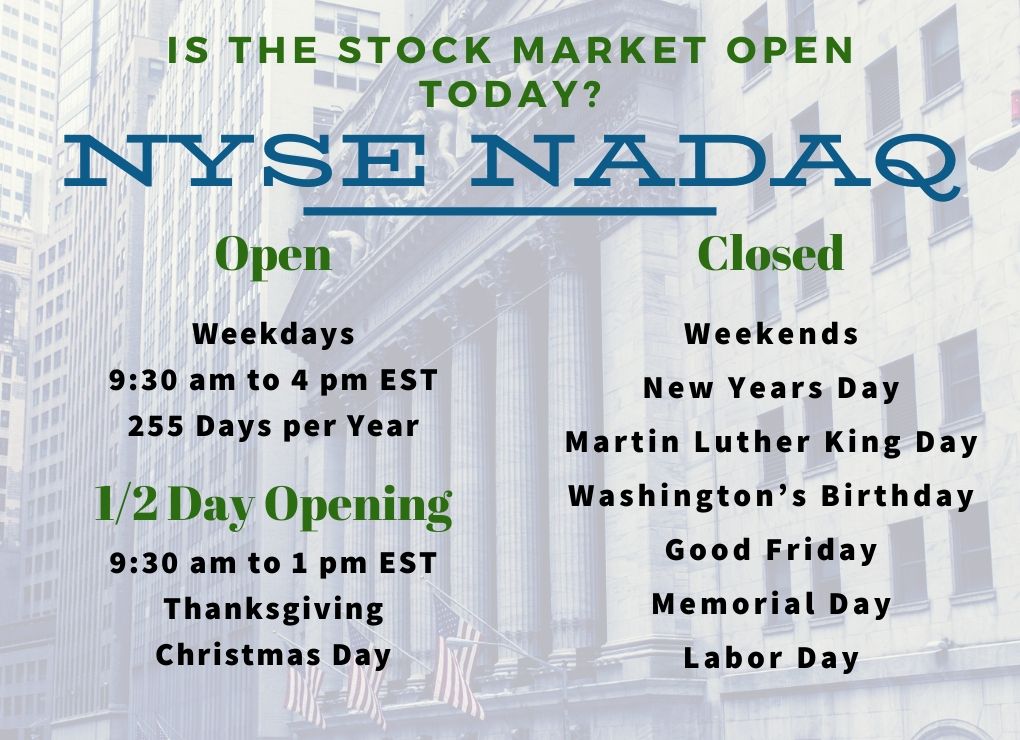
For both the New York Stock Exchange (NYSE) and the NASDAQ Stock Market, the regular trading session runs from 9:30 AM Eastern Time (ET) to 4:00 PM ET on weekdays. This seven-and-a-half-hour window is when the market is most liquid, meaning there’s a high volume of buyers and sellers, which generally facilitates smoother transactions and tighter bid-ask spreads.
During these hours, investors can execute trades, monitor real-time price fluctuations, and react to breaking news and corporate announcements. The opening bell often sees a surge in activity as orders accumulated overnight are processed, and the closing bell frequently marks another period of heightened volume as traders aim to finalize positions or react to late-day developments. This is the period typically depicted in financial news, where market indices like the Dow Jones Industrial Average, S&P 500, and NASDAQ Composite are most actively tracked.
Weekends and Federal Holidays: When the Markets Rest
Just like most businesses, the US stock market observes weekends and specific federal holidays. The market is closed on Saturdays and Sundays, providing a crucial pause for both investors and market participants to analyze the week’s performance, plan for the week ahead, and step away from the daily grind.
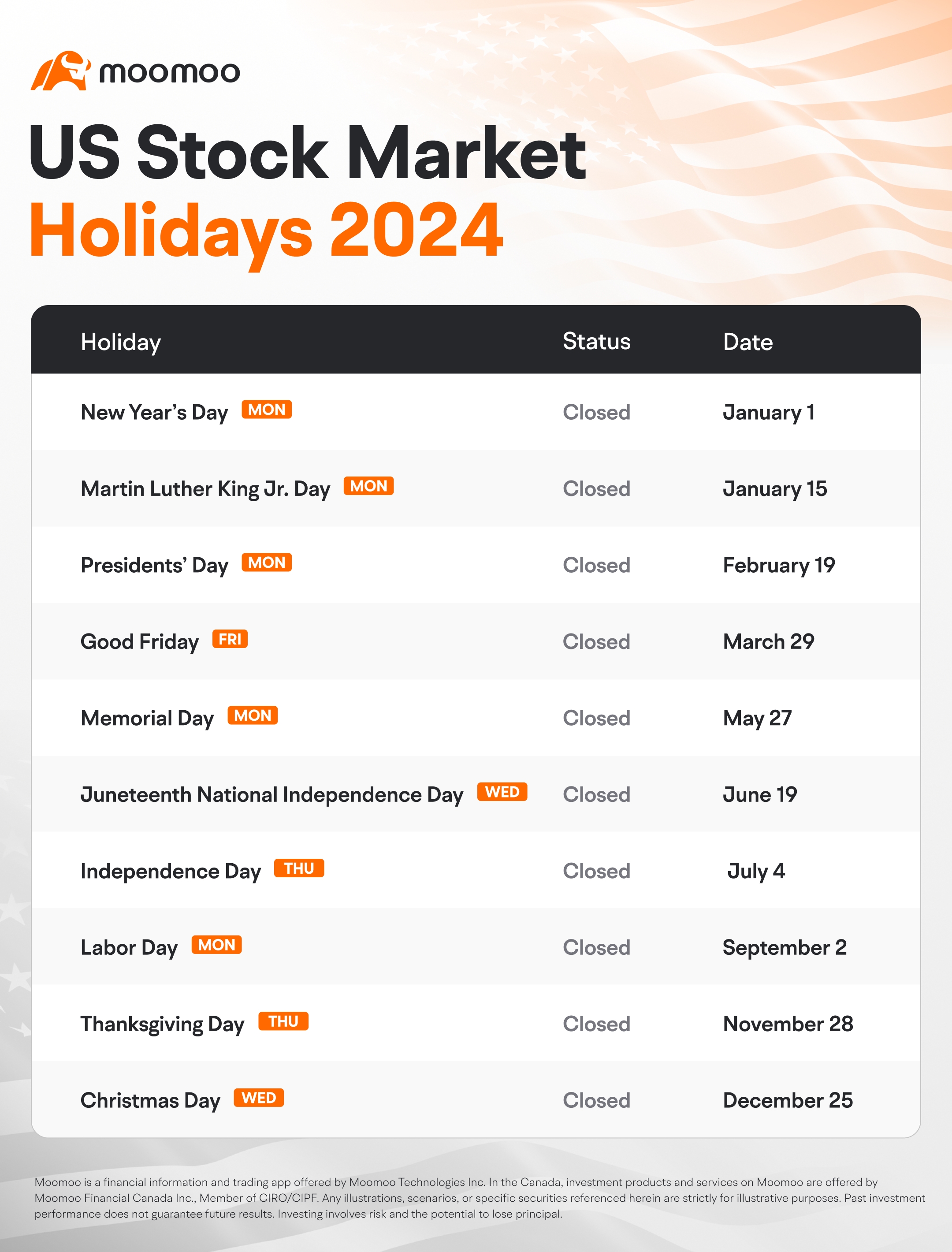
In addition to weekends, the NYSE and NASDAQ are closed on a number of federal holidays. These typically include:
- New Year’s Day (January 1)
- Martin Luther King, Jr. Day (Third Monday in January)
- Presidents’ Day / Washington’s Birthday (Third Monday in February)
- Good Friday (Varies annually)
- Memorial Day (Last Monday in May)
- Juneteenth National Independence Day (June 19)
- Independence Day (July 4)
- Labor Day (First Monday in September)
- Thanksgiving Day (Fourth Thursday in November)
- Christmas Day (December 25)
It’s important to note that if a holiday falls on a Saturday, the market may close on the preceding Friday. If it falls on a Sunday, the market may close on the following Monday. Keeping a close eye on the official market holiday calendar, usually published well in advance by major exchanges, is essential for any investor.
Early Closures and Special Circumstances
Beyond full holiday closures, the stock market sometimes observes early closures, usually for half-day sessions. These are less frequent but typically occur the day before or after certain major holidays, such as Thanksgiving Eve (closing at 1:00 PM ET) or Christmas Eve (if it falls on a weekday). These abbreviated sessions still allow for trading but with reduced liquidity and often heightened volatility in the shortened timeframe.
In rare and extreme circumstances, such as national emergencies, significant technical glitches, or major catastrophic events, markets may also face unexpected closures or delayed openings. These events are exceptional and usually announced with little notice, underscoring the dynamic nature of financial systems even within structured environments.
Beyond Standard Hours: Exploring Pre-Market and After-Hours Trading
While the regular 9:30 AM to 4:00 PM ET window is the primary trading period, the advent of electronic trading has significantly expanded the concept of “market hours.” Investors now have the ability to trade outside the traditional session through pre-market and after-hours trading.
The Mechanics of Extended Hours: What They Are and How They Differ
Pre-market trading typically runs from 4:00 AM ET to 9:30 AM ET. This session allows participants to react to news and events that occur overnight or early in the morning, before the official market open.
After-hours trading generally occurs from 4:00 PM ET to 8:00 PM ET, immediately following the regular session. This period often sees reactions to corporate earnings reports, economic data releases, or other significant announcements that are frequently published after the market closes.
Both extended sessions operate through electronic communication networks (ECNs) rather than the traditional exchange floors. They differ from standard hours primarily in their liquidity and volatility. Volumes are significantly lower, which can lead to wider bid-ask spreads and more pronounced price swings on fewer trades. Not all stocks are actively traded in these sessions, and retail investors typically interact with them through their brokerage platforms.
Advantages and Disadvantages of Extended Trading Sessions
Engaging in pre-market and after-hours trading offers both opportunities and risks:
Advantages:
- Reacting to News: Investors can react to breaking news, earnings reports, or analyst upgrades/downgrades before the standard market opens or closes, potentially capitalizing on immediate price movements.
- Flexibility: It offers greater flexibility for investors with busy daytime schedules or those in different time zones.
- Price Discovery: Extended hours contribute to price discovery, allowing the market to digest new information more gradually rather than experiencing a sudden gap up or down at the open.
Disadvantages:
- Lower Liquidity: Fewer participants mean fewer buyers and sellers, making it harder to execute large orders without impacting the price.
- Higher Volatility: Due to lower liquidity, a single large trade can cause significant price swings, leading to greater price risk.
- Wider Spreads: The difference between the bid (highest price a buyer is willing to pay) and ask (lowest price a seller is willing to accept) can be considerably wider, increasing transaction costs.
- Competition with Professionals: Many institutional investors and professional traders with advanced tools dominate these sessions, potentially putting retail investors at a disadvantage.
- Limited Order Types: Some advanced order types might not be available during extended hours.
Accessing Extended Sessions
Most major online brokerage platforms offer access to pre-market and after-hours trading. Investors usually need to specify that they wish their orders to be valid for extended hours, often by selecting an “extended hours” or “good ’til canceled (GTC) extended hours” option when placing an order. It’s crucial for investors to understand their broker’s specific rules and any associated risks before participating.
The Strategic Implications of Market Hours for Investors
The timing of market operations isn’t just a logistical detail; it has profound strategic implications for how investors approach their portfolios and execute trades.
Volatility and Liquidity Across Sessions
Understanding the ebb and flow of volatility and liquidity throughout the trading day is key.
- Market Open (9:30 AM – 10:00 AM ET): Often the most volatile and liquid period, as overnight news is absorbed and initial orders are executed. Price discovery is rapid.
- Mid-Day (10:00 AM – 3:00 PM ET): Typically calmer, with lower volatility and reduced trading volume, as institutional traders might be at lunch or preparing for the close.
- Market Close (3:00 PM – 4:00 PM ET): Another period of heightened activity and volatility, as traders adjust positions, institutional funds rebalance, and end-of-day orders are placed.
- Extended Hours: Characterized by low liquidity and high volatility, making them risky for inexperienced traders. Significant price movements can occur on relatively small volumes.
News and Earnings Season Impact
Major corporate earnings reports and significant economic data releases are frequently scheduled outside regular trading hours. This strategy allows companies to disseminate information without disrupting ongoing trading sessions and gives market participants time to digest the news. Consequently, these announcements can lead to significant price gaps at the next market open or dramatic swings during after-hours trading.
For investors, this means being prepared to react quickly. A positive earnings surprise released after hours could drive a stock significantly higher in pre-market, while a disappointing report could cause a sharp decline. Monitoring financial news channels and economic calendars becomes even more critical during these periods.
Developing an Informed Trading Strategy
An understanding of market hours allows investors to tailor their trading strategies:
- Day Traders: Often focus on the highly volatile opening and closing hours, seeking to profit from rapid price movements. They rely on high liquidity to enter and exit positions quickly.
- Swing Traders: May hold positions for a few days to weeks, often entering or exiting at the end of the day to capitalize on overnight news or trends.
- Long-Term Investors: While less concerned with intra-day fluctuations, even long-term investors benefit from understanding how market news outside standard hours can influence their portfolio’s value at the next open. They might use this knowledge to place limit orders or adjust their strategies if a major event impacts their holdings.
The Evolving Landscape of Market Access and Global Interconnectedness
The traditional image of a bustling trading floor has largely been superseded by electronic systems, and this technological shift continues to redefine what “market hours” truly mean.
The Role of Electronic Trading and Technology
Electronic Communication Networks (ECNs) and advanced trading platforms have revolutionized market access. They have not only enabled pre-market and after-hours trading but have also blurred the lines between exchanges, allowing for faster order execution and increased transparency. This technological backbone is what makes extended-hours trading feasible and underpins the efficiency of modern financial markets. Without these systems, trading would be confined strictly to physical exchange hours.
Global Market Influence
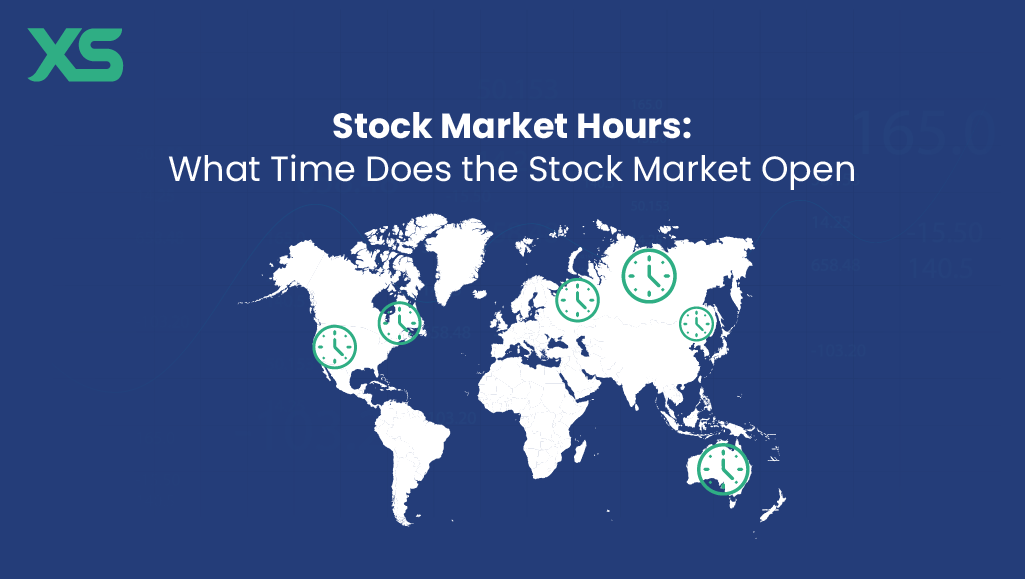
While this guide focuses on the US market, it’s crucial to acknowledge the interconnectedness of global financial markets. When the US market is closed, major markets in Asia (e.g., Tokyo, Hong Kong), Europe (e.g., London, Frankfurt), and other regions are often open and active. Events in these markets, or news breaking during their trading sessions, can influence sentiment and impact how the US market opens the following day. For example, a major economic announcement in China or a significant political development in Europe can cause futures for US indices to move, signaling potential shifts before the NYSE or NASDAQ even open.
The Future of Trading Hours
The trend towards increased market access and automation raises questions about the future of trading hours. Some speculate about the eventual move towards 24/7 stock trading, mirroring the cryptocurrency and forex markets. While this presents opportunities for continuous trading and immediate reaction to global events, it also introduces challenges related to market stability, regulatory oversight, and the mental well-being of market participants. For now, the structured hours remain a cornerstone of equity markets, but the discussion around their evolution is ongoing.
Practical Tips for Navigating US Market Closures
Being informed about market hours and closures is a prerequisite for informed investment decisions.
Monitoring Key Financial Calendars
Make it a habit to regularly consult reliable financial news sources, your brokerage platform, or the official websites of the NYSE and NASDAQ for their latest holiday schedules and any announced early closures. Many financial apps and websites offer customizable alerts for market open and close times, which can be invaluable.
Risk Management in Extended Hours
If you choose to participate in pre-market or after-hours trading, prioritize robust risk management. Use limit orders to control the price at which your trades are executed, as market orders can be filled at unexpectedly unfavorable prices due to low liquidity. Be acutely aware of the wider bid-ask spreads and the potential for rapid, significant price swings. Consider trading smaller position sizes during these sessions.
Leveraging Market Knowledge for Better Decisions
Ultimately, understanding when the US stock market closes, and all the nuances that accompany those closures, empowers you to make more deliberate and strategic investment choices. It helps you anticipate periods of high or low volatility, plan when to execute trades for optimal pricing, and avoid being caught off guard by market-moving news released outside standard hours. Integrating this knowledge into your overall financial strategy is a hallmark of a professional and insightful approach to investing.
In conclusion, the US stock market’s operational schedule is a dynamic framework that extends beyond a simple open and close time. By thoroughly understanding these hours, including extended sessions and holiday observances, investors can better navigate the complexities of the financial world, manage risk, and position themselves for greater success.
aViewFromTheCave is a participant in the Amazon Services LLC Associates Program, an affiliate advertising program designed to provide a means for sites to earn advertising fees by advertising and linking to Amazon.com. Amazon, the Amazon logo, AmazonSupply, and the AmazonSupply logo are trademarks of Amazon.com, Inc. or its affiliates. As an Amazon Associate we earn affiliate commissions from qualifying purchases.