
For both novice and seasoned investors, understanding the operational hours of the stock market is foundational. It’s not simply a matter of knowing when you can place a trade; it influences strategy, risk management, and how you react to market-moving news. While the idea of a financial market conjures images of constant activity, major stock exchanges adhere to a surprisingly rigid schedule, punctuated by extended hours, weekends, and national holidays. This article will demystify the intricacies of stock market timing, exploring standard hours, the less conventional pre-market and after-hours sessions, the rationale behind these schedules, and how they impact your investment journey.
Understanding Standard Trading Hours
The beating heart of stock market activity occurs during defined standard trading hours, which are designed to concentrate liquidity and facilitate efficient price discovery. These hours are largely consistent across the major exchanges within a country but can vary significantly across different global markets.
The Core Trading Window (NYSE and NASDAQ)
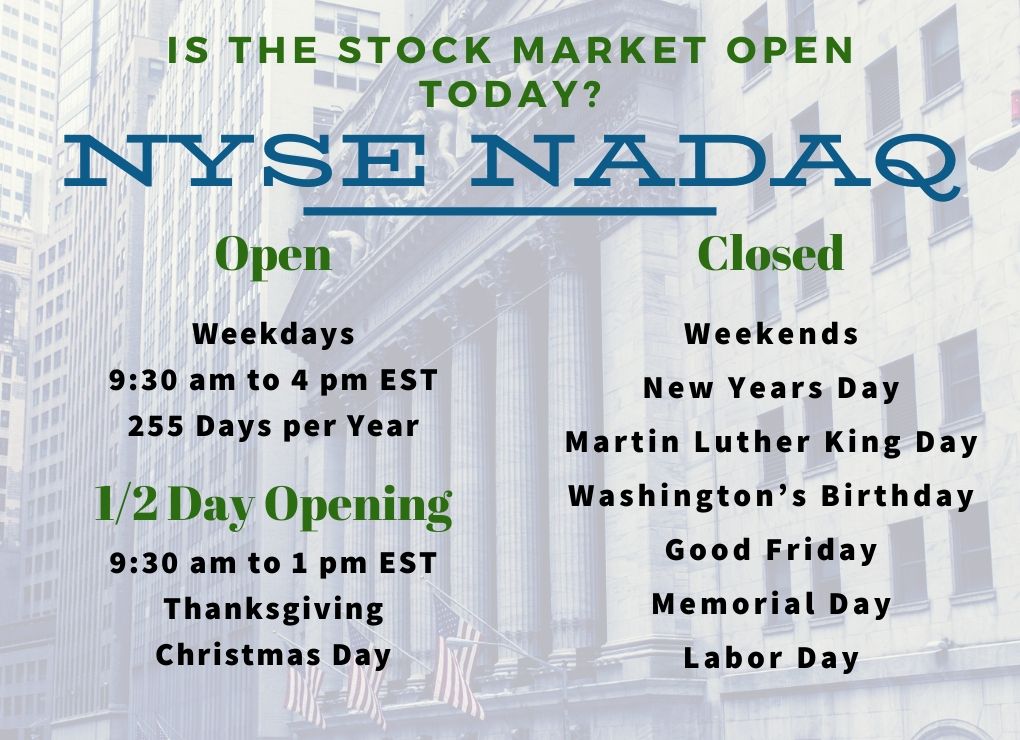
In the United States, the two primary stock exchanges, the New York Stock Exchange (NYSE) and the Nasdaq Stock Market (NASDAQ), operate on a consistent schedule. Standard trading hours are from 9:30 AM Eastern Time (ET) to 4:00 PM ET, Monday through Friday. This seven-and-a-half-hour window is when the vast majority of trading volume occurs and is considered the official market session.
During these hours, buy and sell orders are executed, prices fluctuate in real-time based on supply and demand, and market news is digested by millions of participants. This structured environment helps ensure fair and orderly markets, providing a concentrated period for buyers and sellers to meet. The opening bell at 9:30 AM ET often sees heightened volatility as overnight news is priced in, while the closing bell at 4:00 PM ET can also be active as institutional investors adjust positions or execute large block trades.
Weekends and Stock Market Holidays
The stock market, unlike some other financial markets such as foreign exchange, does not operate on weekends. Both Saturday and Sunday are non-trading days, allowing market participants a respite and time to analyze positions without the pressure of live price movements.
In addition to weekends, stock markets observe a number of national holidays throughout the year. On these days, the exchanges are completely closed, and no trading takes place. These holidays typically align with federal holidays in the United States, such as New Year’s Day, Martin Luther King, Jr. Day, Presidents’ Day, Good Friday, Memorial Day, Juneteenth, Independence Day, Labor Day, Thanksgiving Day, and Christmas Day. It’s crucial for investors to be aware of these closures, as they can affect settlement dates for trades and overall market activity surrounding the holiday period. Occasionally, markets may also close early on days preceding or following a major holiday, such as the day after Thanksgiving or Christmas Eve, if it falls on a weekday.
Impact of Time Zones on Trading Hours
For investors located outside the Eastern Time Zone, understanding the conversion of market hours is essential. A Californian investor, for example, would see the market open at 6:30 AM Pacific Time (PT) and close at 1:00 PM PT. Similarly, a European investor watching U.S. markets would need to adjust for several hours difference, potentially meaning market open is mid-afternoon or evening for them, and market close could be late at night.
This time zone consideration becomes even more critical for global investors trading in multiple international markets. A trader in London might be active during European market hours, then shift their focus to New York as it opens, and perhaps even monitor Asian markets in their late evening or early morning. Awareness of these time differences is key to effective trade planning and risk management, preventing missed opportunities or unexpected market movements while you’re offline.
Beyond Standard Hours: Pre-Market and After-Hours Trading
While standard trading hours define the core market activity, technology has enabled trading to extend beyond these conventional boundaries. Pre-market and after-hours sessions offer investors additional opportunities but come with their own set of characteristics and risks.
What is Pre-Market Trading?
Pre-market trading refers to the period before the official market open, typically from 4:00 AM ET to 9:30 AM ET. During this window, institutional investors, hedge funds, and sophisticated individual traders can place orders and execute trades. This session allows participants to react to news released overnight or early in the morning, such as earnings reports, economic data, or geopolitical developments, before the broader market opens.
The trading volume in the pre-market is significantly lower than during standard hours, and liquidity can be thin. This lower liquidity means that prices can be more volatile, and spreads (the difference between the buy and sell price) can be wider. It can also be challenging to execute large orders without significantly impacting the stock price. Despite these challenges, pre-market trading offers a crucial opportunity for early movers to position themselves ahead of the day’s main session.
Navigating After-Hours Sessions
After-hours trading occurs after the official market close, typically from 4:00 PM ET to 8:00 PM ET. Similar to pre-market trading, this session allows investors to react to news that breaks after the market closes, such as late-day earnings announcements or major company updates. Many companies strategically release their earnings after market close to allow investors time to digest the information before the next trading day.
Like pre-market, after-hours trading is characterized by lower liquidity and higher volatility. Institutional investors often use this time to adjust their portfolios or execute block trades away from the full scrutiny and volume of the regular session. Retail investors participating in after-hours trading must use electronic communication networks (ECNs) rather than the main exchange order books, which connect buyers and sellers directly.
Opportunities and Risks of Extended Hours Trading
Extended-hours trading presents both unique opportunities and inherent risks.
Opportunities:
- Rapid Reaction to News: Investors can immediately act on news releases without waiting for the next standard session, potentially capitalizing on early price movements.
- Flexibility: It offers flexibility for those whose schedules don’t align with standard market hours.
- Early Entry/Exit: It allows for early entry into or exit from positions based on new information.
Risks:
- Lower Liquidity: Fewer participants mean it can be harder to buy or sell shares, leading to wider bid-ask spreads and potentially unfavorable execution prices.
- Higher Volatility: Thin trading volume can cause exaggerated price swings on relatively small orders, making stocks more susceptible to manipulation or sharp, unexpected movements.
- Information Disparity: Not all news is fully disseminated or understood during extended hours, potentially leading to trading based on incomplete information.
- Lack of Price Transparency: ECNs can sometimes offer less transparency than the consolidated tape during standard hours, making it harder to gauge true market sentiment.
For these reasons, extended-hours trading is generally recommended for experienced investors who understand the dynamics of low-liquidity environments and are prepared for increased risk.
Why Do Stock Markets Have Set Hours?
The concept of defined trading hours might seem somewhat archaic in a world increasingly moving towards 24/7 digital operations. However, these fixed schedules serve several critical functions that underpin the stability and integrity of financial markets.
Ensuring Order and Liquidity
One of the primary reasons for set market hours is to concentrate trading activity, thereby maximizing liquidity. When all participants are active within the same defined window, there’s a greater chance of matching buyers with sellers. This high concentration of activity leads to tighter bid-ask spreads, making it cheaper and easier to execute trades without significantly moving the price of a stock. Without concentrated hours, trading would be fragmented, leading to sparse liquidity, wider spreads, and inefficient price discovery. The orderliness of the market also benefits from a coordinated start and end to the trading day, allowing for system checks, settlements, and data processing.
Facilitating Information Dissemination
Stock market hours are also designed to facilitate the orderly dissemination and digestion of information. Companies often release significant news, such as earnings reports or merger announcements, either before the market opens or after it closes. This practice gives investors and analysts time to process the information, consult with clients, and formulate strategies before trading resumes.
If the market were open 24/7, news releases could trigger immediate, potentially irrational, and highly volatile price swings without adequate time for thoughtful analysis. The defined breaks allow for a “cooling off” period, promoting more considered reactions and reducing the likelihood of panic trading based on knee-jerk responses.
Protecting Investors and Market Integrity
Set market hours contribute significantly to investor protection and overall market integrity. The concentrated trading window allows regulatory bodies, such as the Securities and Exchange Commission (SEC) in the U.S., to more effectively monitor trading activity for manipulation, insider trading, and other illicit behaviors. It provides a clearer snapshot of the market’s pulse, making it easier to identify unusual patterns or anomalies.
Furthermore, the breaks allow for necessary maintenance of trading systems and infrastructure, reducing the risk of technical glitches during peak trading times. It also gives market participants a defined period away from the screen, which can help prevent burnout and encourage more deliberate, less emotional decision-making. These protective measures help maintain public trust in the fairness and efficiency of the capital markets.
International Stock Market Hours: A Global Perspective
While U.S. market hours are a key reference point, the world of finance never truly sleeps. Understanding international market hours is crucial for global investors, those dealing with multinational corporations, or anyone interested in the broader economic landscape.
Key Global Exchanges and Their Schedules
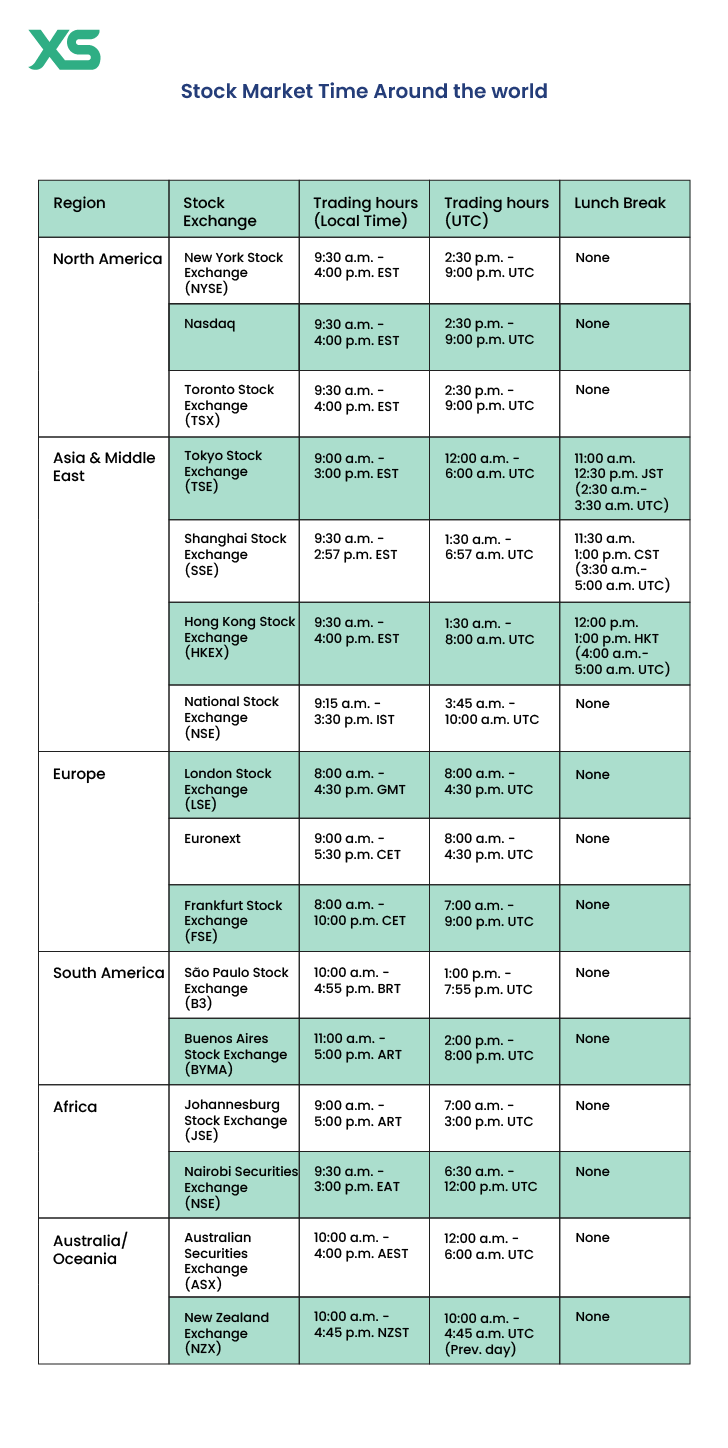
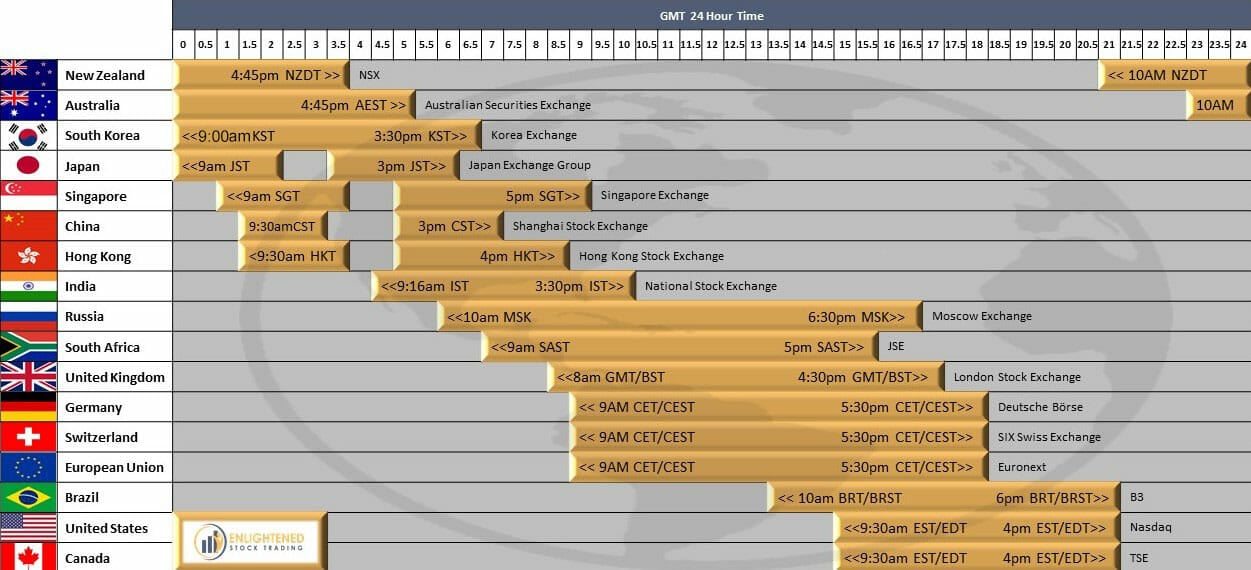
Major global exchanges operate on their respective local time zones, creating a staggered sequence of market openings and closings around the clock. Here are some prominent examples (approximate local times):
- Asian Markets:
- Tokyo Stock Exchange (TSE): 9:00 AM – 3:00 PM JST (with a lunch break)
- Shanghai Stock Exchange (SSE): 9:30 AM – 3:00 PM CST (with a lunch break)
- Hong Kong Stock Exchange (HKEX): 9:30 AM – 4:00 PM HKT (with a lunch break)
- European Markets:
- London Stock Exchange (LSE): 8:00 AM – 4:30 PM GMT
- Euronext (Paris, Amsterdam, Brussels, Lisbon): 9:00 AM – 5:30 PM CET
- Frankfurt Stock Exchange (XETRA): 9:00 AM – 5:30 PM CET
- North American Markets (excluding U.S. discussed above):
- Toronto Stock Exchange (TSX): 9:30 AM – 4:00 PM ET (aligns with NYSE/NASDAQ)
These hours often overlap, creating periods of intense global activity. For instance, European markets are typically active when Asian markets are closing and U.S. markets are preparing to open, leading to a handover of market momentum.
The 24/7 Nature of Global Finance (Forex vs. Stocks)
It’s important to distinguish between the trading hours of stock markets and other financial instruments. The foreign exchange (Forex) market, for example, operates 24 hours a day, five days a week. This continuous trading is possible because Forex is an over-the-counter (OTC) market without a central exchange, with banks and financial institutions across different time zones facilitating trades continuously.
Stock markets, by contrast, are exchange-centric, requiring a centralized venue to list shares, process orders, and ensure regulatory oversight. This fundamental structural difference is why stock markets have defined hours, while Forex and certain other derivatives markets can trade around the clock. Commodities markets also often have extended trading hours, sometimes nearly 24/7, for futures contracts.
Implications for Global Investors
For investors with diversified portfolios including international equities, or those participating in global macro strategies, understanding the global market timetable is paramount. News originating from one region can rapidly impact markets across the globe as they open sequentially. For example, a major economic announcement from China during its trading hours can influence European markets when they open, and subsequently U.S. markets.
Global investors must also consider currency exchange rates, political stability, and specific regulations of each country when trading international stocks. Brokerage firms that offer access to global markets usually provide tools and information to help navigate these varying schedules and complexities.
Strategies for Trading Around Market Hours
Understanding market hours isn’t just academic; it directly influences how effective an investor can be. Strategic planning around these times can significantly enhance trading outcomes and risk management.
Planning Your Trades
Effective trading begins with meticulous planning, and market hours are a core component of this. Before the market opens, many traders review economic calendars, company news, and pre-market indicators to anticipate potential movements. They may formulate a trading plan that includes entry and exit points, stop-loss levels, and profit targets.
Knowing when key reports are due or when corporate announcements are expected can inform whether to trade aggressively, hold positions, or step aside. For instance, trading immediately after a significant news release might offer high reward but also high risk due to volatility, while waiting for the market to digest the information during standard hours might provide a clearer, albeit potentially later, entry point.
Utilizing Technology and Trading Platforms
Modern trading platforms offer a suite of tools that help investors navigate market hours. Features like:
- Extended Hours Trading Access: Many brokers provide access to pre-market and after-hours sessions, though often with disclaimers about increased risk.
- Conditional Orders: Orders such as “good till canceled” (GTC) or “limit orders” can be placed outside standard hours to be executed when the market opens or when a specific price is met.
- Notifications and Alerts: Platforms can send alerts for market openings/closings, price movements, or news releases, keeping investors informed regardless of their time zone.
- Advanced Charting: Real-time data and charting tools help visualize price action across different timeframes, including extended hours, providing a comprehensive view of market sentiment.
These technological advancements empower investors to manage their portfolios actively and strategically around the clock, even if the primary stock exchanges themselves have finite operating hours.
Risk Management and Market Volatility
Market volatility is often concentrated around the opening and closing bells, and throughout extended trading hours due to lower liquidity. Savvy investors implement robust risk management strategies to mitigate these risks:
- Position Sizing: Adjusting the size of trades, especially during volatile periods, can help manage potential losses.
- Stop-Loss Orders: These orders automatically sell a stock if it drops to a certain price, limiting downside risk. They are particularly crucial during extended hours when rapid price changes can occur.
- Understanding Liquidity: Being aware of the lower liquidity in pre-market and after-hours sessions prevents attempts to execute large orders that might significantly move the market against one’s position.
- Monitoring News Flow: Staying updated with global news, company announcements, and economic data is critical, as these factors often drive price action outside standard trading hours.
In conclusion, while the stock market’s opening and closing hours might seem like a simple detail, they are a fundamental aspect of financial market operations. From the structured rhythm of standard trading to the dynamic, riskier environment of extended hours, understanding these timings is essential for every investor seeking to make informed decisions, manage risk effectively, and ultimately, succeed in the complex world of investing.
aViewFromTheCave is a participant in the Amazon Services LLC Associates Program, an affiliate advertising program designed to provide a means for sites to earn advertising fees by advertising and linking to Amazon.com. Amazon, the Amazon logo, AmazonSupply, and the AmazonSupply logo are trademarks of Amazon.com, Inc. or its affiliates. As an Amazon Associate we earn affiliate commissions from qualifying purchases.