
For investors, traders, and anyone engaged with the financial world, understanding the operational hours of major stock exchanges like the Nasdaq is fundamental. It dictates when trades can be executed, when market-moving news has its most immediate impact, and when strategic decisions must be made. The Nasdaq, renowned as a global electronic marketplace for trading securities, is a critical barometer for the technology sector and broader market sentiment. Its opening and closing bells are more than mere formalities; they are the rhythmic heartbeat of a dynamic financial ecosystem. This comprehensive guide delves into the specifics of Nasdaq’s trading hours, exploring standard sessions, extended hours, holiday schedules, and the strategic implications for participants.
Understanding Nasdaq’s Standard Trading Day
The core of market activity revolves around the standard trading session, a window where liquidity is highest, and most retail and institutional investors execute their primary trades. Grasping these fundamental hours is the first step in navigating the stock market effectively.
The Bell Rings: Core Trading Hours Explained
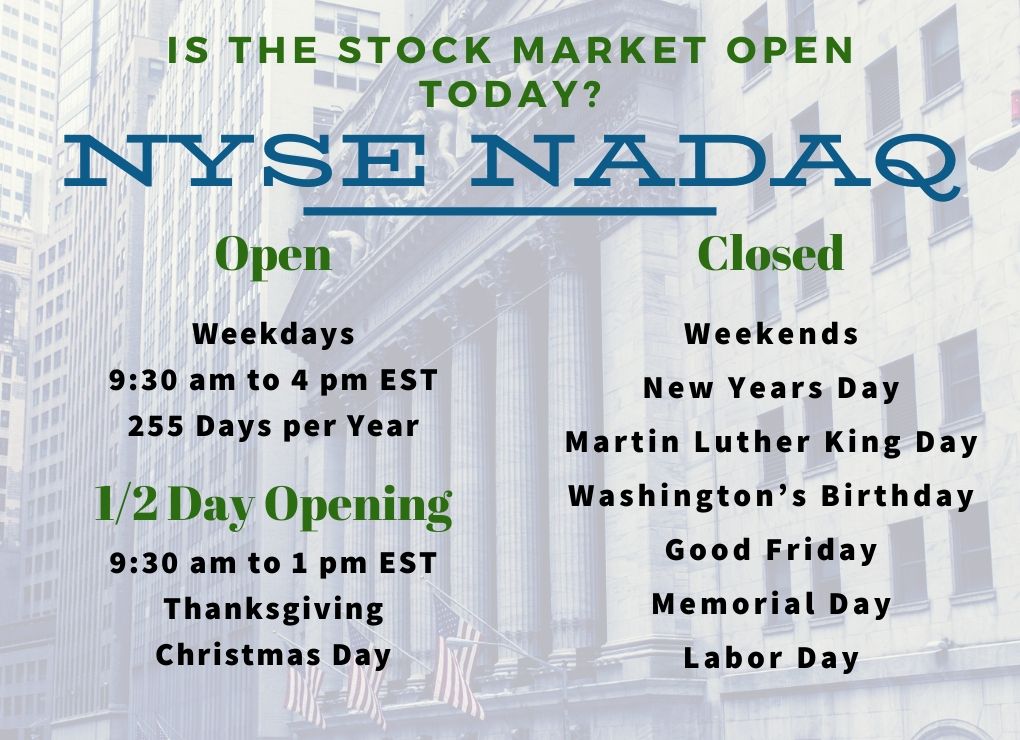
The Nasdaq stock market operates on a standard schedule from 9:30 AM to 4:00 PM Eastern Time (ET), Monday through Friday. This seven-and-a-half-hour window is often referred to as “regular trading hours” or “core market hours.” During this period, trading volume is typically at its peak, bid-ask spreads are generally tighter, and market depth is most robust. The opening bell, at 9:30 AM ET, signals the commencement of the trading day, often marked by increased volatility as overnight news and orders are processed. Similarly, the closing bell at 4:00 PM ET marks the end of the official trading day, frequently seeing another surge in activity as traders adjust positions or close out their daily operations.
These core hours are crucial because they represent the period when public participation is highest, ensuring a fair and efficient price discovery mechanism. Major news announcements, earnings reports, and economic data releases are often strategically timed to coincide with these hours or just before them to maximize their impact and allow for broad market reaction. For most individual investors, confining trading activities to these hours is advisable due to superior liquidity and reduced price volatility compared to extended sessions.
Time Zones and Their Critical Importance
One of the most frequent points of confusion for investors, especially those outside the Eastern Time Zone, is the consistent application of Eastern Time (ET) to all Nasdaq operations. Whether it’s Eastern Standard Time (EST) during the winter months or Eastern Daylight Time (EDT) during daylight saving periods, all stated market hours adhere to the New York City time zone.
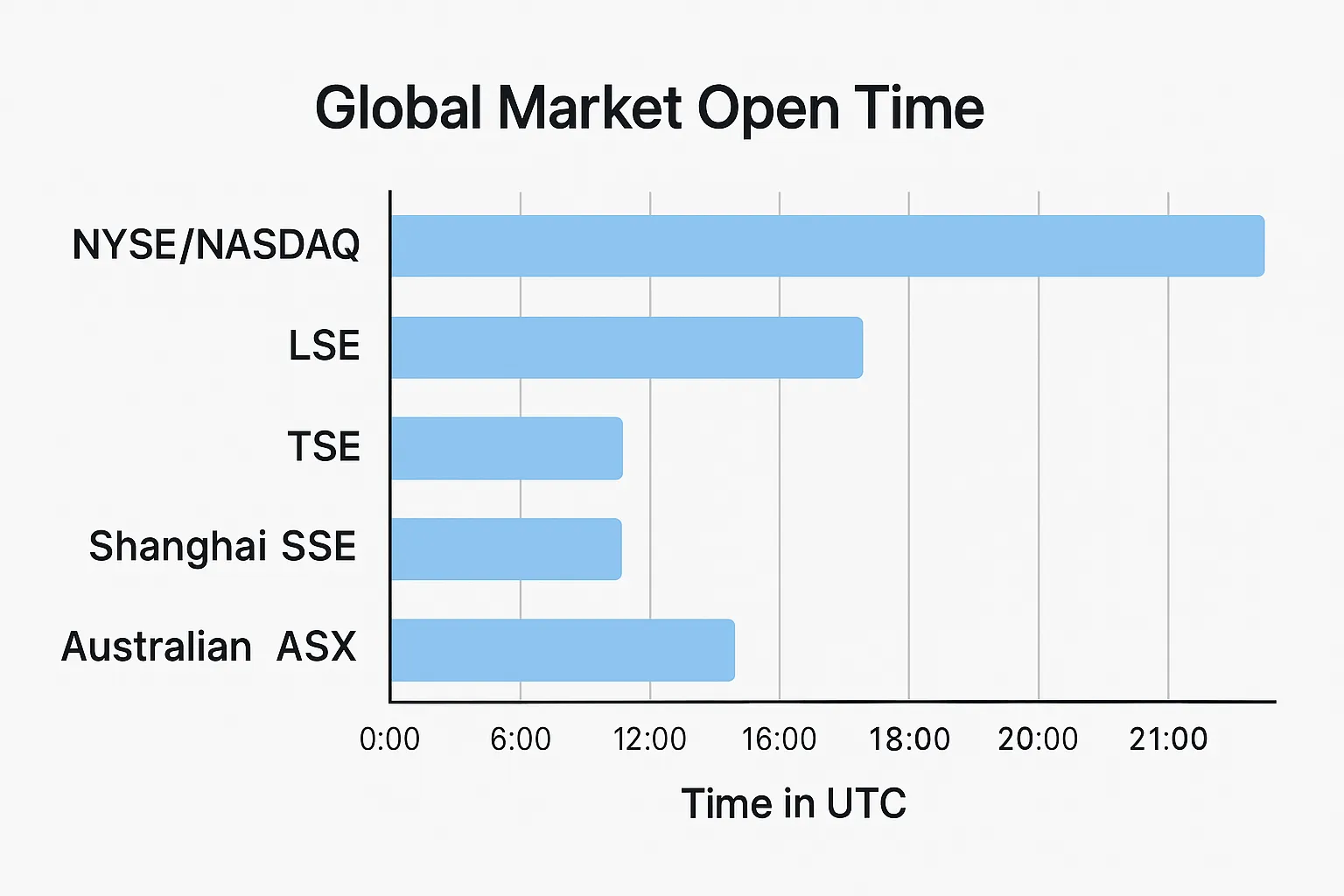
For investors in different time zones, meticulous conversion is essential. For instance, if you are on the West Coast of the United States (Pacific Time, PT), the Nasdaq opens at 6:30 AM PT and closes at 1:00 PM PT. In London (GMT/BST), the market’s opening bell rings at 2:30 PM and closes at 9:00 PM. For investors in Asia or Australia, the Nasdaq’s trading hours might fall late at night or early morning, making real-time monitoring challenging but not impossible with modern tools and strategies. Failing to account for these time zone differences can lead to missed opportunities, delayed reactions to market events, or executing trades at unintended times, which could result in unfavorable prices. Therefore, always verify your local time against Eastern Time when planning your trading or investment activities.
Beyond the Opening Bell: Pre-Market and After-Hours Trading
While the core trading session dominates headlines, a significant amount of activity occurs outside these hours through “extended-hours trading.” These sessions, facilitated by electronic communication networks (ECNs) and alternative trading systems (ATSs), offer opportunities and challenges distinct from the regular market.
Navigating Pre-Market Opportunities
Pre-market trading refers to the period before the Nasdaq officially opens. This session typically runs from 4:00 AM ET to 9:30 AM ET. During these early hours, investors can place buy and sell orders, often reacting to overnight news, international market movements, or pre-market earnings announcements. Activity here can sometimes foreshadow the sentiment for the upcoming regular trading session.
However, pre-market trading is characterized by significantly lower trading volume and liquidity compared to standard hours. This reduced liquidity can lead to wider bid-ask spreads, meaning the difference between the highest price a buyer is willing to pay and the lowest price a seller is willing to accept is greater. Consequently, price volatility can be higher, and it may be more challenging to execute large orders without significantly impacting the stock price. For informed traders, this can present opportunities to capitalize on early news; for less experienced investors, it carries elevated risks of unfavorable execution prices.
Unpacking After-Hours Trading Dynamics
Following the 4:00 PM ET closing bell, after-hours trading commences, typically running from 4:00 PM ET to 8:00 PM ET. Similar to pre-market, this session allows investors to trade outside of regular market hours. After-hours activity is often driven by corporate earnings reports released post-market close, breaking news, or reactions to analyst upgrades/downgrades that come out after the standard session.
Like pre-market, after-hours trading exhibits lower liquidity and wider spreads. Institutional investors and active traders frequently participate in these sessions to adjust portfolios rapidly in response to fresh information. While it offers flexibility, the same risks of volatility and challenging execution apply. Investors need to exercise caution and understand that the prices seen in after-hours trading may not always reflect the opening prices of the next regular trading session, especially if more substantial news or market sentiment shifts overnight.
The Rationale Behind Extended Trading Sessions
The advent of electronic trading platforms revolutionized market access, leading directly to the proliferation of extended trading hours. The primary rationale behind these sessions is to provide investors with greater flexibility and responsiveness to global events and corporate news. In an increasingly interconnected world, financial markets never truly sleep. News from Asia or Europe, or a company’s earnings report released after 4:00 PM ET, can have an immediate impact that investors need to address without waiting until the next morning’s opening bell.
For institutional investors, extended hours allow for risk management and portfolio adjustments around the clock. For retail investors, while offering convenience, it also demands heightened awareness of the inherent risks. These sessions allow the market to digest information continuously, smoothing out potential price shocks that might occur if all reactions were forced into the standard seven-and-a-half-hour window.
When the Market Rests: Weekends, Holidays, and Early Closures
While the Nasdaq offers extended hours, there are definitive periods when the market is entirely closed, allowing participants to reset and for the system to undergo maintenance. These closures are critical for investors to note.
Scheduled Closures: A Calendar for Investors
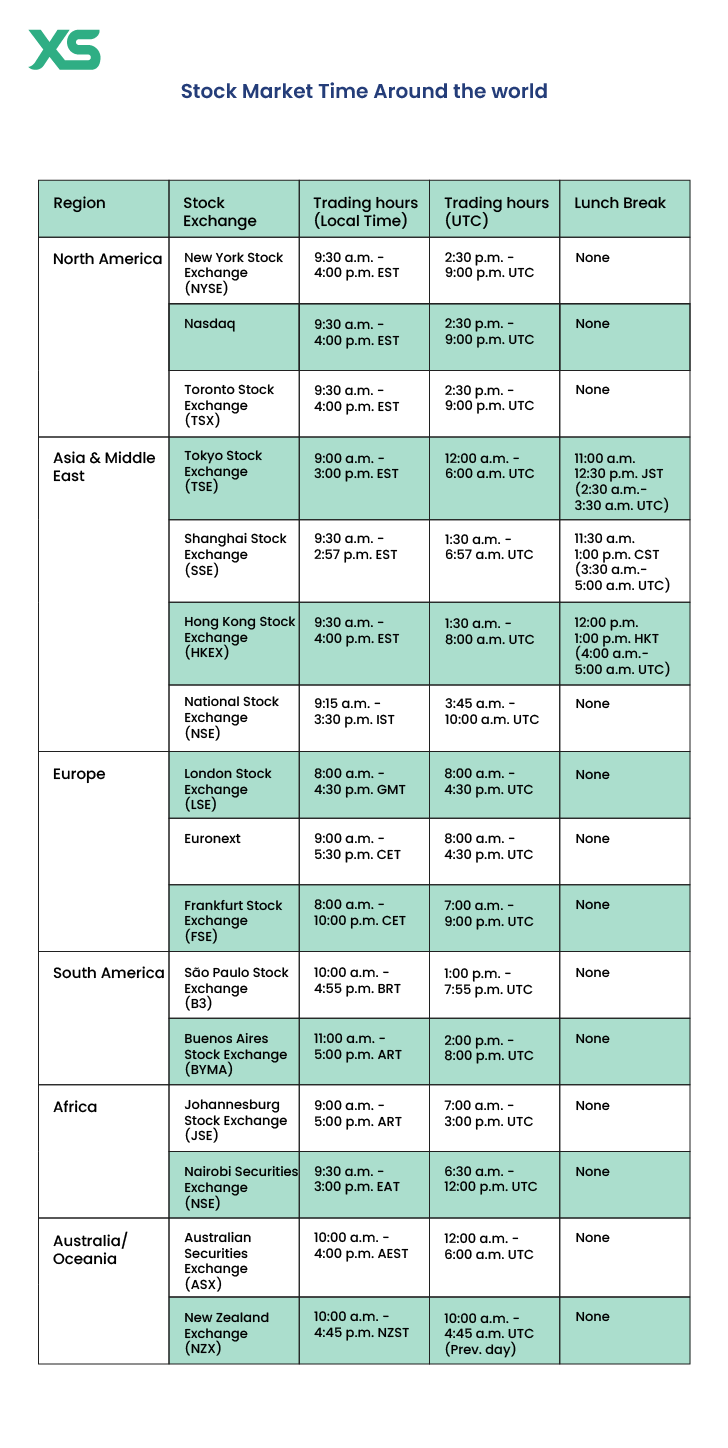
The Nasdaq, like other major U.S. stock exchanges, observes a number of federal holidays. On these days, the market is completely closed for all trading sessions – regular, pre-market, and after-hours. Common holidays include:
- New Year’s Day
- Martin Luther King, Jr. Day
- Presidents’ Day
- Good Friday
- Memorial Day
- Juneteenth National Independence Day
- Independence Day
- Labor Day
- Thanksgiving Day
- Christmas Day
It’s important to note that if a holiday falls on a Saturday, the market may close on the preceding Friday. If it falls on a Sunday, the market may close on the following Monday. Additionally, some holidays, like the day after Thanksgiving (Black Friday) or Christmas Eve (if it falls on a weekday), may see early market closures, typically at 1:00 PM ET. The Nasdaq publishes an annual calendar of market holidays and early closures, which investors should consult diligently to avoid surprises.
Impact of Unscheduled Disruptions
While rare, markets can also experience unscheduled disruptions. These might include extreme weather events (e.g., severe snowstorms in New York City), power outages, or major national crises. In such scenarios, exchanges may delay opening, close early, or suspend trading entirely to ensure the safety of personnel and the integrity of the market. During such extraordinary events, investors should rely on official announcements from Nasdaq, the Securities and Exchange Commission (SEC), or reputable financial news outlets for guidance. While such events are infrequent, they underscore the importance of staying informed beyond just the standard calendar.
Strategic Implications for Investors and Traders
Understanding Nasdaq’s various operating hours is not merely a matter of knowing when to trade; it profoundly impacts investment strategies, risk management, and information processing.
Adapting Trading Strategies to Market Hours
Different trading strategies are often best suited for specific market hours. Day traders thrive during the regular session when volatility and liquidity are high, allowing for rapid entries and exits. Scalpers, too, benefit from tight spreads and high volume. Swing traders, who hold positions for several days or weeks, might use extended hours to adjust positions based on late-breaking news, but their primary entry and exit points are often within core hours. Long-term investors, who buy and hold for years, are less concerned with minute-to-minute fluctuations but still need to be aware of trading hours for initial purchases, rebalancing, or selling during critical life events.
Those participating in extended hours must adapt their strategies to the lower liquidity and wider spreads. This might mean using limit orders instead of market orders to ensure desired execution prices, accepting smaller position sizes, or focusing only on highly liquid stocks that still maintain some depth outside core hours.
Managing Volatility and Liquidity Risks
The primary risks associated with extended-hours trading are heightened volatility and reduced liquidity. In pre-market and after-hours sessions, even a single large order can significantly move a stock’s price due to fewer participants. This can lead to exaggerated price swings that may not hold once the regular market opens. Furthermore, with fewer buyers and sellers, it can be challenging to enter or exit a position at a desired price, or even at all, particularly for less popular stocks.
Investors must understand that the “last traded price” in after-hours might be a poor indicator of the next day’s opening price. A company might release positive earnings after hours, pushing its stock up 10%, only for the broader market sentiment or a competing news item to cause a decline by the next morning’s open. Diligent risk management, including the use of stop-loss orders (though these can be problematic in low-liquidity environments) and careful position sizing, is paramount for anyone venturing into extended sessions.
Leveraging News and Earnings Releases Across Sessions
Corporate earnings reports and major news announcements are often strategically released outside of standard trading hours. Companies may choose to release earnings after the market closes (post-market) or before it opens (pre-market) to give investors and analysts time to digest the information before the next trading day. This timing allows for a more considered reaction rather than a knee-jerk one during frantic regular hours.
Savvy investors leverage this knowledge by monitoring these releases and understanding how they might impact trading in the subsequent session. For instance, strong earnings released after-hours might indicate a stock will gap up at the next day’s open. However, interpreting these events requires careful analysis, as market reactions can be complex and influenced by numerous factors. Trading solely on extended-hours news without considering broader market context can be risky.
The Future of Market Access: Towards 24/7 Trading?
The evolution of financial markets is relentless, driven by technology and global demand. The concept of a fully continuous trading environment is no longer a distant fantasy but a subject of active discussion and development.
The Push for Extended Trading
There is a growing global trend and increasing demand, particularly from retail investors, for even further extended or entirely 24/7 trading capabilities. This push is fueled by several factors: the global nature of modern finance, the rise of cryptocurrency markets that operate around the clock, and the desire for investors in different time zones to trade during their local business hours without significant time lags. The “always-on” nature of technology and information means investors want the ability to react instantly to any event, anytime.
Technological Enablers and Regulatory Hurdles
Technologically, the infrastructure for 24/7 trading largely exists. Electronic trading systems can theoretically operate continuously. However, significant regulatory hurdles remain. Securities regulators worldwide would need to address issues such as market surveillance, circuit breaker mechanisms, settlement processes, and investor protection in a continuous environment. The human element also plays a role, with exchange staff, brokers, and analysts needing to adapt to a non-stop schedule, or completely automated systems taking over.
What Continuous Trading Could Mean for the Investor
A shift towards 24/7 trading would fundamentally alter the investment landscape. It would mean constant price discovery, potentially reducing the dramatic “gaps” at market open or close that characterize current sessions. Volatility might be spread more evenly, but liquidity could still vary significantly depending on the time of day. For investors, it would demand an even more vigilant approach to monitoring portfolios and news, potentially blurring the lines between work and personal life. While offering unprecedented flexibility, it would also introduce new challenges for managing stress, avoiding over-trading, and making informed decisions in a perpetually moving market.
In conclusion, understanding when the Nasdaq stock market opens and operates is more than a trivial detail; it’s a cornerstone of effective financial participation. From the fixed rhythm of the standard session to the dynamic fluidity of extended hours and the solemn pauses of holidays, each aspect carries distinct implications for risk, opportunity, and strategy. As markets continue to evolve, staying informed about these operational nuances will remain paramount for any serious investor or trader.
aViewFromTheCave is a participant in the Amazon Services LLC Associates Program, an affiliate advertising program designed to provide a means for sites to earn advertising fees by advertising and linking to Amazon.com. Amazon, the Amazon logo, AmazonSupply, and the AmazonSupply logo are trademarks of Amazon.com, Inc. or its affiliates. As an Amazon Associate we earn affiliate commissions from qualifying purchases.