
For any investor, whether a seasoned institutional trader or a retail newcomer, the rhythm of the New York Stock Exchange (NYSE) dictates the pulse of the financial world. Understanding “when does the NYSE close” is not merely a question of looking at a clock; it is about understanding the windows of liquidity, the mechanics of price discovery, and the strategic timing required to manage a modern portfolio. As the world’s largest equities-based exchange by market capitalization, the NYSE’s operating hours are the cornerstone of global finance.
In this comprehensive guide, we will explore the standard operating hours, the nuances of extended-hours trading, the holiday schedule that pauses the market, and the strategic implications of the closing bell for your personal finance goals.
Standard Operating Hours: The Core of the NYSE
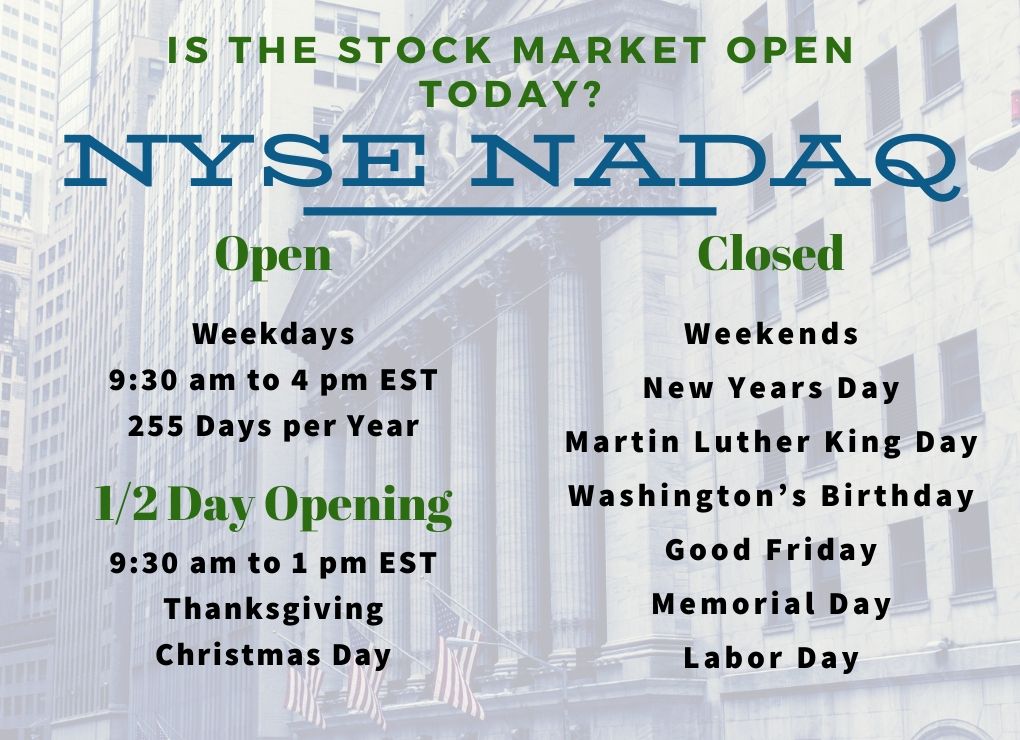
The New York Stock Exchange operates on a strict schedule designed to concentrate liquidity and ensure fair price discovery. For the vast majority of investors, the “regular trading session” is the only time they will interact with the market.
The Opening Bell: 9:30 AM ET
The trading day begins officially at 9:30 AM Eastern Time. While the physical ringing of the bell is a celebrated tradition, the behind-the-scenes mechanics are purely digital and highly complex. At the opening, the exchange conducts an opening auction to determine the starting price for each security based on orders that have accumulated overnight. This period is often characterized by high volatility as the market reacts to news that broke after the previous day’s close or during the early morning hours.
The Closing Bell: 4:00 PM ET
The answer to the central question—”when does the NYSE close”—is 4:00 PM Eastern Time. From Monday through Friday, the NYSE concludes its regular session at this hour. The closing bell is more than just a signal that the workday is over; it marks the finality of the day’s “official” price. For mutual funds, ETFs, and many retirement accounts, the 4:00 PM closing price is the benchmark used to calculate the Net Asset Value (NAV) for that day.
The Significance of the “Core” Session
For those focused on long-term investing and wealth preservation, the 9:30 AM to 4:00 PM window is the safest time to trade. This is when “liquidity”—the ease with which you can buy or sell a stock without significantly moving its price—is at its peak. During these hours, the “spread” (the difference between the buy price and the sell price) is usually at its narrowest, ensuring that you get the most efficient execution for your trades.
Beyond the Bell: Extended Hours and After-Market Trading
While the physical floor may quiet down after 4:00 PM, the digital marketplace never truly sleeps. Modern technology has allowed for extended trading sessions that occur both before the opening bell and after the closing bell.
Pre-Market Sessions
The NYSE Arca, the exchange’s fully electronic platform, allows for pre-market trading beginning as early as 4:00 AM ET. However, most retail brokerage platforms do not open their doors to individual investors until 7:00 AM or 8:00 AM ET. This session is largely the domain of institutional investors and those reacting to international economic news or early-morning corporate earnings reports.
After-Hours Trading: 4:00 PM to 8:00 PM ET
The after-hours session begins immediately at 4:00 PM ET and can run until 8:00 PM ET. This is a critical time for the “Money” sector, as most public companies release their quarterly earnings reports shortly after the 4:00 PM close. This avoids causing massive price swings during the regular session and gives investors time to digest the data. If a company reports better-than-expected profits at 4:05 PM, you may see the stock price jump significantly in the after-hours market long before the next day’s opening bell.
Risks and Rewards of Extended Trading
While trading after the NYSE closes offers the advantage of reacting to news immediately, it comes with substantial risks:
- Lower Liquidity: Fewer people are trading, which means it may be harder to find a buyer or seller for your shares.
- Wider Spreads: Because there is less volume, the difference between the bid and ask price can be much larger, potentially costing you more money.
- High Volatility: Small trades can cause large swings in price, which might not reflect where the stock will actually trade when the regular market opens the next morning.
When the Exchange Takes a Break: Holidays and Early Closures
In the world of finance, time is money, but even the NYSE requires scheduled breaks. Knowing when the market is closed for holidays is essential for managing margin requirements and avoiding “dead” days where your capital is locked and inaccessible.
Official NYSE Holiday Calendar
The NYSE generally follows the U.S. federal holiday schedule, with a few notable exceptions. The exchange is closed on the following days:
- New Year’s Day
- Martin Luther King, Jr. Day
- Presidents’ Day
- Good Friday (Note: This is not a federal holiday, but the NYSE remains closed).
- Memorial Day
- Juneteenth National Independence Day
- Independence Day (July 4th)
- Labor Day
- Thanksgiving Day
- Christmas Day
If a holiday falls on a Saturday, the market usually closes on the preceding Friday. If it falls on a Sunday, the market closes on the following Monday.
Early Closing Days (1:00 PM ET)
There are specific days throughout the year when the NYSE closes early to allow market participants to celebrate holidays. Typically, the NYSE will close at 1:00 PM ET on:
- The day before Independence Day (July 3rd), provided it falls on a weekday.
- The day after Thanksgiving (Black Friday).
- Christmas Eve (December 24th).
For investors, these “half-days” often see significantly lower trading volume. Many professional traders take these days off, which can lead to “choppy” price action. It is often advised to avoid making major portfolio shifts during these shortened sessions.
Why Timing Matters for Personal Finance and Strategy
Understanding the clock is not just about knowing when to log into your brokerage app; it is about understanding the psychology of the market. The time of day you choose to execute a trade can have a measurable impact on your investment returns.
Liquidity and Volatility at the Close
The final hour of trading, often referred to as the “Power Hour” (3:00 PM to 4:00 PM ET), is frequently the most active part of the day. This is when institutional investors rebalance their portfolios and day traders close out their positions to avoid “overnight risk.” For a personal finance enthusiast, this means that if you need to sell a large position, the 4:00 PM close offers the most liquidity to absorb your trade.
The “Closing Auction” Phenomenon
In the minutes leading up to 4:00 PM, the NYSE conducts a closing auction. This process aggregates all the “Market-on-Close” (MOC) and “Limit-on-Close” (LOC) orders. The goal is to find the single price at which the maximum number of shares can be traded. This “Closing Print” is considered the most accurate valuation of a company for that day. Many passive index funds are programmed to trade exclusively at this closing price to minimize their “tracking error” against the indices they follow.
The “Weekend Effect”
The Friday 4:00 PM close is particularly significant. Because the market will be closed for at least 64 hours (Friday night to Monday morning), investors often adjust their risk exposure. If there is geopolitical tension or an upcoming economic announcement, the “Friday Close” might see a sell-off as investors prefer to hold cash rather than stocks over the weekend.
Global Considerations and Modern Market Dynamics
While the NYSE is based in New York City, it is a global entity. Its closing time ripples through every other financial market in the world.
Time Zone Management for International Investors
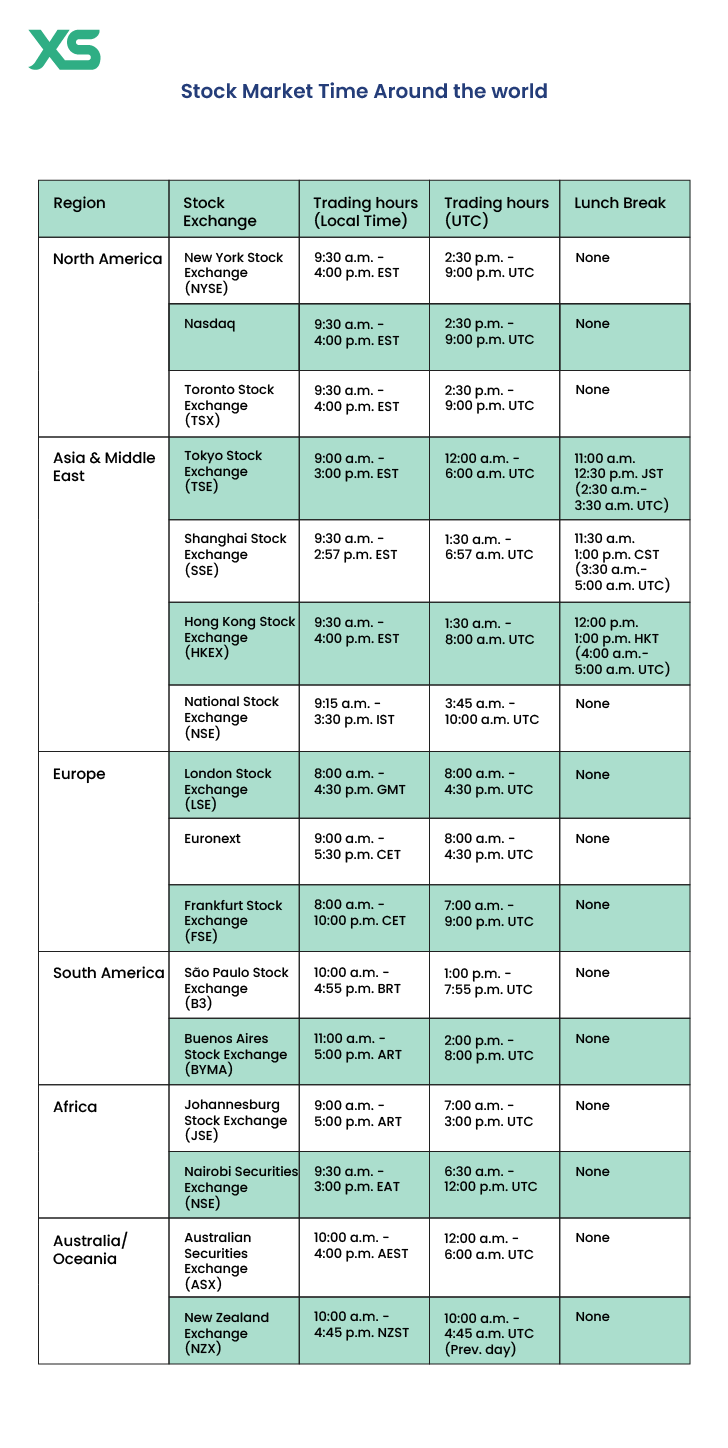
For investors based in London, the NYSE closes at 9:00 PM GMT. For those in Tokyo, the close happens at 6:00 AM the following morning. This creates a relay race of capital. As the NYSE closes, it sets the tone for the opening of the Asian markets. If the NYSE closes down 2% on heavy volume, it is highly likely that the Nikkei or the Hang Seng will open lower in response.
The Impact of Electronic Communication Networks (ECNs)
The rise of ECNs has blurred the lines of the 4:00 PM close. While the NYSE “Floor” closes, trading continues on various alternative platforms. However, for the average person managing a 401(k) or an IRA, these digital shadows are less important than the regulated, transparent hours of the core session. The stability of the NYSE’s scheduled hours provides a necessary structure in an era of 24/7 digital assets like cryptocurrency.

Conclusion: Respecting the Clock
In the realm of money and investing, discipline is the greatest asset. Knowing exactly when the NYSE closes—and what happens during those final minutes—allows you to trade with intention rather than reacting to the chaos. Whether you are aiming for long-term growth or seeking to capitalize on short-term movements, the 4:00 PM ET closing bell remains the most important milestone in the financial day. By aligning your strategy with the market’s natural rhythm, you ensure that you are trading at the peak of efficiency, protecting your capital, and building wealth with the precision of a professional.
aViewFromTheCave is a participant in the Amazon Services LLC Associates Program, an affiliate advertising program designed to provide a means for sites to earn advertising fees by advertising and linking to Amazon.com. Amazon, the Amazon logo, AmazonSupply, and the AmazonSupply logo are trademarks of Amazon.com, Inc. or its affiliates. As an Amazon Associate we earn affiliate commissions from qualifying purchases.