
For investors, traders, and financial enthusiasts, the New York Stock Exchange (NYSE) represents the heartbeat of global capitalism. As the largest stock exchange in the world by market capitalization, its operating hours dictate the flow of billions of dollars daily. Understanding exactly when the NYSE closes—and what happens during those final minutes of the trading day—is essential for anyone looking to navigate the complexities of the financial markets with precision and strategy.
While the standard answer is 4:00 PM Eastern Time (ET), the reality of the market’s operating schedule is more nuanced, involving extended sessions, holiday adjustments, and critical closing auctions that can make or break a portfolio’s performance.

Understanding Regular Trading Hours on the New York Stock Exchange
The NYSE operates on a strictly regulated schedule that facilitates transparency and liquidity for the thousands of listed companies it hosts. For the vast majority of retail investors, the “regular” trading session is the primary window for executing buy and sell orders.
The Core Session: 9:30 AM to 4:00 PM ET
The regular trading day begins at 9:30 AM ET and concludes promptly at 4:00 PM ET. This six-and-a-half-hour window is when the highest volume of trading occurs. During these hours, market makers and automated systems work in tandem to ensure that bid and ask prices are tightly aligned, providing the liquidity necessary for efficient transactions.
The stability of these hours is a cornerstone of the American financial system. Unlike some international markets that may have mid-day “siesta” breaks, the NYSE trades continuously through the lunch hour. This ensures that news breaking at noon is immediately reflected in stock prices, allowing for a more dynamic and responsive marketplace.
The Closing Bell Ceremony: More Than Just a Tradition
At exactly 4:00 PM ET, the iconic brass bell rings on the floor of the NYSE, signaling the end of the regular session. While many view the closing bell as a ceremonial event often featuring CEOs or celebrities, it serves a critical functional purpose. The bell marks the moment when the “Closing Auction” begins to finalize.
The Closing Auction is perhaps the most important minute of the entire trading day. It is a process designed to consolidate all remaining interest in a stock into a single, definitive closing price. Institutional investors, index funds, and exchange-traded funds (ETFs) rely on this closing price to value their holdings and execute massive “Market-on-Close” (MOC) orders. This ensures that the final price reflects the true collective sentiment of the market participants at the end of the day.
Beyond the Bell: Extended Trading Sessions
The 4:00 PM close does not mean that the electronic systems stop working. In the modern era of digitized finance, trading occurs well beyond the constraints of the traditional work day. These periods are known as extended-hours trading.
Pre-Market Trading: Preparing for the Opening
Long before the opening bell rings at 9:30 AM, the market is already in motion. Pre-market trading for the NYSE typically begins as early as 4:00 AM ET, though the most significant activity starts around 8:00 AM ET.
Investors use this time to react to overnight news, international market movements, or early-morning economic reports, such as the monthly Jobs Report or Consumer Price Index (CPI) data. Because fewer people are trading during these hours, the “spread”—the difference between the buying and selling price—is often much wider, making it a riskier environment for the average retail investor.
After-Hours Trading: Risk and Reward in the Evening
Once the 4:00 PM closing bell rings, the “After-Hours” session begins, running until 8:00 PM ET. This session is particularly volatile during “Earnings Season.” When major corporations like Apple, Microsoft, or Amazon release their quarterly financial results after the market closes, their stock prices can swing wildly in a matter of seconds.
While after-hours trading offers the opportunity to get ahead of the next day’s trends, it comes with significant caveats. The lack of liquidity means that a relatively small order can move a stock price significantly. Most professional advisors recommend that retail investors use “limit orders” during these times to avoid being caught in a price spike or dip that doesn’t reflect the stock’s actual value.
The NYSE Holiday Schedule and Early Closures
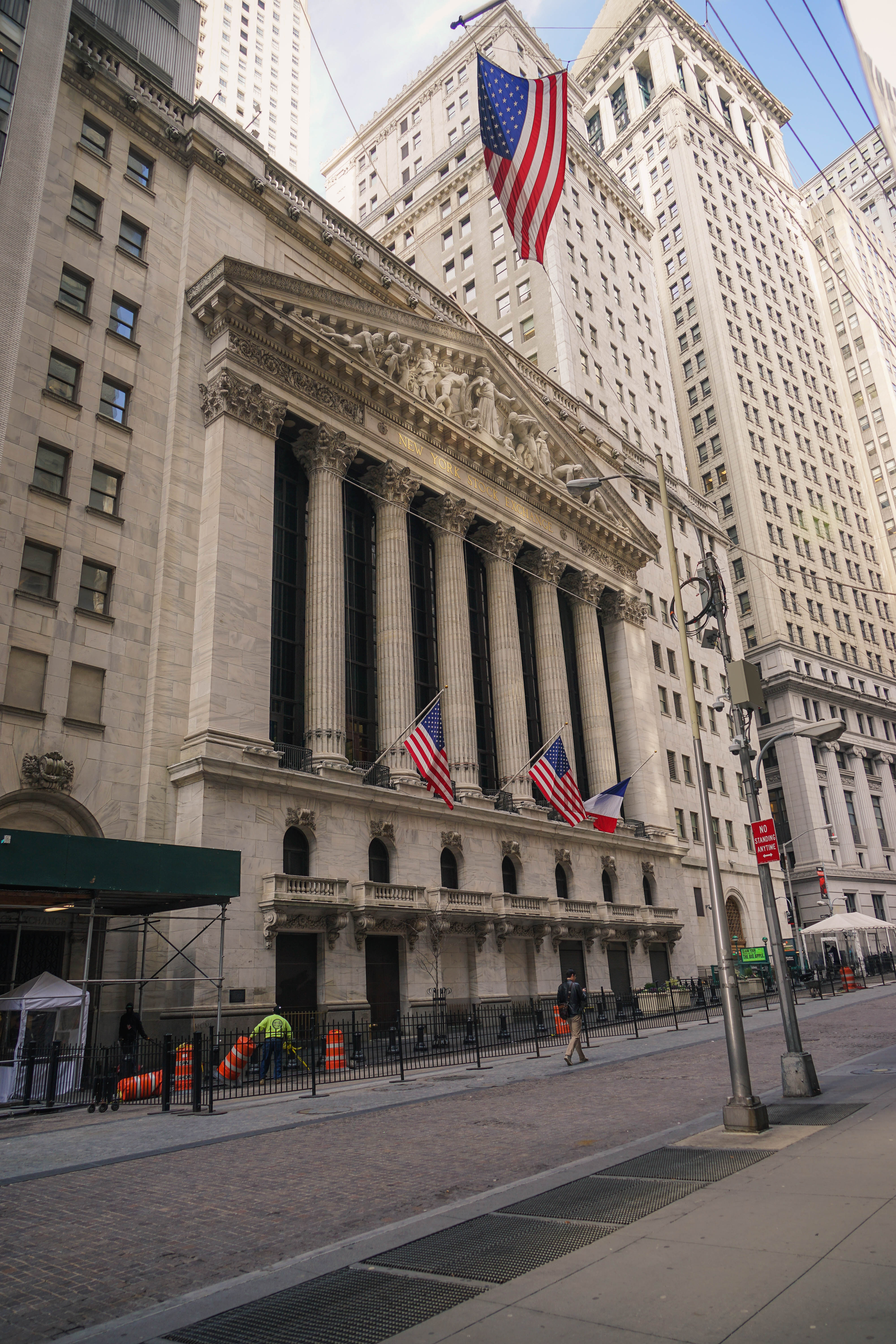
The NYSE does not operate every day. It follows a specific calendar of federal holidays and observes special “early close” days that every investor should mark on their calendar to avoid being caught off guard by a lack of market access.
Observed Holidays in the Financial Calendar
The NYSE is closed on the following major holidays. If a holiday falls on a Saturday, the exchange typically closes on the preceding Friday. If it falls on a Sunday, the exchange closes on the following Monday.
-
New Year’s Day (January 1)
-
Martin Luther King, Jr. Day (Third Monday in January)
-
Washington’s Birthday (Third Monday in February)
-
Good Friday (Friday before Easter)
-
Memorial Day (Last Monday in May)
-
Juneteenth National Independence Day (June 19)
-
Independence Day (July 4)
-
Labor Day (First Monday in September)
-
Thanksgiving Day (Fourth Thursday in November)
-
Christmas Day (December 25)
Knowing these dates is crucial for managing margin requirements and ensuring that any time-sensitive trades are executed before a long weekend.
Early Close Days: Black Friday and Christmas Eve
In addition to full-day closures, the NYSE frequently observes early closing times. On the Friday after Thanksgiving (Black Friday) and sometimes on Christmas Eve (depending on what day of the week it falls), the market closes at 1:00 PM ET.
These half-days often see significantly lower trading volume as many professionals take time off. Lower volume can lead to “choppy” price action, where stocks move unpredictably without a clear trend. For this reason, many seasoned traders choose to stay on the sidelines during early close sessions.
Why Timing Matters: Strategic Considerations for Investors
Knowing when the market closes is one thing; understanding why the timing of your trades matters is what separates successful investors from the rest. The final hour of trading, often referred to as the “Power Hour,” is one of the most strategically significant periods of the day.
Liquidity and Volatility at the Close
The last 60 minutes of the trading day (3:00 PM to 4:00 PM ET) typically see a massive surge in volume. This is when institutional managers rebalance their portfolios to ensure they are aligned with their target allocations before the day ends.
For a retail investor, the close offers the highest liquidity, meaning you can buy or sell large amounts of a stock with minimal impact on its price. Conversely, if you try to sell a stock at 3:55 PM, you are entering the market at its most competitive moment. Many traders watch the “closing cross” data to see if there is an imbalance of buy or sell orders, which can provide a hint about where the stock might open the following morning.
The Impact of Global Markets on NYSE Timing
The closing time of the NYSE also acts as a bridge to the Asian markets. As New York winds down, Tokyo and Hong Kong are preparing to open. The closing prices in New York often set the “tone” for the global trading day. If the NYSE closes on a sharp downward trend, it often triggers a “sell-off” in international markets, creating a domino effect that can lead to a gap-down at the New York open the following morning.
Investors who understand this global relay race use the NYSE close as a signal to hedge their positions or adjust their exposure to international ETFs.
Tools and Platforms for Monitoring Market Hours
In today’s digital landscape, you don’t need to be on Wall Street to know exactly what’s happening with the clock. Various financial tools and platforms provide real-time countdowns and alerts for the market close.
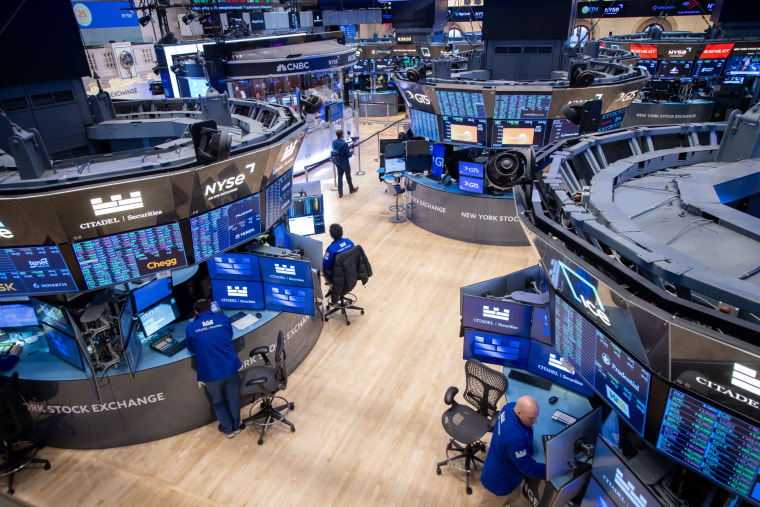
Leveraging Real-Time Data for Smart Exits
Most modern brokerage apps provide a “Market Status” indicator, showing whether the exchange is in regular, pre-market, or after-hours sessions. For those who trade frequently, setting alerts for 3:30 PM ET—the start of the “final countdown”—can be a vital habit. This gives you 30 minutes to review your positions, check for any unexecuted limit orders, and decide if you want to hold your assets overnight.
Furthermore, specialized financial news terminals provide “Closing Auction Imbalance” data. This data shows whether there are more buy orders or sell orders queued up for the 4:00 PM close. While this was once information reserved for elite floor traders, many high-end consumer platforms now offer this insight, allowing retail investors to see the “hidden” forces shaping the final price of the day.
The New York Stock Exchange is more than just a building; it is a time-bound engine of wealth creation. By mastering the schedule—from the early morning pre-market whispers to the definitive clang of the 4:00 PM bell—investors gain a level of control over their financial destiny that only comes with understanding the rhythm of the markets. Whether you are a long-term saver or a daily trader, the closing bell is your most important daily deadline.
aViewFromTheCave is a participant in the Amazon Services LLC Associates Program, an affiliate advertising program designed to provide a means for sites to earn advertising fees by advertising and linking to Amazon.com. Amazon, the Amazon logo, AmazonSupply, and the AmazonSupply logo are trademarks of Amazon.com, Inc. or its affiliates. As an Amazon Associate we earn affiliate commissions from qualifying purchases.