
Amazon Prime has evolved from a simple shipping membership into a complex, multi-tiered digital ecosystem. For the modern user, the question “how long is Amazon Prime” is rarely about a single number. Instead, it encompasses a variety of technical windows, subscription durations, digital rights management (DRM) timelines, and the lifecycle of software support. Understanding these timelines is essential for maximizing the utility of the service and navigating the technical nuances of the Amazon infrastructure.
The Mechanics of the Amazon Prime Trial and Subscription Windows
The foundation of the Prime experience is its subscription model, which is governed by specific temporal rules and automated billing logic. Whether a user is interacting with the service via the web portal or the mobile application, the backend architecture dictates exactly how long access remains active.

The Standard 30-Day Evaluation Period
For the vast majority of new users, the entry point into the ecosystem is the 30-day free trial. From a technical standpoint, this window is calculated to the second from the moment the “Start Trial” button is triggered. During this period, the user is granted full API access to Prime-exclusive features, including the Prime Video library, Prime Music, and the expedited shipping logistics network.
It is important to note that the 30-day window is a hard limit programmed into Amazon’s customer relationship management (CRM) software. If the trial is canceled on day 29, the system typically allows access to continue until the end of the 30th day. However, if the trial is not manually terminated, the billing engine automatically transitions the account status from “Trial” to “Paid Membership,” triggering a pre-authorized charge to the linked payment method.
Prime Student and Extended Educational Access
One of the longest-running “trial” iterations in the tech world is Prime Student. Designed as a long-term user acquisition strategy, this version of the service extends the initial evaluation period to six months. This 180-day window is unique in the software-as-a-service (SaaS) industry.
To maintain this extended duration, the system requires verification via a .edu email address or documentation of enrollment. Once the six-month period concludes, the account does not revert to the standard consumer price but instead transitions into a discounted four-year cycle—or until the user’s graduation date is reached, whichever comes first. This technical logic ensures that the “Student” status is a finite attribute in the user’s database profile.
Managing Recurring Billing and Technical Grace Periods
Amazon Prime operates on two primary billing cycles: monthly and annual. The monthly cycle is a 30-day recurring loop, while the annual cycle covers 365 days (or 366 in leap years). From a software perspective, the “how long” of a subscription is also affected by the “Grace Period” logic.
If a payment fails—perhaps due to an expired credit card—the Amazon billing system does not immediately revoke access. Instead, it initiates a series of automated retry attempts over several days. During this interval, the “Prime” flag remains active on the user’s account, allowing for uninterrupted service. This technical buffer prevents a poor user experience caused by minor financial synchronization issues.
Digital Content Lifespans: Expiration and DRM in Prime Video and Music
Moving beyond the subscription itself, the concept of “how long” applies heavily to the digital assets provided through the Prime app. Digital Rights Management (DRM) governs the shelf life of every movie, song, and book accessed through the platform.
Rental Durations and the 48-Hour Viewing Window
When users step outside the “included with Prime” catalog to rent a title via the Prime Video interface, they encounter two distinct timers. The first is the “Library Window,” which typically lasts for 30 days. This is the amount of time the user has to initiate the first playback of the content.
Once the “Play” button is pressed, the second timer—the “Viewing Window”—begins. This window is almost universally set to 48 hours. This is managed through a digital token system; once the token is activated by the initial stream, it is programmed to expire exactly 1,728,000 seconds later. Even if the movie is halfway finished, once the 48-hour mark is hit, the DRM server revokes the decryption key, and the content becomes inaccessible without a new transaction.
Offline Viewing and Download Expiry Protocols
For users who leverage the Prime Video or Prime Music apps for offline consumption, the “how long” question becomes a matter of local storage and periodic server check-ins. When a video is downloaded to a mobile device, it is not stored as a standard MP4 file; it is an encrypted chunk of data that requires a valid license to play.
Generally, a downloaded video stays on a device for 30 days. However, if the device remains offline (disconnected from Amazon’s servers) for more than 48 hours, the app may temporarily lock the content. The software requires a “handshake” with the server to verify that the Prime subscription is still active. This is a security measure designed to prevent users from subscribing for one month, downloading a terabyte of content, and then canceling while keeping the media indefinitely.
Digital Ownership vs. Licensing Longevity
A critical tech-centric distinction is the difference between content “included with Prime” and content “Purchased” through the Amazon storefront. Content included with the membership lasts only as long as the subscription is active. If the membership lapses, access to the “Watch Now” button for Prime-labeled content is immediately disabled across all apps.
In contrast, “Purchased” content is technically “Buy-to-Own” (BTO), but in the world of digital software, this means a perpetual license. This license lasts for as long as Amazon maintains the rights to distribute that content and as long as the user’s account remains in good standing. While rare, there have been technical instances where licensing agreements between Amazon and studios expire, resulting in the removal of content from the platform entirely, highlighting that in the digital age, “forever” is often defined by the lifespan of the platform’s hosting agreements.
Software Evolution and Legacy Device Support
When considering the longevity of Amazon Prime, one must also look at the technical support lifecycle of the applications themselves. A Prime subscription is only useful if the hardware can run the necessary software.
How Long Does Amazon Support Older Hardware?
Technology moves fast, and the Amazon Prime Video app is constantly updated to support 4K HDR, Dolby Atmos, and new interactive features. This creates a technical “sunset” for older devices. For example, older smart TVs (models from 2012-2015) and legacy set-top boxes eventually lose their Prime Video app support.
Amazon typically provides a technical roadmap for device deprecation. When the underlying OS of a device (such as an old version of Android or a proprietary TV manufacturer’s OS) can no longer support the encryption standards required for modern DRM, the app will cease to function. Users are usually given a several-month notification window before the service is terminated on their specific hardware.
The Lifecycle of Prime App Updates and API Integration
The Prime ecosystem is not a static piece of software. It is a collection of APIs (Application Programming Interfaces) that interact with logistics, streaming servers, and payment gateways. The “Prime” experience changes as these APIs evolve.
Amazon employs a “Staged Rollout” strategy for new features. For instance, when a new interface or a feature like “X-Ray” (which provides IMDB data during playback) is launched, it might take several weeks to reach 100% of the user base. This ensures that the servers can handle the load and that any technical bugs can be patched before a global release. In this context, the “duration” of a feature rollout is a key metric for Amazon’s engineering teams.
The Future of Prime: Longevity in the Age of AI and Automation
As we look toward the next decade, the technical definition of “how long” regarding Amazon Prime is shifting toward infrastructure and AI. Amazon is no longer just a store; it is a massive data-processing engine.
Scalability via AWS and Regional Infrastructure
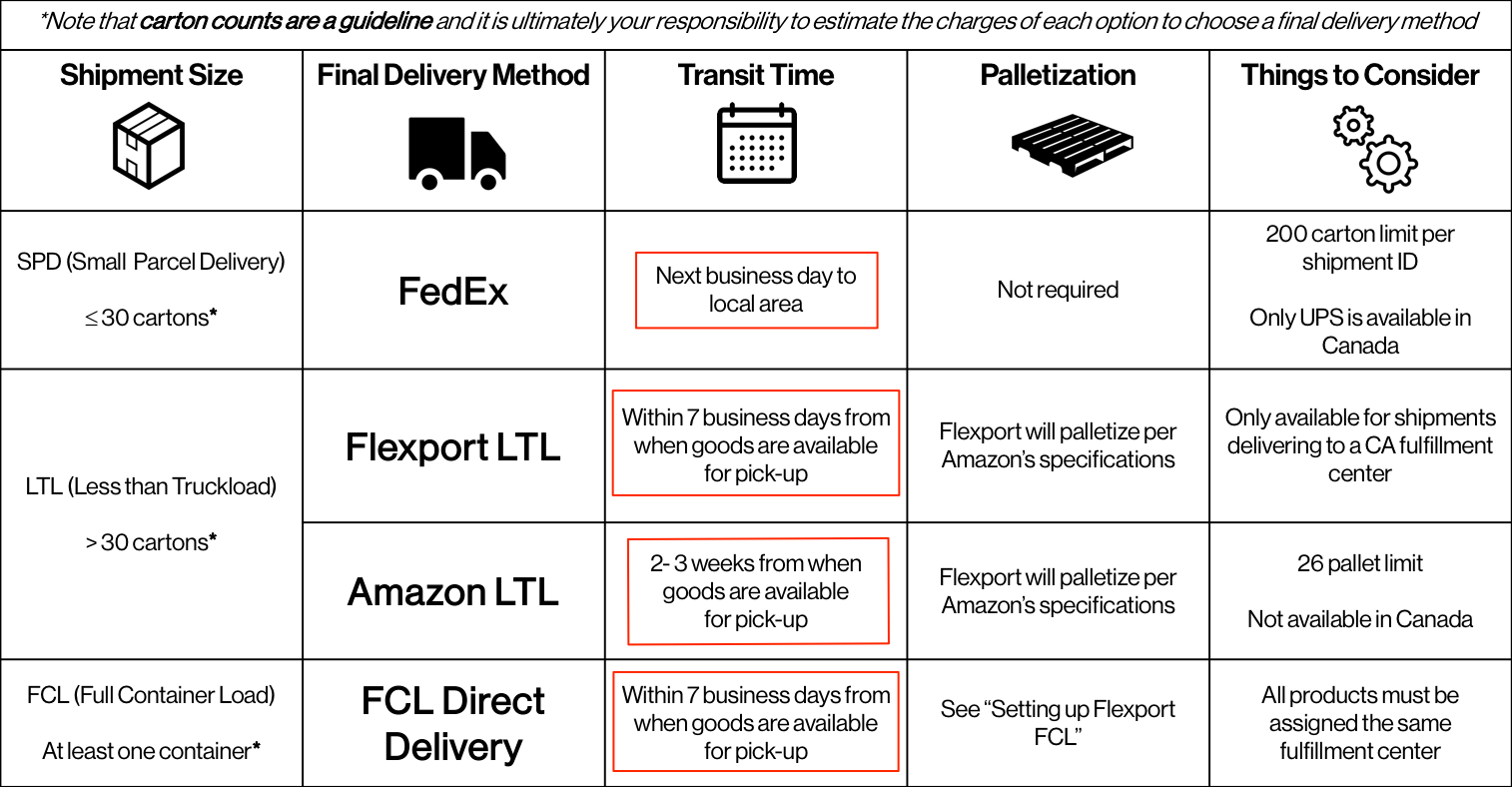
The sheer speed of Prime—specifically the “Prime Now” and Same-Day delivery services—is a result of technical infrastructure powered by Amazon Web Services (AWS). The duration of a delivery is now a data problem. By using machine learning to predict what customers will buy before they buy it, Amazon can move inventory to local hubs.
The longevity of the Prime brand depends on this technical scalability. As more users join, the pressure on the fulfillment logic increases. The “how long” for a package to arrive is constantly being optimized by algorithms that calculate traffic patterns, weather, and courier efficiency in real-time.
Long-term Technical Strategy: Beyond the Subscription Model
Finally, we must consider the longevity of Prime as a platform. Amazon’s long-term technical strategy involves integrating Prime into the “Internet of Things” (IoT). Through Alexa-enabled devices, the Prime subscription becomes a persistent layer in the user’s home.
In this scenario, the subscription doesn’t just last for a month or a year; it becomes a background utility, similar to electricity or water. As long as the hardware (Echo devices, Fire TV, Ring cameras) is functional and connected to the cloud, the Prime ecosystem remains the central nervous system of the digital home. The future of the service is not measured in “how long the subscription lasts,” but in how deeply the technical integration can penetrate the daily lives of its global user base.
aViewFromTheCave is a participant in the Amazon Services LLC Associates Program, an affiliate advertising program designed to provide a means for sites to earn advertising fees by advertising and linking to Amazon.com. Amazon, the Amazon logo, AmazonSupply, and the AmazonSupply logo are trademarks of Amazon.com, Inc. or its affiliates. As an Amazon Associate we earn affiliate commissions from qualifying purchases.