
The concept of tax-free tips stirs a captivating blend of hope, debate, and financial strategizing, particularly within the vast and vital service industry. For millions of waiters, bartenders, delivery drivers, and countless other service professionals, tips represent a significant, often primary, component of their income. Currently, these earnings are almost universally subject to taxation in many economies, including income tax, Social Security, and Medicare contributions. The question, “When does no tax on tips take effect?” therefore, isn’t just about a potential policy change; it’s about a fundamental shift in the economic reality for a massive segment of the workforce and the broader implications for government revenue and societal equity.
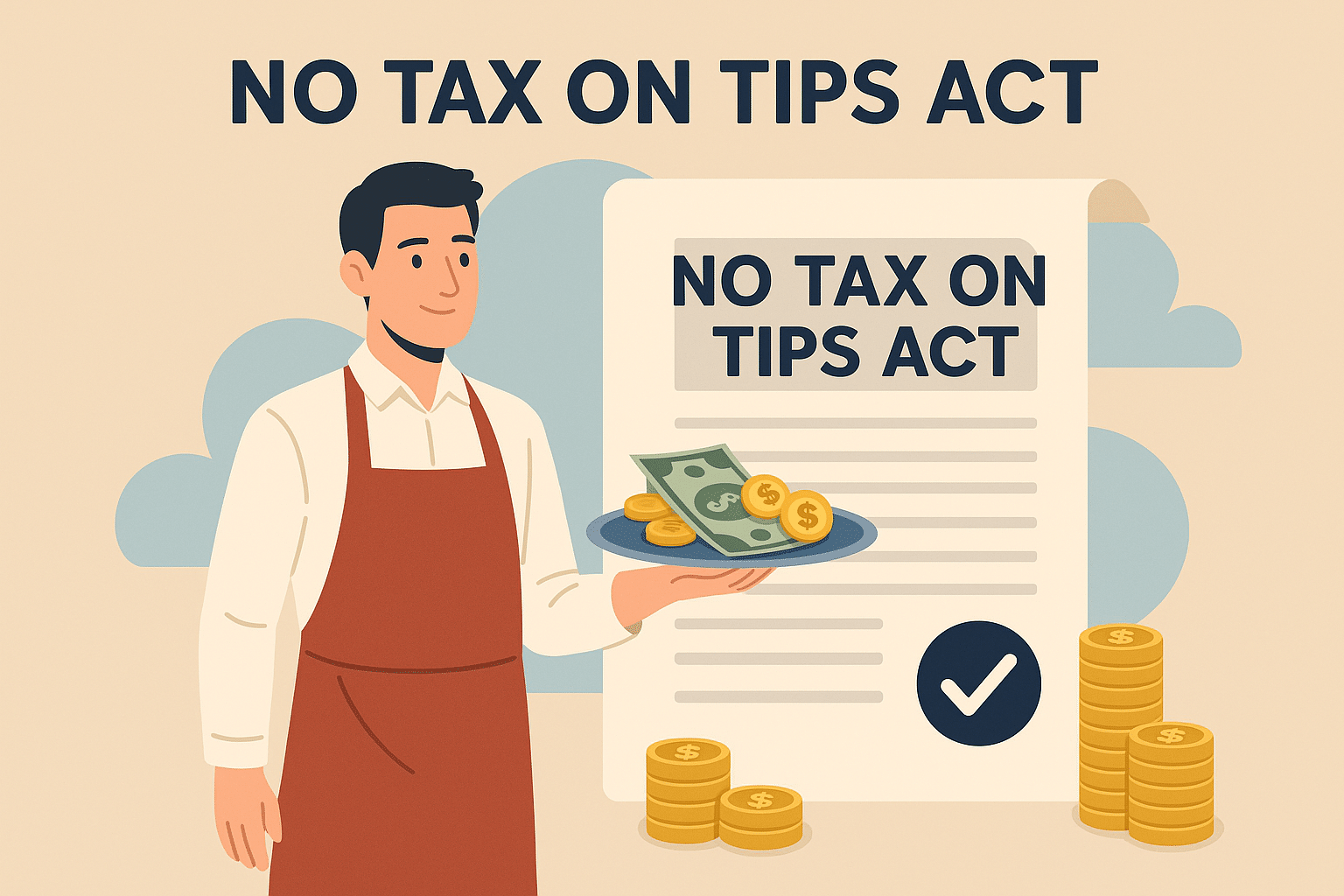
While the dream of completely tax-free tips remains largely a subject of legislative discussion and advocacy rather than widespread reality, understanding the existing framework, the arguments for change, and the formidable challenges involved is crucial. This article delves into the financial intricacies of tip taxation, explores the economic and social arguments for removing these taxes, and examines the complex landscape that would need to be navigated for such a policy to ever take effect.
Understanding the Current Landscape of Tip Taxation
To truly appreciate the impact of a “no tax on tips” policy, it’s essential to first grasp how tips are currently handled by tax authorities and what that means for both employees and employers. This current framework shapes the financial lives of millions and informs the very debate surrounding its potential overhaul.
Tips as Taxable Income
In most developed nations, including the United States, tips received by employees are unequivocally considered taxable income. The Internal Revenue Service (IRS), for example, explicitly states that “all cash and noncash tips are income and are subject to federal income tax.” This includes tips received directly from customers, tips distributed by the employer, and even tips received through non-cash methods like credit card payments or digital apps.
The rationale behind this classification is straightforward: tips represent compensation for services rendered, akin to wages or salaries. From a tax perspective, the source of the income (whether direct from a customer or from an employer) doesn’t alter its fundamental nature as an earning. Consequently, these earnings contribute to an individual’s gross income, impacting their overall tax liability across various income tax brackets. The often-variable and unpredictable nature of tips can make tax planning a significant challenge for service workers, who may find themselves owing taxes at the end of the year if insufficient withholdings were made throughout the tax period.
Employer and Employee Responsibilities
The taxation of tips involves a dual responsibility between the employee who earns them and the employer who facilitates the service. Employees have a legal obligation to report all tips received to their employer, typically on a monthly basis if the amount exceeds a certain threshold (e.g., $20 per month in the U.S.). This reporting is critical because it allows the employer to accurately withhold the necessary federal income tax, Social Security tax, and Medicare tax (collectively known as FICA taxes) from the employee’s regular wages, or to ensure that the employee pays these taxes directly if wages are insufficient. Failure to report tips can lead to significant penalties for the employee, including fines and interest on underpaid taxes.
Employers, in turn, have their own set of responsibilities. They must collect the reported tips, withhold and pay the employer’s share of FICA taxes on those tips, and accurately report the tip income on employees’ W-2 forms at the end of the year. For certain large food and beverage establishments, there are also “tip allocation” rules that may require employers to allocate additional tip income to employees if the total reported tips fall below a certain percentage of gross receipts. This complex interplay of reporting and withholding ensures that tips, despite their unique generation method, are integrated into the standard tax system, contributing to government revenue and social security programs.
The Burden on Service Professionals
For many service professionals, tips are not merely a bonus; they constitute the majority of their take-home pay, often supplementing a minimum wage that is insufficient for living expenses. The current taxation system significantly reduces this crucial income, impacting their financial well-being. A portion of every tip earned, whether it’s 15% or 20%, is siphoned off for taxes, directly shrinking their disposable income. This burden is particularly acute for those in lower income brackets, where every dollar makes a substantial difference.
Moreover, the administrative burden of tracking and reporting tips can be daunting. Employees must meticulously record all cash and non-cash tips, a process that can be time-consuming and prone to error, especially in fast-paced environments. The fear of an audit or misreporting adds another layer of stress. This financial and administrative weight makes the prospect of tax-free tips profoundly appealing, offering a tangible pathway to increased take-home pay and simplified financial management for millions of hard-working individuals.
The Policy Debate: Arguments for Tax-Free Tips
The idea of making tips tax-free isn’t new, nor is it without compelling arguments from various stakeholders. Proponents often highlight the potential for economic stimulus, relief for workers, and administrative simplification as key benefits.
Economic Relief for Service Workers
The most direct and widely championed argument for tax-free tips is the immediate and substantial economic relief it would provide to service industry workers. By eliminating federal and state income taxes, as well as FICA contributions, on tip income, these employees would see an instant boost in their net earnings. For individuals who often live paycheck to paycheck, this increase in disposable income could be transformative. It could mean the difference between struggling and stability, enabling them to better afford essentials like housing, food, and healthcare, or even to build savings and reduce debt. This direct financial injection would disproportionately benefit lower and middle-income workers, who form the backbone of the service economy.
Stimulating Local Economies
Beyond individual relief, proponents argue that tax-free tips could act as a powerful catalyst for local economic growth. When service workers have more money in their pockets, they are more likely to spend it within their local communities. This increased consumer spending translates into higher revenues for local businesses—from grocery stores and small shops to other service providers. The multiplier effect of this spending could create a virtuous cycle, invigorating local economies, fostering job creation, and boosting overall economic activity. In essence, by allowing service workers to retain more of their earnings, the policy could indirectly stimulate demand and support a broader range of businesses, creating a grassroots economic stimulus.
Simplifying Tax Compliance
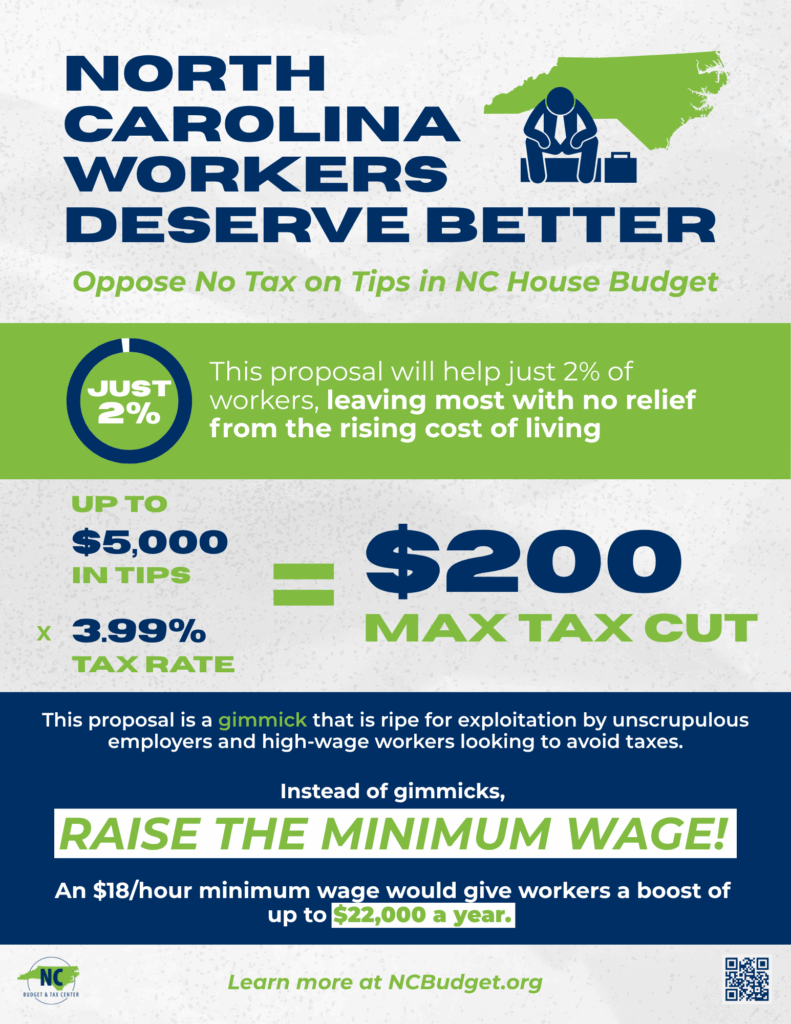
The current system for taxing tips is notoriously complex, presenting challenges for both employees and employers. Employees must meticulously track and report tips, while employers must manage withholding, FICA contributions, and often navigate tip allocation rules. This administrative overhead is costly and time-consuming. Introducing tax-free tips could drastically simplify this entire process.
For employees, the burden of tracking and reporting tip income for tax purposes would be eliminated, freeing up time and reducing the stress associated with potential miscalculations or audits. For employers, the complexities of withholding FICA taxes on tips, managing tip pooling distributions, and accurately reporting tip income on W-2s would be significantly reduced or removed altogether. This simplification would translate into reduced administrative costs for businesses and a clearer, more straightforward financial picture for workers, allowing both parties to focus more on their core operations and customer service.
Potential Hurdles and Considerations for Implementation
While the concept of tax-free tips holds considerable appeal, its implementation is fraught with significant challenges and necessitates careful consideration of its broader economic and social impacts. Any move towards such a policy would trigger widespread debate and require innovative solutions to complex problems.
Government Revenue Impact
The most formidable obstacle to tax-free tips is the substantial loss of government revenue. Tips contribute billions of dollars annually to federal, state, and local treasuries through income taxes and FICA contributions. Eliminating these taxes would create a massive hole in government budgets, impacting funding for essential public services like infrastructure, education, healthcare, and social security programs. Legislators would need to identify alternative revenue sources or implement significant budget cuts, both of which are politically contentious and economically challenging. The scale of this revenue shortfall would necessitate a comprehensive and politically viable plan to offset the losses, making it a critical point of contention in any policy debate.
Fairness and Equity Concerns
A policy that exempts tips from taxation could also raise significant questions of fairness and equity across the broader workforce. Critics might argue that it creates an unfair advantage for service industry workers over those in other sectors whose income remains fully taxed. For example, a factory worker, an office administrator, or a teacher, all of whom contribute through taxes on their earnings, might view tip-earners as receiving preferential treatment. This perceived inequity could lead to resentment and demands for similar tax exemptions for other forms of income, further complicating the tax landscape and potentially undermining the overall fairness of the tax system. Defining what constitutes a “tip” versus other forms of performance-based pay would also become critical to prevent abuse.
Defining “Tip” in a Tax-Free Environment
Currently, tax law provides definitions for tips, but in a tax-free environment, these definitions would become even more crucial to prevent exploitation and unintended consequences. How would gratuities automatically added to bills for large parties be classified? What about service charges that establishments now often implement instead of, or in addition to, traditional tips? Would all forms of discretionary payments be considered tax-free tips, potentially encouraging employers to reclassify portions of wages as tips to avoid payroll taxes? Clear, robust, and enforceable definitions would be essential to ensure that the policy targets its intended beneficiaries and doesn’t create loopholes that could be abused by businesses seeking to avoid their tax obligations. The line between a genuine tip and other forms of compensation would need to be meticulously drawn and constantly monitored.
A Glimpse into the Future: When Could This Happen?
Given the complexities, “when” tax-free tips could take effect is less about a definitive date and more about a confluence of political will, economic circumstances, and sustained advocacy. It’s a vision that requires significant legislative momentum and public consensus.
Legislative Processes
Any change of this magnitude would necessitate federal legislative action, often involving the introduction of bills, committee hearings, extensive debate, and votes in both houses of government. The process is typically slow, deliberative, and subject to political negotiations and compromises. For a policy like tax-free tips to advance, it would likely need strong bipartisan support or a significant shift in political priorities that prioritizes the economic well-being of service workers over the immediate revenue concerns. State-level initiatives might precede or run concurrently with federal efforts, but a comprehensive national change would require an act of Congress.
Precedents and International Comparisons
While a complete federal exemption for tips is not currently widespread, examining existing precedents or international models could offer insights. Some jurisdictions might have specific, limited exemptions or different taxation schemes for certain types of income. Understanding how other countries manage tip taxation—whether through lower rates, different reporting mechanisms, or social security contribution variations—could provide valuable models or cautionary tales for policymakers considering such a radical shift. These comparisons might highlight innovative approaches to balancing worker benefits with governmental fiscal needs.
The Role of Advocacy and Public Opinion
The push for tax-free tips would largely depend on sustained advocacy from labor unions, restaurant associations, worker advocacy groups, and concerned citizens. These groups would need to effectively articulate the benefits of such a policy to the public and policymakers, building a strong narrative around economic fairness, worker dignity, and local economic stimulus. Shifting public opinion to widely support the measure would be crucial in pressuring elected officials to prioritize and enact such legislation. Political campaigns and platforms might also adopt this issue, further elevating its profile and potential for action.

What to Watch For
For those hoping to see tax-free tips become a reality, several indicators would signal potential movement. These include the introduction of specific legislative proposals in Congress, significant public statements from prominent political figures or presidential candidates endorsing the idea, widespread media coverage generating national debate, and concerted lobbying efforts by influential industry and labor groups. Any serious progression would likely begin with pilot programs or partial exemptions before a full, sweeping change could be considered.
In conclusion, the question “When does no tax on tips take effect?” points to a desired future rather than a present reality. While the economic benefits for service workers and the potential for local economic stimulus are compelling, the challenges of government revenue loss and equity concerns are substantial. The path to tax-free tips is a long and arduous one, dependent on a complex interplay of legislative will, economic realities, and sustained advocacy. For now, service professionals and employers must navigate the existing tax landscape, while remaining informed about the ongoing debate that could one day redefine the financial future of the service industry.
aViewFromTheCave is a participant in the Amazon Services LLC Associates Program, an affiliate advertising program designed to provide a means for sites to earn advertising fees by advertising and linking to Amazon.com. Amazon, the Amazon logo, AmazonSupply, and the AmazonSupply logo are trademarks of Amazon.com, Inc. or its affiliates. As an Amazon Associate we earn affiliate commissions from qualifying purchases.