
The simple query, “What movie is Aurora in?” yields a straightforward answer for millions worldwide: Disney’s Sleeping Beauty. Yet, beneath this seemingly elementary question lies a profound narrative about brand strategy, intellectual property, and the enduring power of iconic characters. Aurora, also known as Briar Rose, is not merely a character; she is a meticulously crafted brand asset, a cornerstone of one of the world’s most formidable corporate identities: The Walt Disney Company. Understanding Aurora’s journey from a fairy tale figure to a global brand icon offers invaluable insights into how characters are designed, marketed, protected, and leveraged to build and sustain a multi-billion-dollar enterprise.
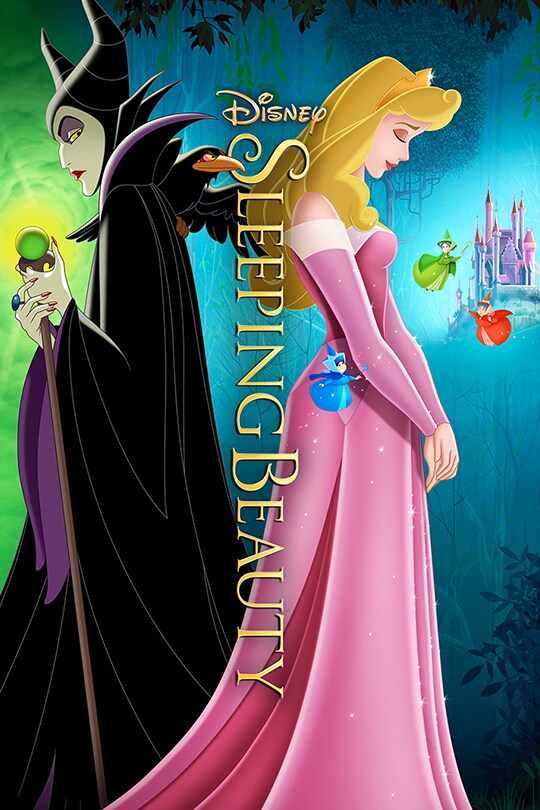
In an era saturated with content, the ability of a brand to create resonant, recognizable, and beloved characters is paramount. These characters serve as emotional touchpoints, fostering loyalty and connection that transcend the initial viewing experience. Aurora’s presence in Sleeping Beauty is just the beginning of her brand story; her continuous relevance over decades is a testament to sophisticated brand stewardship and strategic vision. This article delves into the multi-faceted branding principles exemplified by Aurora, dissecting how her image and narrative contribute to Disney’s broader corporate identity and marketing prowess.
The Genesis of a Brand Icon: Aurora and Disney’s Sleeping Beauty
The creation of Aurora for Sleeping Beauty was an ambitious undertaking, representing a pinnacle of animation artistry and storytelling for Walt Disney Productions in the late 1950s. Her very design and the film’s narrative laid the groundwork for a character that would become synonymous with grace, beauty, and resilience, traits deeply embedded in Disney’s core brand promise of magic and wonder.
Crafting Originality: Character Design and Narrative Impact
Aurora’s visual identity was meticulously designed, drawing inspiration from classical European art, particularly the graceful lines of rococo painter Jean-Honoré Fragonard and the slender elegance of ballet dancers. Animator Marc Davis, a “Nine Old Men” Disney legend, sculpted her distinctive silhouette, golden hair, and expressive eyes, ensuring she stood apart from her animated predecessors. This distinctive design was not merely aesthetic; it was a deliberate branding choice aimed at creating a memorable and unique princess. Her limited screen time paradoxically amplified her mystique, allowing her elegant portrayal to leave a lasting impression. The narrative of Sleeping Beauty, while rooted in a classic fairy tale, was adapted to align with Disney’s family-friendly ethos, emphasizing themes of true love, courage, and destiny. Aurora’s passive role, often criticized in later years, was originally intended to highlight the collective efforts of the three good fairies and Prince Phillip, positioning her as the innocent heart of the conflict. This narrative positioning contributed to her brand identity as an emblem of classic fairy tale romance.
The Initial Brand Launch: Marketing “Sleeping Beauty”
Upon its release in 1959, Sleeping Beauty was a monumental cinematic achievement, albeit a costly one for its time. The marketing campaign was extensive, focusing on the film’s artistic grandeur and its vibrant new princess. Aurora was presented as the epitome of animated beauty, featured prominently in posters, trailers, and promotional materials. Her image was carefully curated to evoke a sense of timeless elegance and enchantment, aligning with Disney’s overarching brand identity as a purveyor of high-quality, magical entertainment. The film’s widescreen format and stereophonic sound were emphasized, positioning it as a premium cinematic experience designed to captivate audiences. This initial brand launch established Aurora not just as a character in a movie, but as a new icon within the burgeoning Disney pantheon.
Beyond the Screen: Early Brand Recognition
Even in 1959, Disney understood the power of extending characters beyond the silver screen. Early merchandise featuring Aurora, though perhaps not as ubiquitous as today, included dolls, storybooks, and apparel. These products served as tangible touchpoints, allowing audiences to bring a piece of the magic home. Her inclusion in various Disney promotional materials and early theme park parades began the process of cementing her recognition as a key figure in the Disney princess lineup. This early strategic diversification laid the groundwork for her eventual status as a multi-generational brand icon, far outliving the typical lifespan of a movie character.
Character as Intellectual Property: Building Enduring Brand Equity
The journey from a beloved character to a valuable piece of intellectual property (IP) is central to Disney’s brand strategy. Aurora, like Mickey Mouse or Cinderella, is not just a character; she is a registered trademark, a copyright asset, and a cornerstone of Disney’s brand equity, generating significant value across multiple business segments for over six decades.
The Value of a Narrative Archetype: Why Aurora Resonates
Aurora embodies the “damsel in distress” archetype, a narrative structure deeply ingrained in Western culture. While modern interpretations seek to empower female characters, Aurora’s classic portrayal taps into a timeless fantasy of enchantment and rescue. This archetypal resonance ensures her story and image remain relatable and appealing across different generations and cultures. For Disney, characters like Aurora represent a cultural lingua franca, a universally understood symbol that evokes specific emotions and narrative expectations. This cultural ubiquity is invaluable, providing an immediate, pre-existing emotional connection with audiences globally, which greatly reduces marketing friction for new products and experiences featuring her. She represents a dream, a fantasy, and a classic ideal, all of which are powerful components of brand appeal.
From Protagonist to Brand Pillar: Leveraging Emotional Connection
The emotional connection audiences form with characters is a brand’s most potent asset. For many, Aurora represents childhood innocence, dreams of romance, and the triumph of good over evil. Disney has masterfully leveraged this emotional bond to elevate her from a mere protagonist to a brand pillar within its larger corporate identity. Her inclusion in the Disney Princess franchise—a meta-brand that unites several classic heroines—further amplifies her individual and collective brand strength. This strategy ensures that even if an individual has not seen Sleeping Beauty recently, they recognize Aurora and associate her with the positive, magical attributes of the Disney brand. She evokes nostalgia for older generations and inspires wonder in newer ones, making her a vital conduit for intergenerational brand loyalty.
The Disney Vault Strategy: Cultivating Scarcity and Desire
A unique aspect of Disney’s brand management for its classic animated films, including Sleeping Beauty, was the “Disney Vault” strategy. By periodically withdrawing films from the market, Disney cultivated an artificial scarcity, driving up demand and creating a sense of urgency for consumers to purchase films during limited release windows. This strategy effectively turned each re-release into a major marketing event, reinvigorating interest in characters like Aurora and introducing them to new generations. While the digital age has shifted this approach, the principle of managed availability and event-based marketing played a crucial role in maintaining the perceived value and enduring mystique of these animated classics and their characters. It taught consumers to value these animated treasures, reinforcing their brand status as timeless cultural artifacts.
Expanding the Realm: Multi-Platform Brand Reinforcement
Aurora’s influence extends far beyond the original film, permeating various media and consumer touchpoints. This multi-platform presence is a deliberate brand strategy to reinforce her identity, maintain relevance, and maximize revenue streams, showcasing the dynamic nature of effective character branding.
Merchandising Magic: Products as Brand Ambassadors
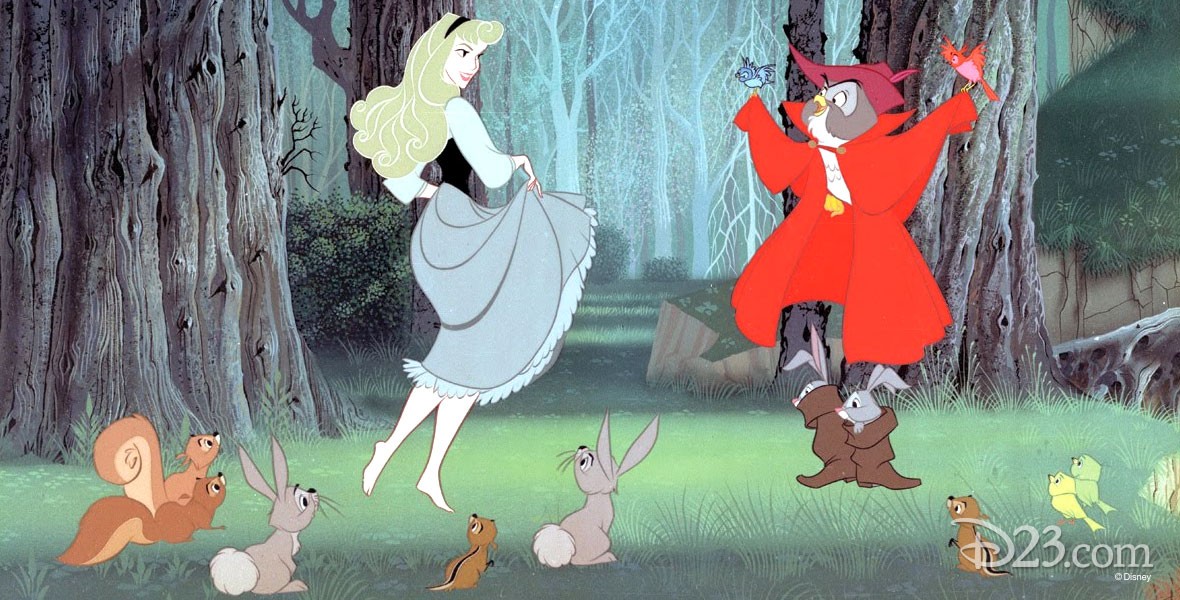
From elaborate costumes and collectible dolls to everyday school supplies and apparel, Aurora-themed merchandise is a pervasive and profitable aspect of Disney’s brand strategy. Each product acts as a miniature brand ambassador, extending her narrative and aesthetic into the daily lives of consumers. The design of these products is meticulously controlled to ensure consistency with Aurora’s established brand identity – elegance, grace, and a touch of fairy tale wonder. The vast array of merchandise caters to different demographics and price points, making the character accessible to a broad audience and continuously reinforcing her presence in popular culture. This constant visibility through consumer products ensures that Aurora remains a familiar and beloved figure, far detached from the release date of her original film.
Experiential Branding: Theme Parks and Live Entertainment
Disney’s theme parks are perhaps the most immersive form of experiential branding, where characters like Aurora come to life. Meeting Aurora at Disneyland or Walt Disney World, watching her in parades, or experiencing Sleeping Beauty Castle transforms a cinematic character into a tangible, interactive experience. These encounters forge deeply personal and memorable connections, solidifying brand loyalty and creating lifelong fans. Live stage shows, ice spectaculars, and touring productions further extend this experiential branding, allowing audiences to engage with Aurora and her story in dynamic, theatrical settings. These experiences are critical for Disney, as they move beyond passive consumption to active participation, strengthening the emotional bond with the brand.
Media Re-Imagination: Sequels, Live-Action, and Digital Content
To keep characters like Aurora fresh and relevant, Disney continuously re-imagines their stories across new media. While Sleeping Beauty didn’t receive direct animated sequels in the traditional sense, Aurora has appeared in spin-off series (like Sofia the First) and, most notably, in live-action reinterpretations. The Maleficent films, starring Angelina Jolie, offer a revised perspective on the Sleeping Beauty narrative, placing the villain at the forefront. While Aurora’s role is secondary in these films, her character provides the essential narrative anchor, proving the flexibility of her brand identity to support new storytelling angles. Furthermore, her presence in video games, interactive apps, and digital shorts ensures her connection with younger, digitally native audiences, adapting her brand to contemporary consumption patterns.
The Evolution of a Princess: Adapting Brand Identity for New Generations
For a character born in 1959 to remain relevant in the 21st century, constant evolution and strategic adaptation are crucial. Disney has deftly managed Aurora’s brand identity, ensuring she continues to resonate with evolving societal values and new audience expectations.
Modernizing the Narrative: Addressing Contemporary Values
While Aurora’s original portrayal as a somewhat passive princess is a product of its time, Disney has subtly modernized her image without betraying her core essence. In contemporary branding, the Disney Princess franchise often emphasizes qualities like kindness, perseverance, and inner strength, allowing characters like Aurora to embody these virtues, even if their original films didn’t overtly showcase them. Marketers strategically highlight aspects of her character that align with modern sensibilities, subtly shifting the narrative focus from waiting to be rescued to possessing an inherent goodness that inspires others. This delicate balance of honoring tradition while embracing progress is vital for maintaining brand relevance.
Collaborative Branding: Crossovers and Partnerships
Crossover events and strategic partnerships are powerful tools for revitalizing and expanding a character’s brand. Aurora’s inclusion in ensemble pieces, such as Ralph Breaks the Internet, where she humorously interacts with other Disney princesses, injects self-awareness and contemporary wit into her persona. These collaborations allow her to engage with new audiences and contexts, often through parodies or meta-commentary, while reinforcing her status within the broader Disney universe. Partnerships with fashion designers, luxury brands, or cultural institutions can also elevate her brand, positioning her as a symbol of elegance and timeless beauty beyond the realm of children’s entertainment.
Digital Engagement: Social Media and Interactive Experiences
In the digital age, direct engagement is key to brand longevity. Aurora’s presence on social media through official Disney channels, fan accounts, and interactive content keeps her alive in the digital consciousness. From quizzes about which princess you are, to fan art, to short-form videos retelling her story, digital platforms provide endless opportunities for interaction. Augmented reality (AR) and virtual reality (VR) experiences, where users can step into Aurora’s world or interact with her digitally, offer new frontiers for immersive branding. These digital strategies ensure that Aurora continues to be a part of the cultural conversation, accessible and engaging to a generation raised on screens.
Protecting the Crown Jewels: Safeguarding Brand Assets and IP
The longevity and profitability of a character like Aurora hinge entirely on robust intellectual property (IP) protection. Disney’s vigilance in safeguarding its characters, storylines, and visual assets is a cornerstone of its business model and a critical lesson in brand management.
Legal Frameworks: Trademarks, Copyrights, and Character Rights
Aurora is protected under multiple legal frameworks. Her name, specific visual depictions, and even iconic phrases from Sleeping Beauty are registered trademarks, preventing unauthorized use by competitors. The film itself is protected by copyright, covering its story, animation, music, and dialogue. Furthermore, “character rights” – a complex area of IP law – ensure that her distinct persona cannot be copied or exploited without permission. Disney maintains a proactive legal department dedicated to enforcing these rights globally, ensuring that Aurora’s brand integrity and commercial value are preserved. This legal shield is what allows Disney to maintain exclusive control over her image and narrative, preventing dilution and unauthorized exploitation.
Brand Dilution and Counterfeiting: Vigilance in the Marketplace
The global appeal of characters like Aurora makes them prime targets for counterfeiting and unauthorized merchandising. Everything from knock-off toys to unlicensed apparel can dilute the brand’s quality perception and divert revenue. Disney invests heavily in anti-counterfeiting measures, working with law enforcement and customs agencies worldwide to identify and seize counterfeit goods. Beyond direct counterfeiting, brand dilution can also occur through unauthorized or poorly executed adaptations that misrepresent the character’s core values. Maintaining strict quality control over all licensed products and media is therefore paramount to ensuring Aurora’s brand remains synonymous with quality, magic, and authentic Disney storytelling.
The Future of Brand Stewardship: Innovation and Preservation
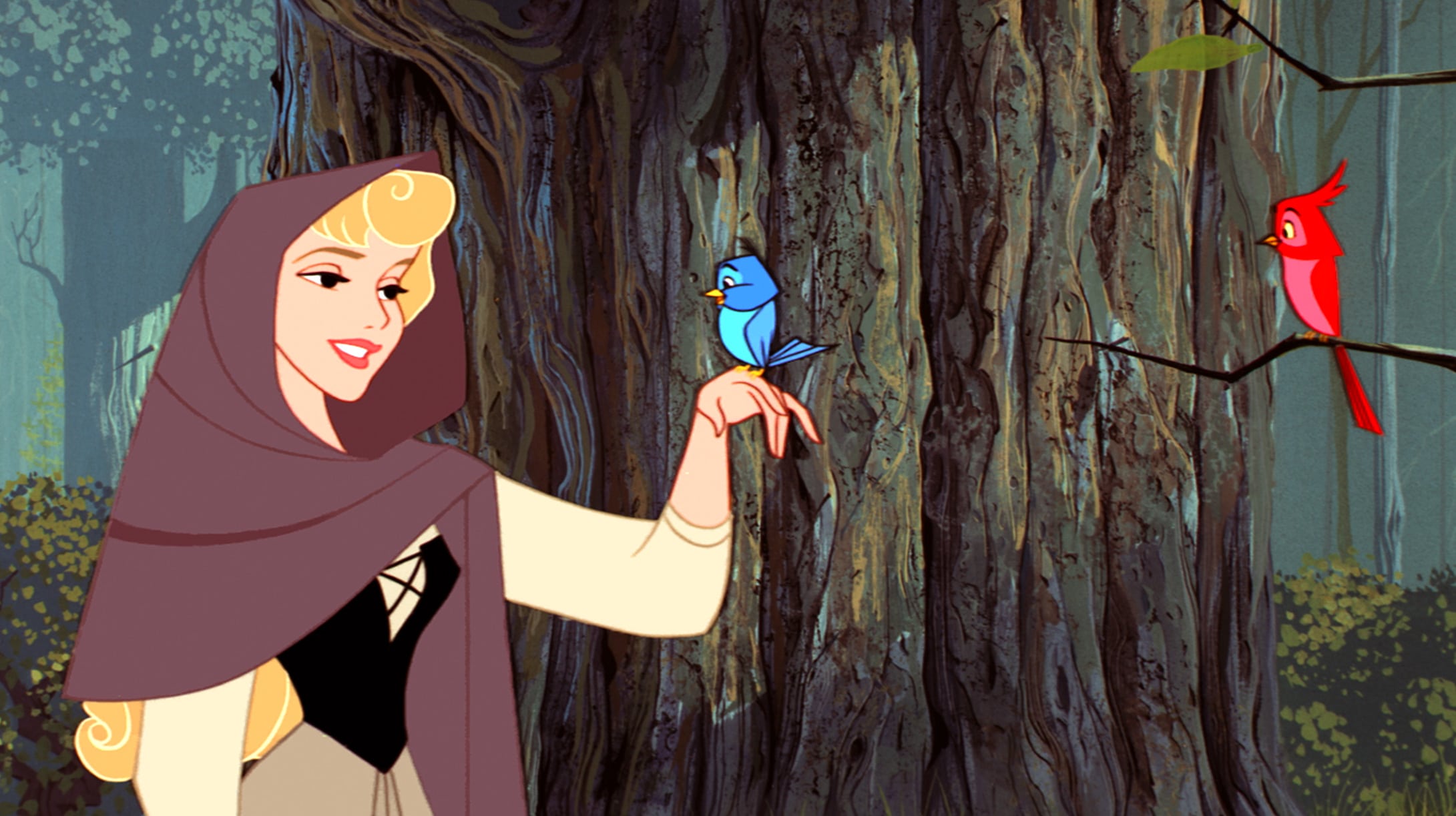
The future of character branding for figures like Aurora lies in a delicate balance between innovation and preservation. Disney must continue to find new ways to tell her story, leverage new technologies, and adapt her relevance to evolving cultural landscapes without compromising the timeless qualities that made her iconic in the first place. This involves strategic investments in new animation techniques, interactive storytelling, and immersive experiences, all while safeguarding the original magic. For Aurora, this means continually reintroducing her to new audiences in ways that feel both fresh and familiar, ensuring she remains a cherished “crown jewel” in the Disney brand portfolio for centuries to come. The question “What movie is Aurora in?” will always lead back to Sleeping Beauty, but her brand journey extends infinitely further, a testament to the power of strategic character IP management.
aViewFromTheCave is a participant in the Amazon Services LLC Associates Program, an affiliate advertising program designed to provide a means for sites to earn advertising fees by advertising and linking to Amazon.com. Amazon, the Amazon logo, AmazonSupply, and the AmazonSupply logo are trademarks of Amazon.com, Inc. or its affiliates. As an Amazon Associate we earn affiliate commissions from qualifying purchases.