
Understanding the precise timing of when your direct deposit lands in your Chase account is a common concern for many account holders. In today’s fast-paced digital economy, the expectation of immediate access to funds is high. While direct deposit offers unparalleled convenience and security compared to paper checks, its exact arrival time isn’t always instant and can be influenced by several factors, including your employer’s payroll process, banking holidays, and Chase’s own processing schedules.
This comprehensive guide aims to demystify the direct deposit timeline for Chase customers, providing insights into the underlying mechanisms, typical processing windows, and practical advice for managing your finances with confidence. By understanding these nuances, you can better anticipate when your hard-earned money will be available, enabling more effective budgeting and financial planning.
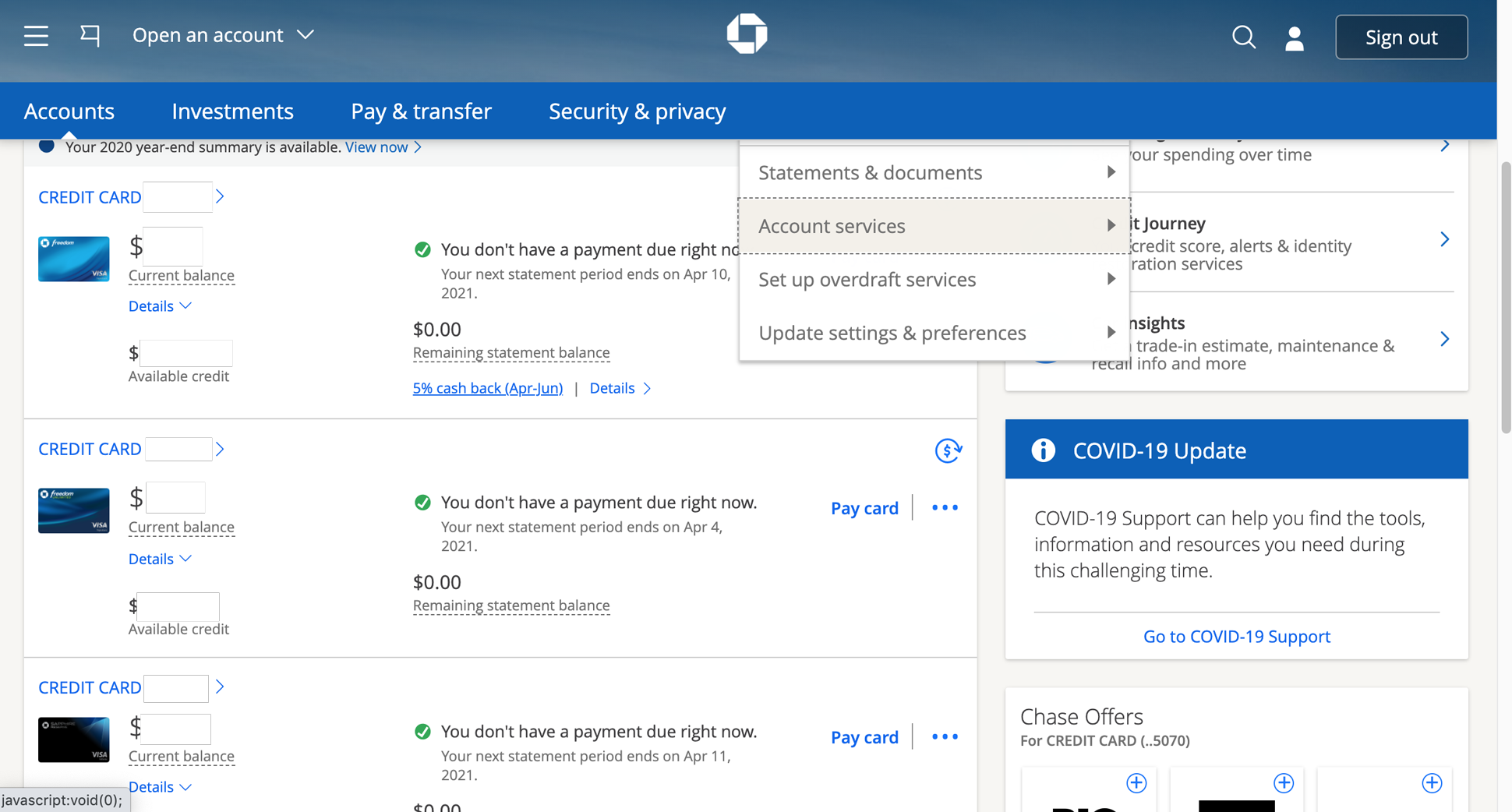
Understanding the Mechanics of Direct Deposit
Before delving into specific timelines, it’s crucial to grasp the fundamental process that brings your direct deposit from your employer to your Chase account. This involves a complex, yet highly efficient, system designed for secure and reliable fund transfers.
The ACH Network: The Backbone of Digital Transfers
The vast majority of direct deposits in the United States are processed through the Automated Clearing House (ACH) network. This electronic network facilitates interbank financial transactions, including direct deposits, direct debits, and electronic bill payments. Unlike wire transfers, which are often immediate but more costly, ACH transactions are batched and processed in cycles, typically taking one to two business days to clear.
When your employer initiates payroll, they send instructions through their bank to the ACH network. These instructions contain details about your pay, your bank account number, and your routing number. The ACH network then sorts and forwards these transactions to your bank, Chase, for processing and crediting to your account. This batch-processing nature is why direct deposits are rarely instantaneous; they move through a structured, scheduled system designed for high volume and security.
The Role of Your Employer in the Timeline
Perhaps the most significant factor influencing when your direct deposit hits Chase is your employer’s payroll process. It’s a common misconception that banks hold onto funds; in reality, a bank cannot make funds available until they have received the necessary instructions and funds from the sender.
Your employer determines:
- When they initiate the payroll: Most employers submit payroll information a few business days before your actual payday to ensure funds arrive on time. For example, if your payday is Friday, your employer might submit the ACH file to their bank on Tuesday or Wednesday.
- The precise timing of their submission: Larger companies with sophisticated payroll systems may have more predictable submission schedules. Smaller businesses might use third-party payroll providers with their own specific cut-off times.
- Accuracy of information: Any errors in your account or routing number provided to your employer can cause significant delays or even failed deposits.
If your employer submits the payroll early, your bank might receive the information and funds sooner. If they submit it late, your deposit will naturally be delayed.
Chase’s Processing Window and Cut-off Times
Once Chase receives the direct deposit information and funds through the ACH network, they process it according to their internal procedures. While Chase aims to make funds available as quickly as possible, they also have specific cut-off times for processing incoming ACH credits.
- Receiving the file: Chase typically receives ACH files throughout the business day.
- Processing and crediting: Funds are usually processed and credited to your account during standard banking hours. If an ACH file arrives after Chase’s daily cut-off time (which can vary but is often late afternoon/early evening), it might be processed on the next business day.
- Business days only: Like most financial institutions, Chase primarily processes ACH transactions on business days (Monday through Friday, excluding federal holidays). Deposits initiated on a Friday evening might not be fully processed and available until the following Monday or Tuesday.
The Typical Timeline: Expecting Your Funds
Armed with an understanding of the ACH network and the roles of employers and banks, we can now discuss the practical timeline for your direct deposit hitting your Chase account.
Standard Processing: The 1-2 Business Day Rule
For most Chase customers, direct deposits are typically credited to their accounts one to two business days before their official payday. This means if your payday is Friday, you might see your funds available on Wednesday evening or Thursday morning. This “early” availability isn’t due to a special feature from Chase (unless explicitly advertised as such), but rather because your employer submitted the payroll information in advance to ensure on-time delivery.
It’s important to differentiate between when the transaction appears as “pending” or “posted” and when the funds are actually “available” for use. Often, the transaction might show up in your account activity a day before the funds are officially available for withdrawal or transfers.
Weekends, Holidays, and Their Impact
Federal holidays and weekends do not count as business days for ACH processing. This can significantly impact your deposit timeline:
- Weekend Paydays: If your official payday falls on a Saturday or Sunday, your employer typically schedules the direct deposit to arrive on the preceding Friday. However, if they submit it later, it might not be available until the following Monday or Tuesday.
- Federal Holidays: If a federal holiday falls between the day your employer submits payroll and your scheduled payday, or on your payday itself, it will push the processing back by one business day. For example, if your payday is a Monday that is also a federal holiday, your funds might not be available until Tuesday. Always check the federal holiday calendar when anticipating deposits around these dates.
Factors That Can Delay Your Deposit
While generally reliable, direct deposits can occasionally be delayed. Common reasons include:
- Employer Errors: Incorrect account information, late submission of payroll, or issues with their own bank.
- New Direct Deposit Setup: The first direct deposit to a new account or after changing banking information can sometimes take an extra day or two to fully process as the system verifies the new details.
- Bank System Issues: Though rare, technical glitches or system maintenance at either the employer’s bank or Chase could cause temporary delays.
- Unusual Activity Flags: If a deposit is unusually large or triggers fraud detection systems, it might be held for review, delaying availability.
Chase’s Approach to Deposit Availability
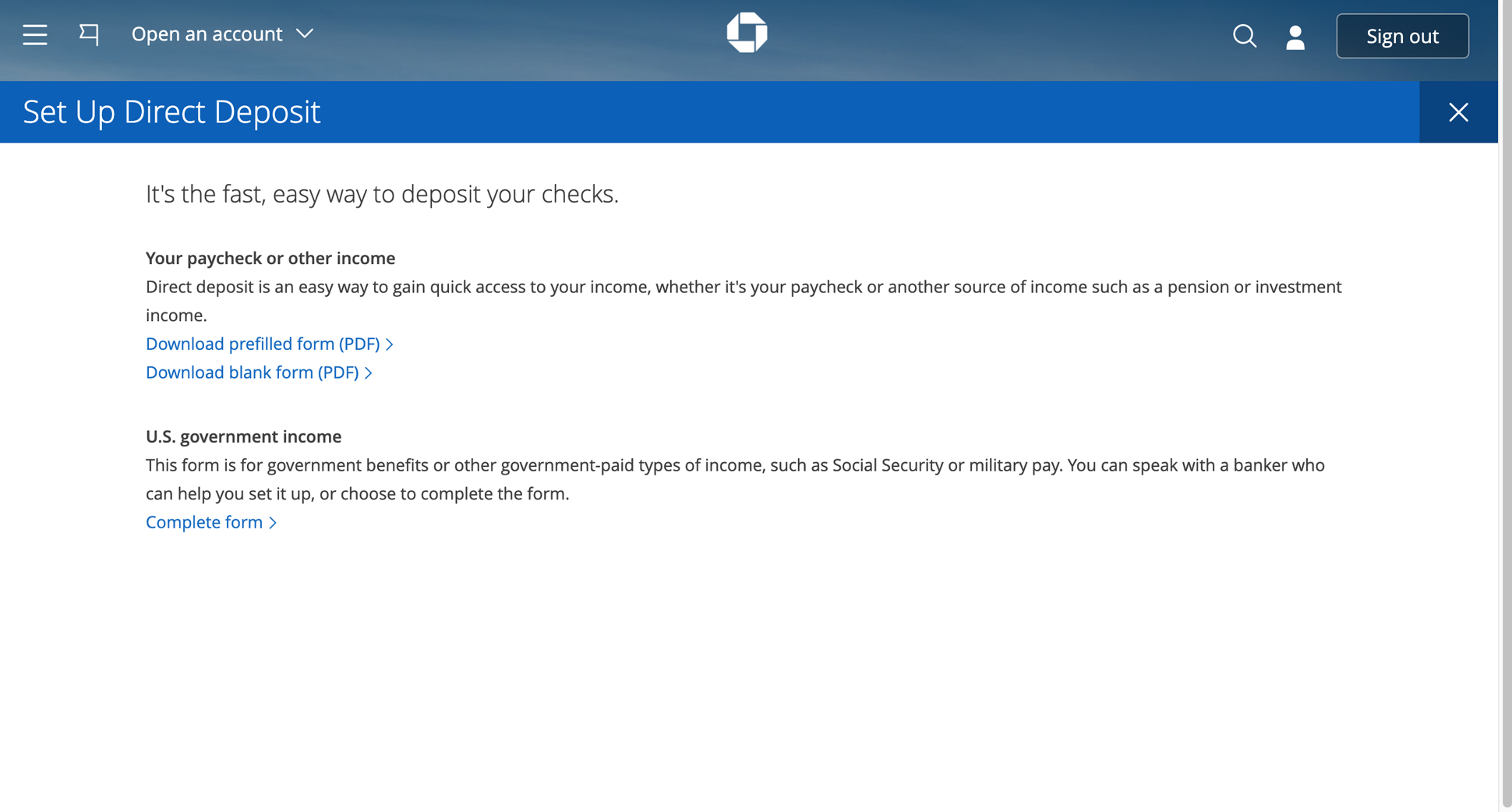
While many banks offer standard direct deposit, some have begun to introduce features that allow earlier access to funds. Let’s clarify Chase’s position on these.
Exploring Chase’s Standard Direct Deposit Policy
Chase’s standard policy aligns with typical banking practices: they make funds available to you as soon as they receive and process the ACH file from your employer. As discussed, this often means funds appear one to two business days before your official payday because employers usually submit payroll ahead of time.
Chase does not typically hold direct deposit funds for extended periods once they are received and verified. The primary constraint is the ACH network’s processing schedule and the timing of your employer’s submission.
Are Early Direct Deposits a Reality with Chase?
As of my last update, Chase does not widely advertise an “early direct deposit” feature like some challenger banks or fintech companies (e.g., Chime, Varo, Ally Bank) which might make funds available up to two days earlier than standard. These specific banks often front the money when they receive the notification of an incoming deposit, even before the funds officially clear the ACH network.
Chase’s system generally adheres to making funds available once the actual funds and complete ACH instruction arrive. Therefore, if you’re consistently seeing your paycheck a day or two before your official payday with Chase, it’s typically because your employer is submitting payroll early, not due to a specific “early access” program from Chase itself. Always check Chase’s official website or contact their customer service for the most current information regarding any new features.
How to Track Your Pending and Posted Funds
Chase offers several convenient ways to monitor your account and track incoming direct deposits:
- Chase Mobile App: This is often the quickest way to check your account balance and transaction history. You may see pending deposits listed before they are fully posted and available.
- Online Banking (Chase.com): Log in to your account to view detailed transaction history, including incoming deposits.
- Account Alerts: Set up email or text alerts through your Chase account to notify you when a direct deposit posts. This is an excellent way to get real-time updates without constantly checking your account.
- Customer Service: If you have questions or concerns about a specific deposit, you can always contact Chase customer service for assistance.
Troubleshooting and Best Practices for a Smooth Experience
Even with the most reliable systems, issues can arise. Knowing how to troubleshoot and implement best practices can save you time and stress.
What to Do If Your Direct Deposit is Delayed
If your direct deposit hasn’t arrived by your scheduled payday (or the expected earlier time), follow these steps:
- Check Your Account Thoroughly: Sometimes funds appear later in the day than you expect. Check both the mobile app and online banking, looking at pending transactions as well as posted ones.
- Verify Payday & Holidays: Double-check your official payday and if any federal holidays might have impacted the schedule.
- Contact Your Employer’s Payroll Department: This is the most crucial first step. Your employer is the sender of the funds. Inquire about the exact date and time they submitted the payroll and if there were any issues or delays on their end. They can confirm if the ACH file was sent and provide trace numbers if needed.
- Wait One Business Day: If your employer confirms the deposit was sent, give it at least one full business day after your official payday. ACH processing can sometimes take a bit longer than anticipated.
- Contact Chase Customer Service: If your employer confirms the deposit was sent on time and it still hasn’t appeared after a reasonable waiting period (e.g., one business day past your official payday), then contact Chase. Provide them with details like the expected amount, date, and any trace numbers from your employer. They can investigate if the funds have been received but are awaiting processing or if there’s an issue on their end.
Verifying Your Direct Deposit Information
Prevention is always better than cure. Regularly verify that your employer has the correct direct deposit information on file.
- Account and Routing Numbers: These are critical. Even a single digit error can cause a deposit to be returned or sent to the wrong account.
- Account Type: Ensure it’s correctly listed as checking or savings.
- Pay Stubs: Review your pay stubs to confirm that direct deposit is active and funds are being sent to the correct account.
Maximizing Convenience with Chase Alerts and Tools
Chase offers various digital tools to enhance your banking experience:
- Deposit Alerts: As mentioned, set up alerts to get notifications when your deposit hits.
- Budgeting Tools: Utilize Chase’s budgeting features within the mobile app or online banking to plan for when funds arrive.
- Automatic Transfers: Once your direct deposit is consistent, consider setting up automatic transfers to savings accounts or investment accounts to automate your financial goals.
The Broader Benefits of Direct Deposit with Chase
Beyond just the timing, direct deposit offers significant advantages that enhance your overall financial well-being.
Security and Reliability
Direct deposit is vastly more secure than paper checks. There’s no risk of a check being lost, stolen, or forged. The electronic transfer is encrypted and traceable through the ACH network, minimizing fraud risks and ensuring your funds reach their intended destination safely.
Financial Planning and Automation
Consistent direct deposit arrival makes financial planning much simpler. You can reliably schedule bill payments, set up automatic transfers to savings or investment accounts, and forecast your budget with greater accuracy. This automation is a cornerstone of effective personal finance management.

Eligibility for Chase Account Benefits
For some Chase accounts, direct deposit might be a requirement or offer an advantage. For instance, certain checking accounts may waive monthly service fees if you maintain a minimum daily balance or receive qualifying direct deposits. Always review the terms and conditions of your specific Chase account to ensure you are meeting any requirements and maximizing the benefits available to you.
In conclusion, while the exact moment your direct deposit hits Chase can vary, understanding the underlying mechanisms and typical timelines empowers you to manage your finances with greater precision and confidence. By leveraging Chase’s tools and maintaining open communication with your employer, you can ensure a smooth and predictable flow of your income.
aViewFromTheCave is a participant in the Amazon Services LLC Associates Program, an affiliate advertising program designed to provide a means for sites to earn advertising fees by advertising and linking to Amazon.com. Amazon, the Amazon logo, AmazonSupply, and the AmazonSupply logo are trademarks of Amazon.com, Inc. or its affiliates. As an Amazon Associate we earn affiliate commissions from qualifying purchases.