
Rihanna’s entry into the global music scene was a masterclass in personal branding, a meticulously orchestrated debut that laid the groundwork for an unparalleled career. While today she is celebrated as a multi-hyphenate mogul in music, fashion, and beauty, her foundational brand identity was first introduced through her debut single. That song, “Pon de Replay,” released in 2005, was far more than just a catchy tune; it was the strategic cornerstone of what would become one of the most powerful personal brands in contemporary culture.
The Strategic Debut: Launching a Global Icon’s Brand
Every successful brand, whether corporate or personal, understands the critical importance of a compelling introduction. For musical artists, the debut single serves as this crucial first impression, a sonic business card that communicates their essence, style, and market positioning. For Rihanna, “Pon de Replay” was engineered to capture immediate attention and establish a distinct presence, setting the stage for her journey from a Barbadian teenager to a global icon.

The Importance of a Strong Introduction
A debut track is an artist’s initial brand statement. It’s an opportunity to define their unique selling proposition (USP) and articulate their value proposition to a mass audience. “Pon de Replay” achieved this by showcasing a fresh, vibrant sound that fused pop sensibilities with reggae and dancehall influences. This blend was strategic, aiming to appeal to both mainstream Western audiences and those familiar with Caribbean rhythms. The song’s infectious beat and relatable lyrics about wanting the DJ to replay a favorite song created instant relatability and memorability – two vital components for brand recall.
The track’s success was not accidental; it was the result of a deliberate strategy by her management and Def Jam Records, led by then-president Jay-Z. They saw in Rihanna the raw potential for a global superstar, and “Pon de Replay” was the precisely calibrated vehicle to introduce this potential to the world. It wasn’t just about launching a song; it was about launching a brand and a vision.
Crafting the Initial Persona
“Pon de Replay” was instrumental in crafting Rihanna’s initial brand persona: youthful, energetic, and distinctly exotic yet universally appealing. The song positioned her as a fresh face with a unique cultural background, bringing a new flavor to the pop landscape. Her delivery was confident and alluring, projecting an image of nascent stardom. This early persona was crucial for differentiation in a crowded music market.
The lyrics and accompanying visual elements (such as the music video) reinforced this brand identity. The narrative of wanting to dance and enjoy life resonated with a young, party-going demographic, establishing Rihanna as an artist connected to fun and self-expression. This was her initial market segment, and the song was tailored to speak directly to them, creating an immediate emotional connection and fostering brand loyalty from day one. Her debut was a deliberate act of carving out a specific niche and building an audience around a carefully curated image and sound.
“Pon de Replay”: An Analysis of Its Branding Impact
The impact of “Pon de Replay” on Rihanna’s burgeoning brand cannot be overstated. It was the commercial and critical success that validated the strategic decisions made by her team and provided the necessary leverage for subsequent brand development. Analyzing the song’s construction and reception reveals key insights into effective brand building in the entertainment industry.
Sound and Cultural Resonance as Brand Pillars
The sonic identity of “Pon de Replay” was a sophisticated blend that served as a core pillar of Rihanna’s early brand. By incorporating dancehall and reggae elements, the song highlighted her Barbadian heritage, lending authenticity and a distinct cultural flavor to her brand. This wasn’t merely a musical choice; it was a strategic branding decision to differentiate her from other emerging pop artists. The global appeal of Caribbean music, combined with a polished pop production, allowed her brand to transcend geographical boundaries, making her relatable to diverse audiences worldwide.
The catchy hook and simple, repetitive chorus (“Come Mr. DJ, song pon de replay / Come Mr. DJ, won’t you turn the music up?”) were designed for maximum memorability and sing-along appeal. This ensures high brand recall and engagement, critical for a debut artist. The fusion genre itself became a characteristic element of her early brand, signaling versatility and an ability to innovate within the pop sphere.
Visual Branding and Early Marketing
The music video for “Pon de Replay” was an equally vital component of her early branding and marketing strategy. Visuals play a profound role in shaping an artist’s brand perception, and Rihanna’s debut video was no exception. It presented her as a captivating presence, showcasing her burgeoning fashion sense, confident demeanor, and ability to command attention. The club setting, the choreography, and her stylistic choices all contributed to building a cohesive and appealing visual brand identity.
This visual marketing was essential in communicating her persona beyond just the audio. It allowed audiences to connect a face, a style, and an attitude to the voice, cementing her image in the public consciousness. The video served as a powerful advertising campaign for the “Rihanna” brand, demonstrating her marketability and star potential. It was an investment in her long-term brand equity, designed to create aspirational appeal and resonate with a target demographic interested in music, fashion, and cultural trends.
Label Strategy and A&R’s Role
The role of Def Jam Records and its A&R (Artists and Repertoire) team, particularly the influence of Jay-Z, was paramount in the strategic launch of Rihanna’s brand. A&R is the backbone of artist development, identifying talent, honing their sound, and crafting a market-entry strategy. They recognized Rihanna’s raw talent and her unique blend of Caribbean charm and mainstream appeal. Their strategy was not just to release a song, but to build a lasting artist brand.
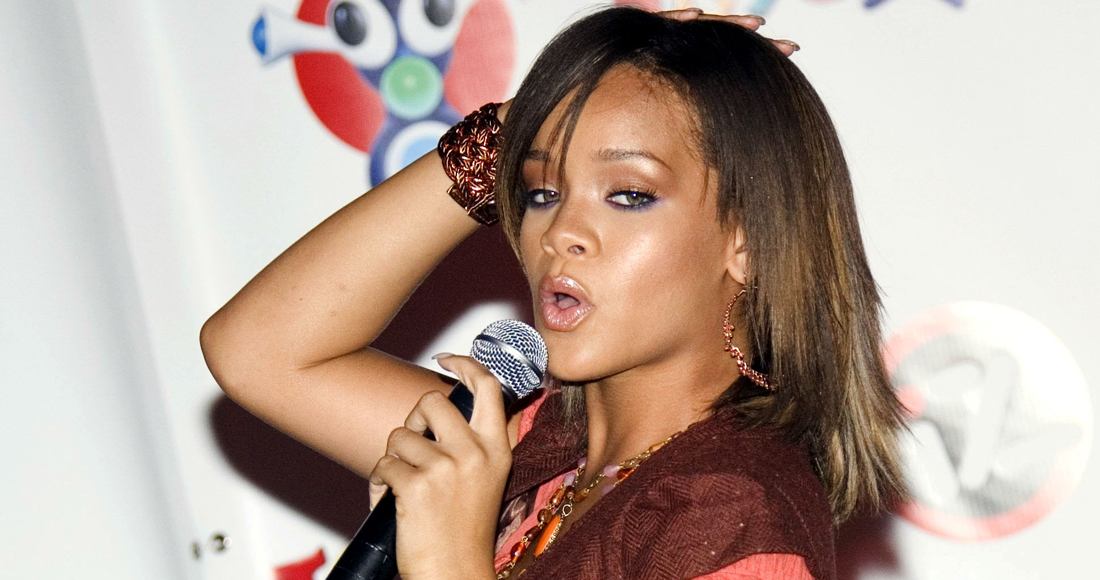
This involved selecting the right producers, shaping the musical direction to ensure broad appeal, and developing a comprehensive marketing plan. Def Jam’s significant investment in “Pon de Replay” — from production and promotion to music video creation — demonstrated their belief in Rihanna’s brand potential. This strategic backing from a major label provided the credibility and resources necessary for a successful global launch, validating her as a serious contender in the music industry.
From Debut Hit to Diversified Empire: Brand Evolution
“Pon de Replay” was the initial spark, but Rihanna’s subsequent career trajectory is a masterclass in brand evolution and strategic diversification. Her journey from a debut hit to a multi-billion-dollar empire illustrates how a strong initial brand foundation can be leveraged for exponential growth and expansion into new markets.
Leveraging Initial Success for Brand Expansion
The success of “Pon de Replay” provided the crucial momentum for Rihanna’s subsequent albums and the gradual expansion of her musical brand. Each album cycle saw a strategic pivot, allowing her to explore different genres, experiment with new sounds, and refine her artistic persona. From the dancehall-infused pop of Music of the Sun and A Girl Like Me to the edgier R&B of Good Girl Gone Bad and the electronic influences of Rated R and Talk That Talk, Rihanna consistently demonstrated an ability to reinvent her musical brand without alienating her core audience.
This strategic evolution prevented brand stagnation, keeping her relevant and exciting in an ever-changing industry. Each album was a new brand campaign, showcasing a developed aesthetic, an evolved sound, and an increasingly confident artist. This continuous reinvention is a hallmark of successful personal brands that maintain longevity and cultural impact. She wasn’t just releasing new music; she was consistently updating and upgrading the “Rihanna” brand.
The Power of Reinvigoration and Reinvention
Rihanna’s brand journey is characterized by a remarkable capacity for reinvention. She understood that resting on past successes was a recipe for obsolescence. Her willingness to experiment with different producers, collaborate with diverse artists, and embrace new styles allowed her to stay at the forefront of popular culture. This constant reinvigoration ensured her brand remained dynamic and appealing to new generations while retaining the loyalty of her existing fanbase.
This strategic adaptability is a vital lesson for any personal or corporate brand. It demonstrates that a core identity can be maintained while exploring new avenues of expression and market reach. Rihanna’s brand didn’t just grow; it transformed, demonstrating a fluid and responsive approach to market demands and artistic impulses, always with an eye on maintaining cultural relevance and commercial viability.
Building a Multi-Faceted Brand Beyond Music
Perhaps the most compelling aspect of Rihanna’s brand evolution is her successful diversification beyond music. Her musical brand, built on consistent hits and a powerful persona, provided the credibility and global recognition necessary to launch her entrepreneurial ventures. Fenty Beauty, her cosmetics line, and Savage X Fenty, her lingerie brand, are prime examples of how a personal brand can be extended into entirely new industries.
These ventures were not merely celebrity endorsements; they were built as authentic extensions of the “Rihanna” brand, embodying her values of inclusivity, diversity, and empowerment. Her reputation for audacious style and fearless self-expression in music seamlessly transitioned into these new categories. The “Rihanna” brand became synonymous with innovation, quality, and a revolutionary approach to traditionally exclusionary industries, proving that a strong personal brand can be a powerful engine for cross-sector success.
Lessons in Personal Branding from Rihanna’s Genesis
Rihanna’s journey, commencing with “Pon de Replay,” offers invaluable lessons for anyone looking to build a powerful and enduring personal brand. Her strategic debut and subsequent evolution illustrate key principles of brand development, marketing, and long-term vision.
Authenticity and Market Adaptation
Rihanna’s debut demonstrated the power of balancing authentic cultural roots with market adaptability. “Pon de Replay” was genuine to her Caribbean heritage yet crafted to appeal to a global pop audience. This blend allowed her to stand out while simultaneously fitting into mainstream commercial spaces. For any brand, identifying and leveraging an authentic core while strategically adapting it to diverse market demands is crucial for broad appeal and sustained growth. It’s about being true to oneself while understanding the audience.
Strategic Partnerships and Mentorship
The involvement of Def Jam Records and Jay-Z in her early career highlights the importance of strategic partnerships and mentorship. Aligning with established industry leaders who believe in your vision and possess the resources and expertise to guide your brand development can be a game-changer. These partnerships provide not only financial backing but also invaluable strategic direction, market access, and credibility, essential for transforming raw talent into a commercial entity.

The Long Game of Brand Building
Finally, Rihanna’s trajectory underscores that a strong debut is merely the beginning. True brand building is a long game that requires consistent effort, strategic evolution, and audacious expansion. From a single hit song to a diversified empire encompassing music, fashion, and beauty, her journey exemplifies the power of a clear vision, relentless innovation, and a fearless approach to brand extension. Her brand is not static; it is a living entity that constantly evolves, challenges norms, and sets new benchmarks for what a personal brand can achieve.
aViewFromTheCave is a participant in the Amazon Services LLC Associates Program, an affiliate advertising program designed to provide a means for sites to earn advertising fees by advertising and linking to Amazon.com. Amazon, the Amazon logo, AmazonSupply, and the AmazonSupply logo are trademarks of Amazon.com, Inc. or its affiliates. As an Amazon Associate we earn affiliate commissions from qualifying purchases.