
For investors, analysts, and even casual observers of the financial markets, tracking the earnings release dates of a company like Apple (AAPL) is akin to following the tides. These quarterly disclosures are not merely bureaucratic exercises; they are pivotal events that can send ripples across global stock markets, influencing investment decisions, analyst ratings, and the overall sentiment around one of the world’s most valuable companies. Understanding when Apple releases its earnings, what to look for, and how to interpret the results is fundamental for anyone engaging with the financial ecosystem.
Apple, like all publicly traded companies, adheres to a strict reporting schedule mandated by regulatory bodies like the U.S. Securities and Exchange Commission (SEC). These reports, typically released four times a year, provide a comprehensive snapshot of the company’s financial health, operational performance, and future outlook. While the specific dates vary slightly each year, there’s a predictable pattern tied to Apple’s fiscal calendar, which differs from the standard calendar year.
The Rhythmic Pulse of Corporate Transparency: Understanding Apple’s Earnings Cycle
Apple operates on a fiscal year that ends on the last Saturday of September. This means its fiscal quarters are staggered compared to the traditional calendar year. The company’s reporting schedule is fairly consistent, with earnings typically released a few weeks after the close of each fiscal quarter.
The Quarterly Cadence: Apple’s Fiscal Calendar
Apple’s fiscal year is divided into four quarters, each roughly 13 weeks long. Here’s a typical breakdown:
- Q1 (First Fiscal Quarter): Runs from October to December. This is often Apple’s most crucial quarter, as it includes the vital holiday shopping season and typically the launch of new iPhone models. Earnings for Q1 are usually released in late January.
- Q2 (Second Fiscal Quarter): Runs from January to March. Earnings are generally reported in late April.
- Q3 (Third Fiscal Quarter): Runs from April to June. Earnings are typically disclosed in late July.
- Q4 (Fourth Fiscal Quarter): Runs from July to September. This quarter concludes Apple’s fiscal year, and earnings are usually reported in late October or early November.
It’s important to remember that these are general timelines. The precise dates are critical for investors and require more specific tracking.
Why Earnings Dates Matter to the Market
Earnings release dates are highly anticipated because they act as catalysts for significant market movement. Prior to the release, speculation often drives volatility as investors try to predict the outcome. Post-release, the actual numbers and guidance provided can lead to sharp increases or decreases in the stock price, reflecting the market’s immediate reaction to the company’s performance and future prospects.
For institutional investors, hedge funds, and individual traders, knowing these dates allows them to:
- Position Trades: Strategically buy or sell shares based on their expectations.
- Manage Risk: Adjust portfolio exposure ahead of potential volatility.
- Conduct Due Diligence: Prepare for the information contained within the report and the subsequent analyst call.
Beyond immediate trading, these dates are fundamental for long-term investors to assess the underlying health and trajectory of their investment. Consistent growth, strong profitability, and positive guidance reinforce a long-term investment thesis, while significant misses or negative outlooks may prompt a re-evaluation.
Where to Find Official Release Dates
The most reliable source for Apple’s earnings release dates is its official Investor Relations website. Publicly traded companies are required to make this information readily available.
You can typically find an “Investor Relations” or “For Investors” section on their corporate website. Within this section, look for a “Financial Calendar,” “Events & Presentations,” or “Earnings Release Dates” page.
Additionally, reputable financial news outlets (e.g., Bloomberg, Wall Street Journal, Reuters, CNBC) and financial data platforms (e.g., Yahoo Finance, Google Finance, FactSet, Refinitiv) will publish these dates as they become available. Setting up alerts on these platforms is an effective way for investors to stay informed.
Decoding the Numbers: What to Look For in Apple’s Earnings Report
An earnings report is far more than just a single revenue or profit figure. It’s a multi-faceted document that, when dissected, reveals intricate details about a company’s operational efficiency, market position, and strategic direction. For Apple, with its diverse product ecosystem, understanding these nuances is especially important.
Key Financial Metrics: Revenue, Profit, and EPS
While dozens of metrics are reported, certain figures consistently draw the most attention:
- Revenue: This is the total sales generated during the quarter. Investors will look for year-over-year (YoY) growth and quarter-over-quarter (QoQ) trends. For Apple, this is often broken down by product category and geographic region.
- Net Income/Profit: This represents the company’s profit after all expenses, taxes, and interest have been paid. It’s a direct indicator of profitability.
- Earnings Per Share (EPS): Calculated by dividing net income by the number of outstanding shares, EPS is a widely cited metric that helps investors assess a company’s profitability on a per-share basis. It’s often compared against analyst estimates, with beats or misses having significant market impact.
- Gross Margin: This metric indicates how much profit Apple makes from its products and services after accounting for the cost of goods sold. It reflects pricing power and cost efficiency.
Beyond these core numbers, investors often scrutinize cash flow statements (operating, investing, and financing cash flow) to understand how the company is generating and utilizing its cash resources, which is crucial for sustainability and future investments.
Segmenting Growth: Product Categories and Services
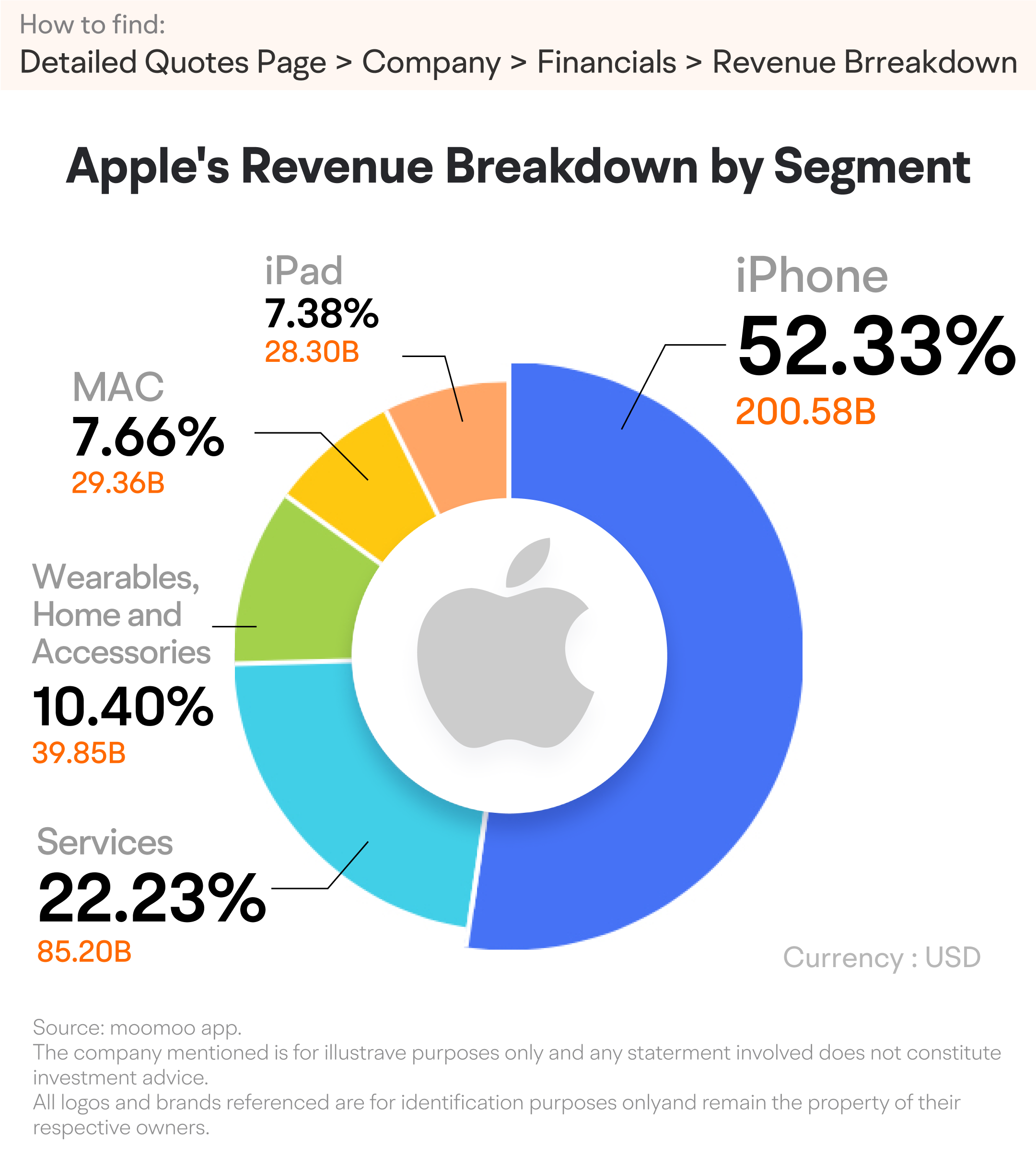
Apple’s earnings reports provide a valuable breakdown of revenue by product category:
- iPhone: Historically, the iPhone has been Apple’s primary revenue driver. Growth or decline in this segment is closely watched, especially following new product launches.
- Mac: Performance of Apple’s computer line.
- iPad: Sales of Apple’s tablet devices.
- Wearables, Home and Accessories: This segment includes products like Apple Watch, AirPods, HomePod, and other accessories. This has been a high-growth area for Apple in recent years.
- Services: This increasingly vital segment includes revenue from the App Store, Apple Music, iCloud, AppleCare, Apple Pay, advertising, and other subscription services. The growth of services is key to Apple’s diversification strategy and recurring revenue streams, and its margins are typically higher than hardware.
Analyzing these segments individually helps investors identify which areas are thriving, which are struggling, and how well Apple is diversifying its business beyond its flagship iPhone. Strong services growth, for example, signals a healthier, more resilient business model.
The Crystal Ball: Forward Guidance and Investor Confidence
Perhaps even more impactful than past performance is Apple’s forward guidance. This is the company’s projection for its performance in the upcoming quarter or fiscal year. Guidance typically includes:
- Revenue expectations.
- Gross margin percentages.
- Operating expense estimates.
- Tax rates.
When Apple’s management offers a positive outlook, it can instill confidence and drive the stock higher, even if the current quarter’s numbers were merely in line with expectations. Conversely, a cautious or lowered guidance, even after a strong quarter, can lead to a significant sell-off as investors adjust their future earnings models. Guidance reveals management’s perspective on market conditions, product pipelines, and potential challenges, making it an invaluable part of the earnings release for long-term strategic analysis.
Navigating the Market Impact: Trading Around Earnings
The period surrounding an earnings release is often characterized by heightened volatility, making it a critical time for both short-term traders and long-term investors to manage their positions thoughtfully.
Pre-Earnings Speculation and Volatility
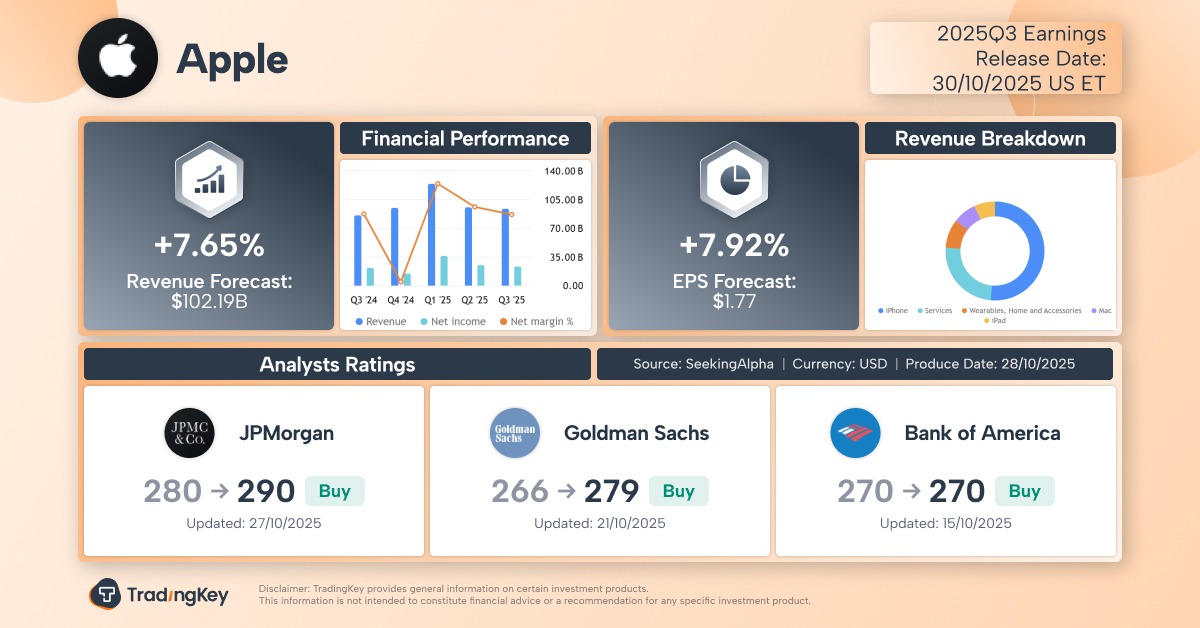
In the days and weeks leading up to an earnings report, market sentiment often builds. Analysts issue updated ratings and price targets, financial media dissect every rumor, and options traders bet on the direction of the stock. This speculation can lead to increased trading volume and price swings, sometimes referred to as “earnings run-up” or “earnings anticipation.” Investors who hold shares through this period are essentially betting on their interpretation of the upcoming results.
Post-Earnings Reaction: The ‘Buy the Rumor, Sell the News’ Phenomenon
Once earnings are released, the market reacts almost instantaneously. If Apple beats consensus estimates on revenue and EPS and provides strong guidance, the stock typically rallies. If it misses or provides weak guidance, the stock can fall sharply. The immediate reaction is often based on the comparison of reported numbers to analyst expectations, rather than just the absolute performance.
The “buy the rumor, sell the news” phenomenon is often observed here. Traders might buy the stock in anticipation of good news, only to sell it immediately after the announcement, even if the news is positive, thereby locking in profits and sometimes causing a momentary dip. Conversely, some investors might use a post-earnings dip (even on decent news) as a buying opportunity, believing the market overreacted.
Long-Term vs. Short-Term Investor Perspectives
For short-term traders, earnings season is about capitalizing on volatility. They might use options strategies or rapid stock trades to profit from immediate price movements. This approach carries significant risk due to the unpredictable nature of market reactions.
For long-term investors, the immediate post-earnings volatility is often less significant than the underlying trends and strategic insights revealed. They look beyond the day-to-day stock price fluctuations to evaluate if Apple’s core business model remains robust, if its strategic initiatives (like expanding services or entering new product categories) are progressing, and if its competitive moat is intact. A temporary dip after an earnings report might even be viewed as an opportunity to average down their cost basis if their long-term conviction remains strong.
Beyond the Headlines: The Strategic Insights from Apple’s Financials
A truly insightful analysis of Apple’s earnings goes beyond simply reacting to the headline numbers. It involves understanding the broader implications for the company’s strategy, its competitive landscape, and its financial health.
Understanding Market Share and Competitive Landscape
By segmenting revenue, investors can glean insights into Apple’s performance against competitors. For instance, if iPhone sales decline, is it due to a saturated smartphone market, intense competition from Android devices, or macroeconomic factors affecting consumer spending? Strong growth in wearables might indicate Apple’s successful diversification and ability to capture new market segments, challenging rivals like Samsung or Fitbit. The services growth story, in particular, is critical to understanding how Apple is competing in the subscription economy against giants like Spotify, Netflix, and various app developers.
Capital Allocation: Dividends, Buybacks, and R&D
Apple’s earnings reports and accompanying financial statements also detail how the company manages its immense cash pile. Investors look at:
- Dividends: Apple pays a quarterly dividend. Changes in the dividend (increases or decreases) signal management’s confidence in future earnings and commitment to returning capital to shareholders.
- Share Buybacks (Repurchases): Apple has one of the largest share repurchase programs in history. Buybacks reduce the number of outstanding shares, which can boost EPS and demonstrate management’s belief that the stock is undervalued.
- Research & Development (R&D) Spending: An increase in R&D indicates investment in future innovation, critical for a tech company like Apple. This spending foreshadows potential new products or significant updates.
Analyzing these capital allocation strategies provides a window into management’s long-term vision and financial discipline.
The Macroeconomic Lens: How Global Factors Influence Apple
Apple is a global company, and its earnings are highly susceptible to macroeconomic trends. Factors like:
- Global economic growth: Influences consumer spending on discretionary items like iPhones and Macs.
- Currency fluctuations: A strong U.S. dollar can negatively impact revenue generated in foreign markets when converted back to dollars.
- Supply chain disruptions: Geopolitical events, pandemics, or natural disasters can impact production and sales, as seen in recent years.
- Inflation and interest rates: Can affect consumer purchasing power and the cost of doing business.
- Geopolitical tensions and trade policies: Can impact sales in specific regions (e.g., China) or impose tariffs.
Earnings calls often feature management discussing these external factors, providing valuable context for their performance and guidance. Understanding these influences allows for a more nuanced interpretation of the financial figures.
A Guide for Investors: Harnessing Earnings Information
For any investor, leveraging the wealth of information provided during earnings season is a skill that can significantly enhance their investment process.
Integrating Earnings into Your Investment Thesis
Rather than treating earnings reports as isolated events, integrate them into a continuous assessment of your investment thesis for Apple. Does the report confirm your reasons for investing? Does it challenge them? Look for consistent narratives over several quarters. Is the services segment growing as expected? Is iPhone demand holding up in key markets? Are gross margins stable or improving? A strong investment thesis is built on a thorough understanding of the company’s financial trajectory.
The Role of Analyst Calls and Q&A Sessions
Following the release of the earnings report, Apple’s management typically holds a conference call with financial analysts. This call includes a prepared statement from the CEO and CFO, followed by a Q&A session where analysts can probe deeper into specific aspects of the business. These calls are invaluable because they:
- Provide color and context: Management often explains the “why” behind the numbers.
- Offer forward-looking insights: Discussions often touch upon future strategies, product pipelines, and market outlooks not fully detailed in the report.
- Reveal management sentiment: The tone and emphasis of management’s answers can be telling.
Transcripts and recordings of these calls are usually available on Apple’s Investor Relations website, making them accessible to individual investors.
Due Diligence Beyond the Numbers
While earnings reports are crucial, they are just one piece of the puzzle. Comprehensive due diligence for investing in Apple (or any stock) involves:
- Industry analysis: Understanding the competitive landscape in tech, smartphones, services, and wearables.
- Product reviews and consumer sentiment: Gauging public reception to new products.
- Technological innovation: Staying abreast of Apple’s patent filings, R&D announcements, and strategic acquisitions.
- ESG (Environmental, Social, and Governance) factors: Assessing Apple’s corporate responsibility, labor practices, and sustainability efforts, which are increasingly important to institutional investors.
By combining a deep dive into earnings reports with broader market and industry analysis, investors can develop a robust and well-informed perspective on Apple’s long-term value proposition.
In conclusion, understanding when Apple releases its earnings is the first step in a much larger journey of financial analysis. These quarterly events are critical junctures for understanding a company’s past performance, current health, and future potential. For anyone serious about investing or simply comprehending the dynamics of the financial markets, mastering the art of interpreting Apple’s earnings reports is an indispensable skill.
aViewFromTheCave is a participant in the Amazon Services LLC Associates Program, an affiliate advertising program designed to provide a means for sites to earn advertising fees by advertising and linking to Amazon.com. Amazon, the Amazon logo, AmazonSupply, and the AmazonSupply logo are trademarks of Amazon.com, Inc. or its affiliates. As an Amazon Associate we earn affiliate commissions from qualifying purchases.