
In the landscape of modern retail investing, few names carry as much weight, controversy, and fascination as AMC Entertainment Holdings, Inc. While a casual consumer might type “when does AMC theaters open” into a search engine to plan a weekend outing, for the astute investor, the question of “opening” carries a much deeper financial connotation. It refers not just to the physical unlocking of lobby doors, but to the operational windows of revenue generation, the reopening of capital markets to theater chains, and the broader recovery of the theatrical exhibition industry in a post-pandemic economy.
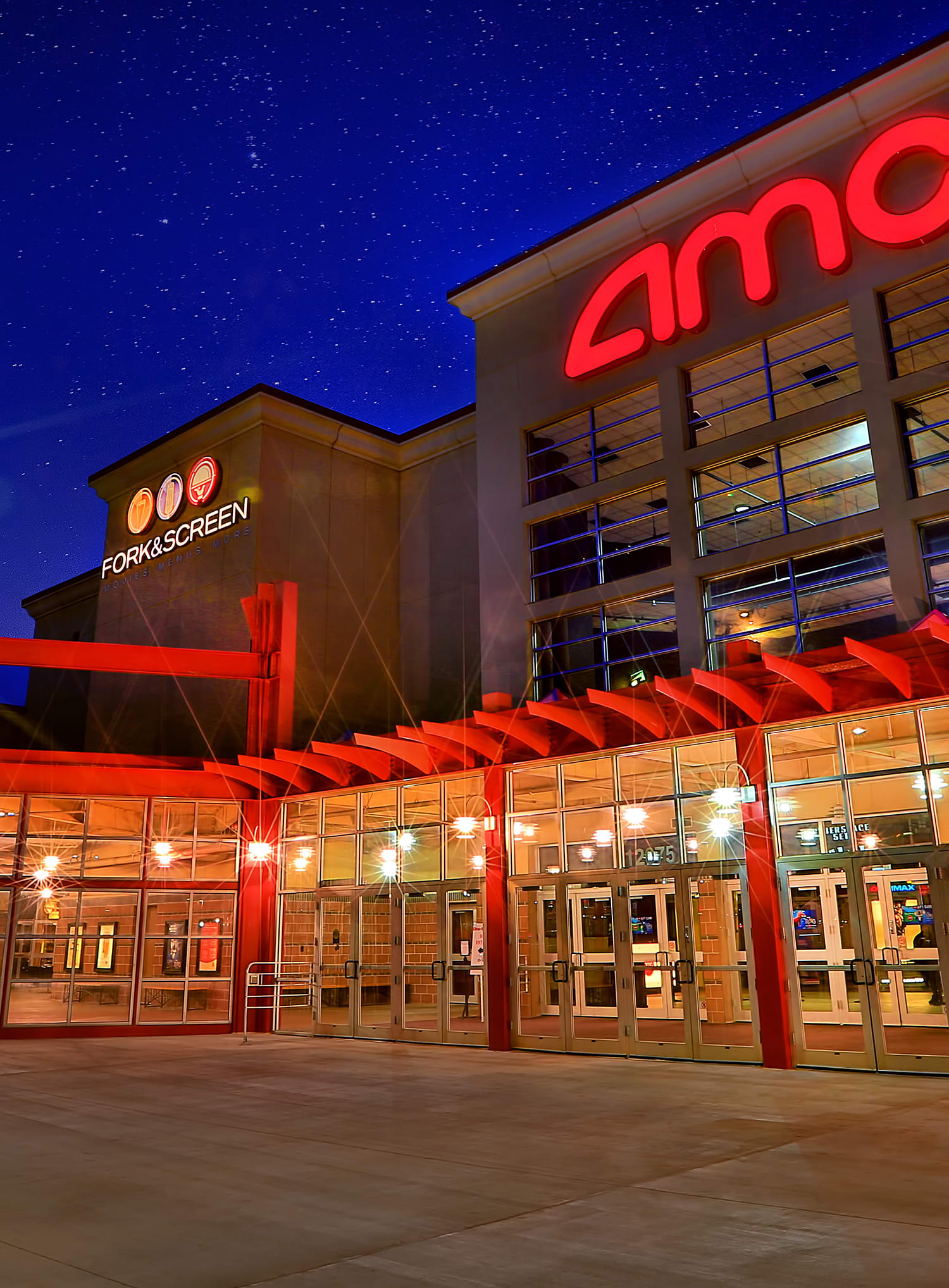
Understanding the timing and logistics of AMC’s operations is fundamental to grasping its business model. As the world’s largest movie exhibition company, AMC’s ability to maximize its operating hours directly correlates with its ability to service debt, satisfy shareholders, and reinvest in the “theatre of the future.”
The Financial Significance of Operational Windowing
The question of when a theater opens is, at its core, a question of labor optimization and utility management. For a massive corporate entity like AMC, the decision to open doors at 10:00 AM versus 2:00 PM is driven by data-centric algorithms that weigh the cost of staffing and electricity against projected ticket sales and, more importantly, high-margin concession revenue.
Measuring Revenue per Screen in Active Hours
In the theater business, the “screen” is the primary unit of production. However, a screen only generates revenue when it is active. The financial “opening” of a theater is strategically timed to coincide with peak demand periods. During blockbuster releases, AMC often moves to a 24-hour or extended-hour operational cycle. This elasticity in opening times allows the firm to capture “overflow” demand that cannot be accommodated during standard evening hours.
From a personal finance perspective for the retail investor, monitoring these operational shifts provides a leading indicator of quarterly earnings. When AMC announces extended holiday hours or early-morning screenings for major franchises, it signals a high-confidence projection in “Per-Patron-Net-Concession-Spending” (PNC). Because the profit margins on popcorn and soda can exceed 80%, the “opening” of the concession stand is often more financially significant than the opening of the box office itself.
The Impact of Matinee Pricing on Daily Cash Flow
Matinee screenings, typically occurring before 4:00 PM, represent a strategic effort to lower the barrier to entry during low-demand periods. For the consumer, this is a personal finance win—a way to enjoy premium entertainment at a discount. For AMC, matinees serve as a mechanism to cover fixed costs.
A theater has high fixed costs: rent, property taxes, and insurance must be paid regardless of whether a film is playing. By opening earlier in the day and offering tiered pricing, AMC ensures that its cash flow remains steady, preventing the “dead air” of an empty auditorium from eroding the daily profit margin.
AMC Entertainment as a Case Study in Retail Investment
Beyond the physical doors of the cinema, “opening” describes the moment AMC became a focal point of the modern “meme stock” phenomenon. The financial narrative of AMC is inextricably linked to the democratization of investing and the rise of retail traders who view the company not just as a theater chain, but as a symbol of market sentiment.
The Rise of the “Ape” Movement and Brand Loyalty
In early 2021, AMC faced an existential threat of bankruptcy. The “opening” of the stock to a massive wave of retail investors—self-identified as “Apes”—transformed the company’s balance sheet. This movement was characterized by a collective refusal to sell shares, aimed at triggering a “short squeeze” against institutional investors who had bet on the company’s failure.
From a brand and money perspective, this created a unique form of “investor-consumer.” Unlike most public companies, AMC’s shareholders are often its most loyal customers. This creates a virtuous cycle: when a shareholder asks “when does AMC open,” they aren’t just looking for a movie; they are looking to support their own investment. This level of brand devotion is a powerful financial moat that few other legacy companies can claim.
Debt Restructuring and Capital Infusion Strategies
The financial survival of AMC has depended on its ability to keep the “capital windows” open. Under the leadership of CEO Adam Aron, the company has been aggressive in issuing new equity and restructuring its multi-billion dollar debt load. By taking advantage of the high stock price fueled by retail enthusiasm, AMC was able to raise billions in cash.
For those analyzing the company’s financial tools, the focus is often on the “At-the-Market” (ATM) equity offerings. While these can lead to share dilution—a concern for any long-term investor—they provide the liquidity necessary to keep the physical theaters open. The interplay between share price and operational viability is a tightrope walk that defines AMC’s modern financial strategy.

Diversification: Beyond the Standard Box Office Hours
As the traditional theatrical window—the time between a movie’s cinema release and its digital availability—has shrunk, AMC has had to find new ways to keep its revenue streams “open” outside of traditional movie-going hours and formats.
Retail Popcorn and Consumer Goods Expansion
In a brilliant move of brand extension, AMC recently “opened” its doors to the grocery aisle. By launching a line of retail popcorn products in major supermarkets, the company decoupled its most profitable product from the physical theater location. This represents a significant shift in business finance: moving from a service-based model (exhibition) to a consumer packaged goods (CPG) model.
This diversification allows AMC to generate revenue 24/7, regardless of whether a physical theater is open or closed. For investors, this adds a layer of stability to the company’s income statement, reducing its total reliance on the volatile Hollywood release schedule.
Alternative Programming: Concert Films and Sporting Events
Another way AMC has expanded its “opening” hours is through alternative content. The 2023 release of concert films by Taylor Swift and Beyoncé revolutionized the industry. By acting as both the distributor and the exhibitor, AMC bypassed traditional studio fees, keeping a significantly higher percentage of the box office.
This strategy utilizes theater space during periods when traditional film slates might be “dry.” It also attracts a different demographic of consumers, many of whom may not have visited a theater in years. From a marketing and money standpoint, these “event” screenings turn the theater into a multipurpose venue, maximizing the utility of the real estate.
The Future of Cinema Real Estate and Operational Efficiency
The long-term viability of AMC depends on its ability to modernize its physical footprint. This involves closing underperforming locations and “opening” new, high-tech sites that offer premium experiences.
Optimizing Fixed Costs in a Variable Demand Market
The cinema industry is notoriously cyclical. Some months are packed with blockbusters, while others are “dump months” with low attendance. AMC’s financial health is tied to its ability to manage these swings. This involves “opening” and “closing” parts of its portfolio through lease negotiations and strategic closures.
Investors look closely at AMC’s “Capital Expenditures” (CapEx). Money spent on installing IMAX screens, Dolby Cinema, and reclining “Luxury” seating is intended to increase the “average ticket price” (ATP). Even if attendance numbers remain flat, if AMC can increase the amount each guest spends by providing a premium experience, the financial “opening” remains profitable.
The Dividend Question and Long-Term Value Creation
For many years, AMC was known as a dividend-paying stock. However, the financial strain of the 2020s forced the suspension of these payments. The ultimate goal for many value investors is for the company to reach a state of “positive free cash flow” where it can once again “open” the door to dividends or share buybacks.
Achieving this requires a delicate balance of debt reduction and revenue growth. As of the current fiscal period, AMC continues to navigate a complex recovery. The “opening” of the box office to a more consistent slate of films in 2024 and 2025—following the resolution of industry-wide strikes—is seen as the primary catalyst for this financial return to normalcy.

Conclusion: The Perpetual Opening of the Market
When we ask “when does AMC theaters open,” we are participating in a larger conversation about the resilience of the American cinematic experience and the evolution of the stock market. AMC is no longer just a place to watch movies; it is a financial laboratory where new theories of retail investing, debt management, and brand loyalty are tested daily.
For the investor, the “opening” of AMC is an ongoing event. It happens every morning at 9:30 AM EST when the New York Stock Exchange bell rings, and it happens every time a projector starts humming in a local multiplex. The intersection of these two worlds—the high-stakes world of corporate finance and the populist world of popcorn and blockbusters—makes AMC one of the most compelling stories in the modern economy. Whether you are looking for a side hustle in swing trading or a long-term stake in the future of entertainment, understanding the timing and mechanics of this opening is the first step toward financial insight.
aViewFromTheCave is a participant in the Amazon Services LLC Associates Program, an affiliate advertising program designed to provide a means for sites to earn advertising fees by advertising and linking to Amazon.com. Amazon, the Amazon logo, AmazonSupply, and the AmazonSupply logo are trademarks of Amazon.com, Inc. or its affiliates. As an Amazon Associate we earn affiliate commissions from qualifying purchases.