
In an era defined by rapid digital transformation, the simple act of “making a payment” has evolved from a physical exchange of currency into a sophisticated logistical operation. Whether you are an individual settling a personal debt, a consumer purchasing a luxury item, or a business owner managing international supply chains, the method you choose to facilitate a transaction carries significant implications for your financial health. Understanding how to make a payment today requires more than just knowing where to click; it demands an analytical approach to fees, security, speed, and the underlying financial architecture that moves money across the globe.

Understanding the Digital Payment Ecosystem
The modern financial landscape is no longer a monolith. It is a fragmented yet interconnected web of legacy systems and “FinTech” innovations. To effectively navigate this space, one must first distinguish between the primary channels of value transfer.
The Rise of Digital Wallets and Mobile Payments
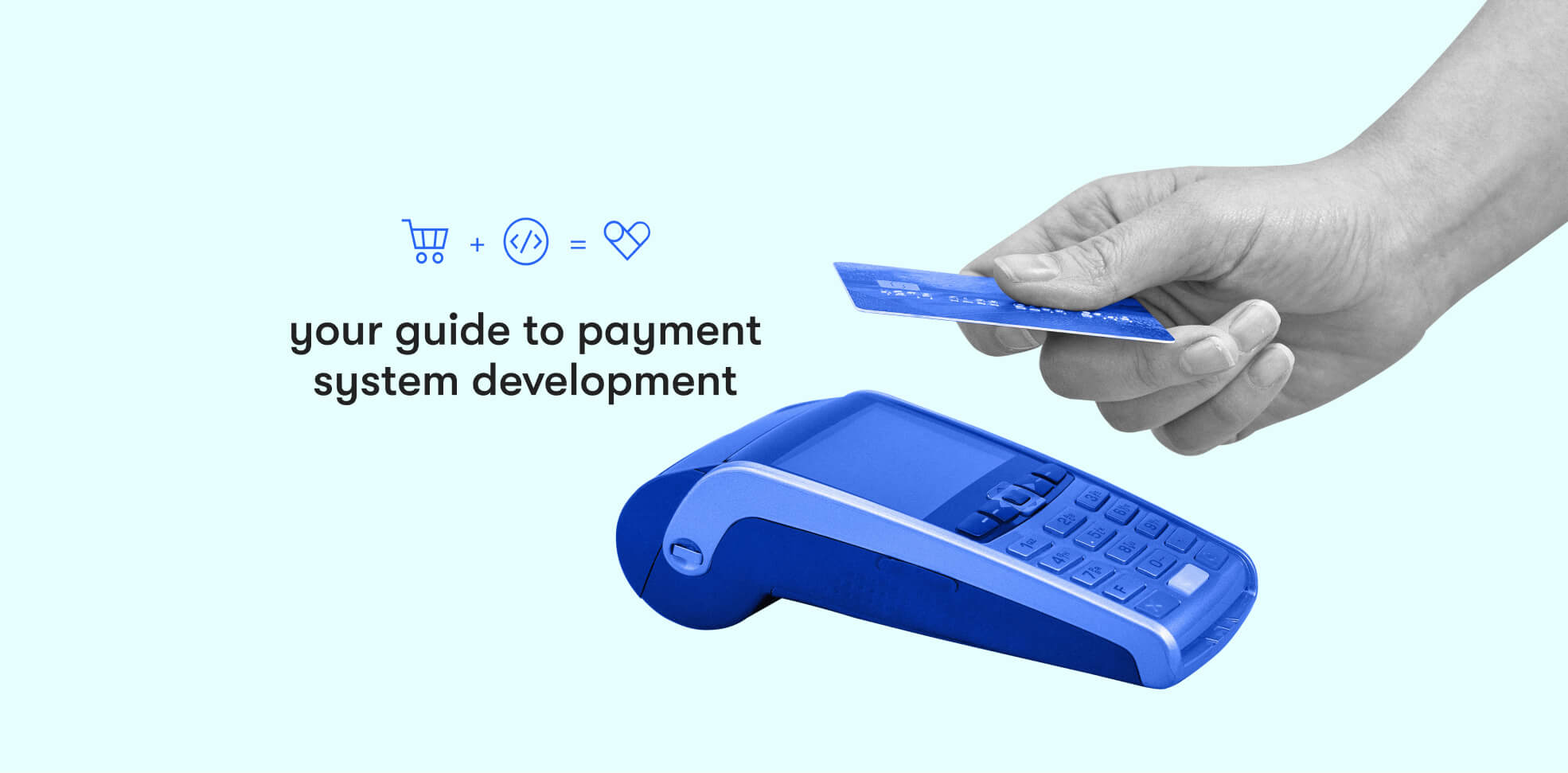
Digital wallets like Apple Pay, Google Pay, and Samsung Pay have revolutionized the point-of-sale experience. These tools utilize Near Field Communication (NFC) technology to transmit payment data securely. From a financial management perspective, the “how” of these payments is rooted in tokenization. When you make a payment via a digital wallet, your actual credit card number is never shared with the merchant. Instead, a unique “token” is generated for that specific transaction. This adds a critical layer of security, reducing the risk of identity theft and unauthorized charges, which are persistent threats in the digital age.
Direct Bank Transfers and the ACH Network
For larger transactions—such as rent, mortgage payments, or high-value business services—direct bank transfers remain the gold standard. In the United States, the Automated Clearing House (ACH) network handles the majority of these transfers. Making a payment via ACH is generally more cost-effective than using a credit card, as it bypasses the 2% to 4% processing fees typically charged by card networks. However, the trade-off is speed; ACH transfers can take one to three business days to settle. For those requiring immediate settlement, the “Real-Time Payments” (RTP) network is increasingly becoming an option, allowing for the instantaneous transfer of funds between participating financial institutions.
The Role of Credit and Debit Networks
While digital wallets are the interface, the underlying networks—Visa, Mastercard, American Express, and Discover—remain the engines of global commerce. When deciding how to make a payment, savvy users often weigh the benefits of credit vs. debit. Credit payments offer consumer protections, such as the ability to dispute charges (chargebacks) and the accumulation of rewards or cashback. Conversely, debit payments offer the advantage of immediate “real-time” accounting, ensuring that you do not spend beyond your current liquidity.
Navigating International and Cross-Border Payments
As the economy becomes increasingly globalized, the need to make payments across borders has moved from a niche requirement to a daily necessity. However, cross-border transactions are fraught with “hidden” costs that can erode your purchasing power if not managed correctly.
The Challenges of Currency Exchange and Forex Margins
The most significant cost in international payments is often not the transaction fee itself, but the exchange rate margin. Most traditional banks offer a “retail” exchange rate that is significantly worse than the “mid-market” or “interbank” rate. When you make a payment in a foreign currency, the bank or provider pocket the difference. To optimize these payments, it is essential to use platforms that provide transparency regarding their “Forex” (FX) markups. Using specialized currency accounts or multi-currency wallets can allow you to hold funds in different denominations, enabling you to “strike” a payment when exchange rates are most favorable.
Comparison of Leading Remittance Platforms
Legacy systems like SWIFT (Society for Worldwide Interbank Financial Telecommunication) have historically dominated international transfers. While highly secure, SWIFT transfers are notoriously slow and involve multiple intermediary banks, each of which may deduct a “correspondent bank fee.” In contrast, modern remittance platforms like Wise, Revolut, and Payoneer have created proprietary networks that bypass the traditional SWIFT route for many corridors. These platforms often match “in-country” payments, meaning the money never actually crosses a physical border, resulting in lower fees and near-instant delivery.
Understanding SWIFT vs. SEPA
For those making payments specifically within the European Economic Area (EEA), the Single Euro Payments Area (SEPA) is a game-changer. SEPA transfers allow for Euro-denominated payments to be made as easily and cheaply as domestic transfers. Understanding the difference between a standard SEPA transfer (which takes a day) and a SEPA Instant transfer (which takes seconds) is crucial for managing international business liquidity and ensuring that vendors receive funds on time without excessive overhead.
Maximizing Security and Efficiency in Business Payments
For business owners and freelancers, the question of “how to make the payment” is inextricably linked to cash flow management and operational security. A single error in a high-value B2B transaction can lead to significant financial loss and strained professional relationships.
Best Practices for B2B Transactions
Business-to-business payments often involve larger sums and more complex terms than consumer transactions. Utilizing “Net-30” or “Net-60” payment terms is common, but the actual execution of the payment should be handled through secure, trackable channels. Using a dedicated accounts payable (AP) automation tool can help schedule payments to coincide with revenue cycles, ensuring that you maintain optimal working capital. Furthermore, always verify “Payment Instructions” via a secondary communication channel (such as a phone call) to prevent “Business Email Compromise” (BEC) scams, where attackers intercept invoices and change the banking details.
Protecting Against Payment Fraud
Fraud prevention is a cornerstone of professional financial management. When making a payment online, always look for the “lock” icon in the browser and ensure the URL begins with “https.” More importantly, utilize multi-factor authentication (MFA) for all financial accounts. For businesses, implementing “Positive Pay” services with your bank—where the bank matches the check number, account number, and dollar amount of each check presented for payment against a list provided by the company—can virtually eliminate check fraud.
Automation Tools for Recurring Payments
Efficiency is found in automation. For recurring expenses—software subscriptions, utility bills, or retainer fees—setting up “Push” payments (where you authorize your bank to send money) is generally safer than “Pull” payments (where a vendor is authorized to take money from your account). This keeps the control in the hands of the payer. Using corporate cards with programmable spending limits can also streamline the “how-to” of departmental spending, allowing for automated reconciliation in accounting software like QuickBooks or Xero.
Choosing the Right Payment Method for Your Financial Goals
Every payment method carries a unique “utility profile” based on cost, speed, and security. The final step in mastering how to make a payment is aligning your choice with your broader financial strategy.
Evaluating Transaction Fees and Hidden Costs
On the surface, a payment might look free. However, in the world of finance, someone always pays. Merchant fees are often baked into the price of goods, and “free” peer-to-peer apps might monetize your data or charge for instant withdrawals to a bank account. To make an informed decision, perform a “Total Cost of Payment” (TCP) analysis. This includes the upfront fee, the opportunity cost of the time spent processing the payment, and any potential interest charges if using a credit line.
Speed vs. Reliability: Making the Trade-off
In some scenarios, speed is the priority—such as avoiding a late fee on a credit card or securing a time-sensitive investment. In these cases, paying a premium for a wire transfer or an instant digital payment is justifiable. However, for non-urgent settlements, opting for the slower, “standard” delivery method can save a significant amount of money over a fiscal year. Reliability also matters; some payment methods offer better tracking and “proof of payment” documentation, which is vital for tax purposes and audit trails.
The Future of Payments: Crypto and Real-Time Systems
The horizon of payment technology includes Central Bank Digital Currencies (CBDCs) and stablecoins, which promise to combine the speed of digital wallets with the security of blockchain technology. While still in their relative infancy for mainstream commerce, these tools represent a shift toward “programmable money.” In the future, making a payment might involve smart contracts that only release funds once certain conditions (like the delivery of goods) are met, fundamentally changing the trust dynamic in financial transactions.
By mastering the nuances of these various methods, you move beyond the mechanical act of transferring funds and begin to use payments as a strategic tool for wealth preservation and business growth. Whether you are clicking “pay now” on a smartphone or authorizing a multi-million dollar corporate wire, the intelligence behind the transaction is what ultimately defines its success.
aViewFromTheCave is a participant in the Amazon Services LLC Associates Program, an affiliate advertising program designed to provide a means for sites to earn advertising fees by advertising and linking to Amazon.com. Amazon, the Amazon logo, AmazonSupply, and the AmazonSupply logo are trademarks of Amazon.com, Inc. or its affiliates. As an Amazon Associate we earn affiliate commissions from qualifying purchases.