
In the landscape of modern personal finance, subscription management has transitioned from a minor administrative task to a core pillar of digital budgeting. Amazon Prime, arguably the most successful subscription model in history, represents a significant recurring expense for millions of households. Determining exactly when an Amazon Prime membership ends is not merely a question of checking a calendar date; it is a critical financial assessment of whether the service continues to provide a positive return on investment (ROI). As the cost of living fluctuates and subscription fatigue sets in, understanding the lifecycle of your Prime membership is essential for maintaining a lean and efficient personal budget.
Understanding the Lifecycle of Your Amazon Prime Subscription
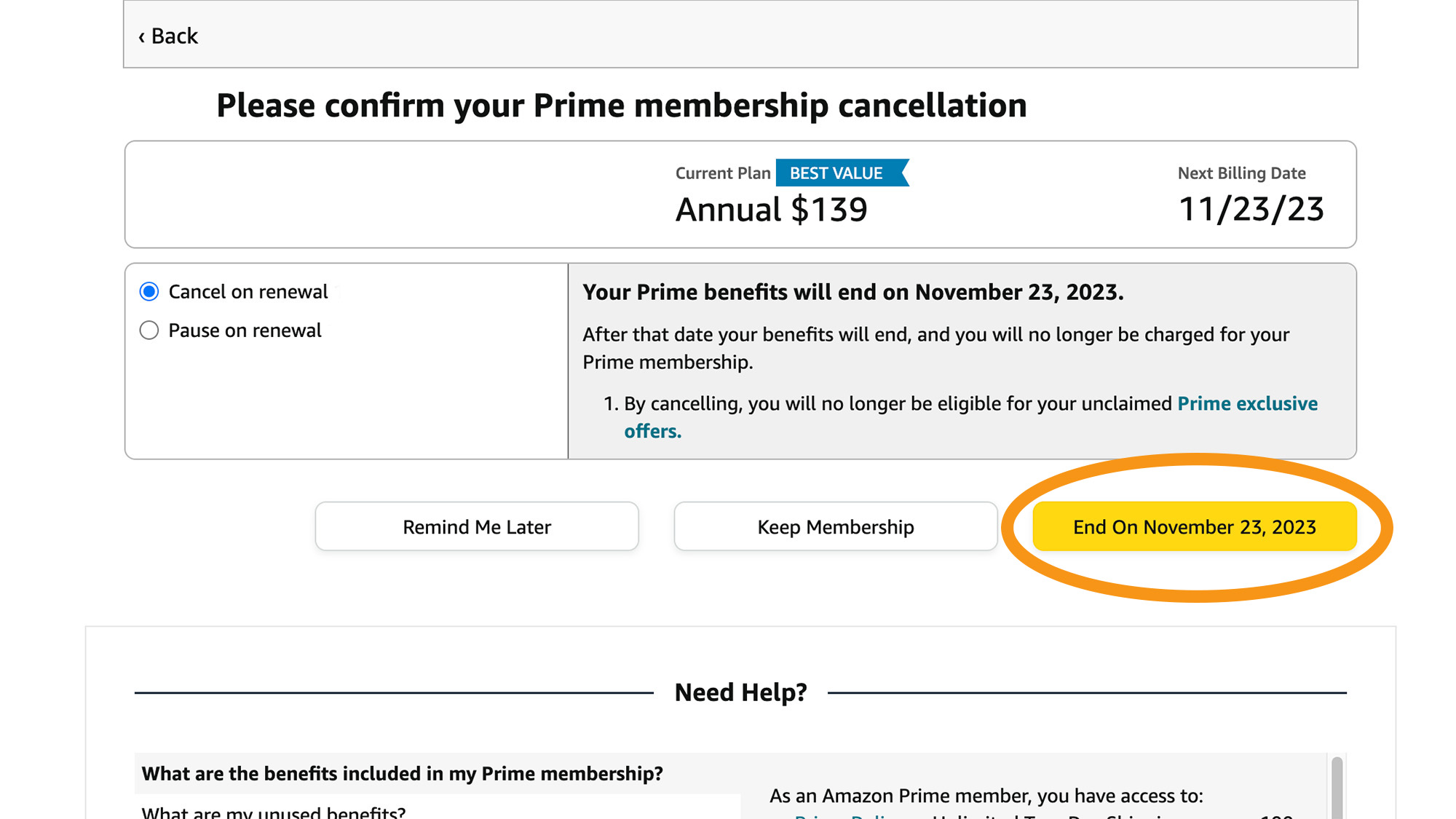
The lifecycle of an Amazon Prime membership is governed by the billing cycle chosen at the time of enrollment. For most users, this is either an annual or a monthly commitment. However, the “end” of a Prime membership can mean several different things depending on your financial goals: the end of a free trial, the date of the next recurring charge, or the final day of access after a cancellation request has been processed.
Tracking Your Renewal Date: The First Step in Financial Discipline
To find the exact date your Amazon Prime membership ends or renews, you must navigate to the “Manage Membership” section within your account settings. This date is the “financial deadline.” If you are an annual subscriber, this date marks the moment a significant lump sum—currently $139 in the United States—is withdrawn from your linked financial accounts.
From a personal finance perspective, this date should be treated with the same importance as a utility bill or a rent payment. High-net-worth individuals and disciplined budgeters often set calendar alerts 48 to 72 hours before this renewal date. This window allows for a sober assessment of the previous year’s usage. If you haven’t utilized the shipping benefits or the streaming services sufficiently to offset the $139 fee, this “end” date becomes your opportunity to reclaim that capital for other investment vehicles or high-yield savings accounts.
Trial Periods vs. Paid Memberships: The Cost of Forgetting
Amazon’s 30-day free trial is a classic marketing funnel designed to integrate the service into your daily consumption habits. For the savvy consumer, the “end” of this trial is the most critical date of all. Amazon requires credit card information upfront, and the transition from a free trial to a paid membership is seamless and automatic.
Technically, your Prime trial ends exactly 30 days from the hour you signed up. If the goal is to utilize the trial for a specific shopping event—such as Prime Day or Black Friday—without incurring a permanent fee, the membership should be set to “end” immediately after the purchase. Amazon allows users to cancel the auto-renewal immediately after signing up for a trial, ensuring the service “ends” at the 30-day mark without a surprise charge to your bank statement.
Evaluating the ROI: Is the Membership Still a Sound Investment?
The decision of when to let a Prime membership end should be driven by a rigorous cost-benefit analysis. As the price of the service has climbed over the years, the financial justification for the “Prime Tax” has become more complex. You must weigh the annual fee against the tangible savings generated through shipping, discounts, and included services.
The Hidden Costs of Convenience
While Amazon Prime is marketed as a money-saving tool through free shipping, it often acts as a catalyst for impulse spending. Financial psychologists note that the “free shipping” psychological trigger often leads consumers to buy items they don’t need simply because the barrier to purchase has been removed.
When auditing your finances to see if Prime should end, look at your order history. Calculate how many of those purchases were “wants” versus “needs.” If the convenience of Prime is driving a 10% to 20% increase in your discretionary spending, the membership is actually costing you thousands of dollars beyond the annual fee. In this context, ending the membership serves as a strategic “speed bump” for your spending, forcing you to be more intentional with your capital.
Calculating Your Annual Shipping Savings
To determine the true ROI, perform a “Shipping Audit.” Most standard shipping rates for non-Prime items range from $5.99 to $9.99. To break even on a $139 annual membership, you would need to place approximately 15 to 24 orders per year.

-
Low-Volume Shoppers: If you order fewer than 15 times a year, your Prime membership is a net loss. You are effectively paying a premium for a service you don’t use.
-
High-Volume Shoppers: If you order weekly, your per-order shipping cost drops to roughly $2.67, which is a significant financial win.
Furthermore, consider the value of Prime Video, Prime Music, and specialized discounts at Whole Foods. If you are already paying for Netflix ($15.49/mo) and Spotify ($11.99/mo), and you find that Prime Video and Music could replace them, the Prime membership moves from a luxury expense to a consolidation tool that could save you over $300 annually.
Strategic Cancellation: Timing Your Exit for Maximum Value
If you have decided that your Amazon Prime membership should end, the timing of your cancellation can impact your cash flow and potential refunds. Amazon has a relatively transparent policy regarding the termination of services, but there are nuances that can benefit your personal balance sheet.
The Pro-Rated Refund Policy Explained
One of the most common questions regarding the end of Prime is whether you can get your money back. Amazon’s policy generally dictates that if you have not used any Prime benefits (including shipping, Video, or Kindle downloads) since your last credit card charge, you are eligible for a full refund of the current membership period.
However, if you have used the benefits even once, you typically cannot get a pro-rated refund for the remaining months of an annual plan. In this scenario, your membership will “end” at the expiration of the current billing cycle. From a money management perspective, the best move is to set the membership to “Do Not Renew.” This ensures you keep the benefits you have already paid for until the final second of your term, preventing the “sunk cost” of an unused but paid-for month.
Seasonal Subscription Strategies
For many households, the utility of Amazon Prime is seasonal. The demand for expedited shipping peaks during the Q4 holiday season (November and December) and perhaps during back-to-school months.
A sophisticated financial strategy is the “On-Off” method. Instead of an annual $139 commitment, a consumer might subscribe to the monthly plan ($14.99) for only three months of the year. This reduces the annual cost to roughly $45, a savings of nearly $94. By knowing exactly when your peak shopping periods end, you can terminate the membership and move that surplus into a brokerage account or an emergency fund.
Alternatives and Side Hustles: Optimizing Your Digital Spending
When one subscription ends, it creates an opportunity to re-evaluate the digital ecosystem you inhabit. The end of an Amazon Prime membership doesn’t mean the end of online shopping or digital entertainment; it marks a transition to more diversified or cost-effective alternatives.
Consolidation of Streaming and Shopping Services
The “Money” niche often focuses on the “subscription stack.” As Walmart+, Target 360, and specialized services like Rakuten compete for your loyalty, the value proposition changes. Walmart+, for instance, often includes fuel discounts and a Paramount+ subscription, which may offer better ROI for rural households or those who drive frequently. When your Prime membership ends, compare these ecosystems. A shift in loyalty could result in a 5% to 10% reduction in your monthly “digital overhead.”

Leveraging Prime for Business Finance and Reselling
For those looking at Amazon Prime through the lens of income generation rather than just consumption, the “end” of a membership might be the start of a business-focused approach. Amazon Business accounts offer different fee structures and tax-exempt purchasing options that personal Prime accounts do not.
If you are involved in e-commerce or a side hustle such as Amazon FBA (Fulfillment by Amazon), your Prime membership is a business expense. In this case, the membership shouldn’t “end”—it should be transitioned. Tracking the “end” date of your personal Prime and moving to a Business Prime structure allows for better bookkeeping, cleaner tax deductions, and access to business-only pricing. This shift turns a personal liability (an expense) into a business asset (a tool for procurement).
In conclusion, knowing when Amazon Prime ends is the baseline for effective financial management. Whether you are tracking a renewal to avoid a charge, calculating ROI to justify the expense, or strategically canceling to optimize your cash flow, your subscription status is a reflection of your financial health. By treating the “end” of your membership as a recurring decision-point rather than an automated certainty, you remain the master of your digital economy.
aViewFromTheCave is a participant in the Amazon Services LLC Associates Program, an affiliate advertising program designed to provide a means for sites to earn advertising fees by advertising and linking to Amazon.com. Amazon, the Amazon logo, AmazonSupply, and the AmazonSupply logo are trademarks of Amazon.com, Inc. or its affiliates. As an Amazon Associate we earn affiliate commissions from qualifying purchases.