
In the current economic climate, the difference between a visionary concept and a market-leading enterprise is almost always the strategic acquisition of capital. Funding is the lifeblood of business growth, yet the path to securing it is often obscured by complex jargon, shifting investor sentiment, and an overwhelming array of financial instruments. Whether you are a solo entrepreneur launching a high-potential side hustle or a seasoned CEO preparing for a Series B expansion, understanding how to navigate the funding ecosystem is a fundamental skill of modern leadership.
Securing funding is not merely a transaction; it is a strategic partnership that dictates the trajectory of your business. It requires a meticulous blend of financial literacy, storytelling prowess, and rigorous operational preparedness. This guide explores the multi-faceted world of business finance, providing a roadmap for identifying the right capital sources and positioning your brand to win them.

Navigating the Capital Hierarchy: Understanding Your Funding Stages
Every business exists on a spectrum of maturity, and the type of funding you seek must align with your current stage of development. Attempting to skip stages or approaching the wrong type of investor can lead to predatory terms or outright rejection. Understanding the capital hierarchy allows you to approach the right doors at the right time.
The Foundation: Bootstrapping and Personal Finance
Before looking outward, most successful ventures begin with internal capital. Bootstrapping—the process of self-funding through personal savings and early revenue—remains the most common way to launch. The primary advantage is total control; you retain 100% equity and decision-making power. However, the limitation is scale. To move from a lifestyle business to a high-growth entity, external capital usually becomes a necessity. Using personal lines of credit or 401(k) rollovers (ROBS) are common methods here, though they carry significant personal risk.
Pre-Seed and Seed Capital: Proving the Concept
Once a prototype exists or early market traction is visible, pre-seed and seed funding come into play. This capital is typically provided by “Friends and Family,” or increasingly, professional Angel Investors. At this stage, investors are betting on the founder’s vision and the size of the addressable market. This is often the most critical stage for establishing valuation. Use of funds at this stage is almost exclusively dedicated to product-market fit, early hiring, and initial marketing tests.
Venture Capital: The Series A, B, and C Trajectory
Venture Capital (VC) is designed for companies with the potential for explosive, exponential growth. Series A funding usually follows the seed round and is focused on scaling a proven business model. By Series B and C, the focus shifts to market domination, international expansion, and preparing for a potential exit via acquisition or public offering. VC funding is highly dilutive, meaning you give up significant portions of ownership, but it provides the massive liquidity needed to capture a market quickly.
The Strategic Pitch: Articulating Value to Investors
Securing funding is an exercise in persuasion backed by data. Investors see hundreds of opportunities every month; to stand out, your pitch must demonstrate not just a great product, but a “fundable” business. This involves mastering the narrative of your financial future.
The Power of Unit Economics
Investors look past the “top-line” revenue to see the underlying health of the business. You must be able to articulate your Customer Acquisition Cost (CAC) relative to the Lifetime Value (LTV) of that customer. If your LTV is at least three times your CAC, you have a scalable engine. If not, no amount of funding will fix a broken business model. Being able to explain these metrics with precision signals to investors that you understand the mechanics of profitability.
Building a Compelling Pitch Deck
A pitch deck is a visual shorthand for your business plan. It should be concise—usually between 10 and 15 slides—and cover the problem, the solution, the market size, the competition, the team, and the “ask.” The most common mistake is focusing too much on the product’s features rather than the business’s potential for return on investment. Remember: an investor is not buying your product; they are buying a share of your future cash flows.
The Narrative of Risk Mitigation
Professional investors are risk-averse by nature. Your pitch should proactively address potential pitfalls. Whether it is regulatory hurdles, competitive threats, or supply chain vulnerabilities, demonstrating that you have a mitigation strategy builds immense trust. Transparency regarding risks shows a level of maturity that separates amateurs from professionals.
Alternative Financing Models in the Modern Economy
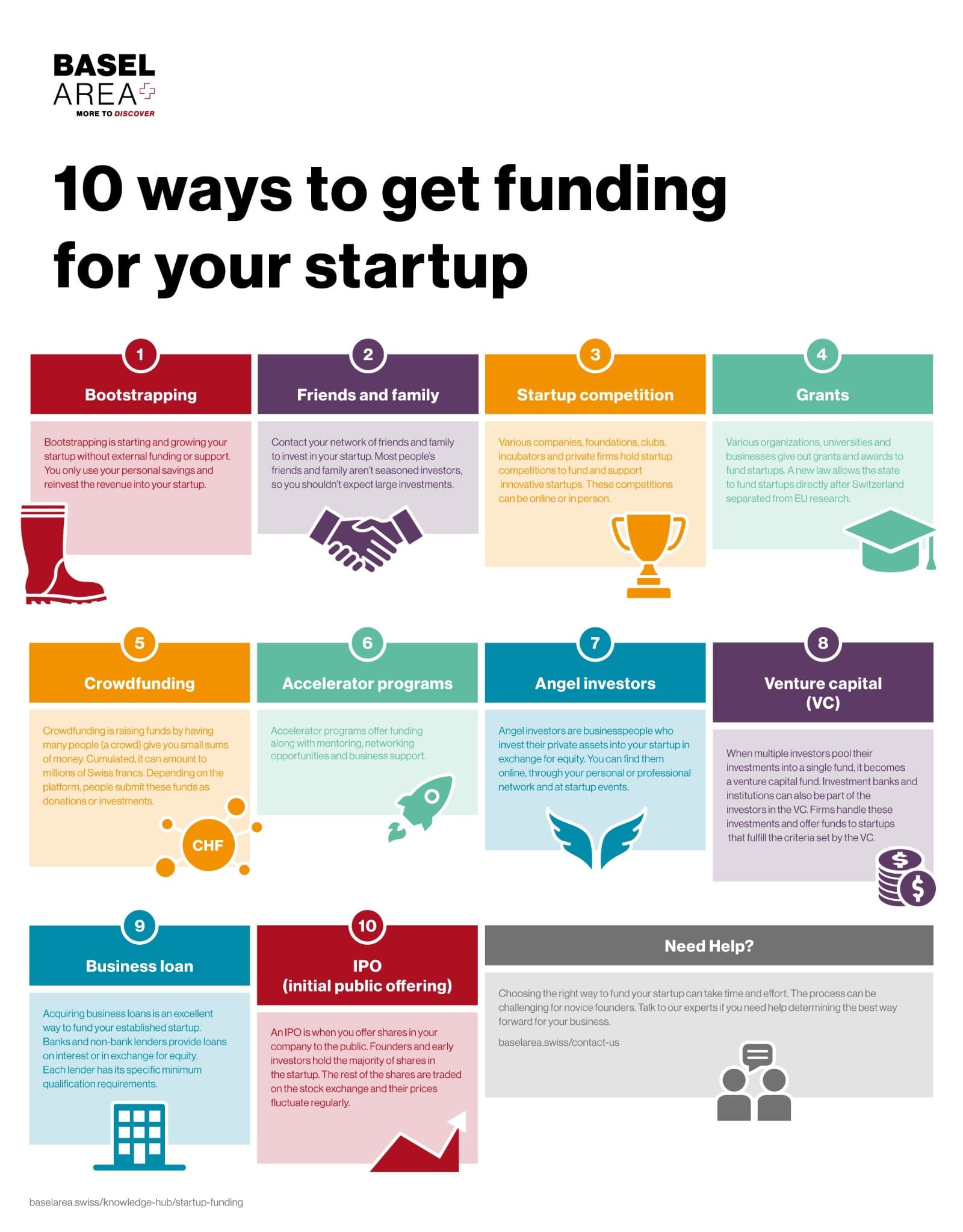
While Venture Capital and Angel investment dominate the headlines, they are not the only—or even necessarily the best—options for every business. The democratization of finance has led to several innovative models that allow founders to access capital without traditional hurdles.
Revenue-Based Financing
Revenue-based financing (RBF) has gained significant popularity among SaaS and e-commerce companies. In this model, a company receives upfront capital in exchange for a fixed percentage of ongoing monthly gross revenue. Unlike a bank loan, there is often no fixed interest rate or collateral; instead, the “repayment” fluctuates with your sales. This is an excellent option for businesses with high gross margins that want to avoid equity dilution.
Equity Crowdfunding
Platforms like Republic, Wefunder, and StartEngine have revolutionized how small to medium enterprises (SMEs) raise money. Equity crowdfunding allows you to raise capital from a large pool of “unaccredited” investors—essentially your customers and fans. This not only provides capital but also creates a loyal army of brand ambassadors. However, it requires a significant marketing effort to run a successful campaign and involves strict SEC compliance.
Asset-Based Lending and SBA Loans
For businesses with tangible assets—inventory, equipment, or real estate—traditional debt is often the cheapest form of capital. Small Business Administration (SBA) loans are government-backed instruments that offer favorable terms and lower down payments than traditional commercial bank loans. While the application process is rigorous and slow, the long-term cost of capital is significantly lower than giving up equity to a VC.
Institutional vs. Angel Investment: Finding the Right Partner
Not all money is created equal. The source of your funding will dictate your board structure, your reporting requirements, and your ultimate exit strategy. Choosing the right partner is just as important as the amount of money you receive.
Angel Investors: The Human Element
Angels are individuals investing their own net worth. They are often former entrepreneurs themselves and can offer mentorship, industry connections, and emotional support. Because they are playing with their own money, they can be more flexible on terms but may lack the deep pockets for follow-on rounds. The relationship is highly personal; if you don’t align on values, the partnership can become strained quickly.
Venture Capital Firms: The Institutional Engine
VCs are professional money managers. They have a fiduciary duty to their Limited Partners (LPs) to return a specific multiple on their investment. This creates a “growth at all costs” pressure. A VC brings massive resources, including dedicated recruiting teams, legal departments, and global networks. However, they will also require board seats and may have the power to replace the CEO if performance targets are not met.
Corporate Venture Capital (CVC)
Many large corporations (like Google, Intel, or Salesforce) have their own investment arms. CVC funding is unique because it often comes with a strategic partnership—access to the corporation’s distribution channels or technology. However, be wary of “right of first refusal” clauses that might prevent you from being acquired by a competitor in the future.
Post-Funding Management: Scaling Responsibly
Receiving the wire transfer is not the finish line; it is the starting gun. The period immediately following a successful funding round is when many businesses fail due to “premature scaling.” Effective financial governance is required to ensure the capital lasts long enough to reach the next milestone.
Cash Flow Management and Burn Rate
Your “burn rate” is the amount of money you lose each month. Your “runway” is how many months you have left before you run out of cash. Post-funding, there is a temptation to hire aggressively and spend on expensive marketing campaigns. Successful founders maintain a disciplined “capital allocation” strategy, ensuring that every dollar spent contributes directly to a measurable growth metric.
Financial Reporting and Transparency
Once you have external investors, you have a new job: Investor Relations. Providing monthly or quarterly updates that include both the “wins” and the “challenges” is essential for maintaining trust. High-quality financial reporting—including updated P&L statements, balance sheets, and cash flow projections—ensures that your investors remain allies who are willing to help when things get difficult.
Preparing for the Next Round
The best time to look for money is when you don’t need it. From the moment your current round closes, you should be building relationships with investors for the next stage. Funding is a momentum game. By consistently hitting the milestones you promised in your previous pitch, you create a “de-risked” investment opportunity for the next group of funders, often leading to a higher valuation and better terms.
In conclusion, securing funding is a sophisticated journey that requires a deep understanding of the financial landscape and a clear-eyed view of your business’s value proposition. By identifying the right stage, perfecting the pitch, exploring alternative models, and choosing the right partners, you can secure the resources necessary to turn your professional ambitions into a thriving, scalable reality. Capital is the tool, but your strategic application of it is what builds the legacy.
aViewFromTheCave is a participant in the Amazon Services LLC Associates Program, an affiliate advertising program designed to provide a means for sites to earn advertising fees by advertising and linking to Amazon.com. Amazon, the Amazon logo, AmazonSupply, and the AmazonSupply logo are trademarks of Amazon.com, Inc. or its affiliates. As an Amazon Associate we earn affiliate commissions from qualifying purchases.